
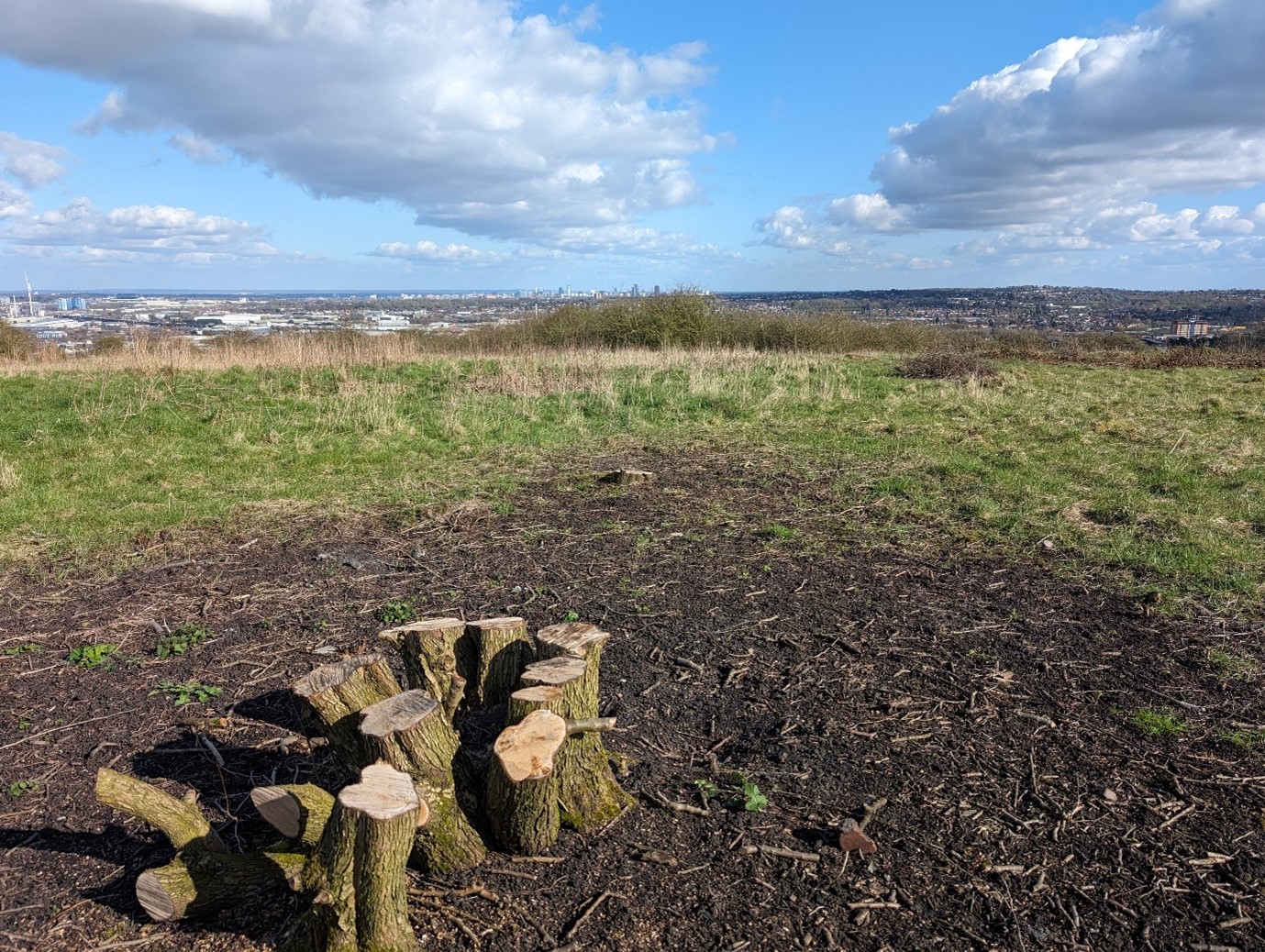
During the first three months of 2024 an extensive thicket of hawthorn near the top end of Portway Hill was cut down to ground-level to provide an uninterrupted view towards the Birmingham City centre skyline, and at the same time create more open space for colonisation by grasses and wildflowers. Since quarrying ceased here in the 1960s hawthorn and bramble have steadily increased to a point where the open grassland areas were reducing each year and without intervention the site would all turn to scrub.
Excessive rain during spring left paths across the site waterlogged and in places virtually impassable. As the tracks dried out the Friends main task was making the public right of way and other well used paths across the site negotiable once again by clearing excessive vegetation growth which had grown over many of the paths.
Volunteering days with the Wildlife Trust for Birmingham and the Black continued on the second Saturday and fourth Friday of each month, and on one of the Saturday meetings was held jointly with the Black Country Geological Society. On this occasion a way to a second section of rock-face was made and vegetation cut down to expose more of the Spheroidal Weathering and Columnar Jointing.
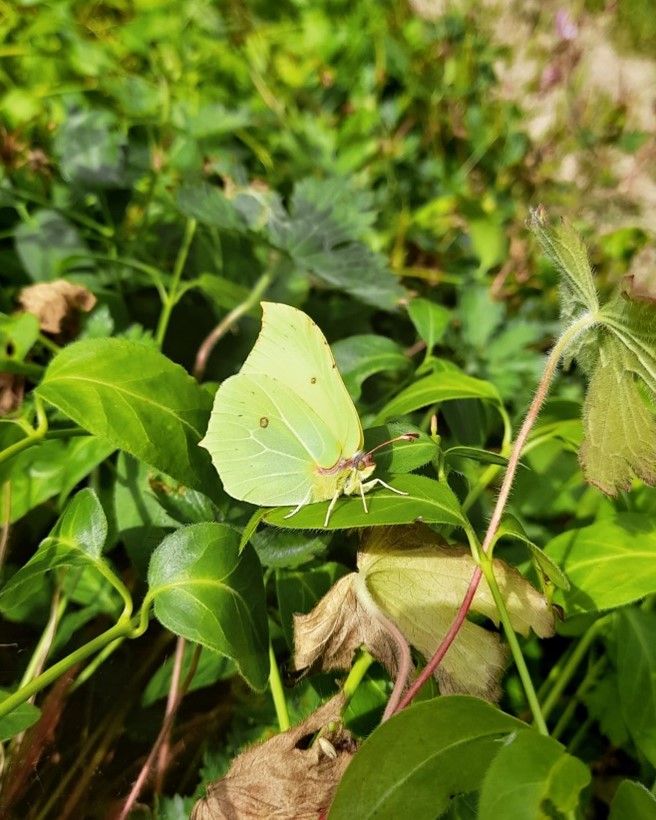
With so many wet and cold days with temperatures below the seasonal average, the impact this had had on butterfly numbers has been quite significant. However, on one of the few brighter days in April a Brimstone was seen flying across the Portway Hill site, and in early May, two Green Hairstreaks were recorded on the same day.

Mowing of the grassland at Bury Hill Park is now managed sympathetically by Sandwell Council, with the sloping grassland down to the Birmingham New Road left mostly uncut through spring and summer, and only mowing the strip along the public right of way and the rectangular area near the top where football posts once stood on a regular basis. This uncut grassland has now become an extension to the Portway Hill site providing a further large expanse of open grassland. This year throughout May 1000s of Pignut s flowered profusely across the hillside turning parts of it white with their blossom. In years past day-flying Chimney Sweeper moths could often be seen on the steeper slopes where the mowers were unable to reach, and now with the grassland left mainly uncut, it is hoped that they will once again be seen, as the caterpillar’s food plant of this day-flying moths is the developing seed heads of Pignut. Badgers regularly forage in the grassland here too suggesting that Pignut tubers a few inches below the surface may be one of their food sources?

On Dudley Golf Course and Oakham Riding School side of Rowley Hills local bird-watcher Nick Horton had a surprise on one of his walks. Has he passed the small pond at the side of the track leading onto Dudley Road, he watched a pair of Coots going in and out of the marginal vegetation, when suddenly a Water Rail appeared from the reedbed! This shy and retiring bird inhabits freshwater wetland but is rarely seen. However, it was only believed to be passing through on the way to its breeding area elsewhere.
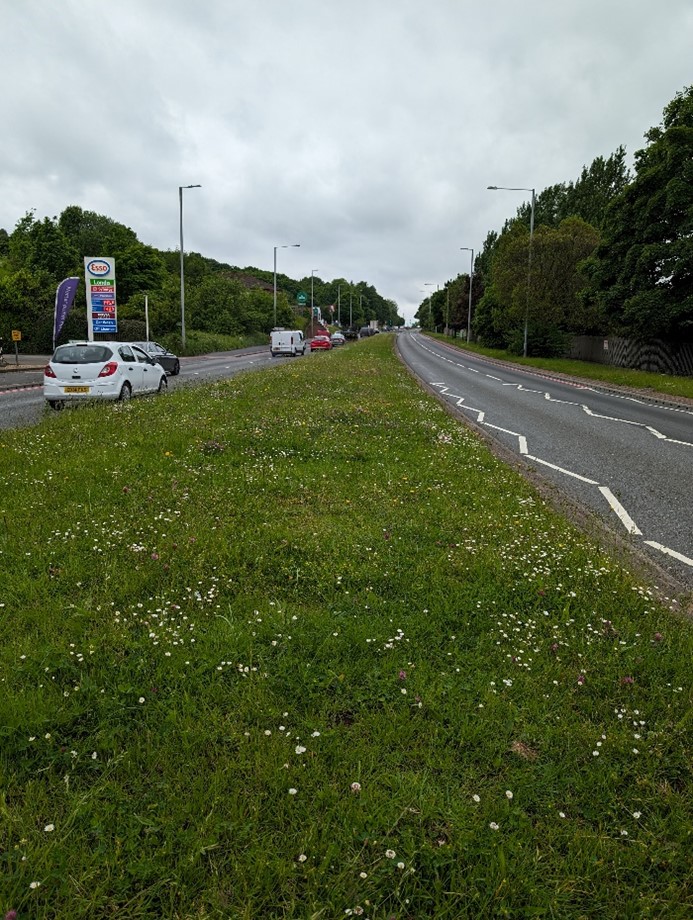
From late May and throughout June Bee Orchids can regularly be seen on Portway Hill and may be increasing, but finding one growing on the central reservation of Wolverhampton Road was unexpected. Unfortunately, less than a week after this photograph was taken the grassland strip was mown!

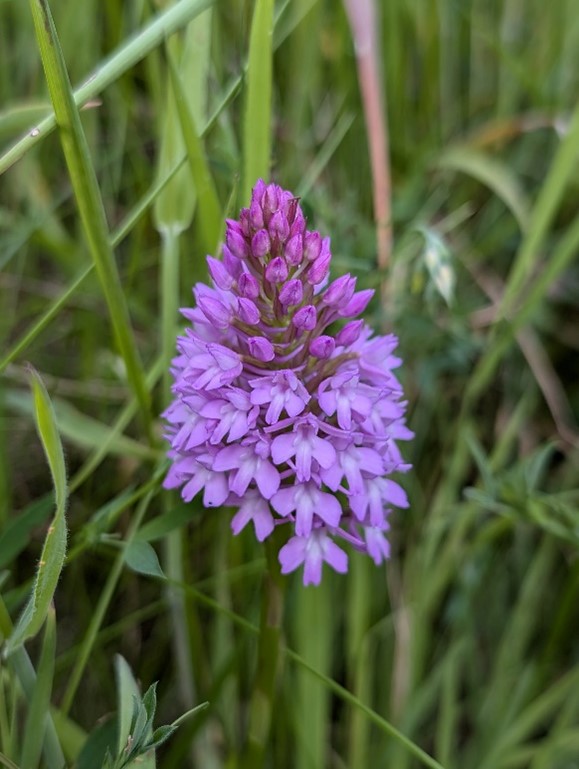
Another Orchid which appears to be on the increase is Pyramidal Orchid, here seen here seen in grassland near the top end of Portway Hill. A second location for this orchid on the hillside.
Dudley Golf Club grounds were surveyed during June as part of work by the Wildlife Trust to restore and enhance wildlife habitats and connectivity across the landscape from Wrens Nest to Portway Hill. Several rarely encountered invertebrates and plants were recorded and a full species list will appear in the end of year review.
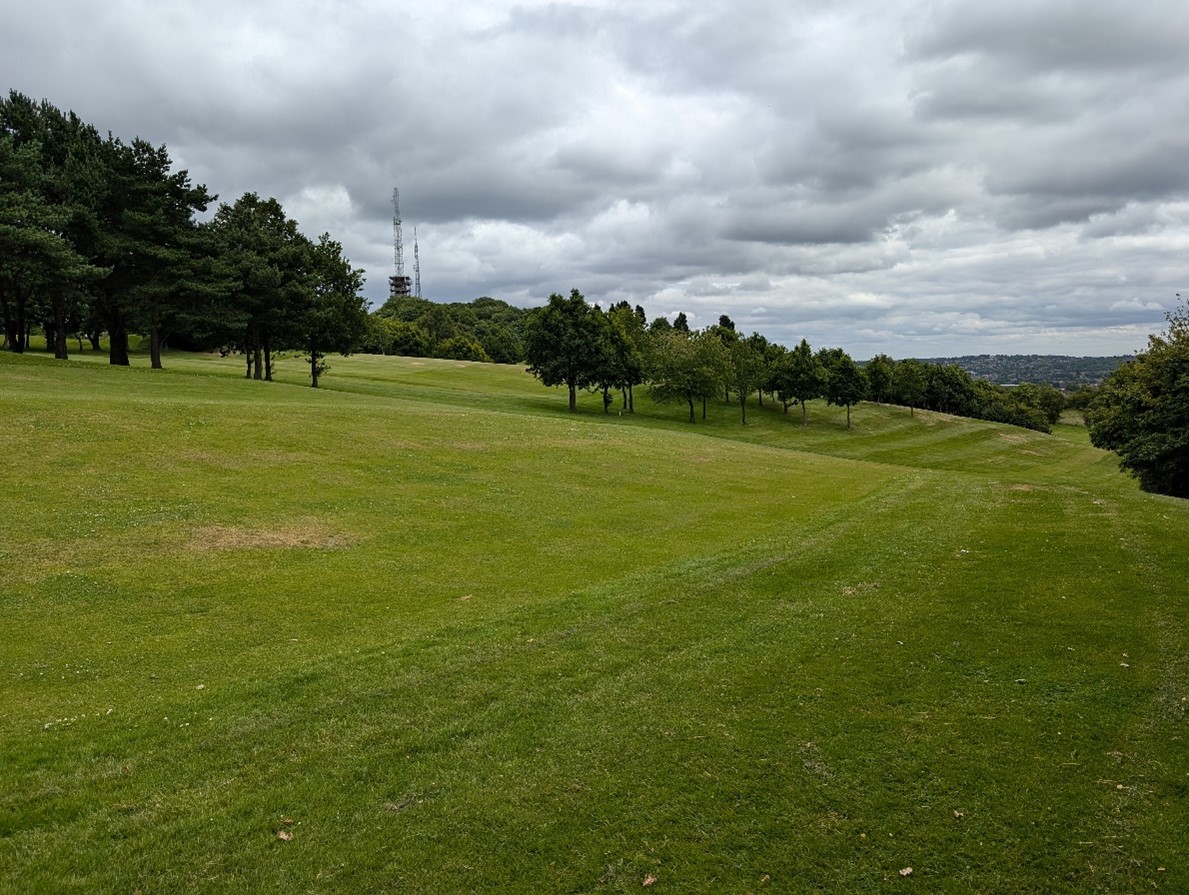
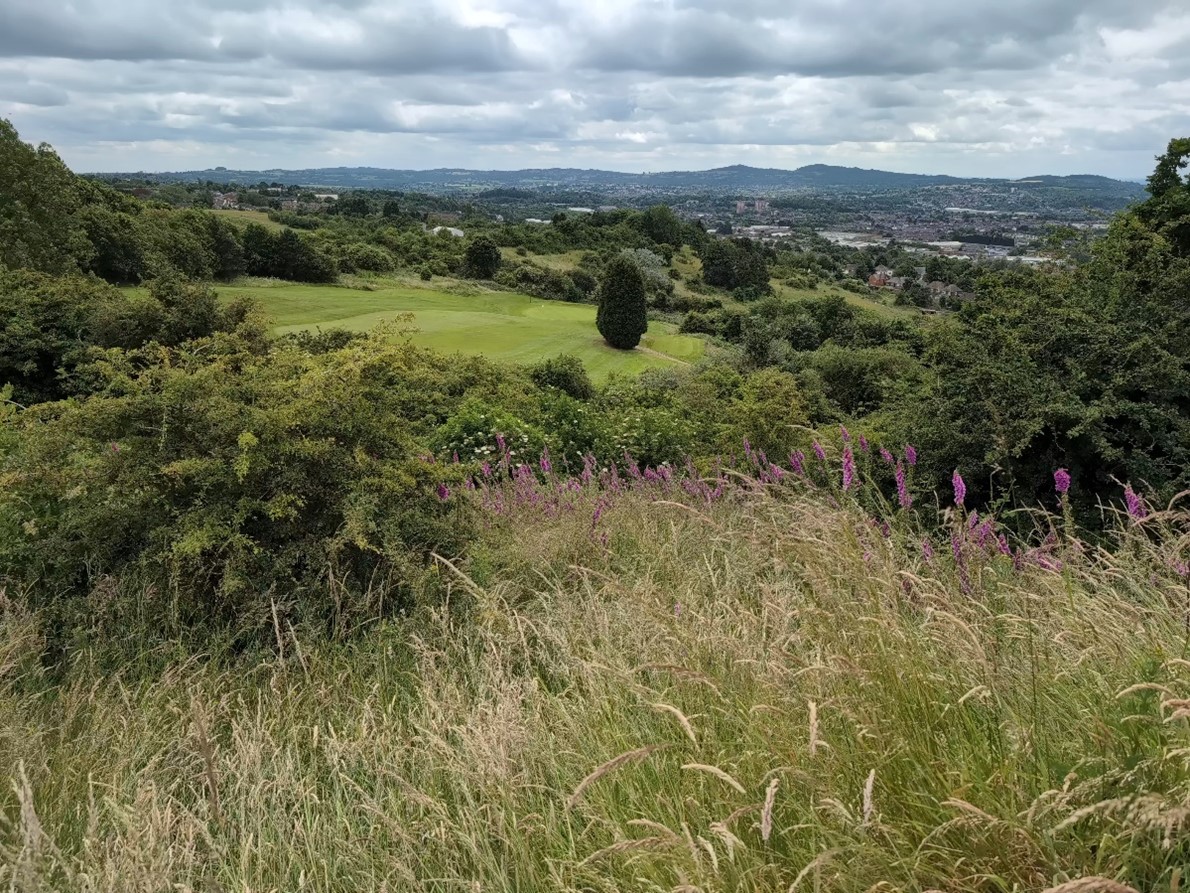
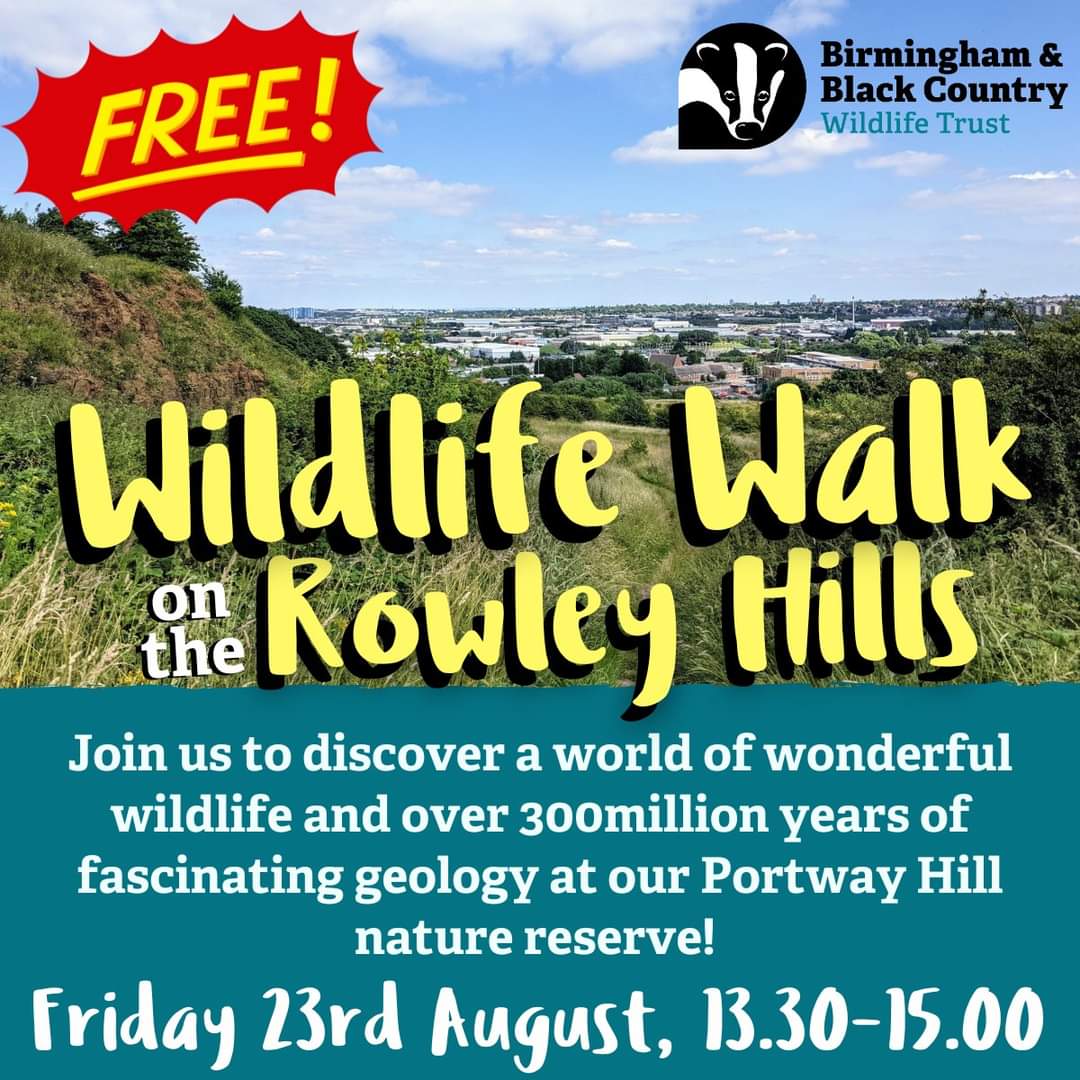
Join Birmingham and Black Country Wildlife Trust on Friday 23 August to discover wonderful wildlife and over 300million years of geological history on a walk across the Rowley Hills! There will be much to see and learn whilst enjoying some of the best views the Black Country has to offer! Book your free place now: bbcwildlife.org.uk/events/2024-08-23-wildlife-walk-rowley-hills
 Friends of Rowley Hills
An interesting newsletter and it is good to see rarer flowers being found. Sad that the bee orchid was chopped, this happens in Gloucestershire where I now live, too, sadly.
It would be good to see some pictures of Spheroidal Weathering and Columnar Jointing on the rock face referred to, as the geology of the rock has so profoundly affected the whole area. There are historic photographs of some of the rock formations but I have not seen anything more recent.
LikeLike