Tag Archives: West Midlands

Butterfly walk this Thursday!

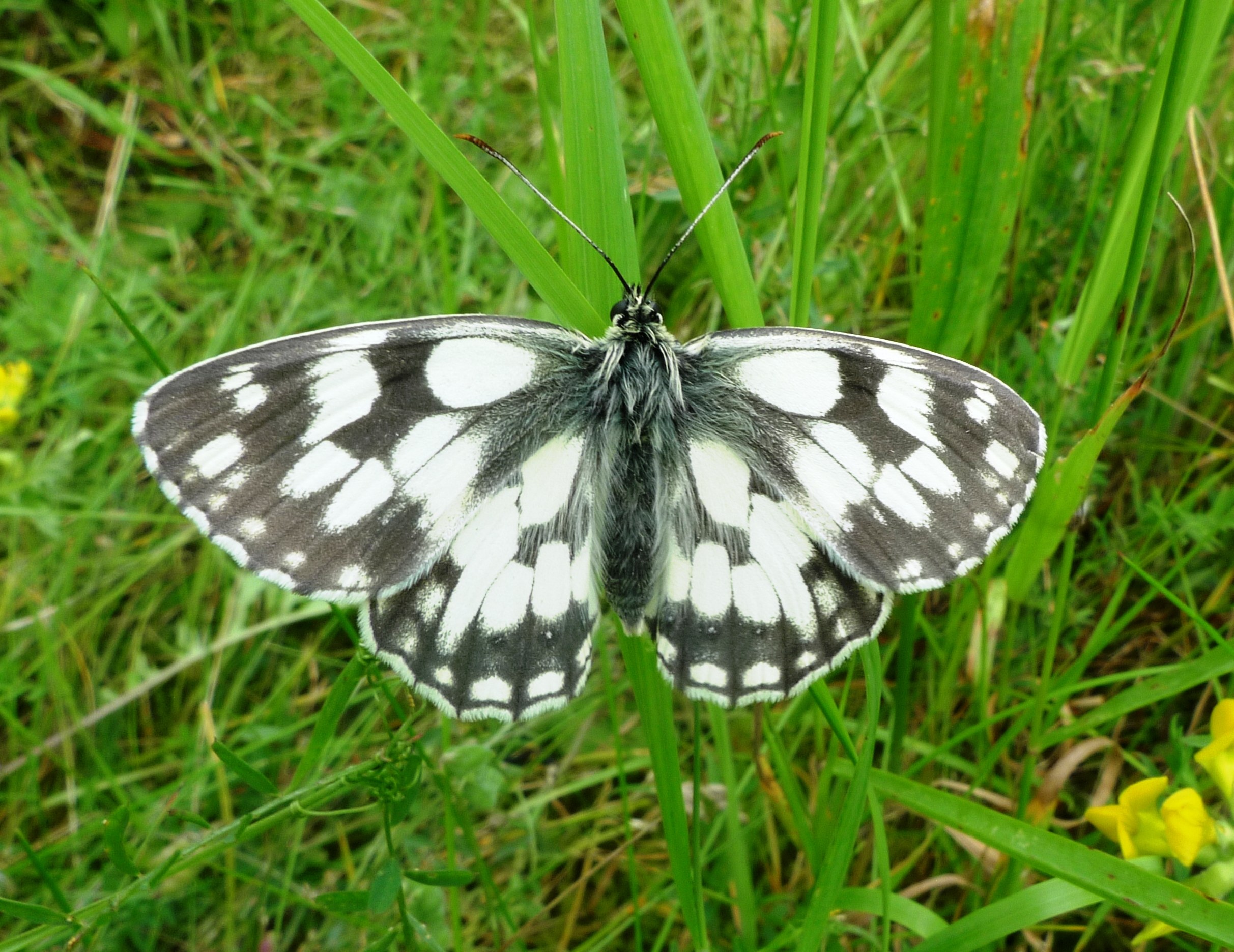
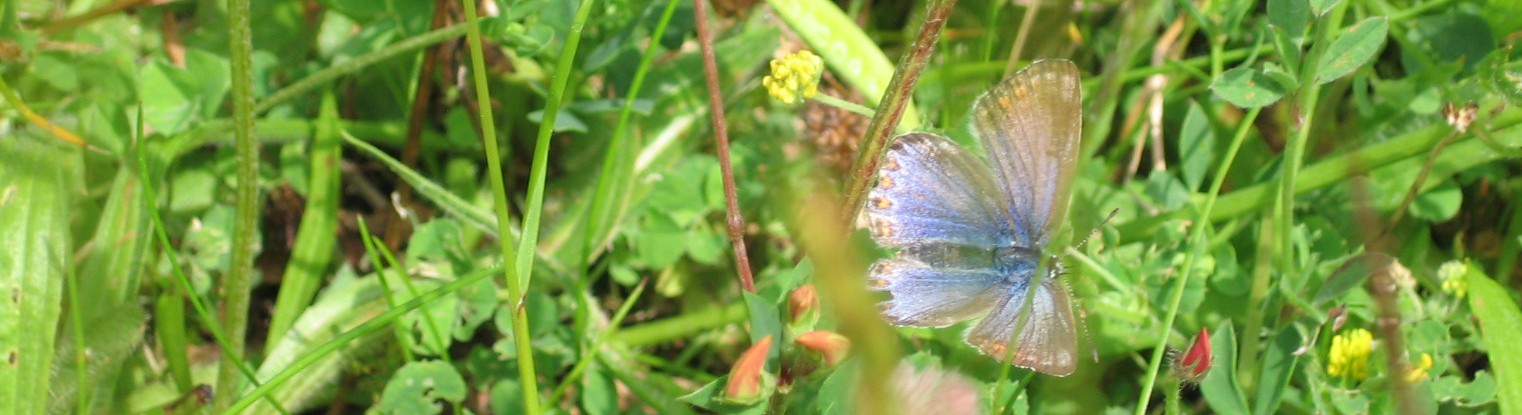
Marbled White butterfly (Melanargia galanthea) (image © Mike Poulton)Just a quick reminder that we have an exciting event on this Thursday (23rd June), 11:00am – 1:00pm; in partnership with Butterfly Conservation, our Vice Chair Mike Poulton will be leading a guided butterfly walk around Portway Hill, following a route Mike wrote for the the recently published ‘Butterflies of the West Midlands‘ book. Copies of this excellent book will also be available to buy at the event. This is a peak time for butterfly activity and as long as the weather is good we should see significant numbers of different species. Walking boots are recommended and binoculars would also be useful. Meet on the roadside near the Total garage on Wolverhampton Road, just below the Brewers Fayre/KFC at the entrance to the Portway Hill site (see map below).

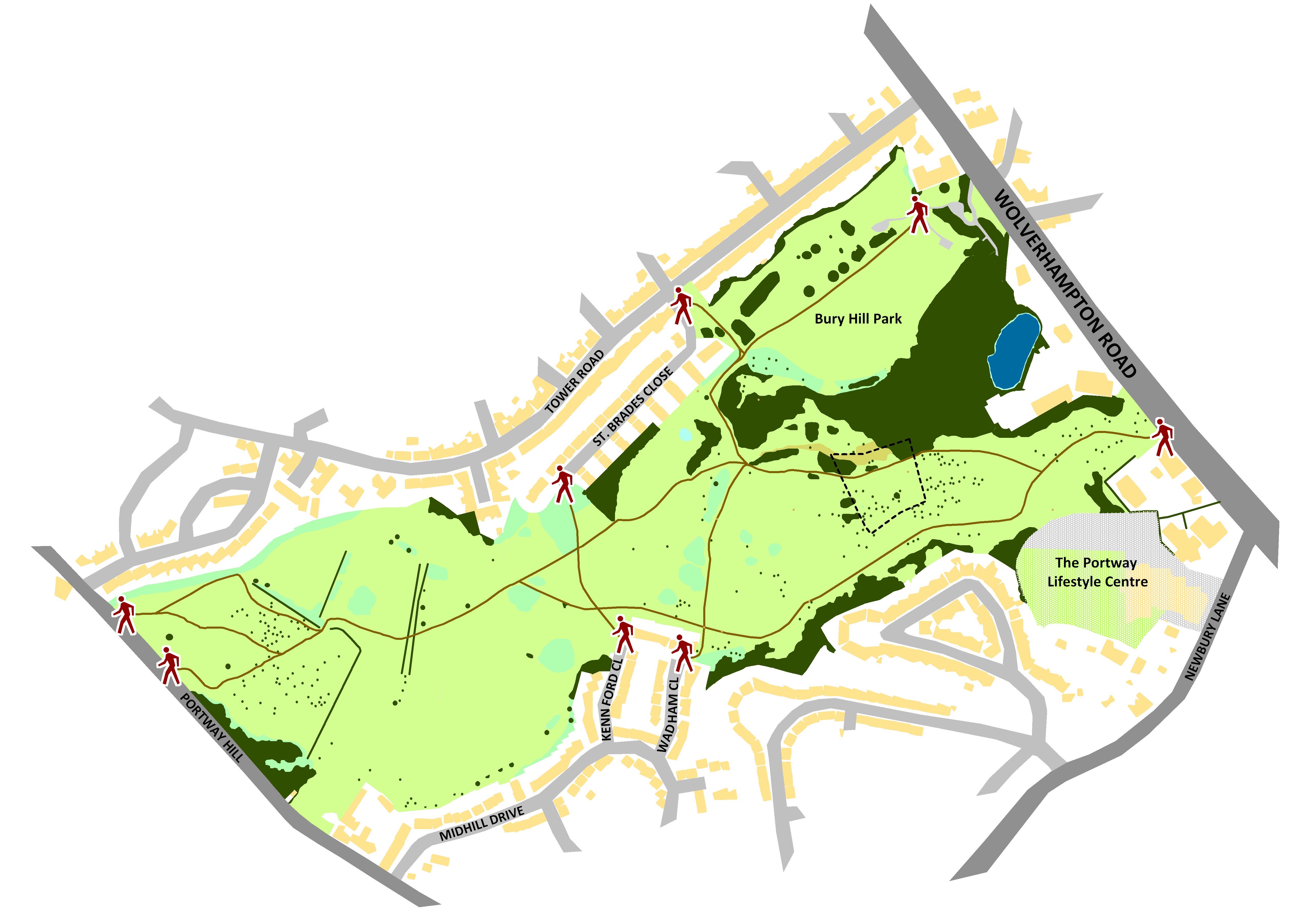
Rowley Hills map showing paths and access points

Save

Geoconservation on Portway Hill

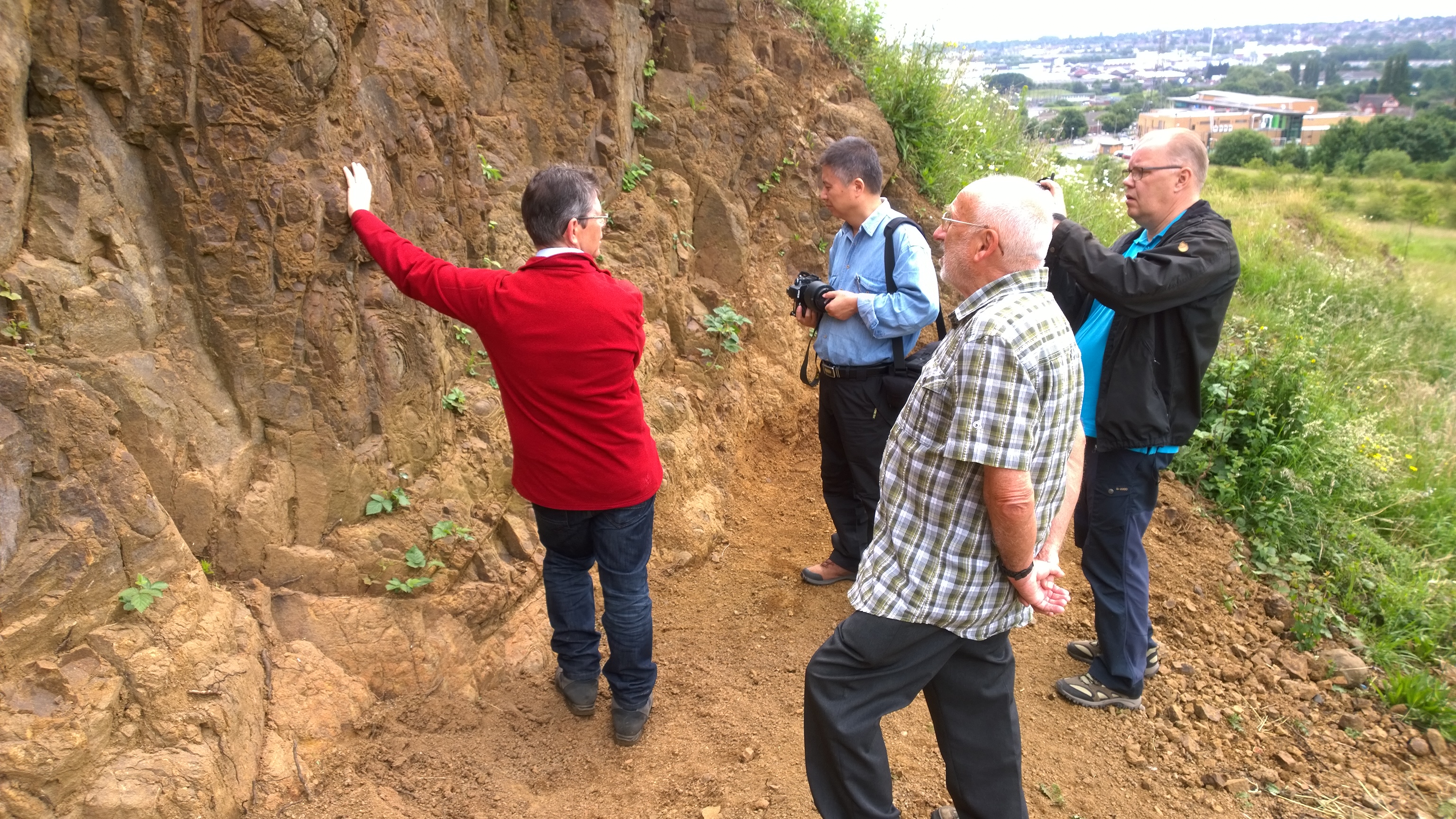
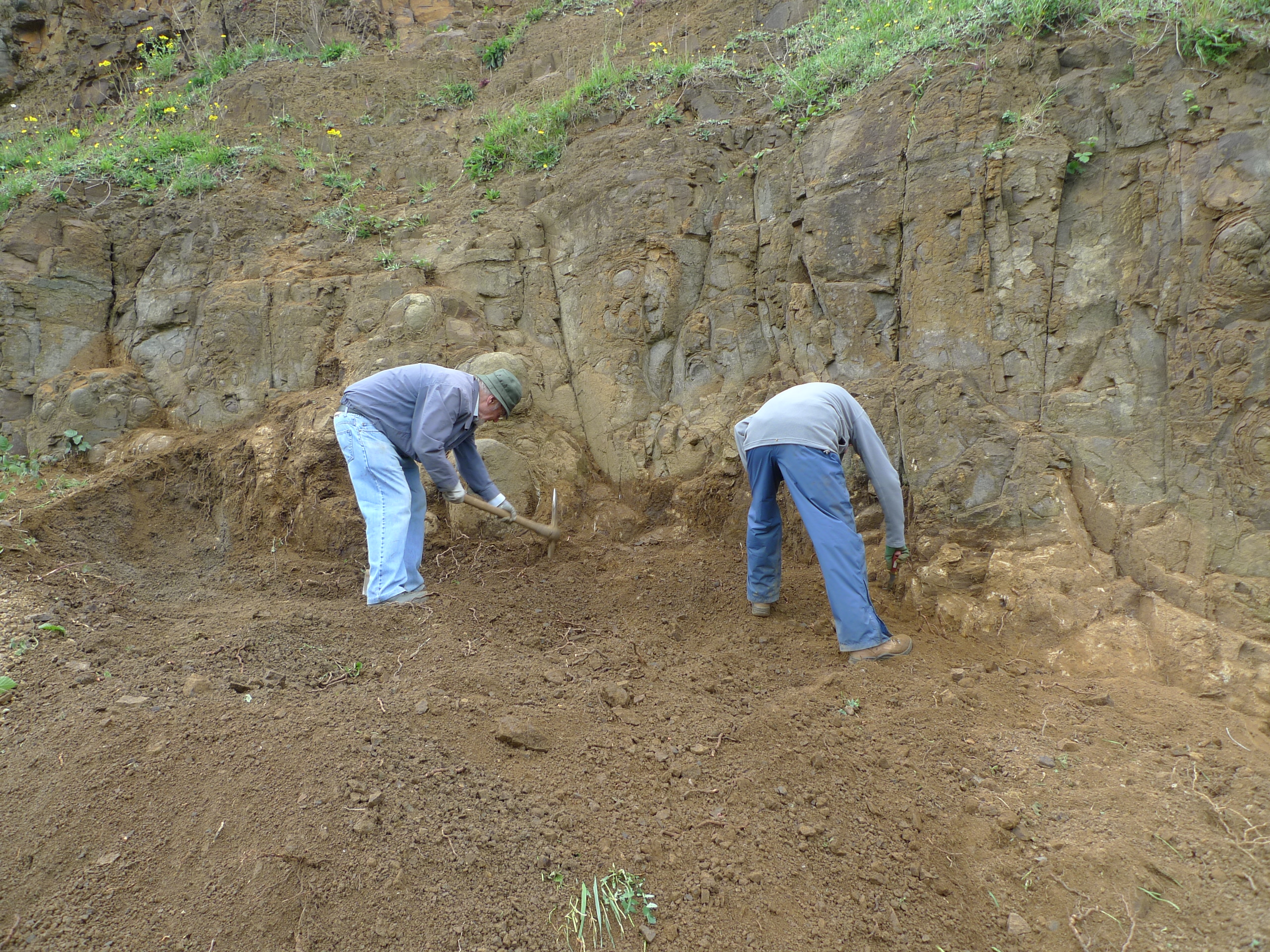
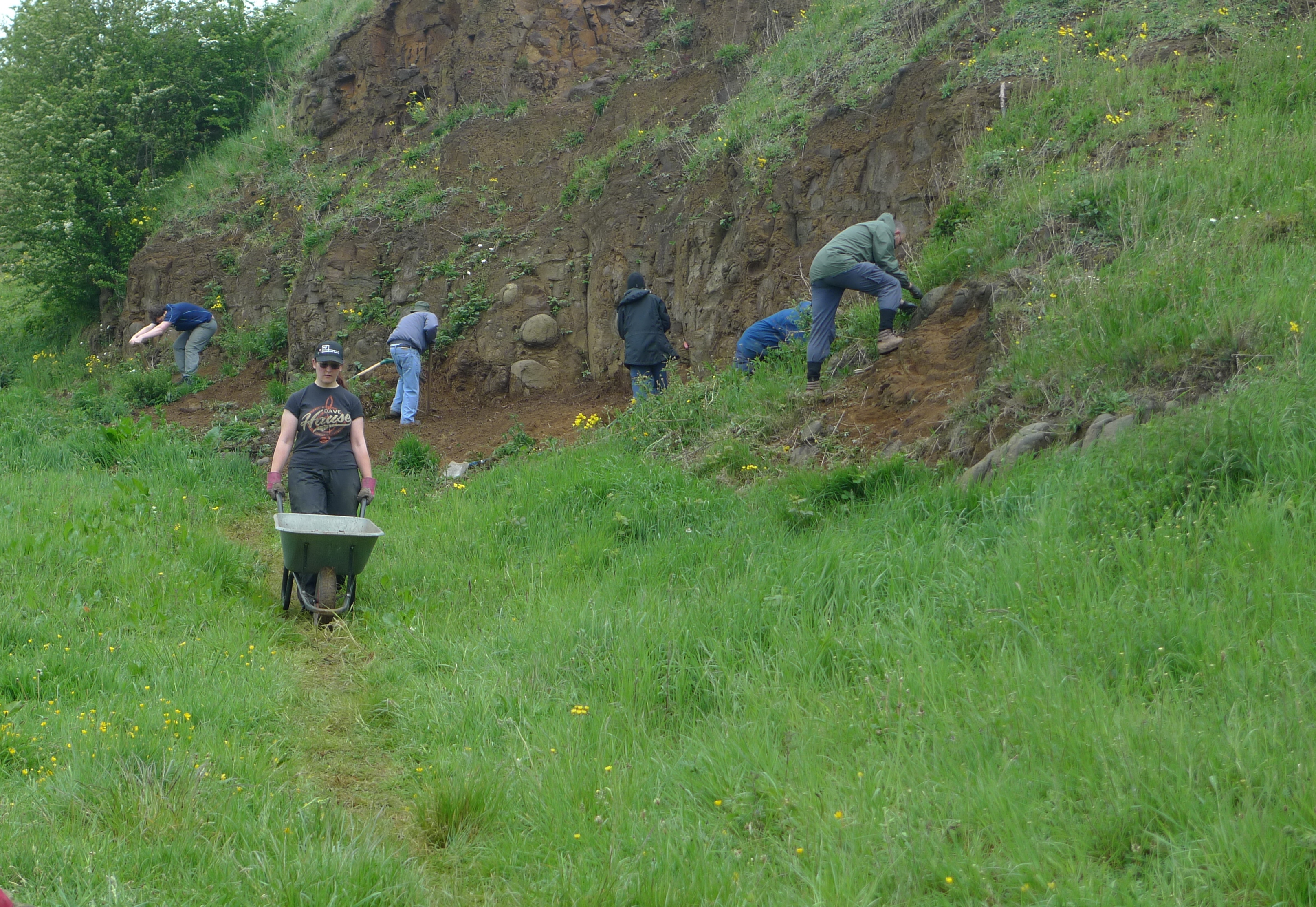
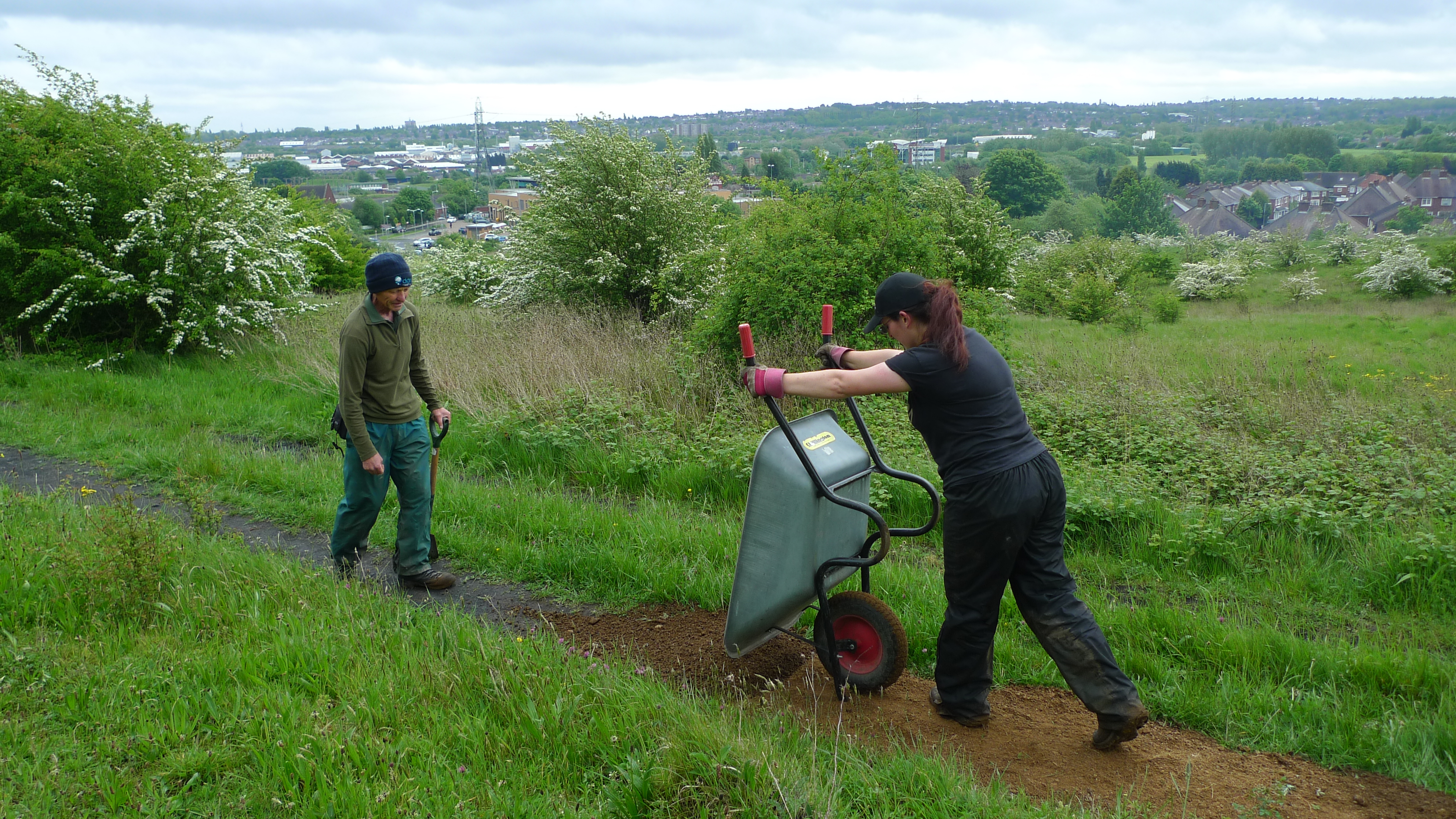
It’s exciting times here on the Rowley Hills at the moment. On Saturday the Black Country Geological Society held their Geoconservation Day on Portway Hill and were joined by representatives from the Wildlife Trust and Friends of Rowley Hills. The part of the old Blue Rock Quarry site now owned by the Wildlife Trust has superb examples of vertical columnar jointing and spheroidal weathering and the day was spent clearing Brambles and other vegetation from the basalt exposures and consolidating the Public Right of Way that runs through the site.

Later this summer as part of the process for the Black Country’s bid to become a UNESCO Global Geopark, assessors from China and Finland will be conducting an evaluation mission and visiting Portway Hill Quarry along with other Black Country geological sites such as Wren’s Nest National Nature Reserve and Saltwell’s Nature Reserve.

A further Geoconservation day is to be arranged on the Portway Hill site prior to their visit. We’ll keep you posted when this is to take place.

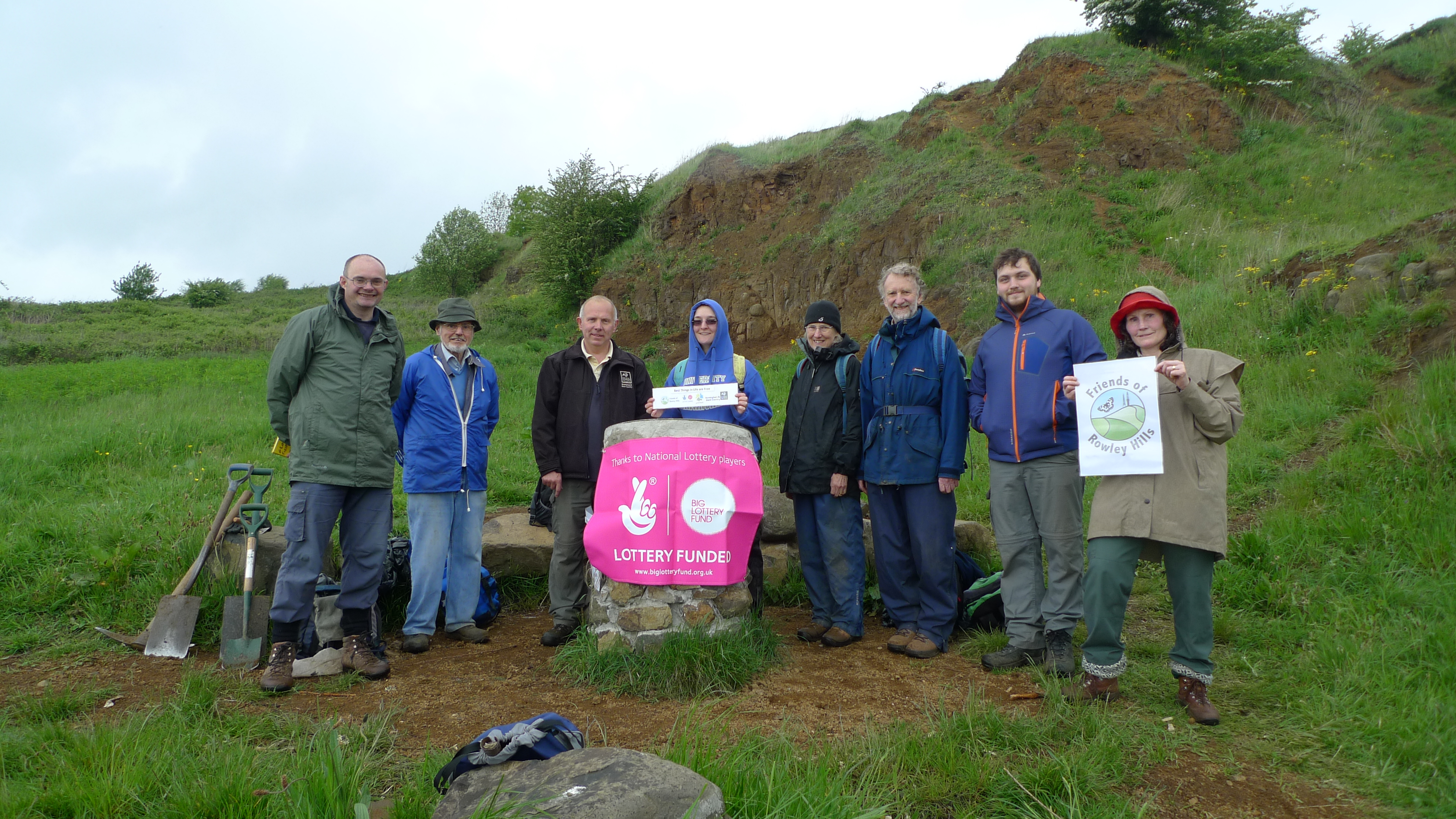
Black Country Geoconservation Day (image © Mike Poulton)

Black Country Geoconservation Day (image © Mike Poulton)
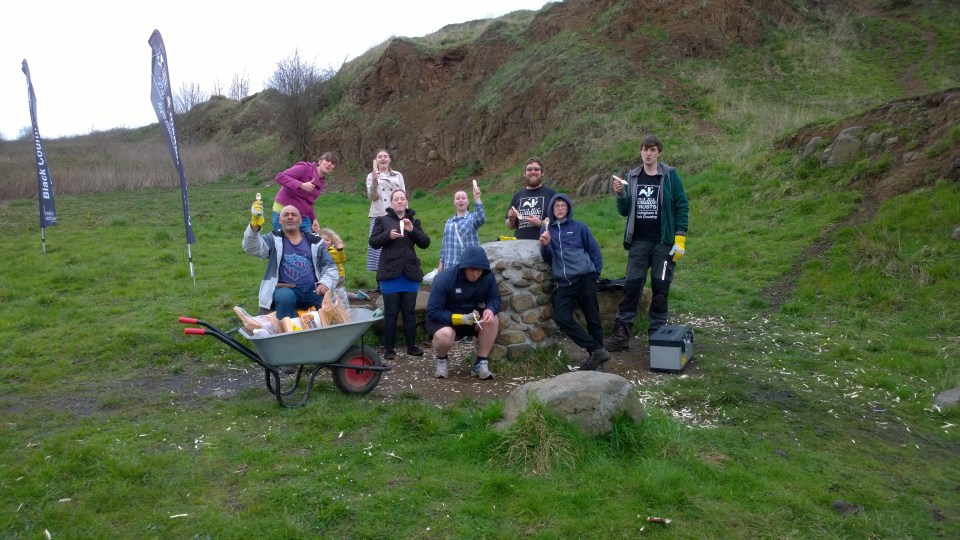
Black Country Geoconservation Day (image © Mike Poulton)
Black Country Geoconservation Day (image © Mike Poulton)
Friends of Rowley Hills AGM, 4th June

FORH logoOur Annual General Meeting will be held on Saturday 4th June at 2:00pm at Oakham Library. All members are welcome to attend! The AGM takes place straight after the Sandnats walk on the Rowley Hills at 10:30am on the same day so we hope some of you will be able to make it to both. Full details of this walk can be found on our Events page.

The AGM agenda will be as follows:

  • Election of Officers
  • Election of Committee
  • Annual Report
  • Financial Report
  • AOB

The full venue details are Oakham Library, Poplar Rise, Tividale, Oldbury, West Midlands, B69 1RD; telephone 01384 255 563.

Forthcoming events

Portway Hill (image © Jane Tavener)We’ve got loads of great events in the calendar over the next few months and we hope to see you at a few of them. The next one is a litter pick on Portway Hill tomorrow, and hopefully the weather forecast will hold for that! If you’re planning to come to any of our conservation volunteer days, please fill in your name and tick the dates you are coming to in this Doodle poll. There’s no limit to the number of people who can attend, it just gives us an idea of how many to expect!

  • Conservation volunteer day, Portway Hill, Saturday 7th May 2016, 10:00am – 3:00pm. Join the Wildlife Trust for Birmingham & the Black Country for a fun day out meeting new people, helping the environment and learning new skills. We will be conducting a litter pick along Portway Hill. Meet at Kennford Close.
  • Conservation volunteer day, Portway Hill, Saturday 14th May 2016, 10:00am – 3:00pm. Join the Wildlife Trust for Birmingham & the Black Country for a fun day out meeting new people, helping the environment and learning new skills. We will be improving access onsite by installing a crushed dolerite path through the Wildlife Trust-owned section of the site. Meet at St. Brades Close.
  • Conservation volunteer day, Thursday 19th May 2016 – venue TBC.
  • Geoconservation day, Portway Hill, Saturday 21st May 2016, 10:30. The Black Country Geological Society will be carrying out conservation work on Portway Hill to ensure the Rowley Rag rock exposures are not overgrown by brambles. Check their website for more information. No need to book.
  • Butterflies and Flora on the Rowley Hills – guided walk, Saturday 4th June 2016, 10:30am. This is a joint meeting with Sandwell Valley Naturalists Club (Sandnats); Mike Bloxham and Mike Poulton will be leading a guided walk at a peak time in the season for wildflower displays and insect life on the Rowley Hills. Walking boots are recommended and binoculars would also be useful. Meet on the roadside near the Total garage on Wolverhampton Road, just below the Brewers Fayre/KFC at the entrance to the Portway Hill site (see map below).
  • Butterfly walk, Portway Hill, Thursday 23rd June 2016, 11:00am – 1:00pm. In partnership with Butterfly Conservation, our Vice Chair Mike Poulton will be leading a guided walk around Portway Hill, following a route Mike wrote for the the soon-to-be published ‘Butterflies of the West Midlands‘ book. This is a peak time for butterfly activity and as long as the weather is good we should see significant numbers of different species. Walking boots are recommended and binoculars would also be useful. Meet on the roadside near the Total garage on Wolverhampton Road, just below the Brewers Fayre/KFC at the entrance to the Portway Hill site (see map below).
Rowley Hills map showing paths and access points

Rowley Hills map showing paths and access points

Rowley Hills dawn chorus walk report

On Saturday we held our first dawn chorus walk on the Rowley Hills, led by local expert Nick Horton. Ten attendees met at 6:30am at the cairn on Portway Hill in perfect weather conditions – sunny, mild and still. We headed across Portway Hill, past the farm and over to Turners Hill before checking out the golf course, then heading back the way we came. In total we saw or heard 33 species.

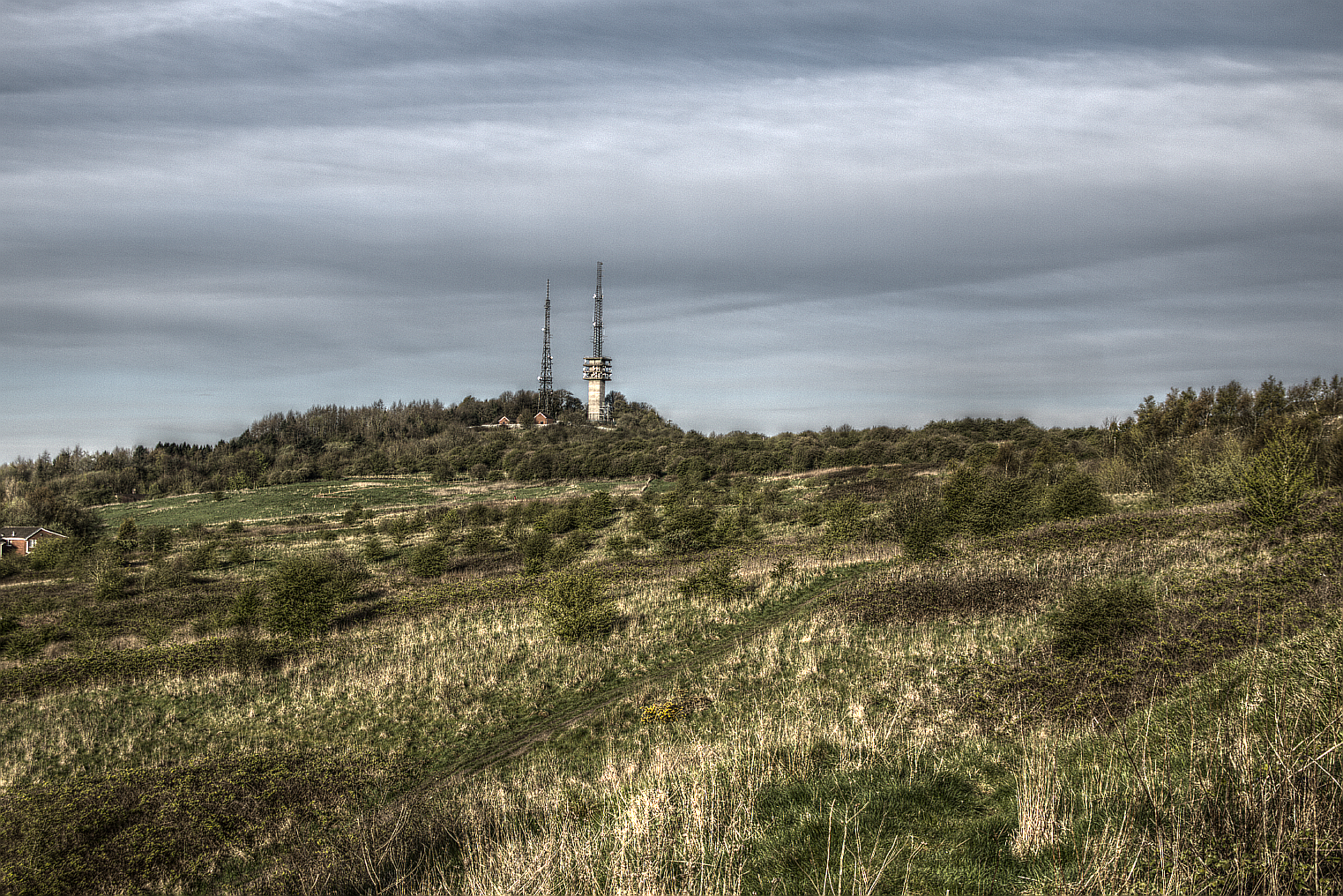
Portway Hill (image © Jane Tavener)

Portway Hill (image © Jane Tavener)

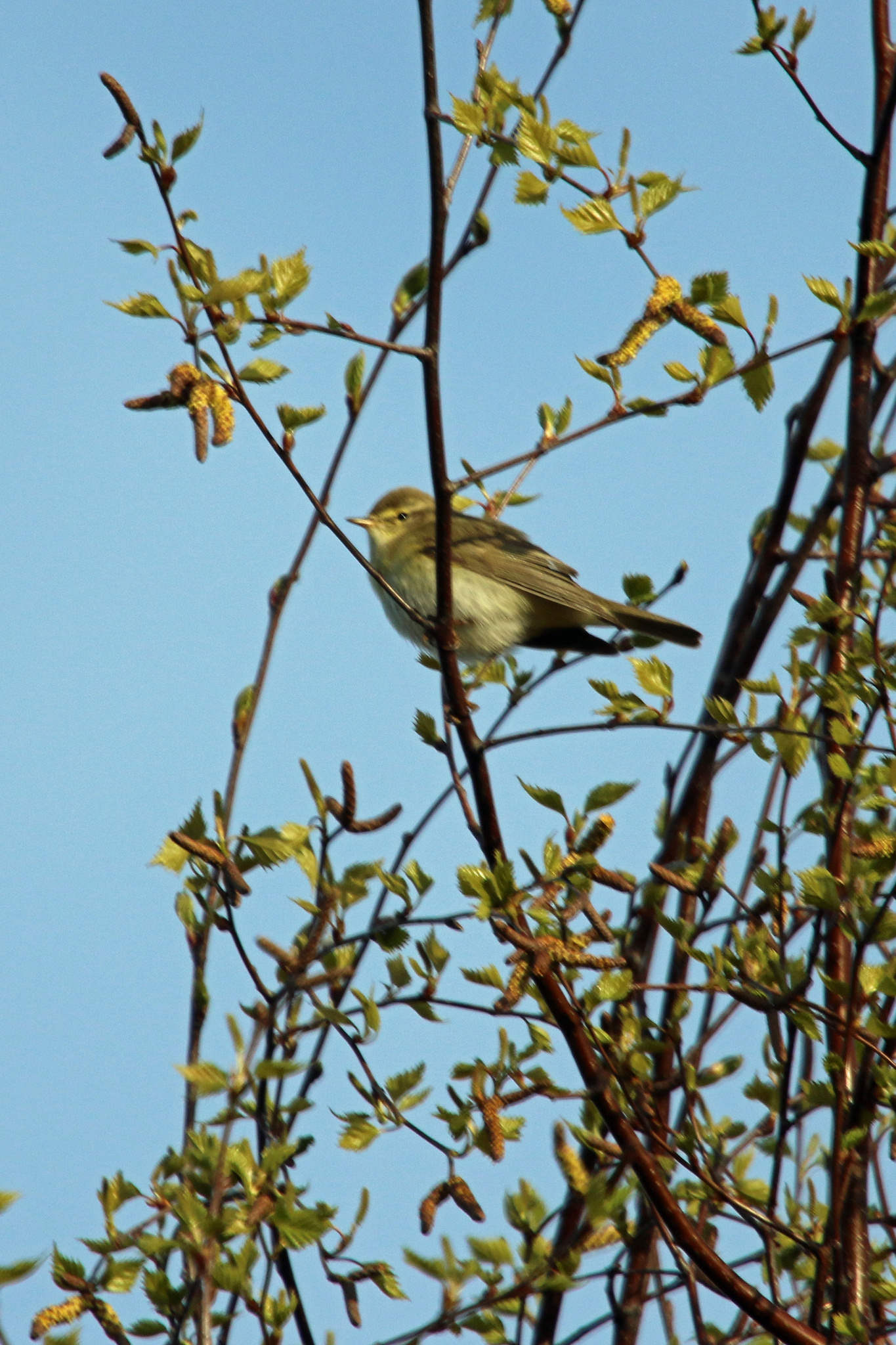
Willow Warbler (image © Andrew Cook)

Willow Warbler (image © Andrew Cook)

At this time of year, many migratory birds have recently arrived from Africa to breed in the UK and we saw good numbers of these. The bird we probably saw (and heard!) the most on our walk was Chiffchaff, a small warbler which generally spends the winter in north Africa and parts of the Mediterranean, although in some parts of Europe they can be seen all year round. A close relative of the Chiffchaff, the Willow Warbler, was also spotted several times on the walk; this species likes young woodland and we saw a few in the area between Bury Hill Park and the Wildlife Trust cairn on Portway Hill.

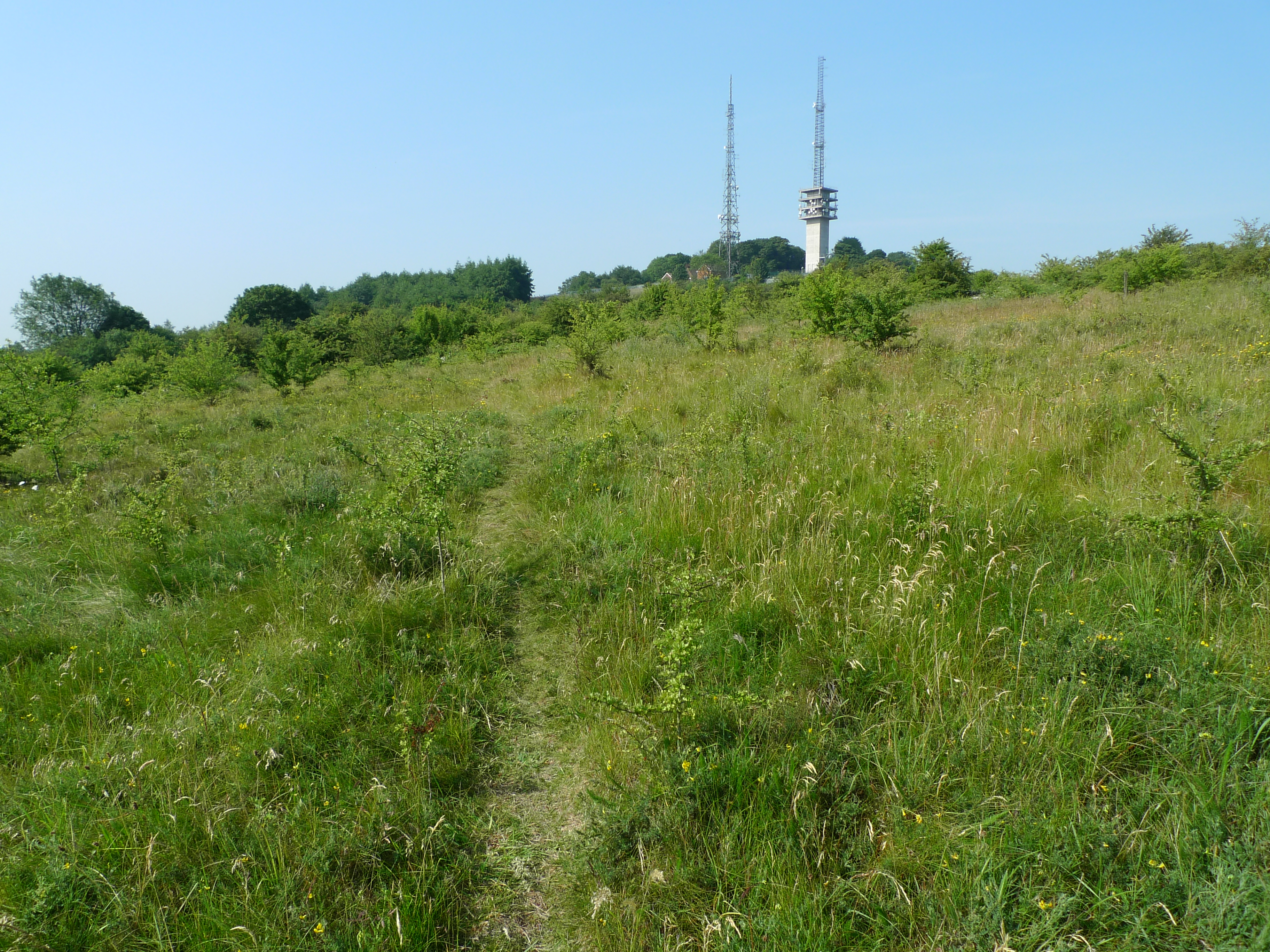
The masts on Turners Hill (image © Jane Tavener)

The masts on Turners Hill (image © Jane Tavener)

Two other closely-related warblers that we saw were Whitethroat and Lesser Whitethroat; Whitethroats in particular are very common on the Rowley Hills as they breed in low scrub and brambles, a common habitat here. Although we were hoping to see a few birds of prey, these were surprisingly difficult to find – up to four species can regularly be seen on the Rowley Hills (Kestrel, Sparrowhawk, Peregrine and Buzzard) but on this occasion we only saw Buzzard, and a brief glimpse of a Peregrine.

Turners Hill, as the highest point in the West Midlands, is a stop-off point for many bird species on migration, which take a brief break to rest and refuel before heading off again to their breeding grounds. Early in the morning before the golfers arrive some of these birds can also be seen on the golf course, and one of our best sightings of the walk was here – a Wheatear quietly resting next to a ditch. This is an attractive bird of mountains and moorland, related to robins and thrushes; probably the closest breeding site to the Rowley Hills would be the Clee Hills in Shropshire.

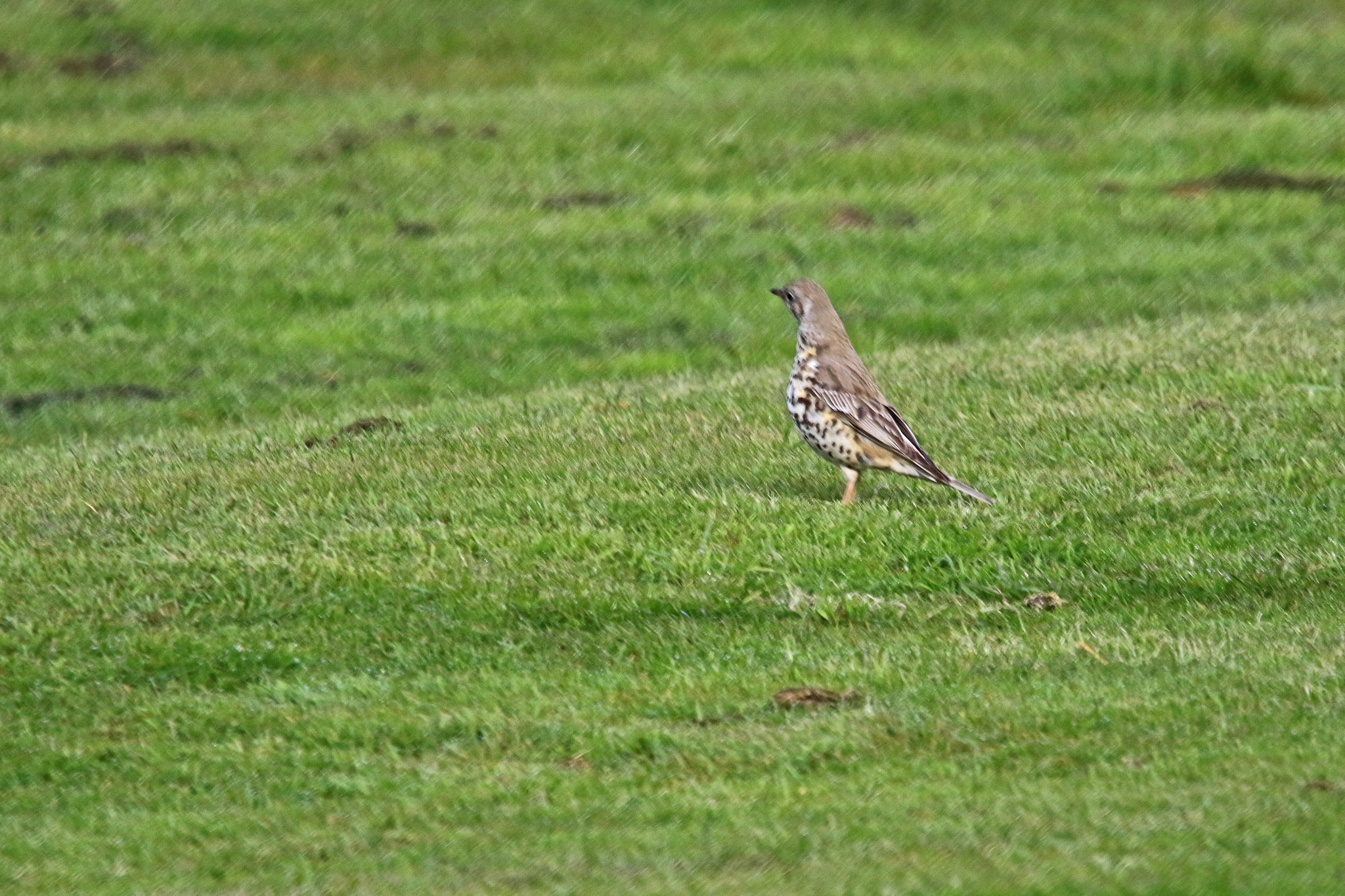
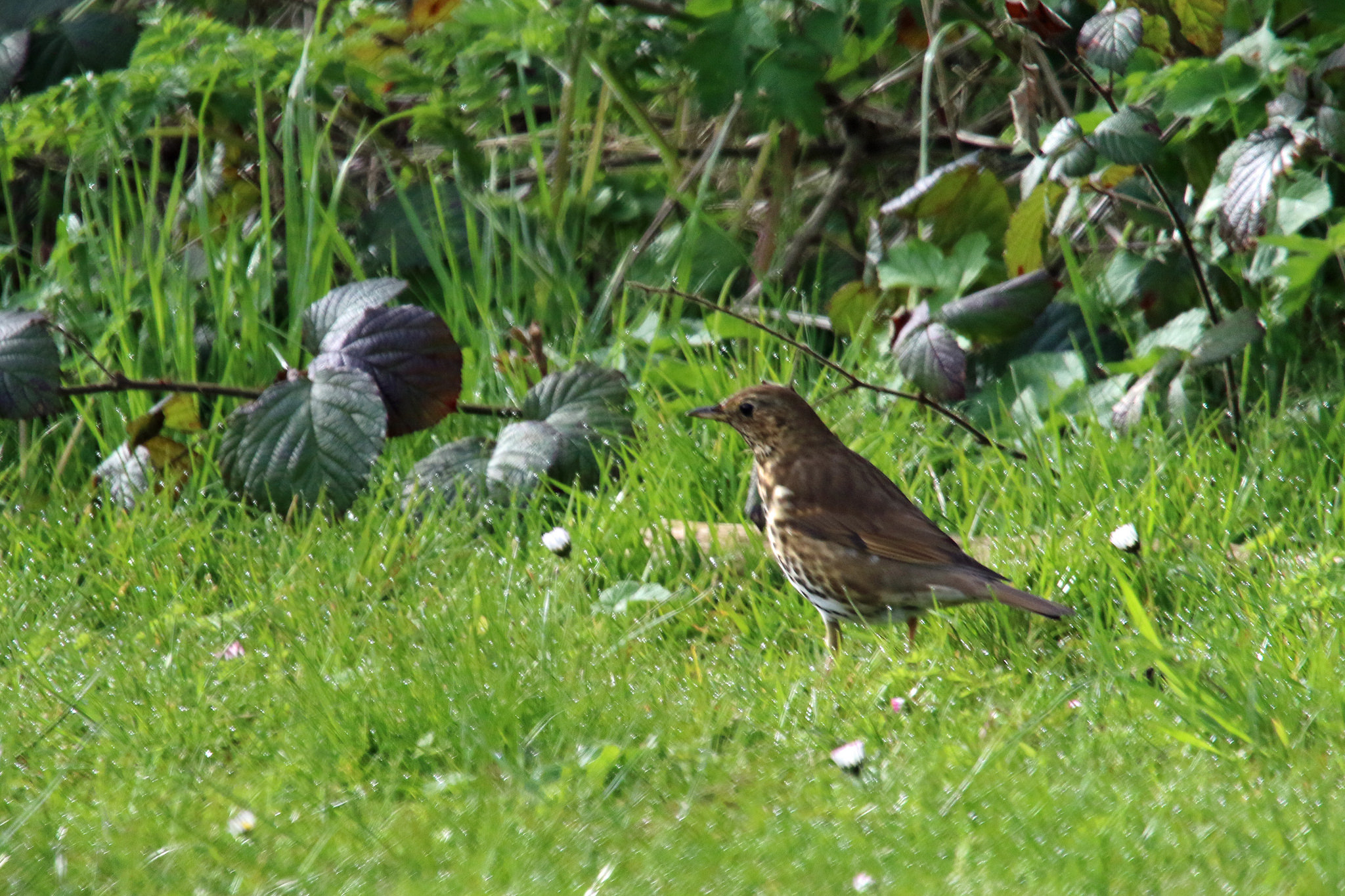
We also had lovely views of both Mistle Thrush and Song Thrush, and we all finished the walk feeling much more confident that we could now tell these two similar-looking species apart!

Mistle Thrush (image © Andrew Cook)

Mistle Thrush (image © Andrew Cook)

Song Thrush (image © Andrew Cook)

Song Thrush (image © Andrew Cook)


We hope to repeat this walk in October, to catch migrating birds heading south for the winter – but it will be a daytime rather than early morning event. Keep an eye on our Events page to find out when this will be happening!

Here’s the full list of birds we saw or heard:

Blackbird Linnet
Blue Tit Long-tailed Tit
Bullfinch Magpie
Buzzard Mallard
Carrion Crow Mistle Thrush
Chaffinch Peregrine
Chiffchaff Robin
Collared Dove Song Thrush
Dunnock Starling
Feral Pigeon Stock Dove
Goldfinch Swallow
Great Spotted Woodpecker Wheatear
Great Tit Whitethroat
Greenfinch Willow Warbler
House Sparrow Woodpigeon
Lesser Black-backed Gull Wren
Lesser Whitethroat

Swifts in my roof, a Birmingham bird story

Here is a guest blog post kindly written for us by John Davison of Selly Oak, who is a keen Swift enthusiast spreading the word about what we can do to encourage these acrobatic but sadly declining birds. Swifts will start arriving any day now after their long migration from Africa so now is the perfect time to start looking out for them in your area! For further information about Swift conservation please visit http://www.swift-conservation.org/.

I moved into my very ordinary semi in B29 a few years ago. The roof is plain clay tiles on timber batten on timber rafters. The rafters are supported on the top of the outer walls on a timber, the wall plate. The ends of the rafters can be seen from outside and this is because when built, air was intended to flow through the loft space. This circulating air dries the back of those tiles after heavy rain.

It was after I had moved in that I found that in the summer, visitors arrive. These visitors, birds, have travelled hundreds of miles. By chance, because my roof was as first built and not later stopped up with soffit boards, the visitors set up nest on my wall plate. The Swifts are rarely there as they are almost always on the wing; nests are for chicks.

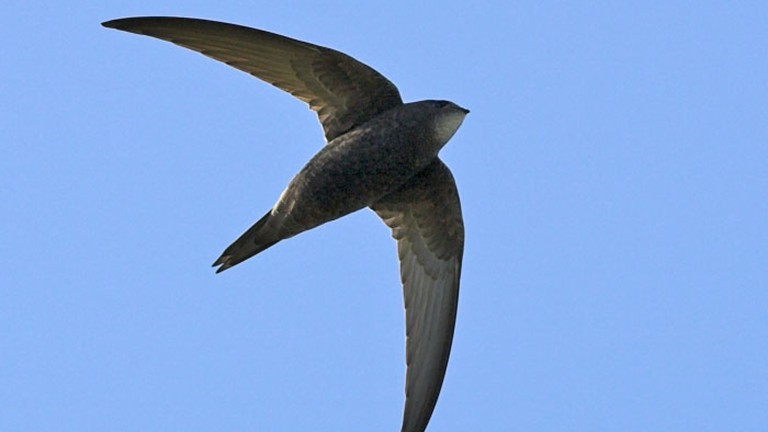
Swift - © Graham Catley

Swift © Graham Catley

You can see the Swifts, careering across the sky above a housing estate by Selly Oak Park, from May onwards. Perhaps you have Swifts in your area. They eat (only) insects, they stay airborne, and with their sometimes incredibly fast flight, are sometimes mistaken for swallows. Their acrobatic stunts are called ‘low-level screaming parties’.

Sadly what I have noticed is that the numbers are declining. This is also documented: Common Swifts (Apus apus) are declining in the UK and are an amber listed species of conservation concern. The RSPB asks the public each year to enter their sightings of Swifts into their survey form at http://www.rspb.org.uk/helpswifts. One aim is to protect existing nest sites when people are refurbishing their homes; another is to provide new nest sites in new developments in areas where Swifts are already present.

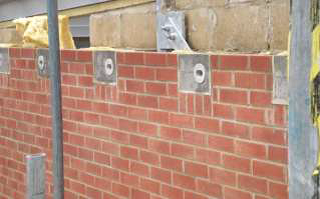
This issue, the new nest sites, is crucial. Housebuilding in the UK collapsed during the years 1990 to 2012. Very few new homes were built for people, let alone ones with places for Swifts to nest in. The situation is changing. The government estimates that 1.4-1.8 million more households will need accommodation by 2020. A building boom will be necessary to provide for them all. From the point of view of saving declining Swift populations, the problem is that new buildings are useless for Swifts. However, new housing projects can include Swift nest places if we ask for them. If the roof form of a new building does not suit, commercially-available Swift nest bricks can be incorporated. This can happen if more of us become Swift enthusiasts, and make it happen.

Birmingham and the Black Country, with its bodies of water, has plenty of insects for Swifts to eat. So too has Cambridge, the heartland of the Action for Swifts group, where more than fifty Swift projects have been carried out in commercial and private buildings, schools and church towers. In one case, a thriving colony of Swifts in old houses was saved as the old houses were demolished and new ones erected by phasing the project over three seasons and by building Swift nest accommodation into the new buildings. Over 200 nests were built into the new houses, and so far 44 breeding pairs have been recorded in them.

Building for Swifts © swift-conservation.org

Building for Swifts © swift-conservation.org

I want to see more Swifts in Selly Oak, and I am discussing with some neighbours (who have blocked up their eaves) the installation of Swift boxes. I ordered boxes from http://www.swift-conservation.org and I will then need access to a ladder to install them.

You too could host Swifts and play a part in stopping their decline. What we do want is a Rowley Hills Swift group!

It is a privilege and a joy to share a summers day with these amazing birds.

John Davison

More Awards for All successes!

Our recent Lottery-funded AFA (Awards for All) events have been a great success! Here’s a summary of what we’ve been up to:

On Thursday 7th April our AFA event involved planting 470 native Bluebells and 50 wild Daffodils in the woodland we have previously been working on at View Point. We also spread 250g of Red Campion seed throughout this block. In the westerly block with the path running through the middle we sowed 50g of Red Campion seed and planted about 30 native Bluebells ad hoc. We also spread 50g of Red Campion seed in the most easterly central woodland plantation block.

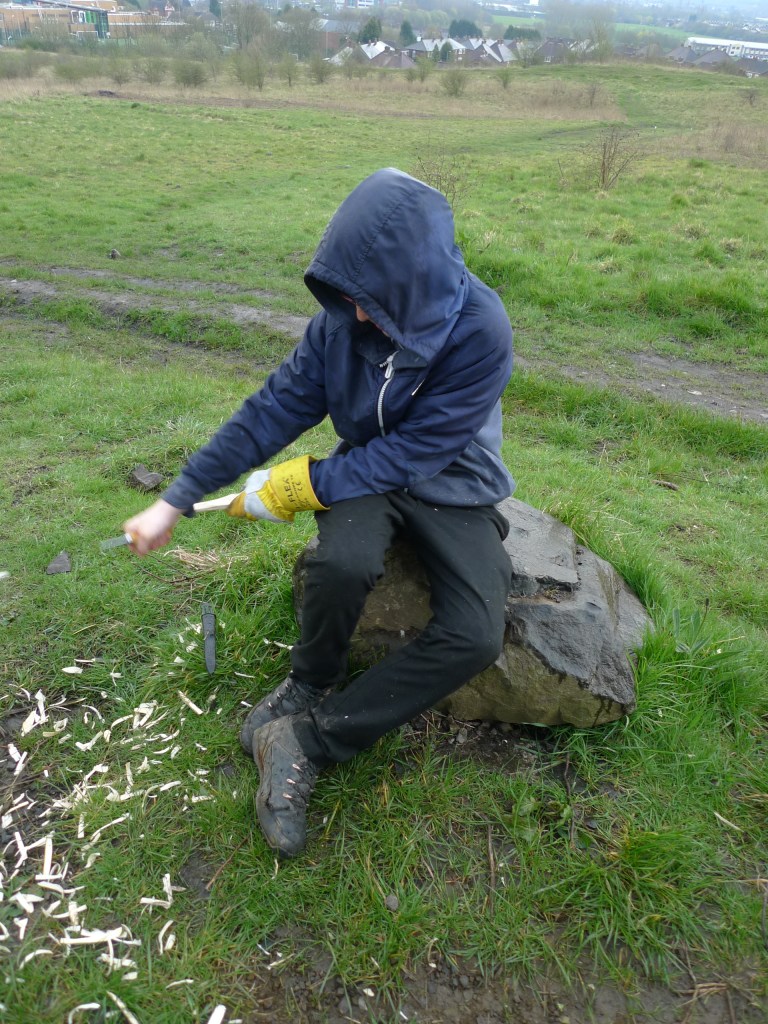
On the afternoon/evening of Thursday 14th April Tom and Doug from the Wildlife Trust organised a Spoon Carving event for local youth group “U-Choose Youth Project” on the Wildlife Trust site on Portway Hill. After a short guided tour of the site each of the group were given a block of wood to carve and instruction on the safe use of the carving knives. The group then set about carving their own wooden spoons. We received great feedback from their youth group leader David King who said “a really good day today on the hill….the kids loved it….we are definitely going to visit again….keep us posted with future things”.

On Saturday 16th April we had another event on View Point Open Space where 25 Hazel and 25 Field Maple were planted into the woodland block thinned previously, and Foxglove seed was sown mainly around the edge. We also spread Foxglove seeds around the path in the westerly block.  1kg of Yellow Rattle was scattered on the meadow block directly downhill from the thinned woodland. In addition a litter-pick was carried out and 2 bags of rubbish removed from site.

Beacon to be lit on the Rowley Hills to celebrate the Queen’s 90th birthday

The Rowley Hills (image © Mike Poulton)Tomorrow evening Sandwell will join hundreds of communities up and down the country when it lights a special beacon to celebrate the Queen’s 90th birthday.

People will be able to see the beacon from miles around when it is lit at 8.30pm on Thursday 21 April. Sandwell Mayor Councillor Barbara Price will officially light the borough’s beacon on the Rowley Hills, near East Avenue. The best view of the beacon will be from the Oldbury area (the actual site where the beacon is lit is not suitable for spectators).

The Queen, accompanied by the Duke of Edinburgh, the Prince of Wales and the Duchess of Cornwall will light the principal beacon at Windsor Castle. It will be followed by the lighting of more than 1,000 beacons throughout the United Kingdom, Channel Islands, Isle of Man, UK overseas Territories and Commonwealth to celebrate the Queen’s landmark birthday.

The Army Cadet Force is taking special gas-fuelled beacons to the top of the four highest peaks in the UK, other beacons include Unst in the Shetland Islands, the most northerly beacon in Great Britain, and four beacons in the Virgin islands.

Beacons have previously been lit for:

  • The Queen’s Silver Jubilee – 1977
  • 50th Anniversary of VE Day – 1995
  • Beacons for the Millennium – 1999
  • The Queen’s Golden Jubilee – 2002
  • The Trafalgar Weekend Beacons – 2005
  • The Queen’s Diamond Jubilee – 2012
  • 75th Anniversary of VE Day – 2015

Welcome to new members, and upcoming events

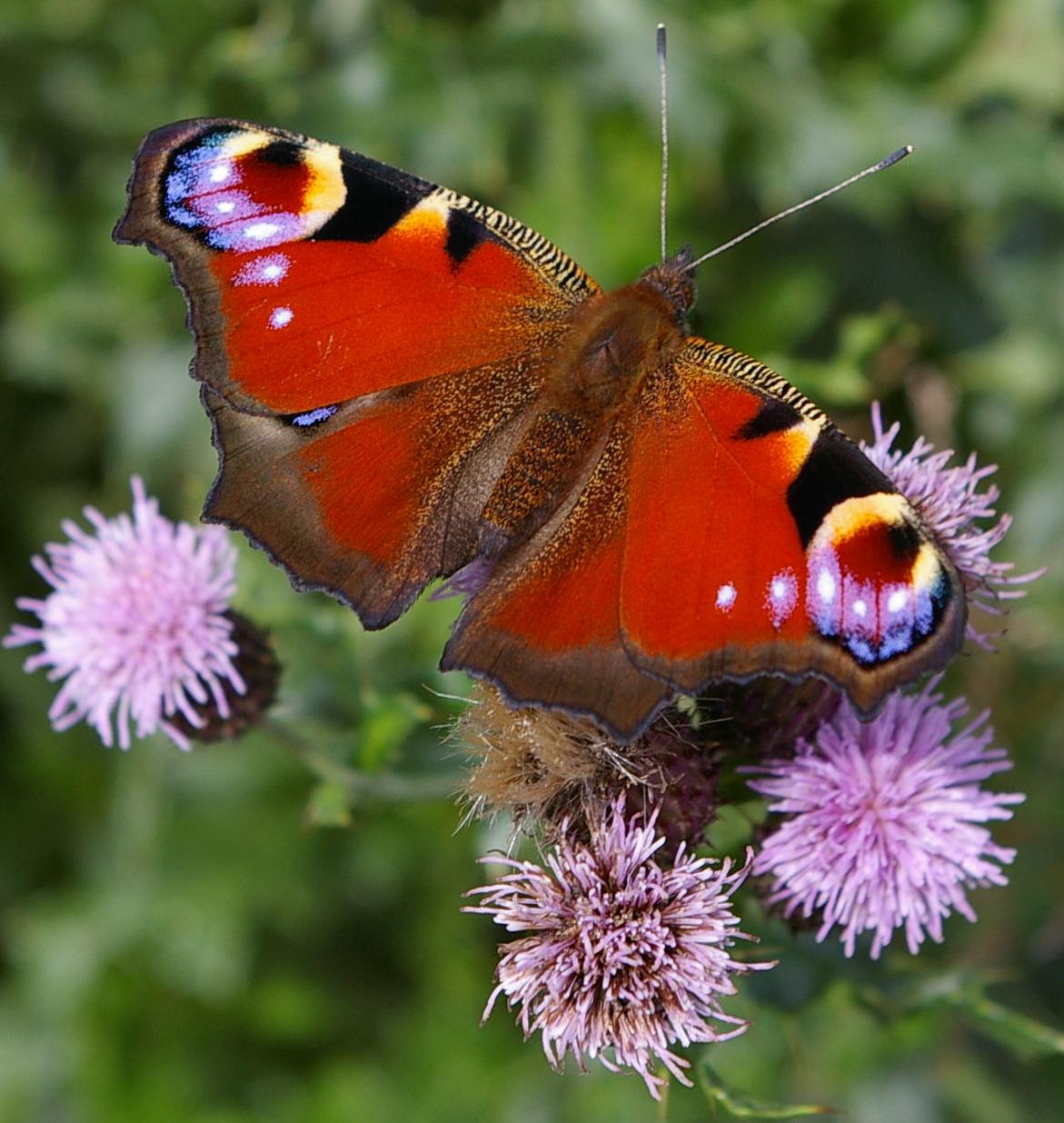
Peacock butterfly (Inachis io) (image ©Mike Poulton)We’ve just about finished updating our membership system and would like to say a big WELCOME to all our new members! If you applied for membership in the past few months, we apologise that there has been a delay in processing your membership, but you should now start to receive email updates from us.

We have quite a few events happening this month and we hope you’ll be able to make it to a few:

  • Conservation volunteer day, View Point Open Space, Saturday 16th April 2016, 10:00am – 3:00pm. Join the Wildlife Trust for Birmingham & the Black Country for a fun day out meeting new people, helping the environment and learning new skills. We will be working to enhance the woodland plantations on site by clearing brambles, crown lifting the trees and under planting with native tree whips and woodland ground flora. Meet at the entrance to the site at the northern end of View Point; as there are very few parking spaces nearby we recommended that anyone coming by car should park out of View Point and walk to the meeting place. No need to book, just turn up!
  • Clean for the Queen, Massey’s Bank, East Avenue, Tividale, Saturday 23rd April, 10:00am – 1:00pm. Clean for The Queen is a campaign to clear up Britain in time for Her Majesty the Queen’s 90th birthday, which will be officially celebrated in June 2016. Join us for a litter pick to get Massey’s Bank looking spick and span! Click here for more information about the Clean for the Queen campaign; you can also contact Shane Allen for more information about this particular event on 07718 193629 or bigspringclean.sandwell@serco.com.
  • Conservation volunteer day, View Point Open Space, Sunday 24th April 2016, 10:00am – 3:00pm. Join the Wildlife Trust for Birmingham & the Black Country for a fun day out meeting new people, helping the environment and learning new skills. We will be working to enhance the woodland plantations on site by clearing brambles, crown lifting the trees and under planting with native tree whips and woodland ground flora. Meet at the entrance to the site at the northern end of View Point; as there are very few parking spaces nearby we recommended that anyone coming by car should park out of View Point and walk to the meeting place. No need to book, just turn up!
  • Dawn Chorus Event, Portway Hill, Saturday 30th April 2016, 6:30am. Join local bird expert Nick Horton who will be leading a dawn chorus walk, looking out in particular for the Rowley Hills’ resident raptors – Buzzard, Kestrel, Sparrowhawk and Peregrine, as well as many other species of interest. Be sure to dress sensibly (early mornings can be cold!) and bring binoculars if you have them. Meet at the cairn on the Wildlife Trust site on Portway Hill. No need to book.

Awards for All Easter success!

The Wildlife Trust put on two very successful AFA (Awards for All) Lottery-funded events for us over the Easter week. On Wednesday Natalie Bellfield had a very good turn out for her Mothers and Toddlers walk from Oakham Library up onto View Point Open Space, where the children participated in a treasure hunt and various activities that the Wildlife Trust had set up. Afterwards, we continued our walk along the highest point of the site, admiring excellent views across to Cannock and Barr Beacon and beyond on what was turning into a sunny and pleasantly warm, early-spring day. Back at the library the children did some colouring, and prior to leaving, were all given Easter eggs. This was an excellent day that brought together the library, Wildlife Trust, Friends of Rowley Hills and many local people.

View Point Open Space AFA event 30th March 2016 (image © Mike Poulton)
View Point Open Space AFA event 30th March 2016 (image © Mike Poulton)

View Point Open Space AFA event 30th March 2016 (image © Mike Poulton)

View Point Open Space AFA event 30th March 2016 (image © Mike Poulton)

View Point Open Space AFA event 30th March 2016 (image © Mike Poulton)

View Point Open Space AFA event 30th March 2016 (image © Mike Poulton)


On Thursday the weather was even better for our AFA event in Bury Hill Park.The spring sunshine was a bonus and we even saw an occasional Small Tortoiseshell butterfly on the wing. Throughout the day a steady stream of people visited our stall and at mid-day some of the attendees joined Mike for a circular walk around Portway Hill Open Space, taking in the Wildlife Trust cairn and geological exposure, before heading towards Wolverhampton Road and back into Bury Hill Park.

Many of the children took advantage of their visit to the park by making use of the various play apparatus that the park has to offer.
During the afternoon representatives from the Wildlife Trust and FORH scattered Harebell seeds across the Portway Hill site which they had collected last autumn thanks to FORH’s successful appeal to Sandwell Council to temporally cease mowing of the hillside while the Harebells were flowering and producing seed.

Bury Hill Park AFA event 31st March 2016 (image © Mike Poulton)

Bury Hill Park AFA event 31st March 2016 (image © Mike Poulton)

Bury Hill Park AFA event 31st March 2016 (image © Mike Poulton)

Bury Hill Park AFA event 31st March 2016 (image © Mike Poulton)

Lynn Poulton scattering Harebell seeds on the Wildlife Trust site - 31st March 2016 (image © Mike Poulton)

Lynn Poulton scattering Harebell seeds on the Wildlife Trust site – 31st March 2016 (image © Mike Poulton)