Category Archives: Nature & conservation

Forthcoming events

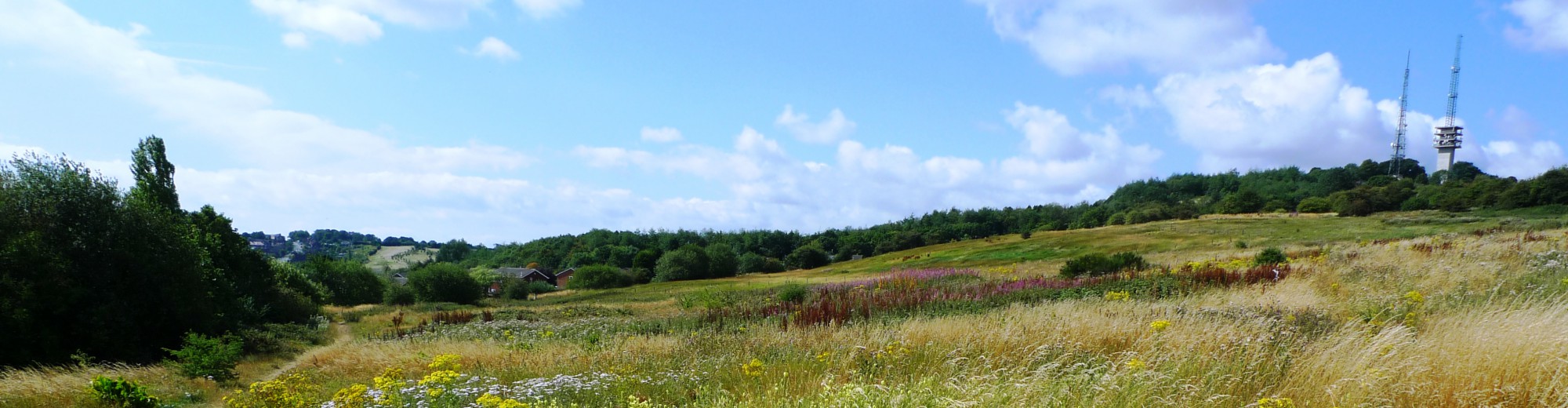
Portway Hill (image © Jane Tavener)We’ve got loads of great events in the calendar over the next few months and we hope to see you at a few of them. The next one is a litter pick on Portway Hill tomorrow, and hopefully the weather forecast will hold for that! If you’re planning to come to any of our conservation volunteer days, please fill in your name and tick the dates you are coming to in this Doodle poll. There’s no limit to the number of people who can attend, it just gives us an idea of how many to expect!

  • Conservation volunteer day, Portway Hill, Saturday 7th May 2016, 10:00am – 3:00pm. Join the Wildlife Trust for Birmingham & the Black Country for a fun day out meeting new people, helping the environment and learning new skills. We will be conducting a litter pick along Portway Hill. Meet at Kennford Close.
  • Conservation volunteer day, Portway Hill, Saturday 14th May 2016, 10:00am – 3:00pm. Join the Wildlife Trust for Birmingham & the Black Country for a fun day out meeting new people, helping the environment and learning new skills. We will be improving access onsite by installing a crushed dolerite path through the Wildlife Trust-owned section of the site. Meet at St. Brades Close.
  • Conservation volunteer day, Thursday 19th May 2016 – venue TBC.
  • Geoconservation day, Portway Hill, Saturday 21st May 2016, 10:30. The Black Country Geological Society will be carrying out conservation work on Portway Hill to ensure the Rowley Rag rock exposures are not overgrown by brambles. Check their website for more information. No need to book.
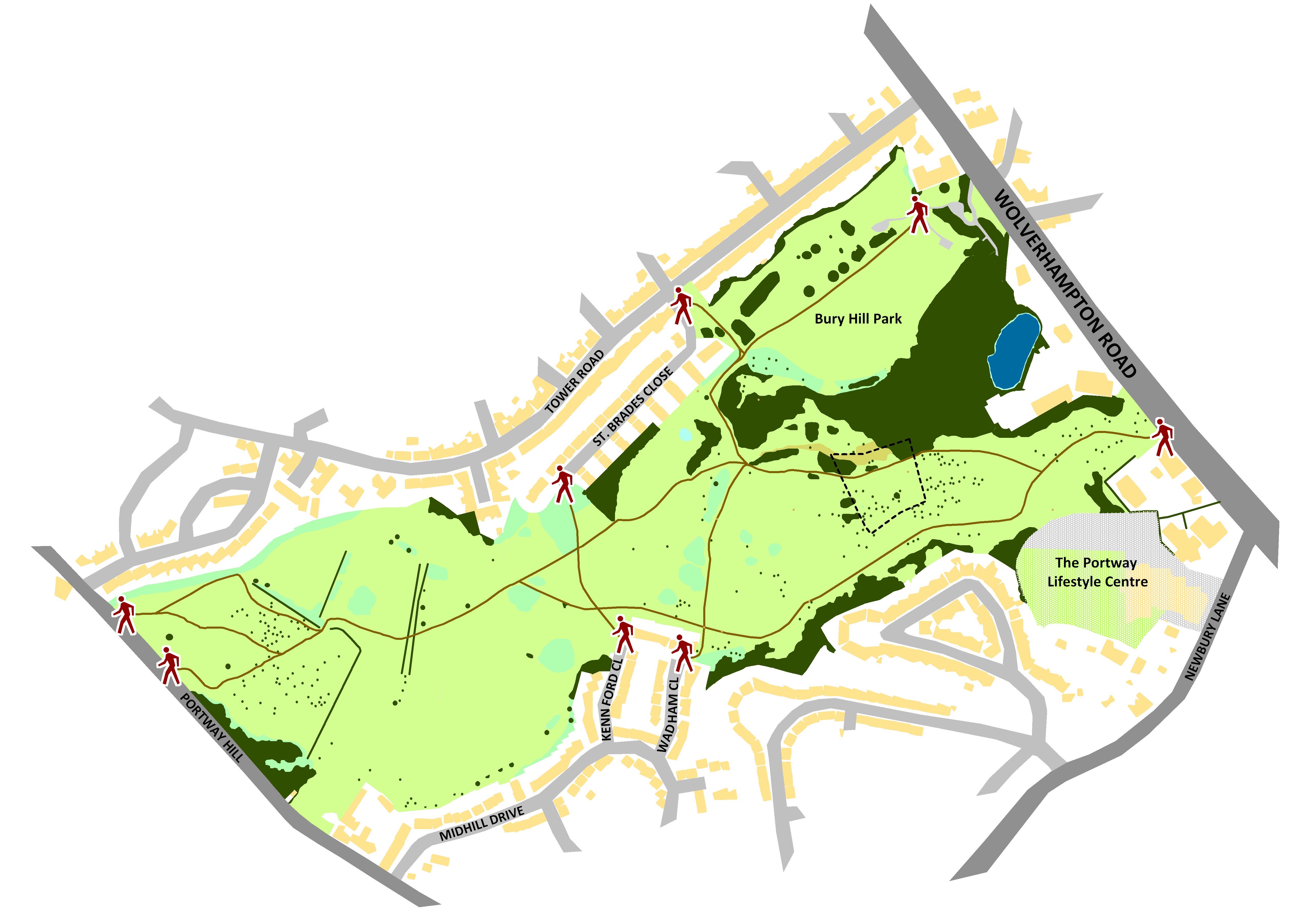
  • Butterflies and Flora on the Rowley Hills – guided walk, Saturday 4th June 2016, 10:30am. This is a joint meeting with Sandwell Valley Naturalists Club (Sandnats); Mike Bloxham and Mike Poulton will be leading a guided walk at a peak time in the season for wildflower displays and insect life on the Rowley Hills. Walking boots are recommended and binoculars would also be useful. Meet on the roadside near the Total garage on Wolverhampton Road, just below the Brewers Fayre/KFC at the entrance to the Portway Hill site (see map below).
  • Butterfly walk, Portway Hill, Thursday 23rd June 2016, 11:00am – 1:00pm. In partnership with Butterfly Conservation, our Vice Chair Mike Poulton will be leading a guided walk around Portway Hill, following a route Mike wrote for the the soon-to-be published ‘Butterflies of the West Midlands‘ book. This is a peak time for butterfly activity and as long as the weather is good we should see significant numbers of different species. Walking boots are recommended and binoculars would also be useful. Meet on the roadside near the Total garage on Wolverhampton Road, just below the Brewers Fayre/KFC at the entrance to the Portway Hill site (see map below).
Rowley Hills map showing paths and access points

Rowley Hills map showing paths and access points

Rowley Hills dawn chorus walk report

On Saturday we held our first dawn chorus walk on the Rowley Hills, led by local expert Nick Horton. Ten attendees met at 6:30am at the cairn on Portway Hill in perfect weather conditions – sunny, mild and still. We headed across Portway Hill, past the farm and over to Turners Hill before checking out the golf course, then heading back the way we came. In total we saw or heard 33 species.
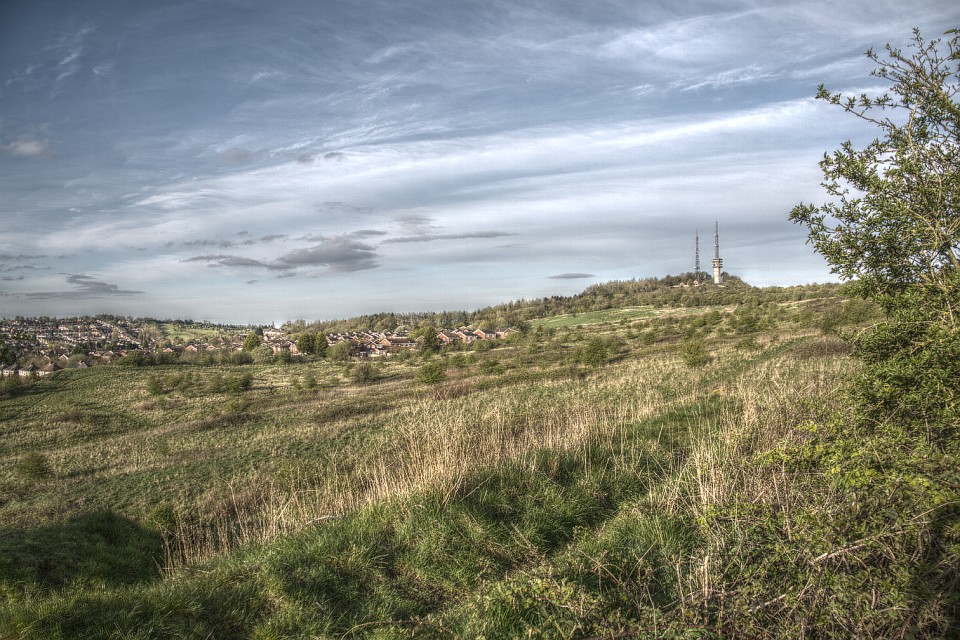
Portway Hill (image © Jane Tavener)
Portway Hill (image © Jane Tavener)

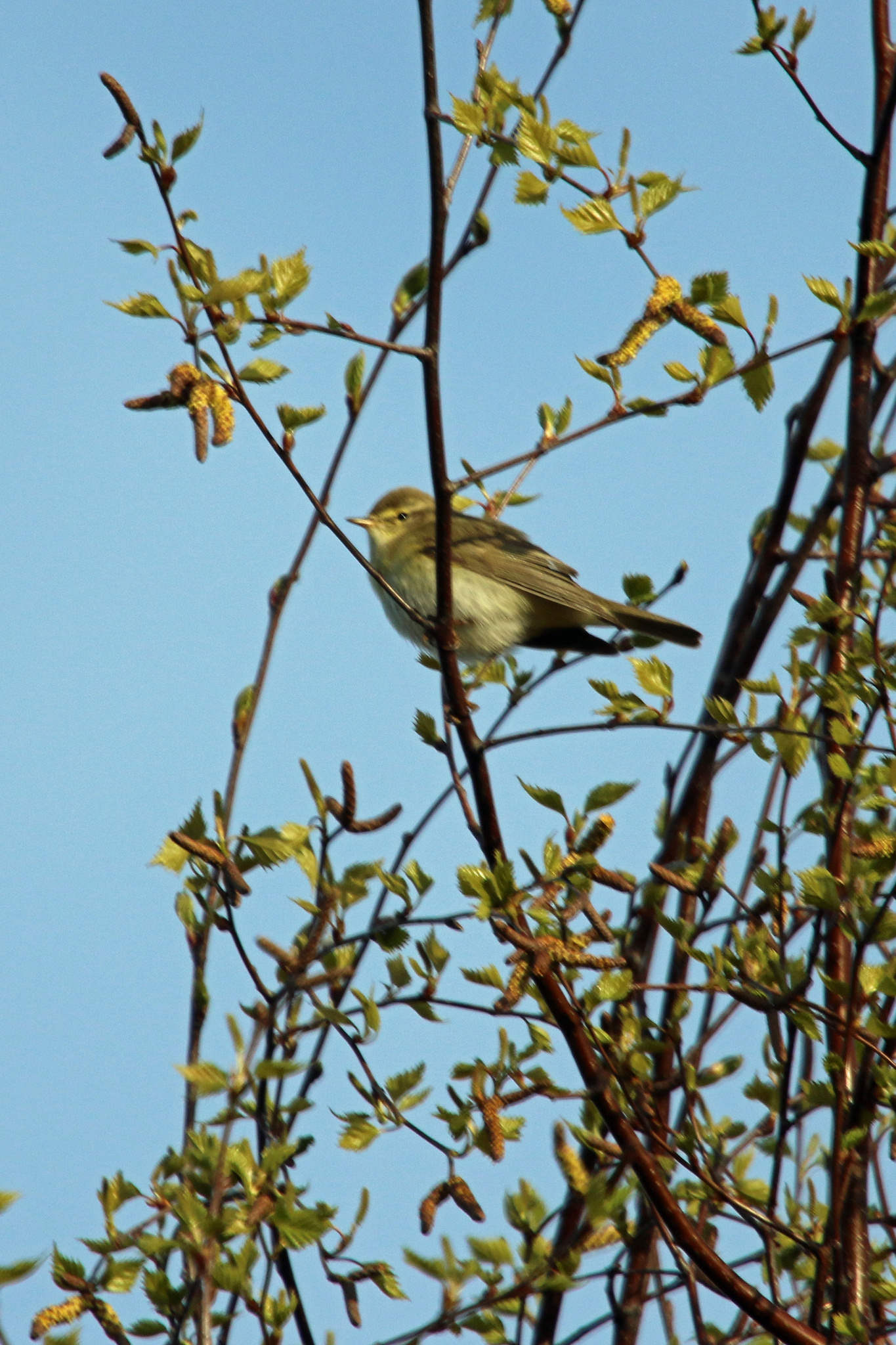
Willow Warbler (image © Andrew Cook)

Willow Warbler (image © Andrew Cook)

At this time of year, many migratory birds have recently arrived from Africa to breed in the UK and we saw good numbers of these. The bird we probably saw (and heard!) the most on our walk was Chiffchaff, a small warbler which generally spends the winter in north Africa and parts of the Mediterranean, although in some parts of Europe they can be seen all year round. A close relative of the Chiffchaff, the Willow Warbler, was also spotted several times on the walk; this species likes young woodland and we saw a few in the area between Bury Hill Park and the Wildlife Trust cairn on Portway Hill.
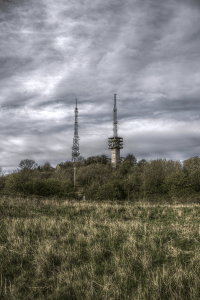
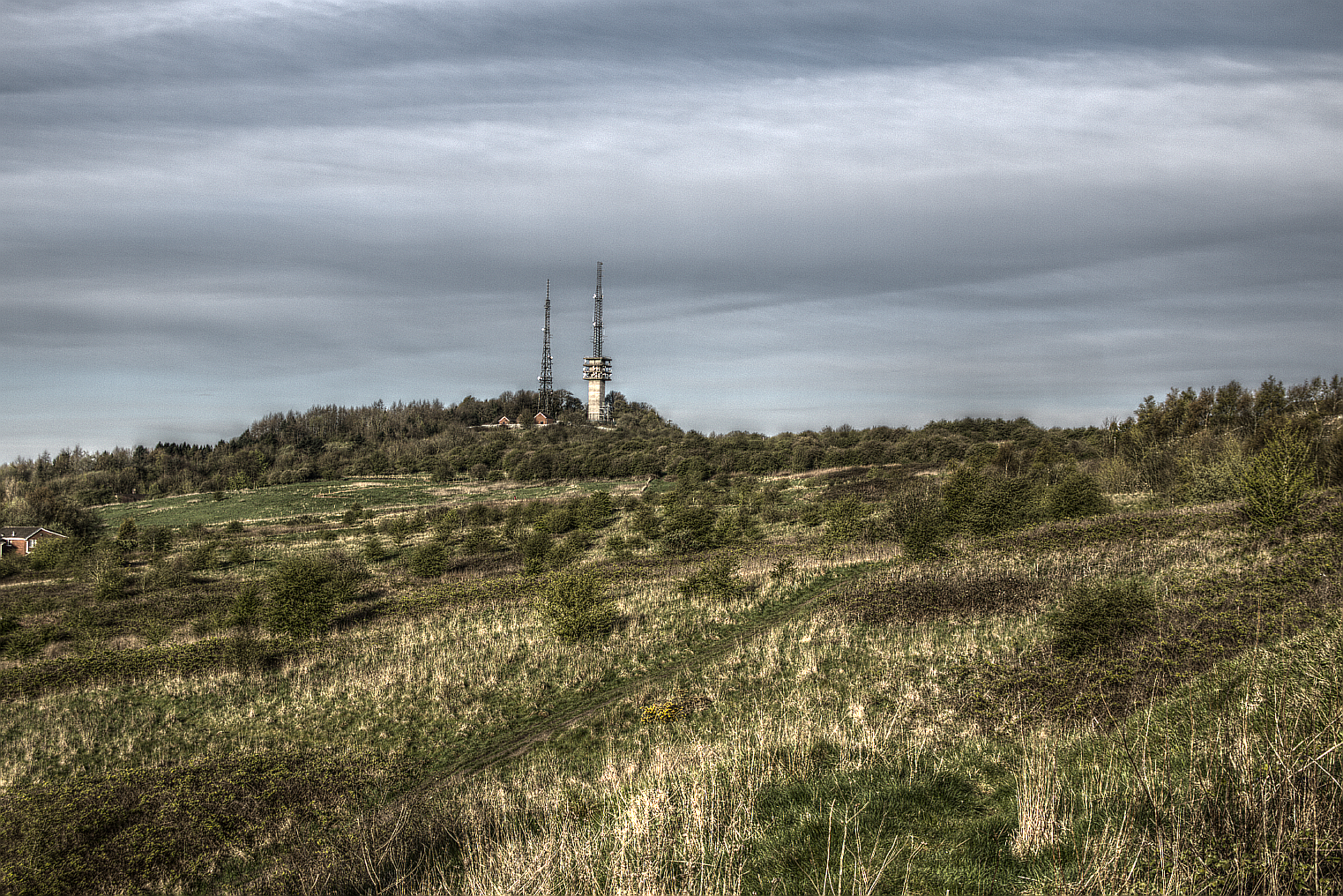
The masts on Turners Hill (image © Jane Tavener)

The masts on Turners Hill (image © Jane Tavener)

Two other closely-related warblers that we saw were Whitethroat and Lesser Whitethroat; Whitethroats in particular are very common on the Rowley Hills as they breed in low scrub and brambles, a common habitat here. Although we were hoping to see a few birds of prey, these were surprisingly difficult to find – up to four species can regularly be seen on the Rowley Hills (Kestrel, Sparrowhawk, Peregrine and Buzzard) but on this occasion we only saw Buzzard, and a brief glimpse of a Peregrine.

Turners Hill, as the highest point in the West Midlands, is a stop-off point for many bird species on migration, which take a brief break to rest and refuel before heading off again to their breeding grounds. Early in the morning before the golfers arrive some of these birds can also be seen on the golf course, and one of our best sightings of the walk was here – a Wheatear quietly resting next to a ditch. This is an attractive bird of mountains and moorland, related to robins and thrushes; probably the closest breeding site to the Rowley Hills would be the Clee Hills in Shropshire.

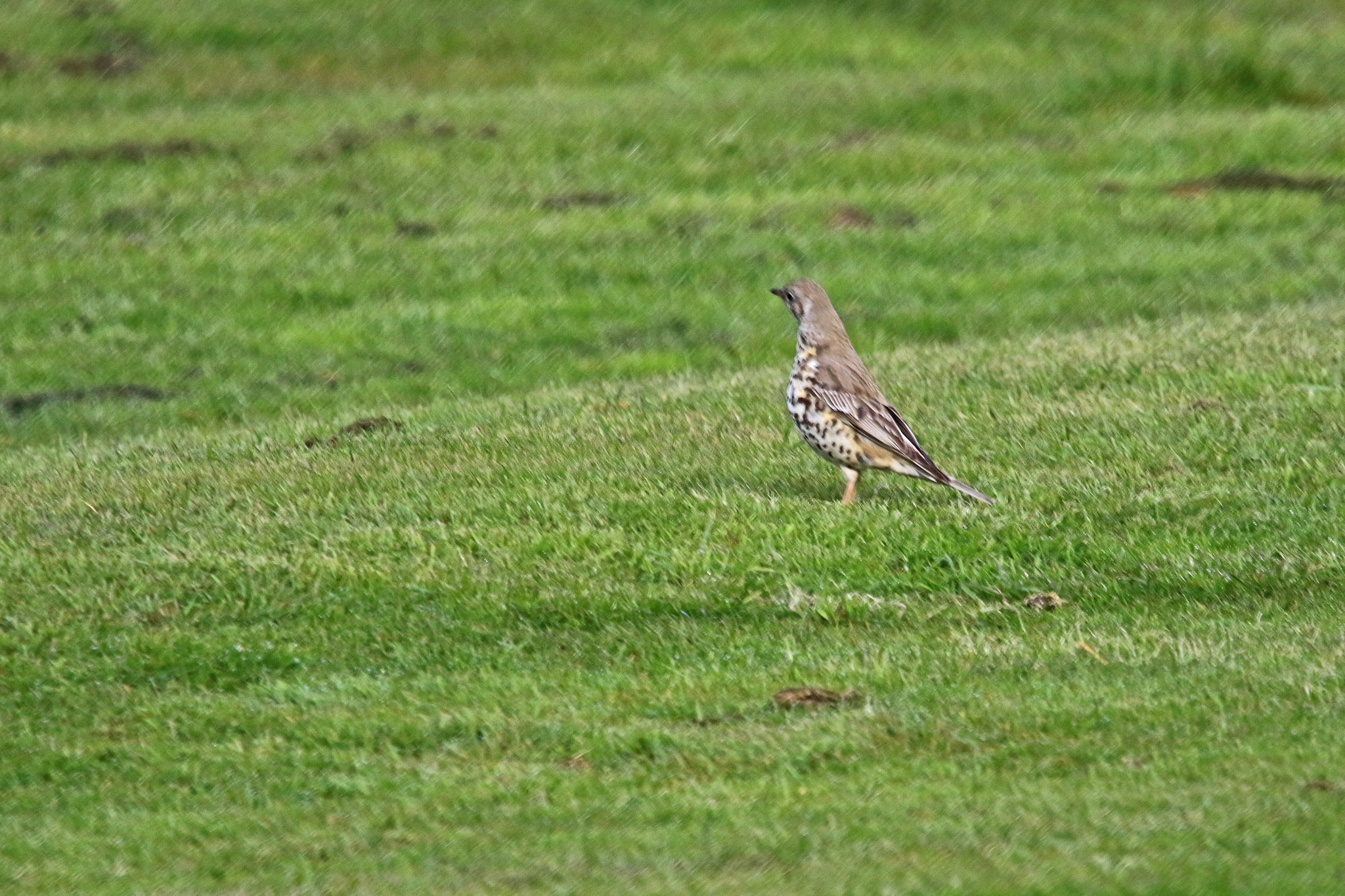
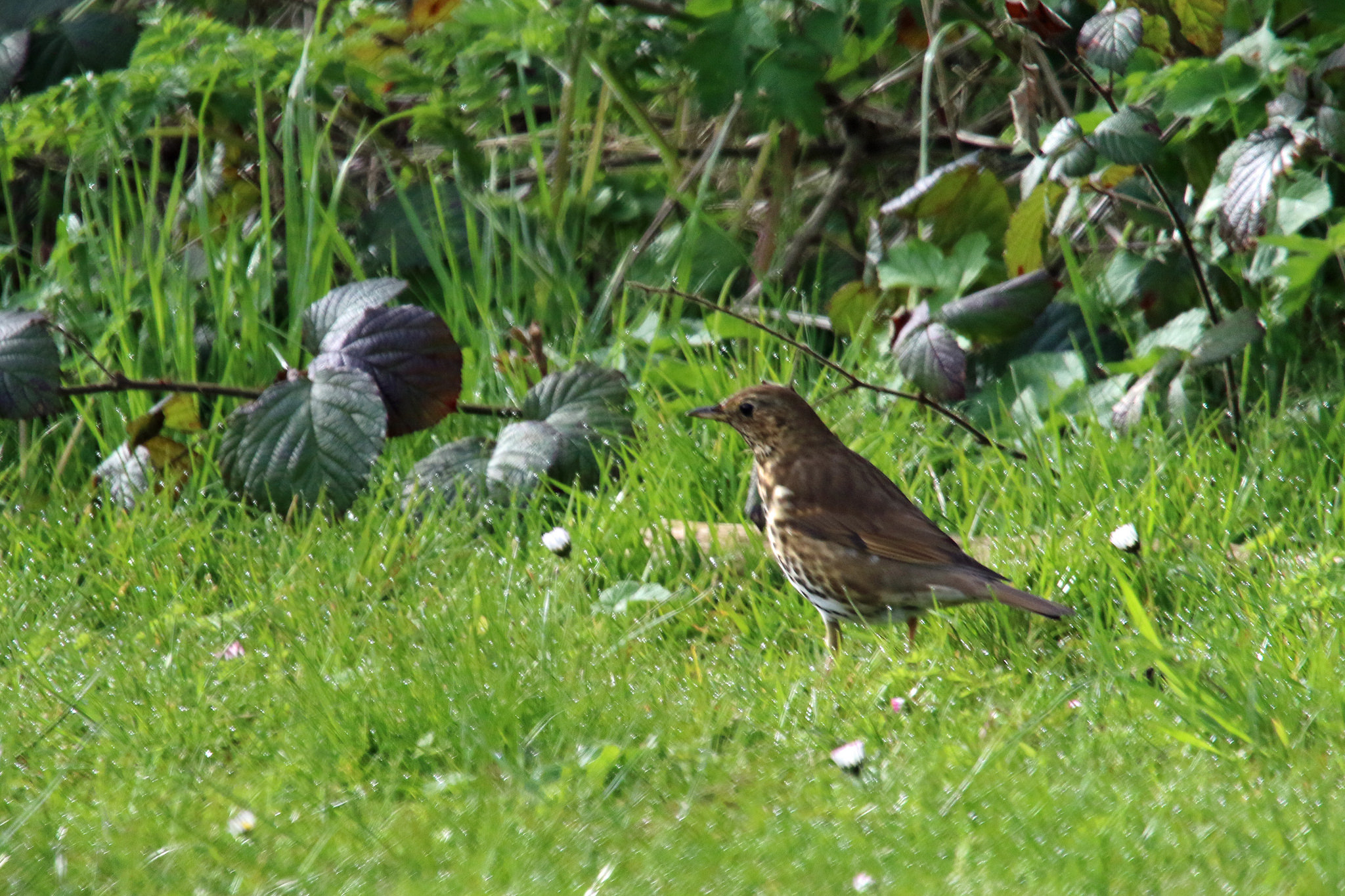
We also had lovely views of both Mistle Thrush and Song Thrush, and we all finished the walk feeling much more confident that we could now tell these two similar-looking species apart!
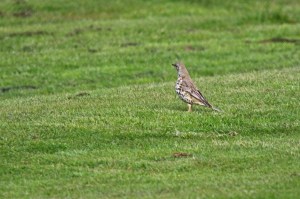
Mistle Thrush (image © Andrew Cook)
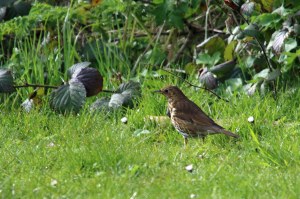
Mistle Thrush (image © Andrew Cook)

Song Thrush (image © Andrew Cook)

Song Thrush (image © Andrew Cook)


We hope to repeat this walk in October, to catch migrating birds heading south for the winter – but it will be a daytime rather than early morning event. Keep an eye on our Events page to find out when this will be happening!

Here’s the full list of birds we saw or heard:

Blackbird Linnet
Blue Tit Long-tailed Tit
Bullfinch Magpie
Buzzard Mallard
Carrion Crow Mistle Thrush
Chaffinch Peregrine
Chiffchaff Robin
Collared Dove Song Thrush
Dunnock Starling
Feral Pigeon Stock Dove
Goldfinch Swallow
Great Spotted Woodpecker Wheatear
Great Tit Whitethroat
Greenfinch Willow Warbler
House Sparrow Woodpigeon
Lesser Black-backed Gull Wren
Lesser Whitethroat

Swifts in my roof, a Birmingham bird story

Here is a guest blog post kindly written for us by John Davison of Selly Oak, who is a keen Swift enthusiast spreading the word about what we can do to encourage these acrobatic but sadly declining birds. Swifts will start arriving any day now after their long migration from Africa so now is the perfect time to start looking out for them in your area! For further information about Swift conservation please visit http://www.swift-conservation.org/.

I moved into my very ordinary semi in B29 a few years ago. The roof is plain clay tiles on timber batten on timber rafters. The rafters are supported on the top of the outer walls on a timber, the wall plate. The ends of the rafters can be seen from outside and this is because when built, air was intended to flow through the loft space. This circulating air dries the back of those tiles after heavy rain.

It was after I had moved in that I found that in the summer, visitors arrive. These visitors, birds, have travelled hundreds of miles. By chance, because my roof was as first built and not later stopped up with soffit boards, the visitors set up nest on my wall plate. The Swifts are rarely there as they are almost always on the wing; nests are for chicks.

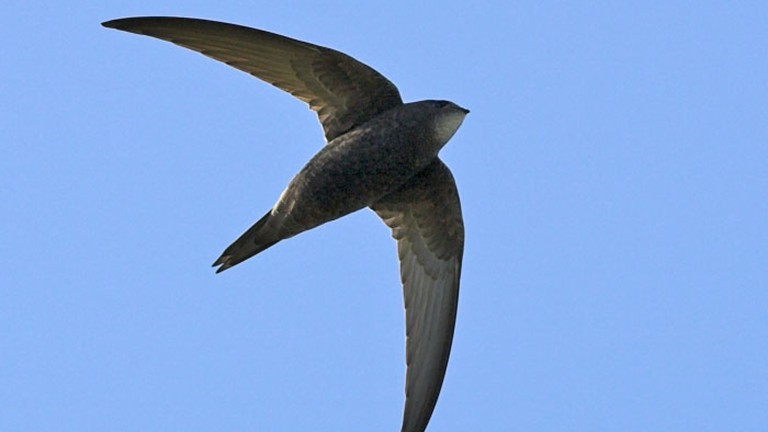
Swift - © Graham Catley

Swift © Graham Catley

You can see the Swifts, careering across the sky above a housing estate by Selly Oak Park, from May onwards. Perhaps you have Swifts in your area. They eat (only) insects, they stay airborne, and with their sometimes incredibly fast flight, are sometimes mistaken for swallows. Their acrobatic stunts are called ‘low-level screaming parties’.

Sadly what I have noticed is that the numbers are declining. This is also documented: Common Swifts (Apus apus) are declining in the UK and are an amber listed species of conservation concern. The RSPB asks the public each year to enter their sightings of Swifts into their survey form at http://www.rspb.org.uk/helpswifts. One aim is to protect existing nest sites when people are refurbishing their homes; another is to provide new nest sites in new developments in areas where Swifts are already present.

This issue, the new nest sites, is crucial. Housebuilding in the UK collapsed during the years 1990 to 2012. Very few new homes were built for people, let alone ones with places for Swifts to nest in. The situation is changing. The government estimates that 1.4-1.8 million more households will need accommodation by 2020. A building boom will be necessary to provide for them all. From the point of view of saving declining Swift populations, the problem is that new buildings are useless for Swifts. However, new housing projects can include Swift nest places if we ask for them. If the roof form of a new building does not suit, commercially-available Swift nest bricks can be incorporated. This can happen if more of us become Swift enthusiasts, and make it happen.

Birmingham and the Black Country, with its bodies of water, has plenty of insects for Swifts to eat. So too has Cambridge, the heartland of the Action for Swifts group, where more than fifty Swift projects have been carried out in commercial and private buildings, schools and church towers. In one case, a thriving colony of Swifts in old houses was saved as the old houses were demolished and new ones erected by phasing the project over three seasons and by building Swift nest accommodation into the new buildings. Over 200 nests were built into the new houses, and so far 44 breeding pairs have been recorded in them.

Building for Swifts © swift-conservation.org

Building for Swifts © swift-conservation.org

I want to see more Swifts in Selly Oak, and I am discussing with some neighbours (who have blocked up their eaves) the installation of Swift boxes. I ordered boxes from http://www.swift-conservation.org and I will then need access to a ladder to install them.

You too could host Swifts and play a part in stopping their decline. What we do want is a Rowley Hills Swift group!

It is a privilege and a joy to share a summers day with these amazing birds.

John Davison

Special offer on Butterflies of the West Midlands book!

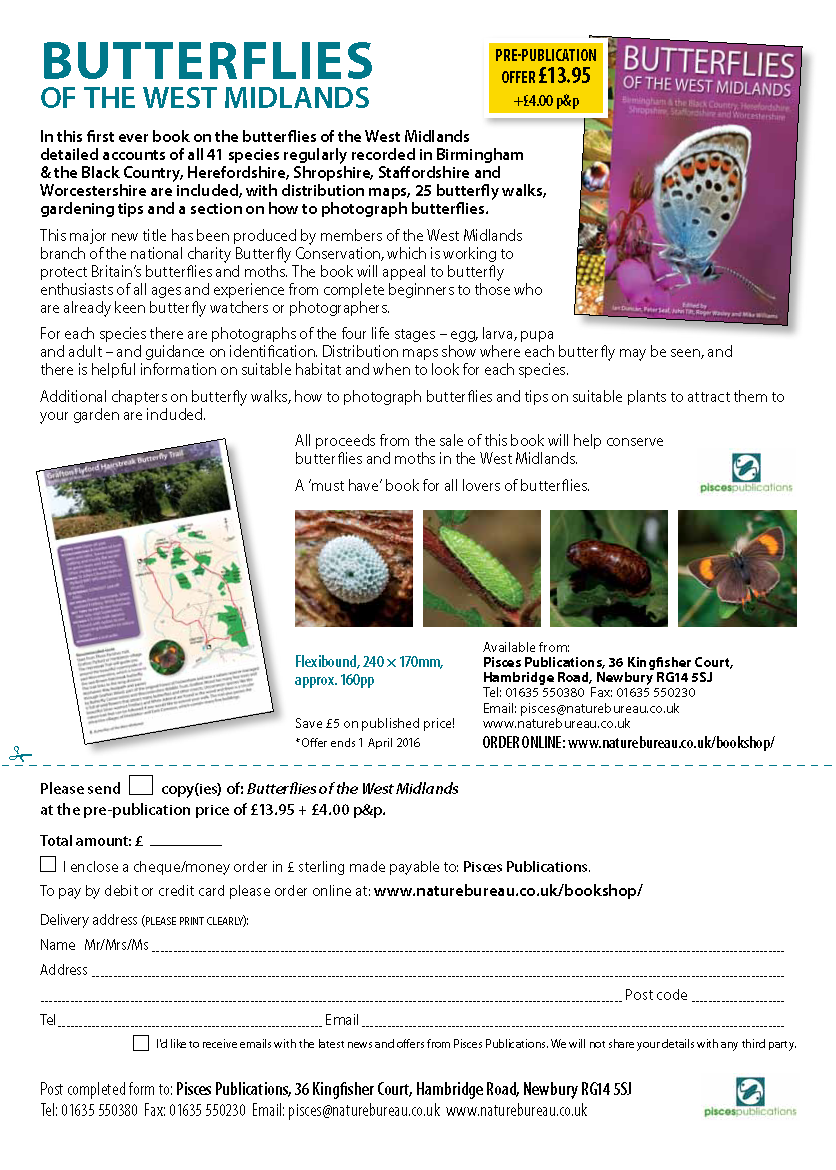
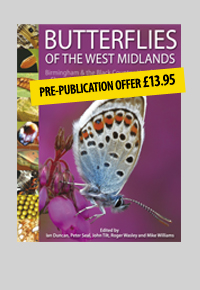
A new book about the butterflies of the West Midlands will be launched later this spring; this is the first ever book about the West Midlands’ butterflies and includes a wealth of information about the species seen in the area, distribution maps, butterfly walks, gardening and photography tips. It even contains a guided walk of the Rowley Hills written by the Friends of Rowley Hills’ Vice-Chair Mike Poulton. It’s a must-have for butterfly fans!

The book can currently be pre-ordered at the special pre-publication price of £13.95 + £4.00 p&p; once published the price will increase to £18.95 + £4.00 p&p so take the chance to grab a bargain now! For more information and an order form, see below; you can also order online at http://www.naturebureau.co.uk/bookshop/.

Butterflies of the West Midlands pre-pub offer 02

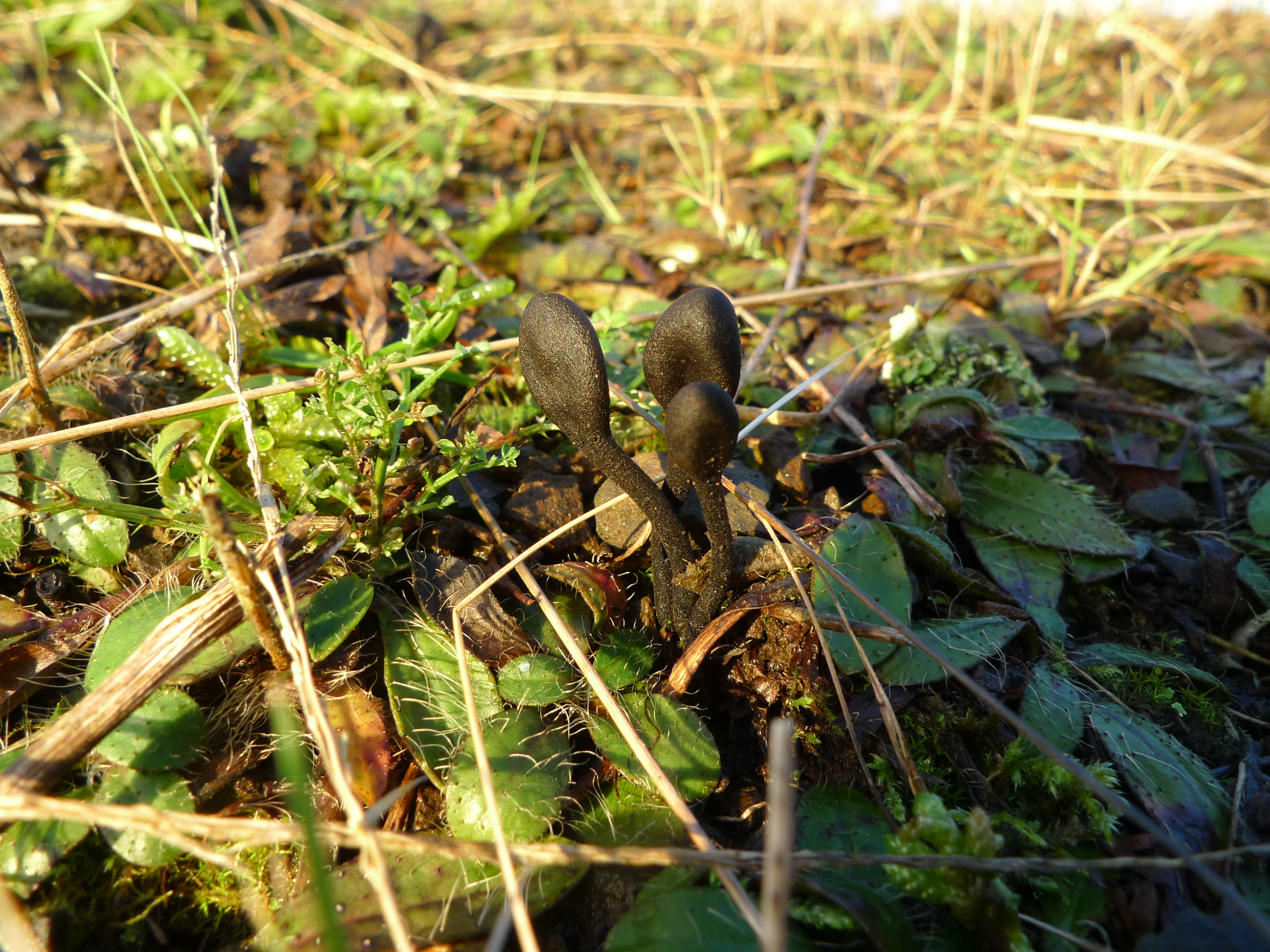
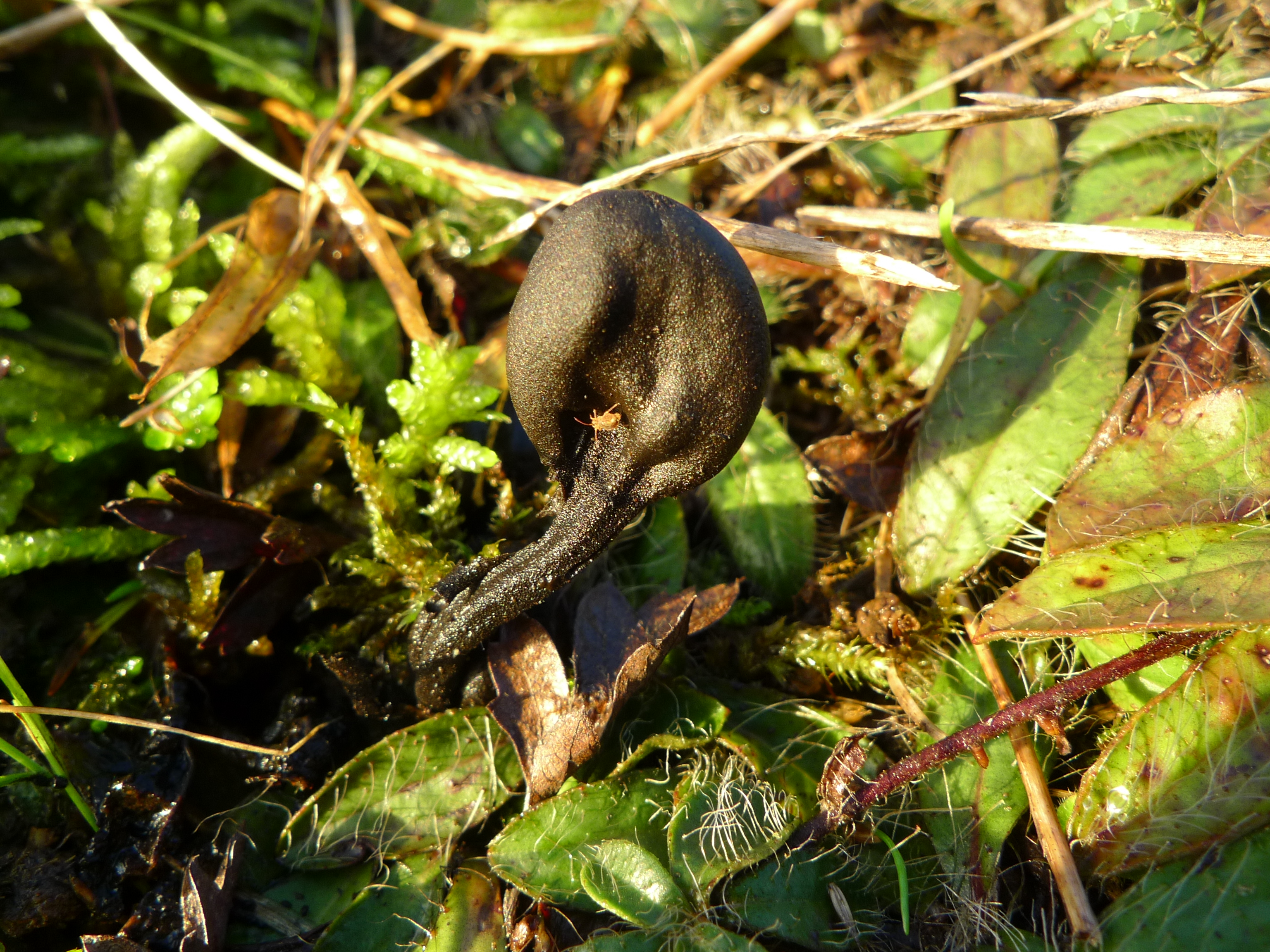
Earth Tongue fungi on the Rowley Hills

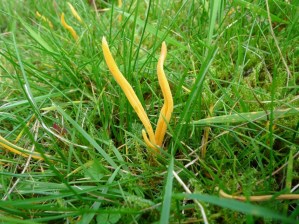
Some more interesting fungi have been spotted on the Rowley Hills recently, and their appearance this late in the year is undoubtedly due to the unseasonably mild weather we’ve been having. These are Earth Tongues, which are important indicators of nutrient-poor grasslands of high value for nature. They normally appear during October and November, and from their appearance it’s obvious where their name comes from! There are several similar-looking species and the shape of this one suggests it is a Trichoglossum; it’s not possible to make a more accurate identification without a microscope.

Earth Tongue (Trichoglossum) (image © Mike Poulton)

Earth Tongue (Trichoglossum) (image © Mike Poulton)

Earth Tongue (Trichoglossum) (image © Mike Poulton)

Earth Tongue (Trichoglossum) (image © Mike Poulton)


Even at this time of year, nature still holds surprises – there is always something interesting to see! Click here to read a bit more about Earth Tongues.

Fungal fiesta!

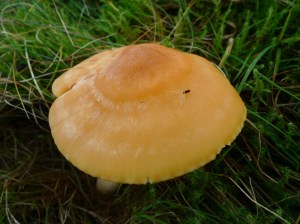
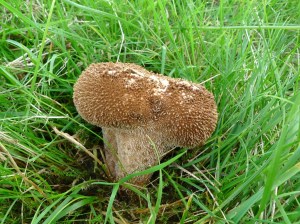
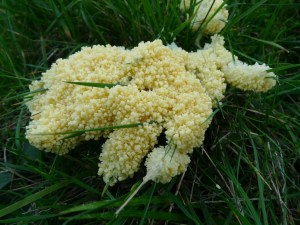
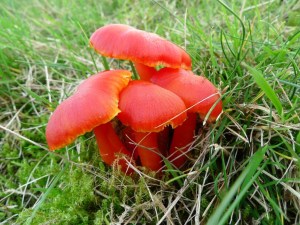
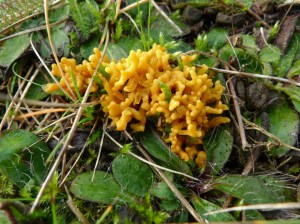
There are some amazing fungi out on the Rowley Hills at the moment! These photos were taken by Mike Poulton last week. We’re not great on fungi identification so if you know what any of these are, please let us know. And if you’ve seen any interesting fungi, plants or other wildlife on the Rowley Hills recently, get in touch!

Rowley Hills butterflies in a new report and book

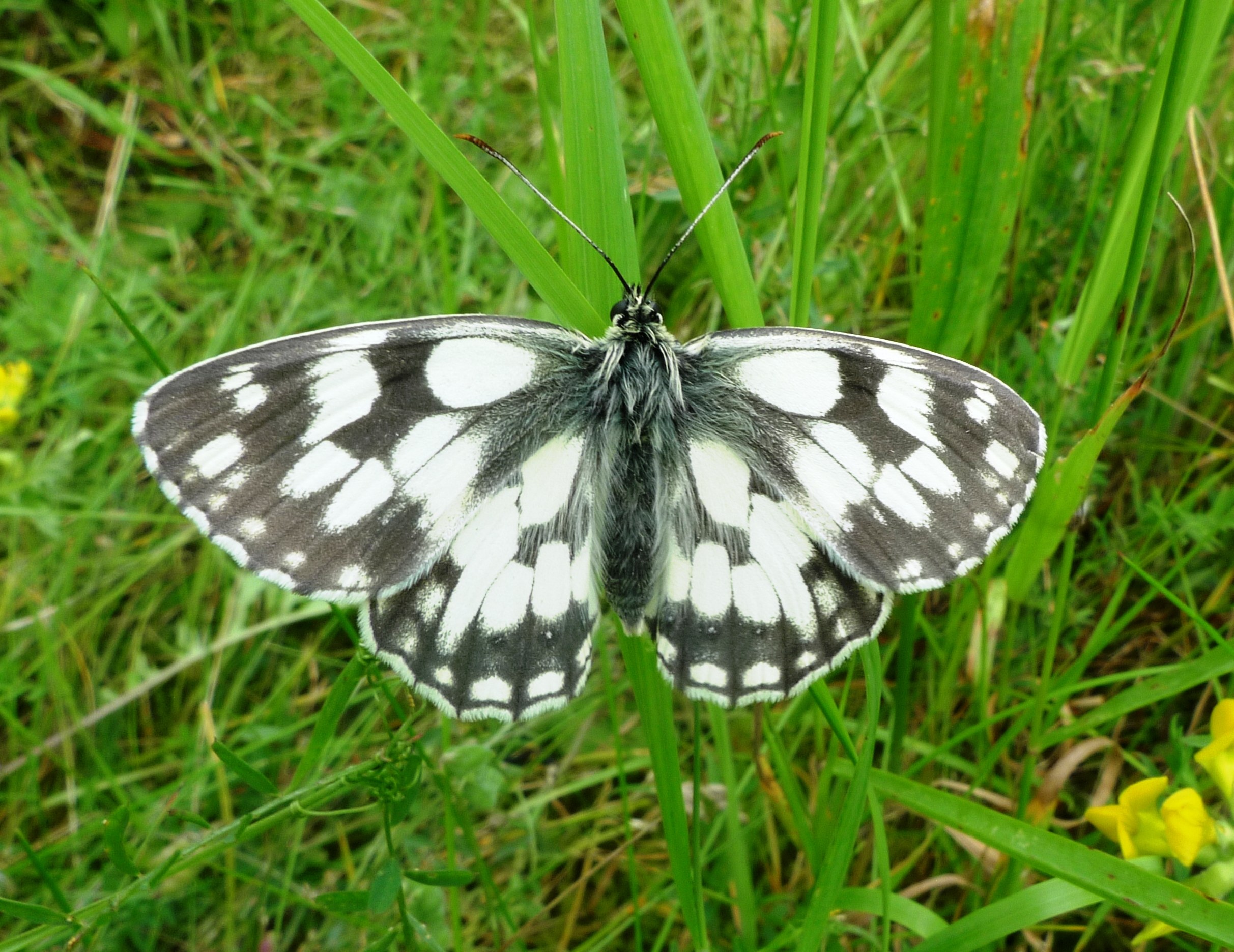
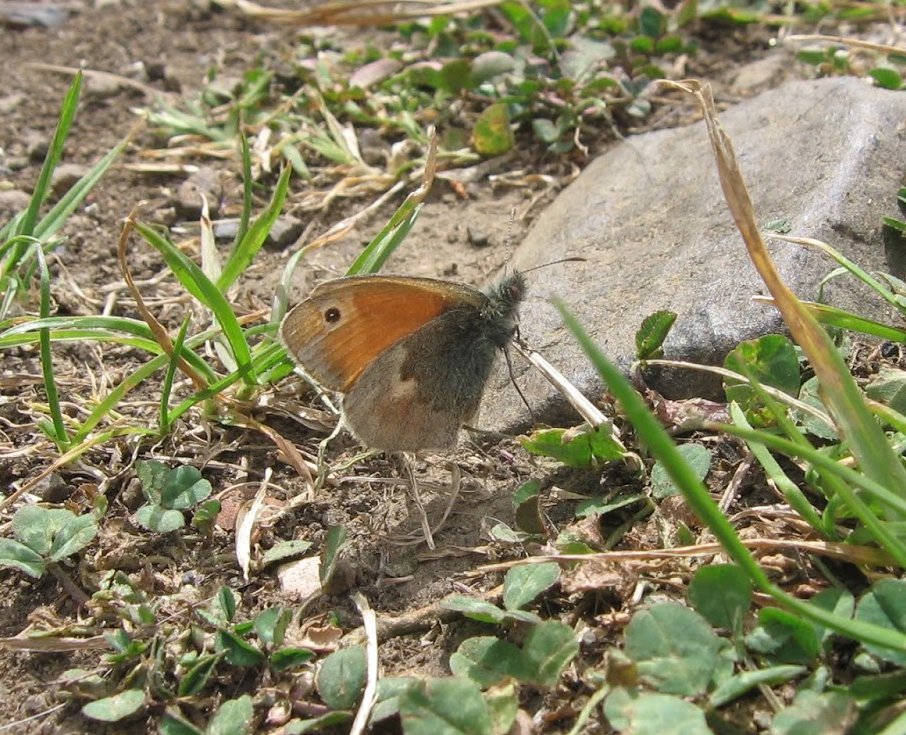
The large expanse of open, uninterrupted grassland on the Rowley Hills situated between Portway Hill and the Birmingham New Road, known as Portway Hill Open Space, is currently one of the best sites in the West Midlands for Marbled White and Small Heath butterflies. Mike Poulton has been studying populations of these two butterfly species for the past five years and has produced a short report summarising his findings so far. The overall picture is a mixed one, with Marbled Whites thriving but Small Heaths declining. Click here to read the full report.

Marbled White butterfly (Melanargia galanthea) (image © Mike Poulton)

Marbled White butterfly (Melanargia galanthea) (image © Mike Poulton)

Small Heath butterfly (Coenonympha pamphilus) (image © Jane Tavener)

Small Heath butterfly (Coenonympha pamphilus) (image © Jane Tavener)


In related news, Pisces Publications have a pre-publication offer on for ‘Butterflies of the West Midlands’. This new book, the first ever on the butterflies of the West Midlands, includes a butterfly walk on Portway Hill; it will be launched in Spring 2016 and can be ordered from http://www.naturebureau.co.uk/bookshop/butterflies-west-mids-detail.

Butterflies of the West Midlands

Butterflies of the West Midlands book.

Wildlife round-up – October 2015

Although summer is over and autumn is now well and truly with us, there are still plenty of fascinating flora and fauna to be seen in the Rowley Hills. Here’s a round-up of recent sightings; don’t forget, if you’ve seen something interesting, let us know!

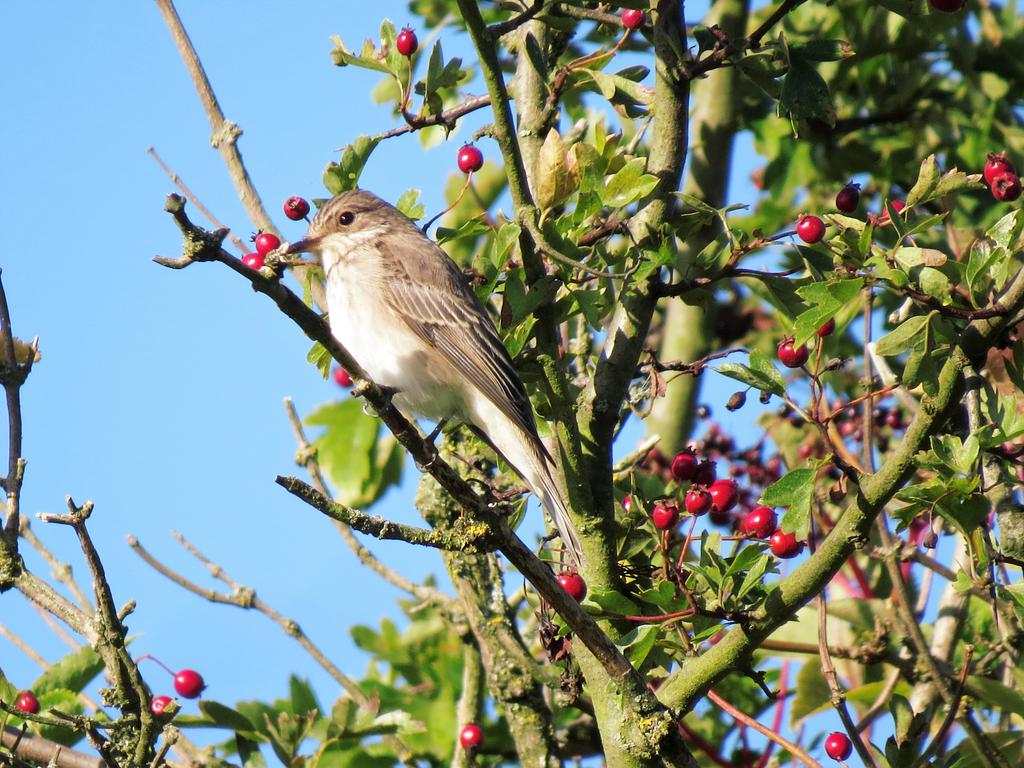
Bird migration is continuing apace, and taking on an autumnal flavour, with the first Redwings of the season being spotted. This member of the thrush family breeds in northern Europe and migrates south in autumn, escaping the cold weather to spend the winter in the UK and other central and southern European countries. Other migrating species seen recently include Meadow and Tree Pipits, White and Yellow Wagtails, House Martin, Chaffinch, Siskin, Redpoll, Swallow, Spotted Flycatcher, Chiffchaff, Golden Plover and Cormorant. Many thanks as always to Ian Whitehouse for keeping us up to date with his Rowley Hills sightings!

Spotted Flycatcher (image © Ian Whitehouse)

Spotted Flycatcher (image © Ian Whitehouse)

Early morning on the Rowley Hills, a great time for vismigging (observing visible migration of birds) (image © Ian Whitehouse).

Early morning on the Rowley Hills, a great time for vismigging (observing visible migration of birds) (image © Ian Whitehouse).


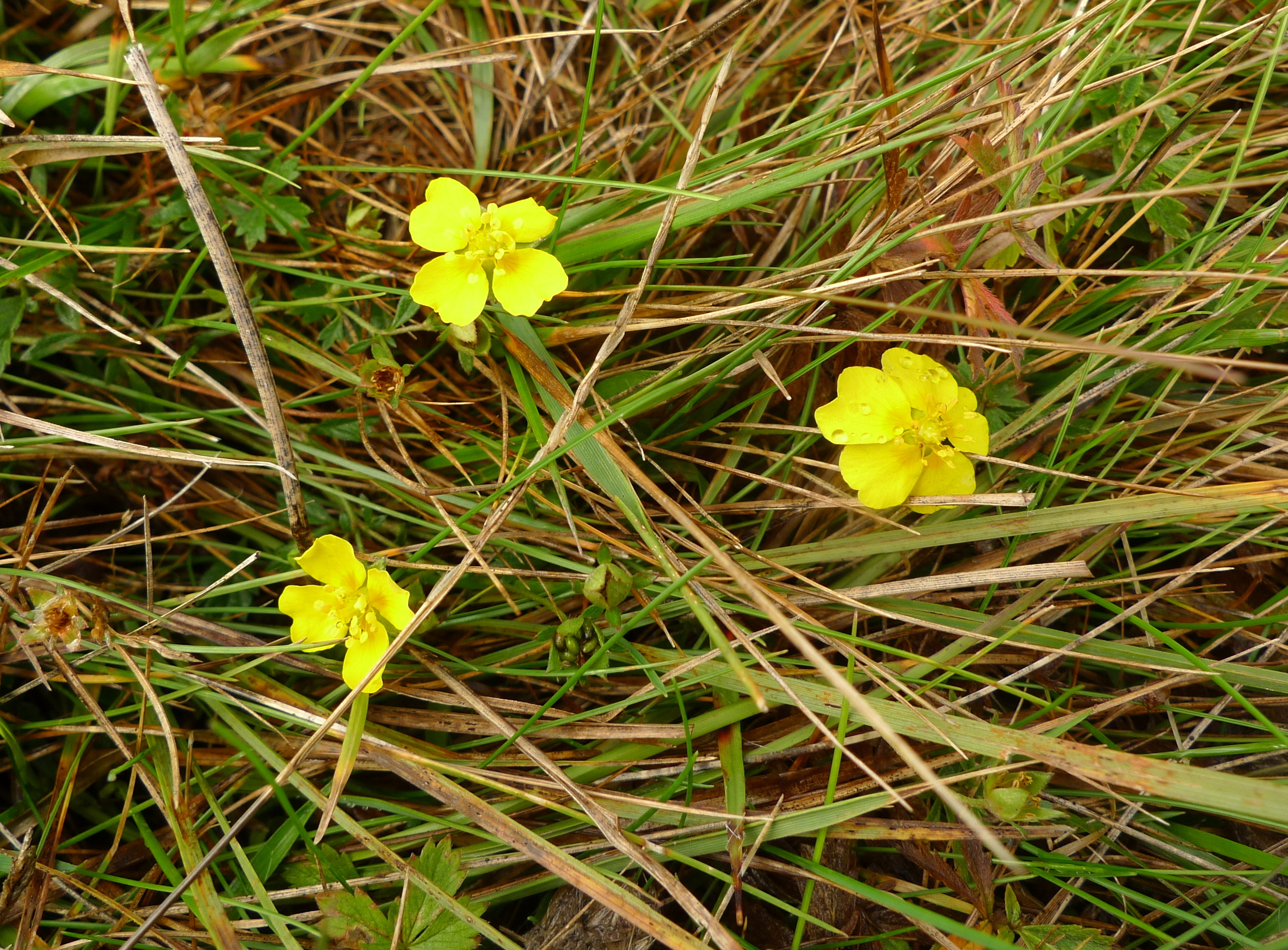
We’ve had more good news following Sandwell Council’s decision to delay cutting the grass on Bury Hill in response to our request. Not only has this allowed the Harebells there to finish flowering – enabling us to collect seed from them to sow elsewhere in the Rowley Hills – another scarce wildflower in Birmingham and the Black Country has been discovered in the same area which would probably never have come to light had the grass been cut as normal. The flower is Trailing Tormentil (Potentilla anglica); it is very difficult to identify as it hybridises with two other members of the Tormentil family, Creeping Cinquefoil (P. reptans) and Common Tormentil (P. erecta). The two hybrids and Trailing Tormentil all look very similar, having flowers with both 4 and 5 petals; however 2 experts have verified that it is Trailing Tormentil. The diagnostic feature confirming this is fully fertile flowers – hybrids are not fertile.

Trailing Tormentil (Potentilla anglica) (image © Mike Poulton)

Trailing Tormentil (Potentilla anglica) (image © Mike Poulton)


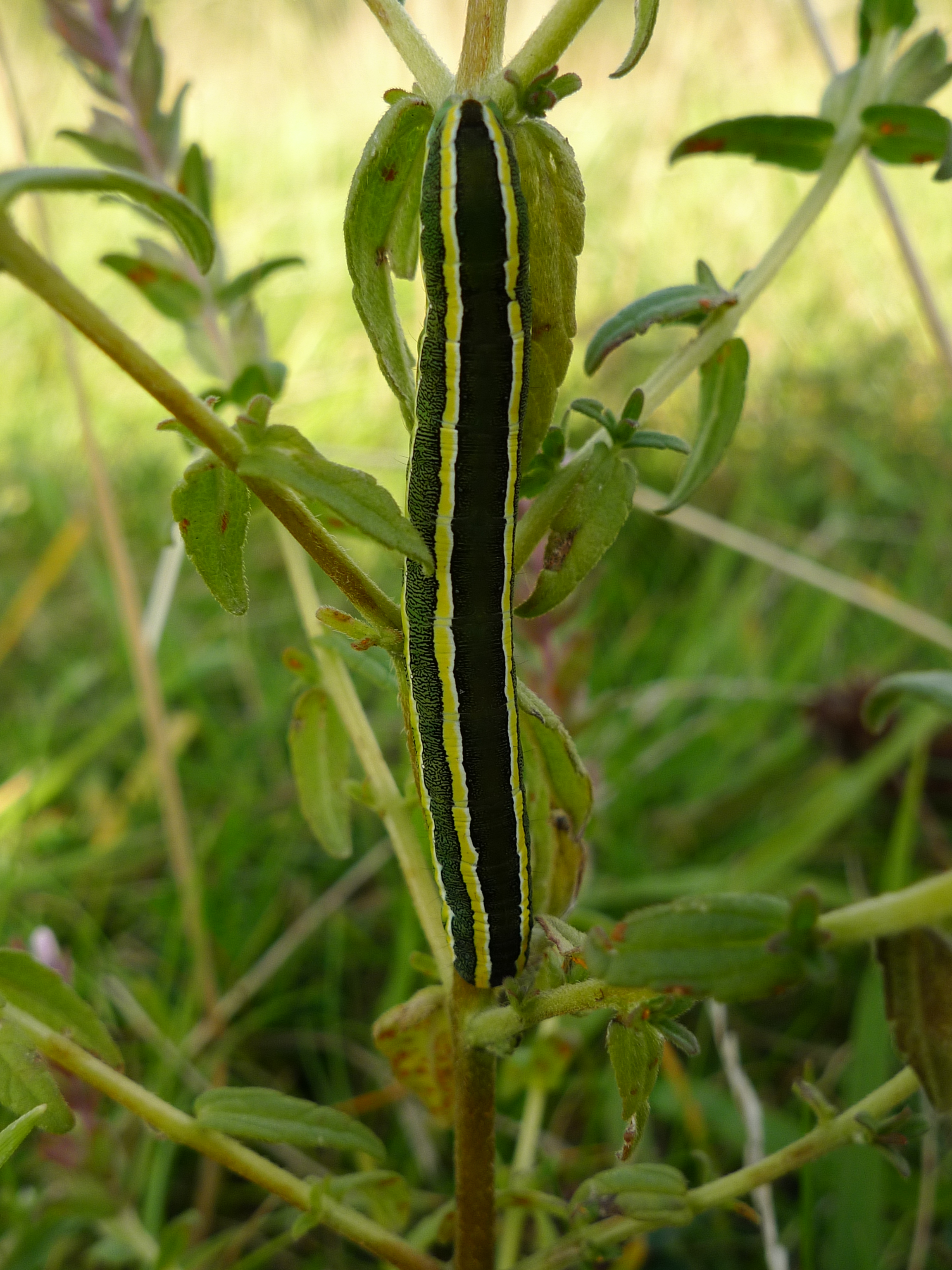
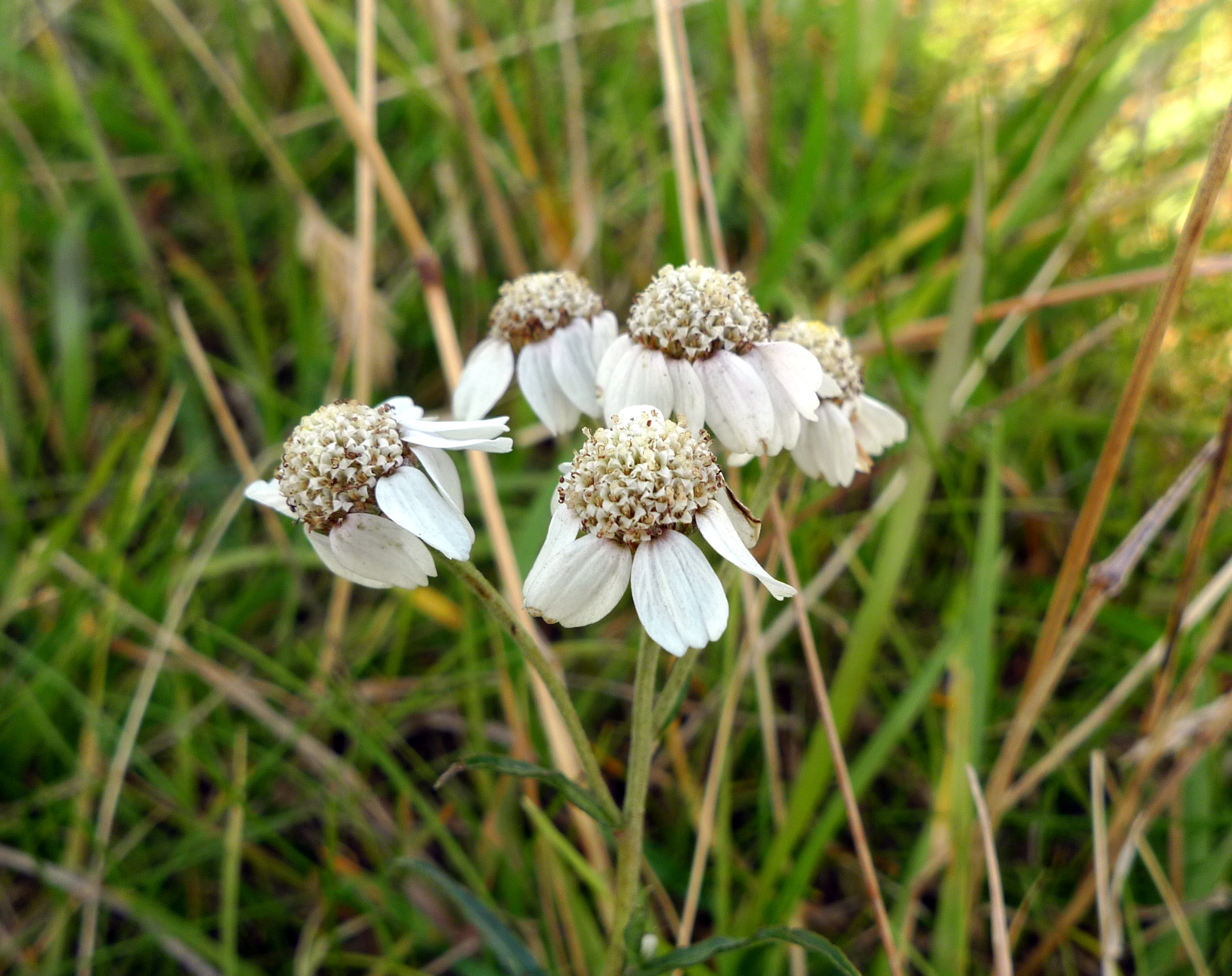
Elsewhere on the hills Mike Poulton photographed a Broom Moth caterpillar feeding on Red Bartsia, and another new botanical record for the Wildlife Trust’s Portway Hill site was a large patch of Sneezewort, so named because its pungent smell supposedly causes sneezing.

Broom Moth caterpillar (Ceramica pisi) (image © Mike Poulton)

Broom Moth caterpillar (Ceramica pisi) (image © Mike Poulton)

Sneezewort (Achillea ptarmica) (image © Mike Poulton)

Sneezewort (Achillea ptarmica) (image © Mike Poulton)


Mike and Doug also found an enormous spider whilst working on the Wildlife Trust’s site, which turned out to be a Four Spotted Orb Weaver. This spider holds the record for the heaviest spider in Britain!

Four Spotted Orb Weaver (Araneus quadratus) (image © Mike Poulton)

Four Spotted Orb Weaver (Araneus quadratus) (image © Mike Poulton)


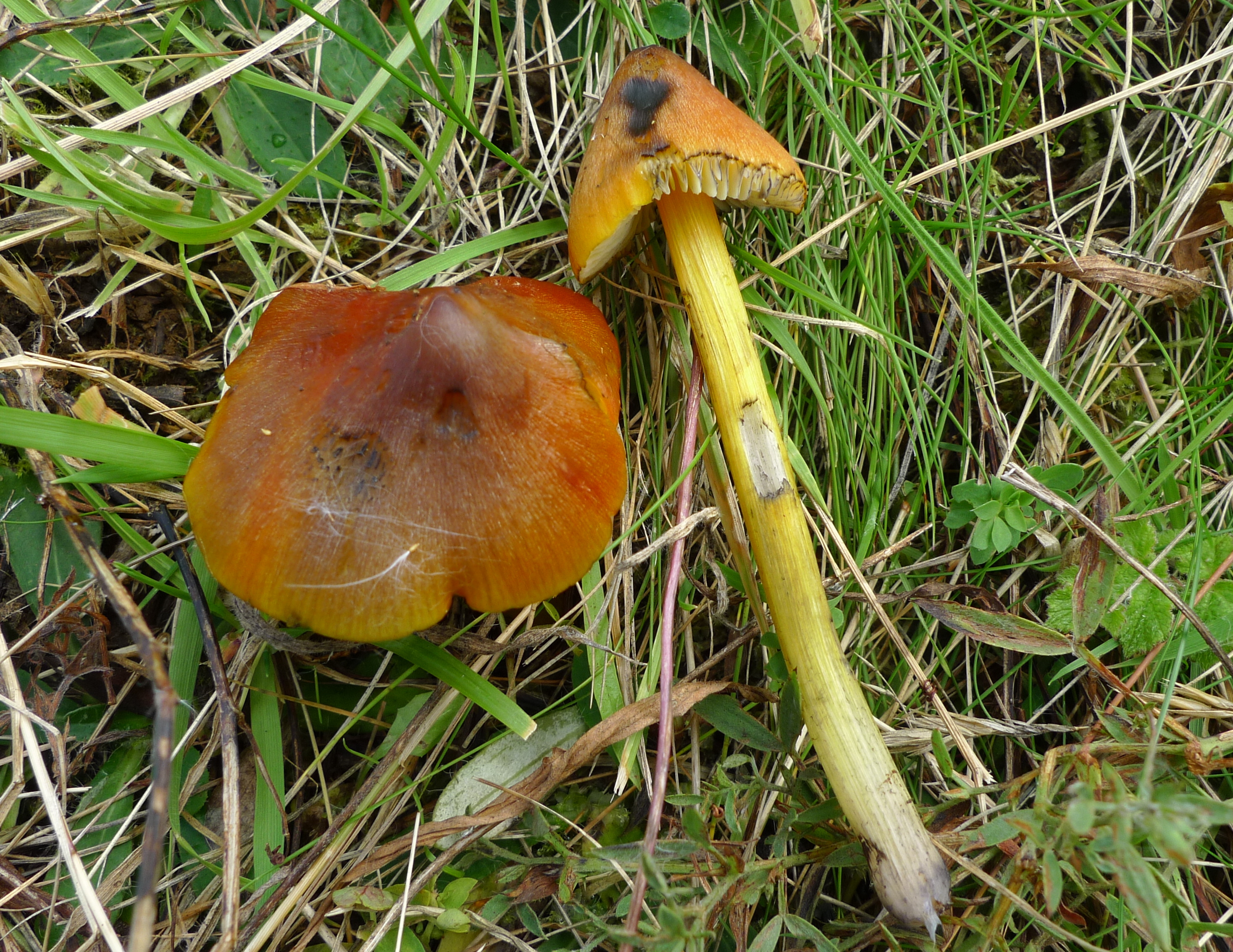
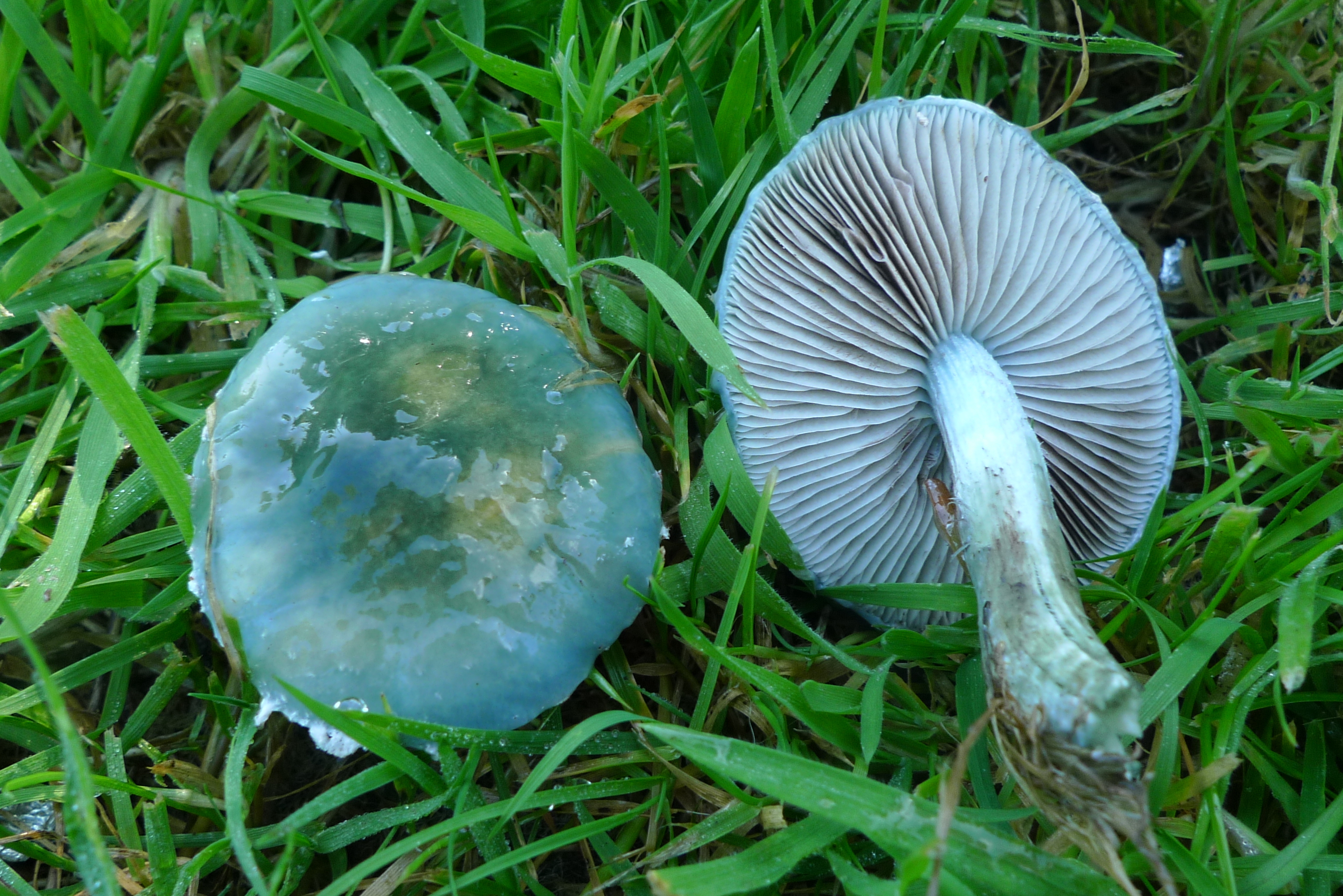
It’s turning out to be a great fungi season too. These two species were photographed last week; Blackening Waxcap was near the Wildlife Trust’s Portway Hill site and Verdigris Agaric was on Massey’s Bank.

Blackening Waxcap (Hygrocybe nigrescens) (image © Mike Poulton)

Blackening Waxcap (Hygrocybe nigrescens) (image © Mike Poulton)

Verdigris Agaric (Stropharia aeruginosa) (image © Mike Poulton)

Verdigris Agaric (Stropharia aeruginosa) (image © Mike Poulton)

Recent wildlife sightings

We’ve had some great wildlife sightings in and around the Rowley Hills recently! If you’ve spotted anything interesting, please do let us know.

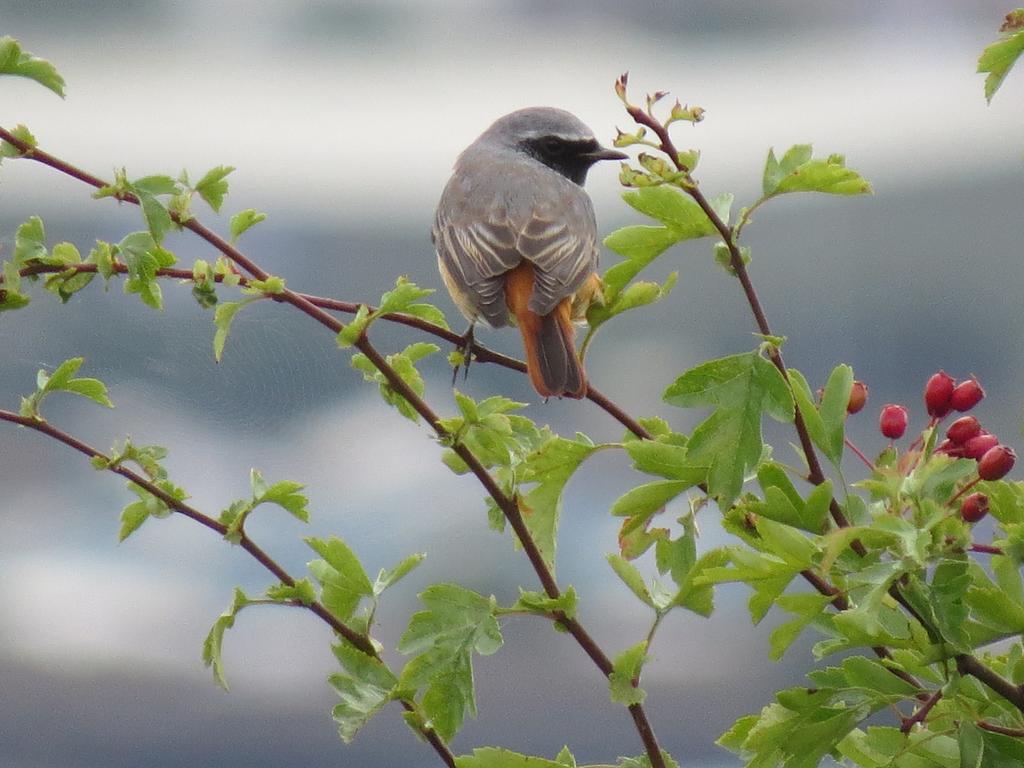
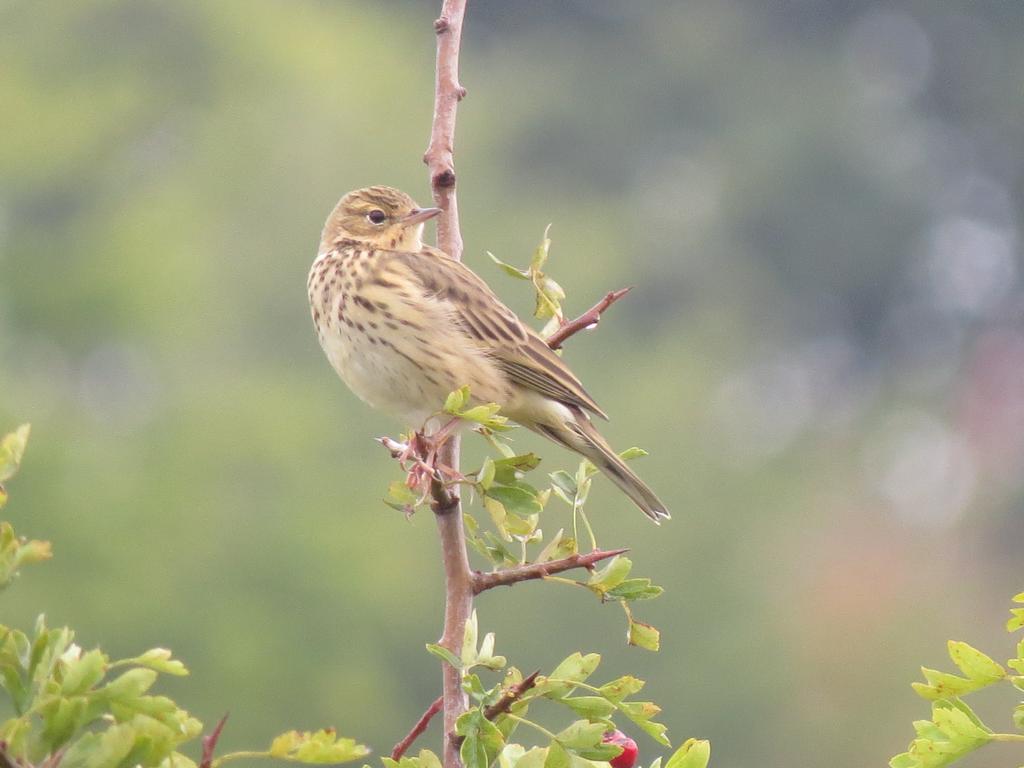
At this time of year, the Hills host a continuous flow of migrating birds, which stop off briefly to rest and refuel before continuing their journey south. Recent sightings include Tree Pipit, Redstart, Linnet, Grey, Yellow and Pied Wagtails, Siskin, House Martin, Garden Warbler, Whitethroat, Lesser Whitethroat, Swift, Spotted Flycatcher, Sedge Warbler, Blackcap, Swallow, Willow Warbler,  Mistle Thrush, Raven, Peregrine, Kestrel, Buzzard and Sparrowhawk. Many thanks to Ian Whitehouse who regularly tweets his Rowley Hills sightings and photos!

Redstart (Phoenicurus phoenicurus) (image © Ian Whitehouse)

Redstart (Phoenicurus phoenicurus) (image © Ian Whitehouse)

Tree Pipit (Anthus trivialis) (image © Ian Whitehouse)

Tree Pipit (Anthus trivialis) (image © Ian Whitehouse)


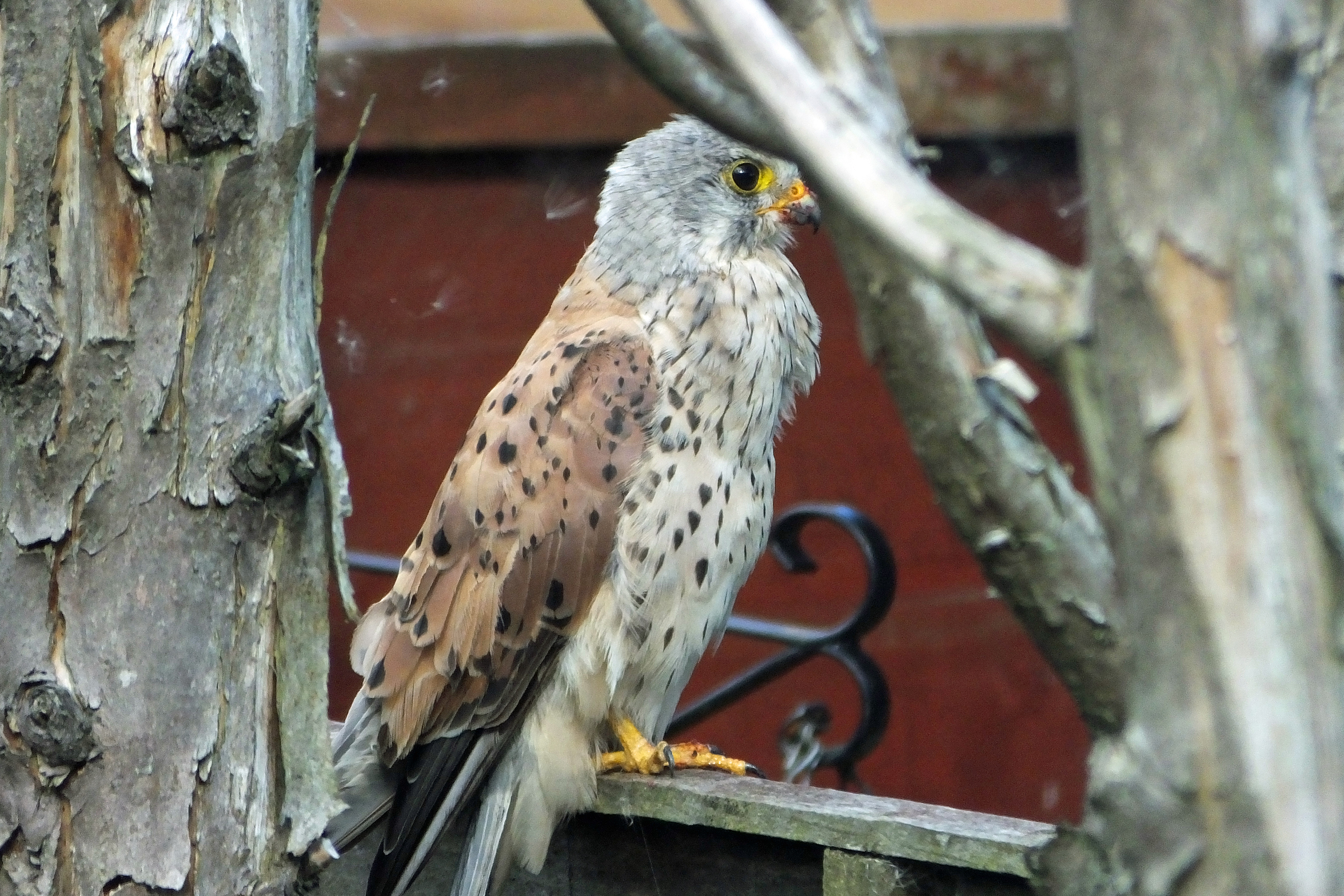
Local resident Andrew Cook also sent us these brilliants photos of a male Kestrel sitting on his garden fence. The Rowley Hills are a great spot for Kestrels as the grassland provides the perfect habitat for voles and mice, which are the Kestrel’s preferred prey. It looks as though this Kestrel may be resting after having recently eaten, as there is a small amount of blood on his beak and talons.

Kestrel (Falco tinnunculus) (image © Andrew Cook)

Kestrel (Falco tinnunculus) (image © Andrew Cook)

Kestrel (Falco tinnunculus) (image © Andrew Cook)

Kestrel (Falco tinnunculus) (image © Andrew Cook)


Another nice local record came from Lukas Large, who recorded this video of a Humming-bird Hawk-moth feeding on nectar from Red Valerian in his garden. As the name suggests, this moth resembles a Hummingbird in flight as it hovers and darts between flowers, its wings humming; Red Valerian is one of its favourite food plants. Humming-bird Hawk-moths migrate to the UK in summer from southern Europe and north Africa.

Harebell (Campanula rotundifolia) (image © Doug Barber)

Harebell (Campanula rotundifolia) (image © Doug Barber)

And finally, some more great news about the Harebells growing on the hillside above Bury Hill Park. Because Sandwell Council very kindly agreed to delay mowing the grass here in order to help conserve these wildflowers, we have been able to collect a large amount of seed from them. For most of the Harebells on that site it is probably the first time they will have produced seed in living memory as by now the whole area would normally have been cut. The seed capsules will now be left to dry out and the resulting seeds sown in suitable locations elsewhere on the Rowley Hills to help to conserve a scarce Birmingham and Black Country plant. This is great news for conservation and biodiversity in the Rowley Hills and we are very grateful to Sandwell Council for their cooperation with our request to put the mowing in this area on hold.

Weird and wonderful creatures in Rowley Hills gardens!

Do you have willows or poplars growing in your garden? If so, look out for the fascinating caterpillars of the Puss Moth which feed on the leaves. These photos were taken a couple of days ago in a garden on the edge of the Rowley Hills. Puss Moths are named for the fuzzy grey fur covering the adult moth’s body, and although the caterpillars can look rather strange they are harmless as long as they aren’t disturbed.

Puss Moth caterpillar (Cerura vinula) (image © Mike Poulton)

Puss Moth caterpillar (Cerura vinula) (image © Mike Poulton)

Puss Moth caterpillar (Cerura vinula) (image © Mike Poulton)

Puss Moth caterpillar (Cerura vinula) (image © Mike Poulton)

Puss Moth caterpillar (Cerura vinula) (image © Mike Poulton)

Puss Moth caterpillar (Cerura vinula) (image © Mike Poulton)


It’s not just the wide open spaces here on the Rowley Hills that contain wildlife. There’s plenty to see in your own back garden if you take the time to look – if you’ve seen anything interesting let us know in the comments below or via our Facebook or Twitter pages!