Tag Archives: butterflies

2017 butterfly walks report

2017 has been a great year for butterflies on Rowley Hills and our two organised walks have been a great success, attracting 12 visitors in June for the first walk and 21 for the second walk in July.Saturday 24th June was sunny and butterflies were plentiful. Ringlets are the commonest butterfly on the hillside in June, and during the walk 149 individuals were counted. The Large Skipper is not large at all and only slightly bigger than its cousin, the Small Skipper. To get a good look at one is not always that easy, especially in bright sunshine when they seldom if ever land. It’s only when they do so that the brown markings are visible on their wings which satisfactorily distinguishes them from Small Skipper. During the walk a fleeting glimpse of a Painted Lady butterfly was a real bonus. This butterfly, whose ancestors started their migration northwards from Africa earlier in the year, several generations down the line, has finally arrived in Britain and it’s highly likely that this individual was only passing through on its way towards Scotland and beyond. This is the longest migration by any one species of butterfly and we felt very privileged to have seen one. For those interested in reading more about the incredible journey of the Painted Lady butterfly go to http://butterfly-conservation.org/5183-2342/painted-lady-migration-secrets-revealed.html and other similar websites.

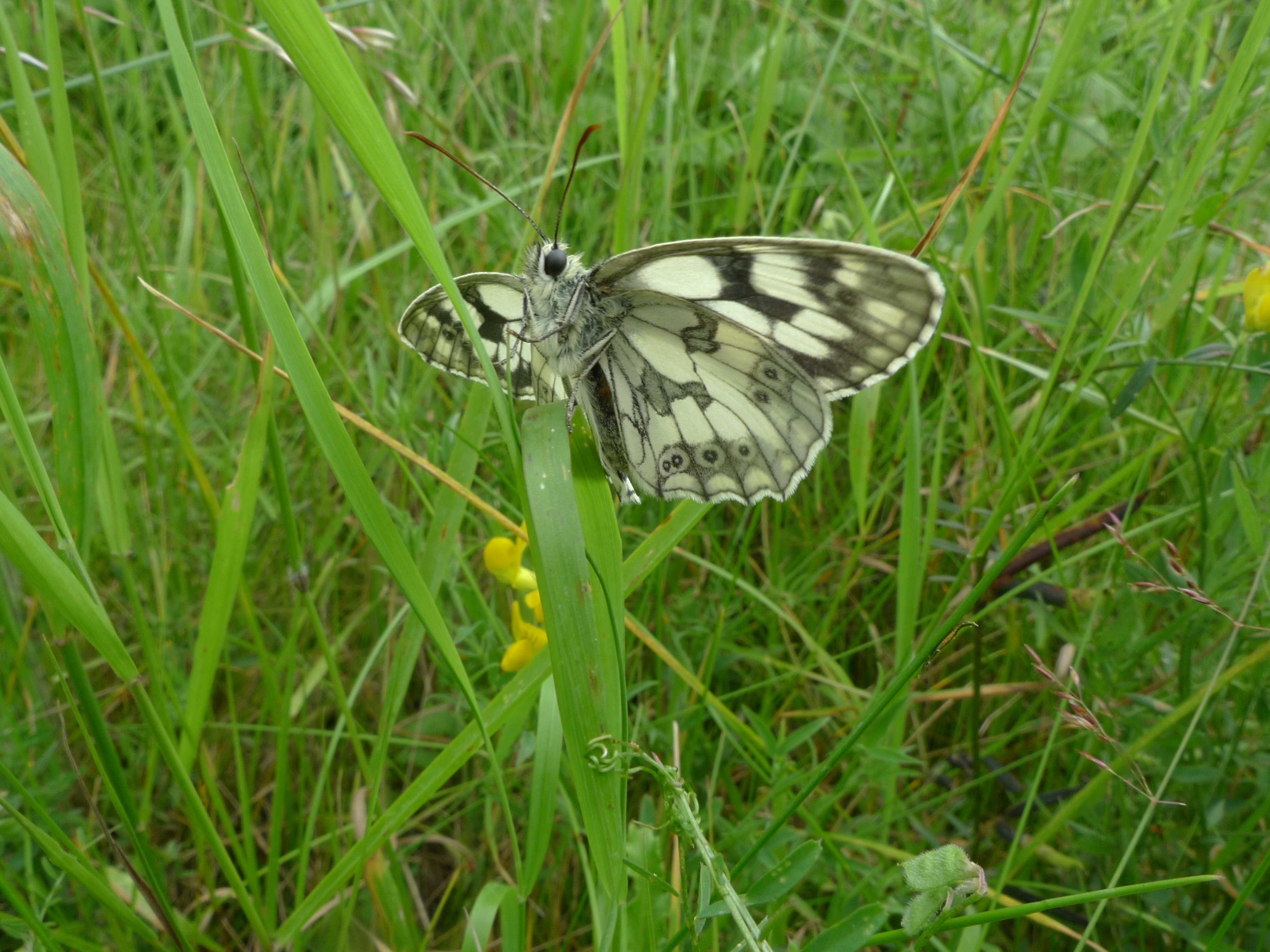
The numbers of Marbled White on Rowley Hills had still to peak but nonetheless we still managed a count of 17. In some years hundreds can be seen fluttering above and in between grass tufts searching out mates, or in the case of females, randomly scattering eggs on to blades of grass as they go, across the whole of the hillside. Other butterflies and day-flying moths seen on this first walk were Red Admiral, Small Tortoiseshell, Speckled Wood, Meadow Brown, Six-spot Burnet, Latticed Heath and Burnet Companion.

In contrasting weather conditions, our second butterfly walk on Saturday 15th July started off overcast and cool with a blustery wind. This did not deter 21 people from turning out and as the morning passed conditions improved considerably, although we never actually saw any sunshine. When butterflies shelter from the wind and rain they get well down into the vegetation making finding them difficult. However, it wasn’t long before one sharp-eyed group member spotted our first butterfly of the day, a Small Skipper. This small, orange-brown butterfly looks very much like the Essex Skipper. Both are found on Rowley Hills and a close inspection of the underside of the antennae is necessary to separate the two. Good photographs of both can be found in books and on the internet for those interested in seeing the differences. It wasn’t long before we spotted the first Marbled White of the day, soon followed by a Ringlet, Meadow Brown, Gatekeeper, and Shaded Broad-bar. The distinctive black spots on a red background of the Six-spot Burnet is a warning to would-be predators that they are distasteful and should be avoided. The closely related Narrow-bordered Five-spot Burnet has very similar markings and both were seen during the walk.
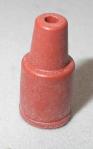
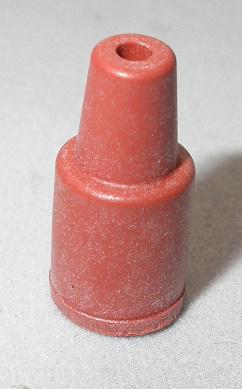
Bung containing Six-belted Clearwing pheromones

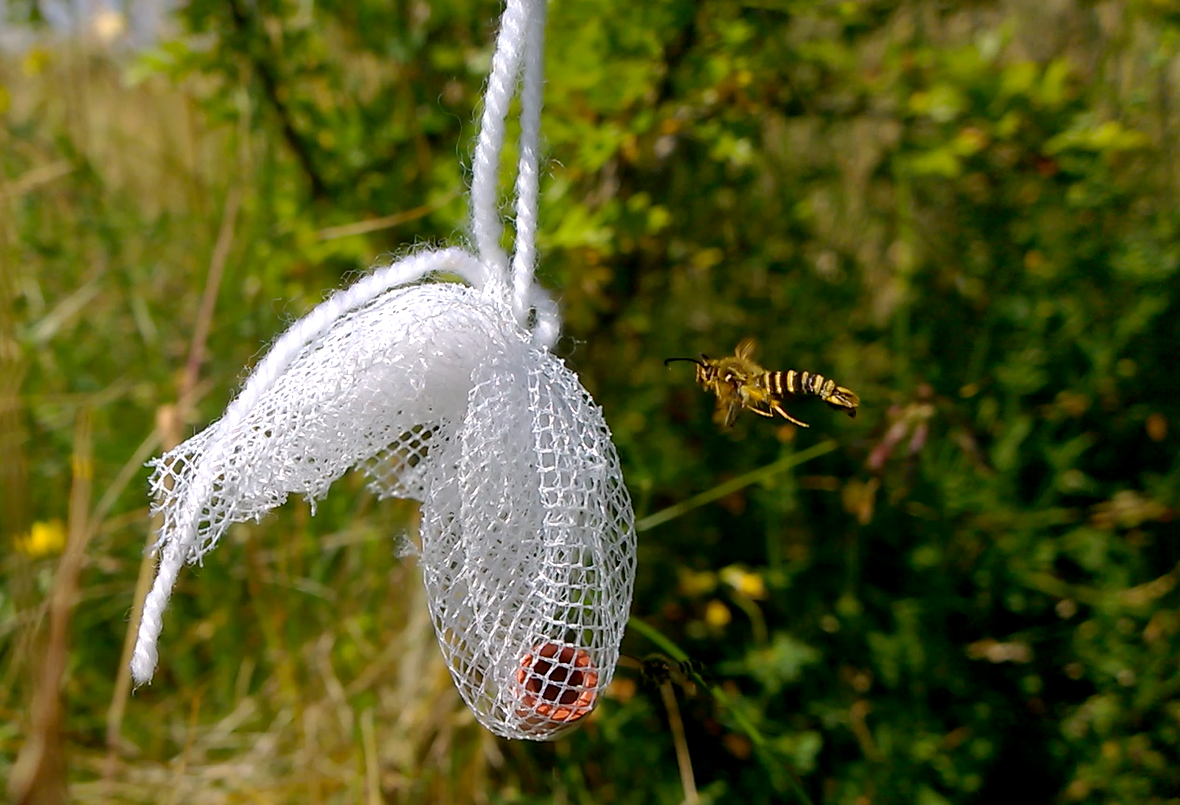
We were fortunate to have Richard Southwell, a well-respected local lepidopterist with us today, and he had brought pheromones along with him to try to lure Six-belted Clearwing moths. This black and yellow moth has long been known from the Portway Hill site, but is rarely if ever seen. To look at, the adult moths are similar in appearance to wasps and hoverflies and this is possibly one reason why they go unnoticed. As we approached the land owned by the Wildlife Trust, Richard went on ahead of the rest of the party and hung the netted pheromone bung close to a patch of Bird’s-foot Trefoil, the moth’s food plant, in the hope of attracting moths to the lure by the time we got to him. Alas, on this occasion nothing came. Not to be deterred we continued our walk, heading upwards along the recently opened route through the old quarry, which brought us out at the top of Bury Hill Park. As we walked, Bullfinch, Goldfinch and Speckled Wood butterflies were noted.

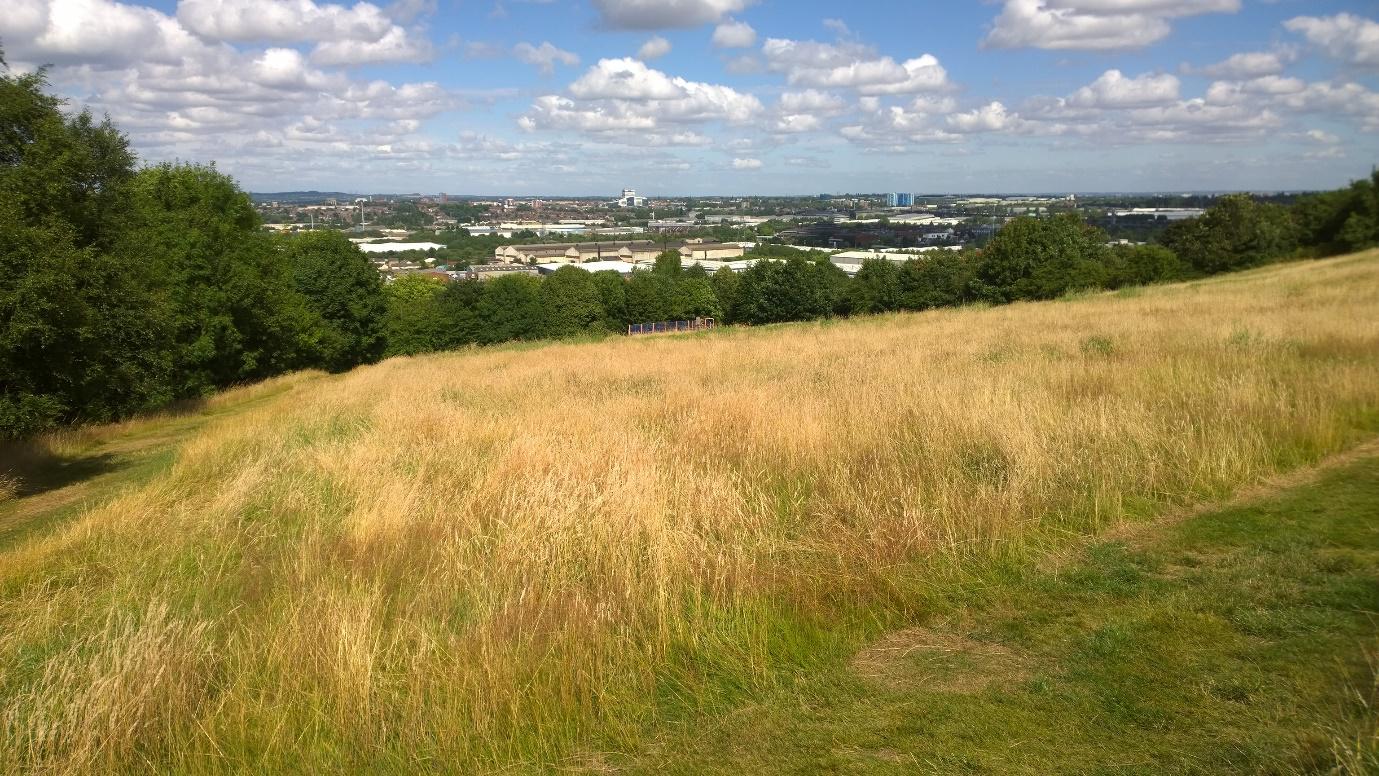
Bury Hill Park (image © Mike Poulton)

The views towards Birmingham and beyond from the top of the park are quite stunning, and in the unmown grassland, patches of Harebells were now flowering. Bury Hill Park grassland probably has the largest population of harebells in the whole of the Black Country and it was reassuring to see that the council had left the grass uncut giving the harebells the opportunity to flower and set seed.
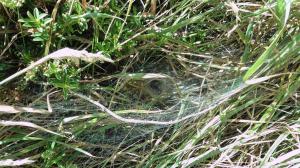
Labyrinth spider web (image © Mike Poulton)

Moving on from here we followed the track along the rear of the gardens in St Brades Close passing several webs of the unmistakeable Labyrinth spider Agelena labyrinthica. The webs of this spider are constructed in south-facing hedgerows from July to September and are sometimes so thickly woven that they appear white in colour. At the one end is a funnel shaped retreat, and further down the funnel there is a labyrinth of tunnels which gives this spider its name. Hidden deep down in the centre is the egg sac containing the developing young. The females remain with the young until they are ready to leave the web and in the event of the mother dying before the spiderlings are ready to leave the web, the young will eat their mother!
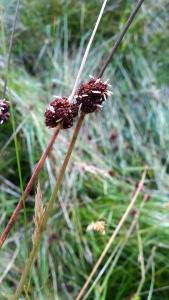
Case Bearer moth on Compact Rush (image © Mike Poulton)

Even in the driest of summers the ground at the rear of the gardens in St Brades Close is always wet. Rushes, sedges, Tufted Hair-grass, Great Willowherb and Reed Canary-grass thrive in these conditions, and as we passed our eyes were drawn to the numerous little whitish-coloured cases attached to almost every flower head on the Compact Rush. These were later identified as Case Bearer moth larvae Coleophora sp. This is a large group of similar-looking micro-moths whose larvae feed on flowers and seeds of various plants from within protective silken cases. 

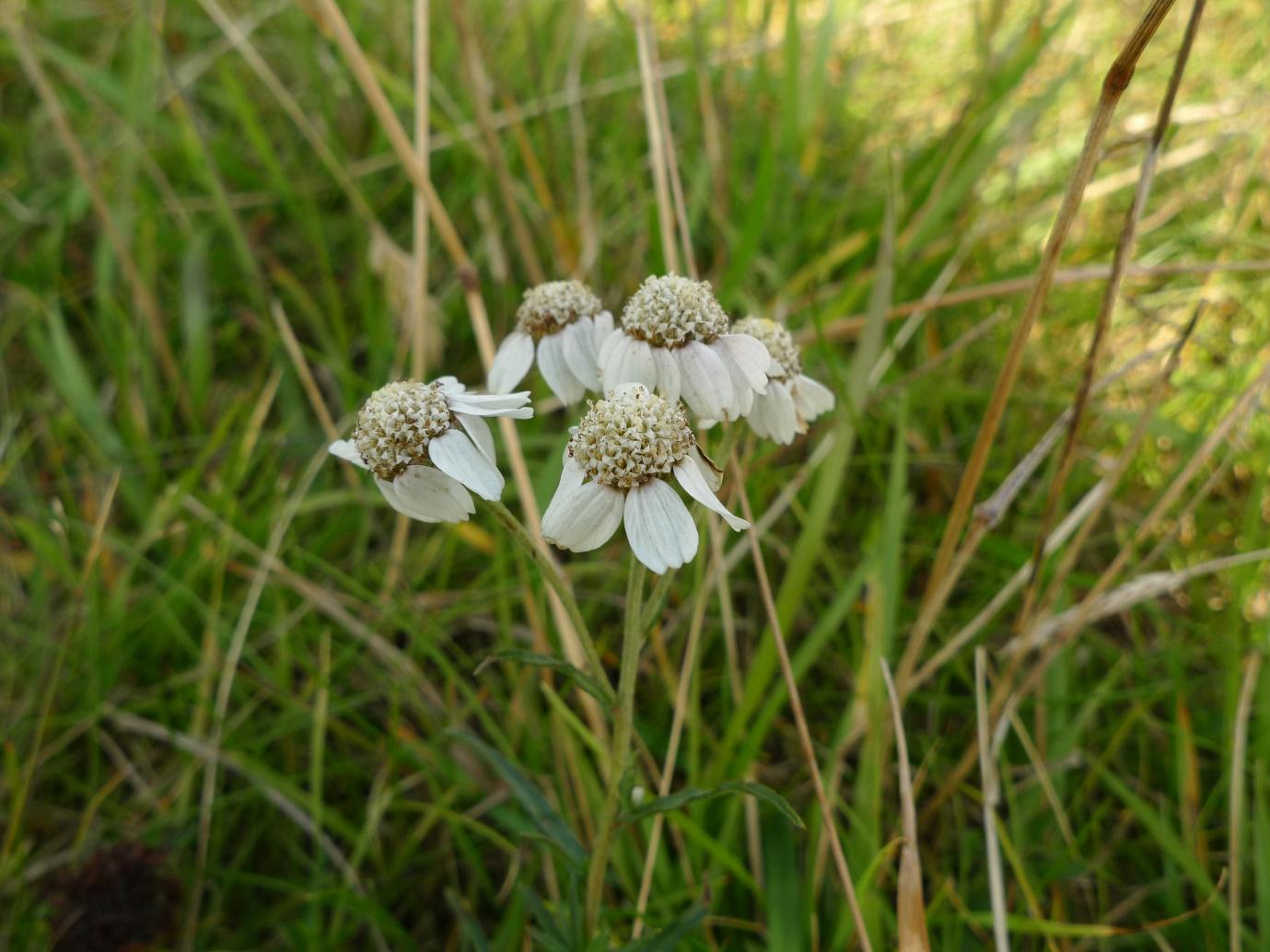
A little further on we arrived at the only known patch of Sneezewort on Portway Hill and nearby, a large Roesell’s Bush-cricket was spotted in the grassland.
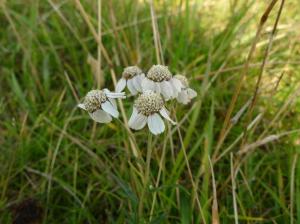
Sneezewort (image © Mike Poulton)
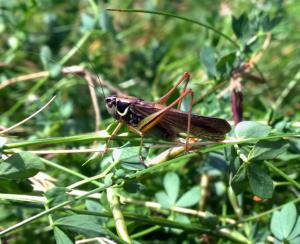
Roesel’s Bush Cricket (image © Mike Poulton)


Making our way back towards the start point a second attempt with the pheromones this time proved successful and within less than two minutes of positioning the bung near to a patch of Bird’s-foot Trefoil, several male Six-belted Clearwing moths had come to investigate. It was difficult to determine just how many individual moths there were as they fly so quickly but we estimated that there were at least 12. Flushed with success the pheromones were put down in two other spots where Common Bird’s-foot Trefoil was growing, and on each occasion clearwing moths appeared in no time at all. A great finale to another interesting walk.

Six-belted Clearwing (image © Andy Purcell)
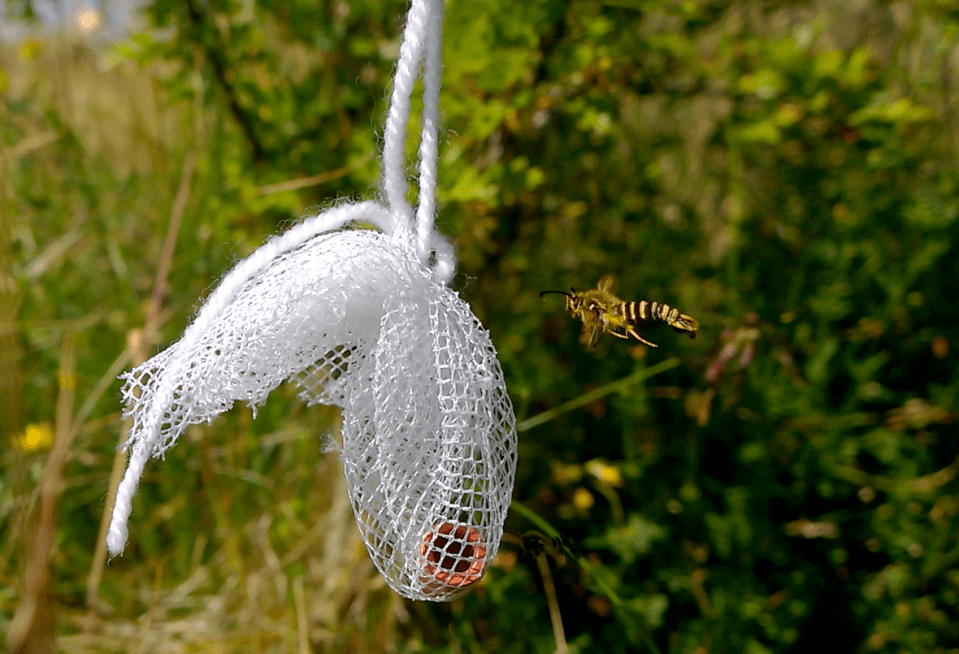
Six-belted Clearwing (image © Mike Poulton)

Mike Poulton, July 2017

Save
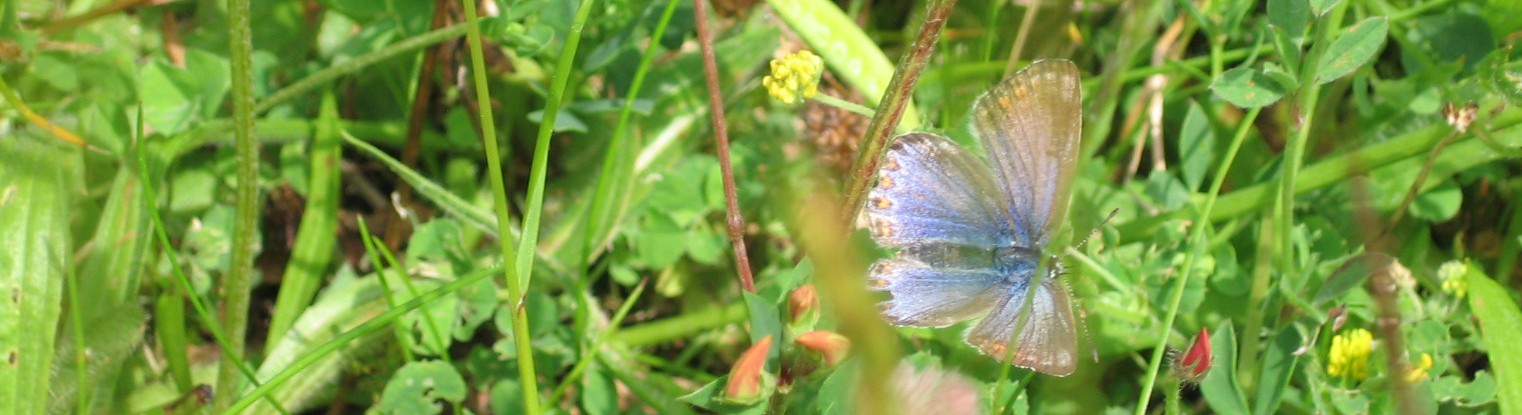
New summer events!

We’ve added a couple of fantastic walks to our events programme for this summer. Hope to see you there!

Portway Hill butterfly walk, Saturday 24th June 2017, 10:00am – 12:00pm. Join us and the Wildlife Trust for Birmingham & the Black Country for a guided walk around the Rowley Hills. The flowers on the hillside should just about be at their best by this time and if the day is sunny we will see many species of butterflies, including Marbled White; Portway Hill is one of this species’ hotspots in Birmingham and the Black Country. Meet on St Brades Close; ensure you are dressed appropriately for the forecast weather conditions, and wear sturdy footwear. No need to book, just turn up!

Butterflies, day-flying moths and wildflowers walk, Saturday 15th July 2017, 10:30am – 12:30pm. Join FORH Chair Mike Poulton and Richard Southwell from Butterfly Conservation West Midland Branch for a fascinating walk seeking out the butterflies, day-flying moths and wildflowers of the Rowley Hills. We will even be using pheromones to attract particular species! Walking boots are recommended and binoculars would also be useful. Meet on the roadside near the Total garage on Wolverhampton Road, just below the Brewers Fayre/KFC at the entrance to the Portway Hill site.

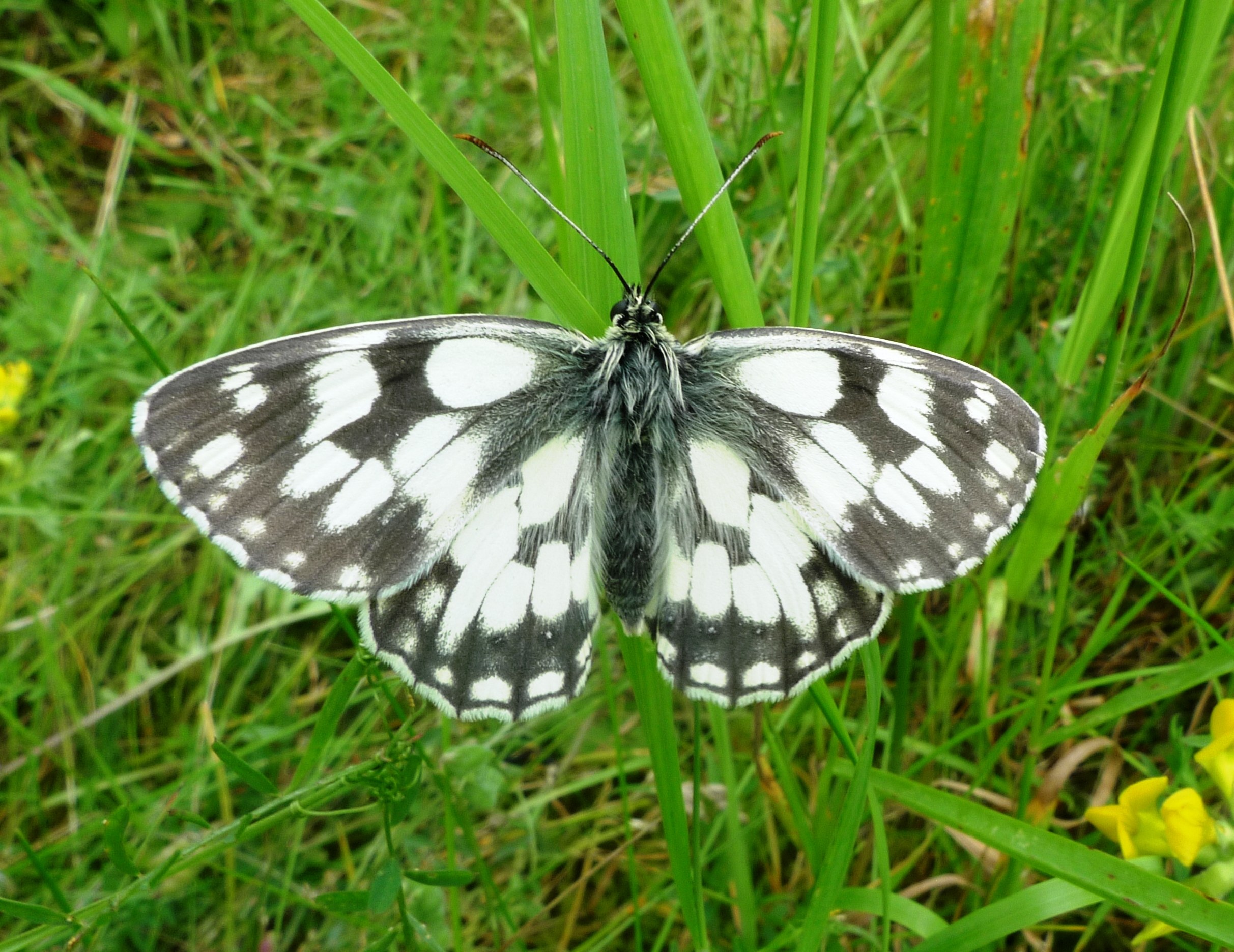
Marbled White butterfly (Melanargia galanthea) (image © Mike Poulton)


Dawn chorus walk report

Following on from our successful dawn chorus event last year, on Sunday May 7th we held our second annual Dawn Chorus walk on the Rowley Hills, once again led by local bird expert Nick Horton. Eleven attendees met at 7:00am at the cairn on Portway Hill in sunny, still weather conditions with a little chill in the air. We headed through the canyon to Bury Hill Park, across Portway Hill towards Turners Hill, and then down towards Warrens Hall Park, passing Warrens Hall Farm Riding School. In total we saw or heard 38 bird species.

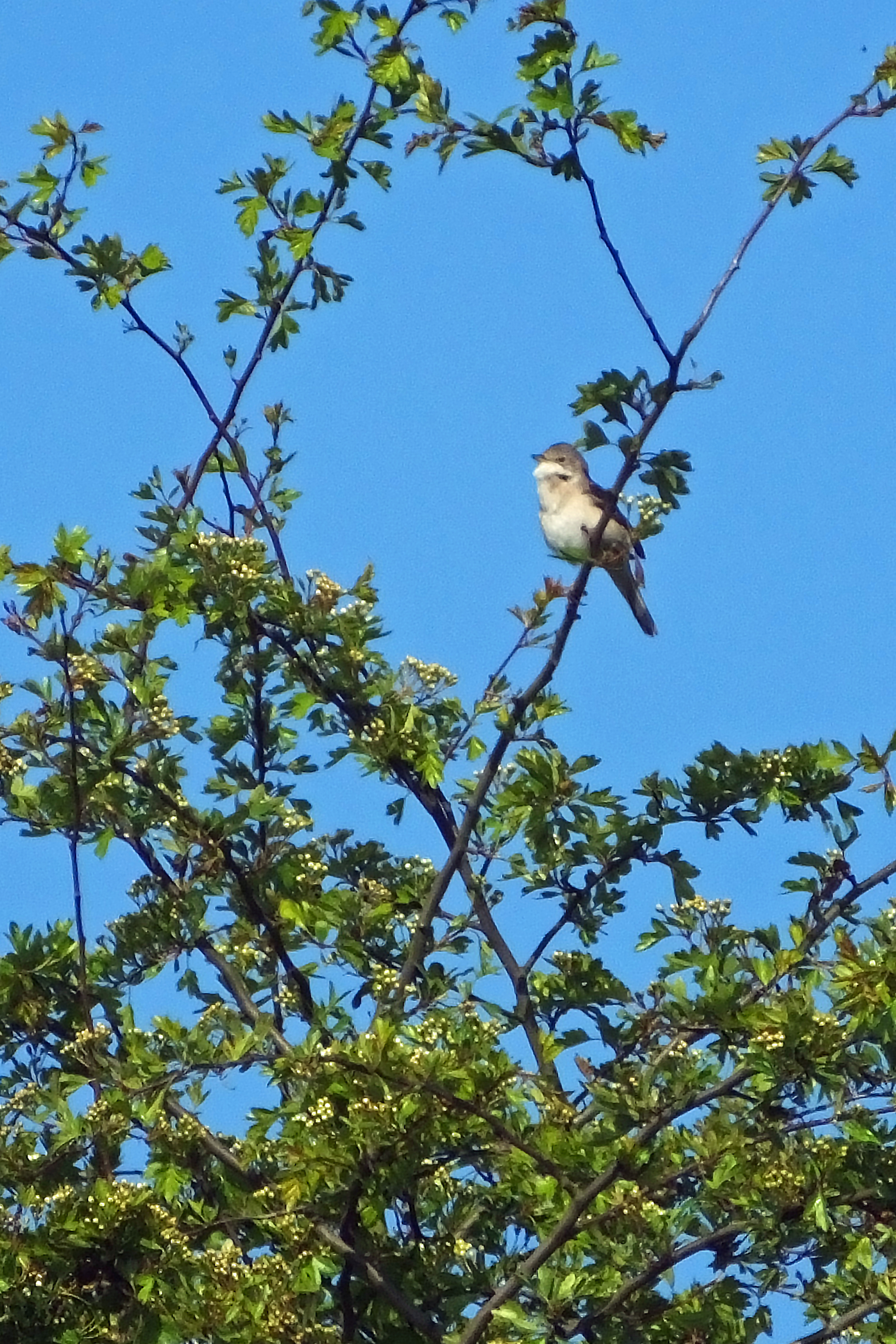
Whitethroat (Sylvia communis) (image © Andrew Cook)

Before setting off from the cairn Nick briefed us on which birds we should be particularly looking out for at this time of year and made us aware of some of his recent sightings on Portway Hill. Almost immediately, one that he had mentioned, our first Whitethroat of the day, and almost certainly a male, was seen launching itself skywards and then dropping down into a nearby patch of bramble in which there was probably a nest. Whitethroat is a summer visitor to our shores, arriving from Africa during April. The breeding habitat requirements of this bird are met with perfectly up here on Portway Hill, dense patches of scrub for nesting and an abundance of insects in the surrounding grassland on which to feed their young. Their numbers, Nick told us, are on the increase on this site, with many pairs noted in suitable habitat all over the hillside.

As we headed along the recently opened-up right-of-way through the old canyon leading out onto the top of Bury Hill Park we saw Long-tailed, Blue, Great Tit and Chiffchaff and a Blackcap was heard in the distance. High up above us, recently arrived House Martins and Swallows were a reminder of the summer yet to come.

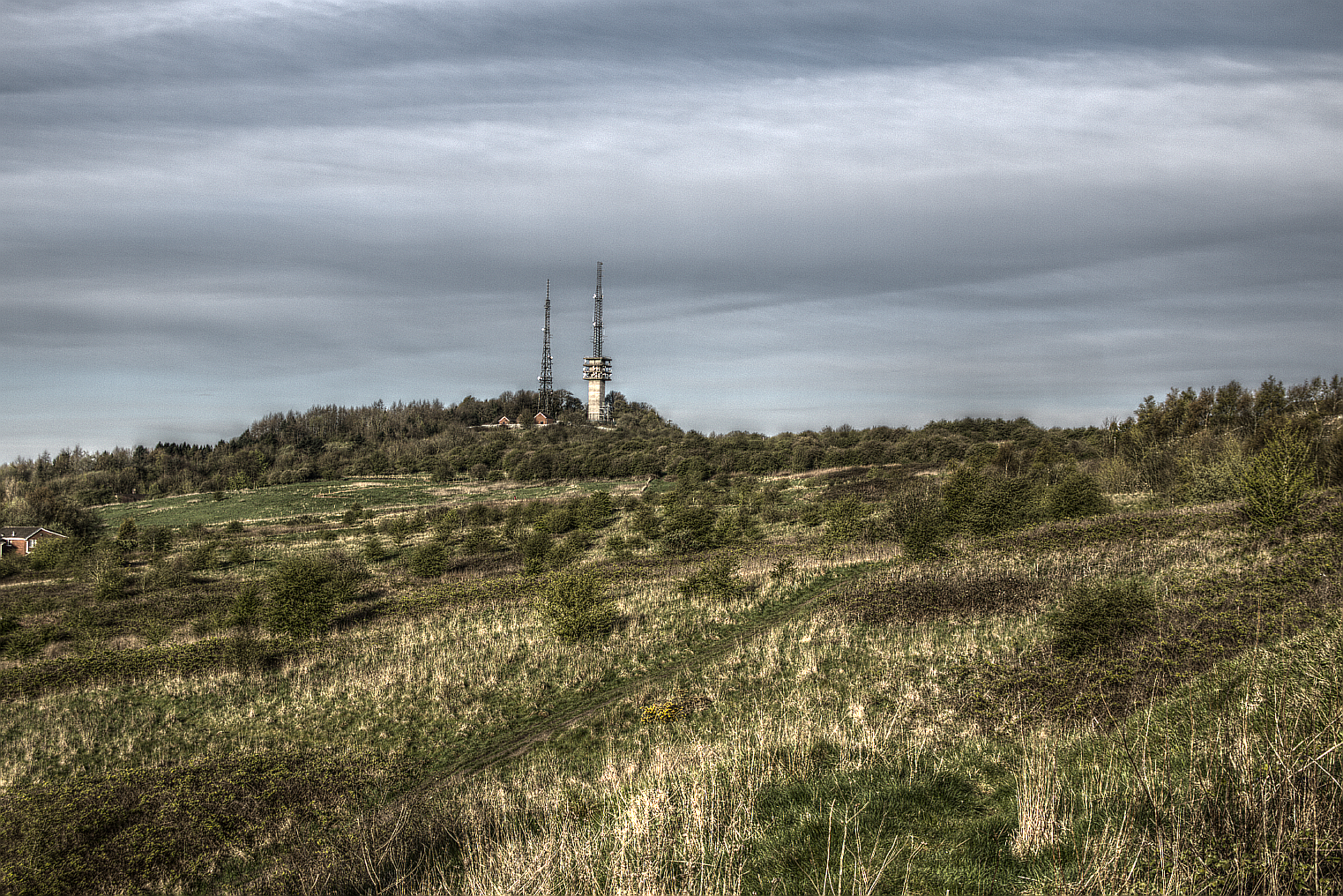
After taking in the panoramic views towards Cannock, Barr Beacon and Birmingham city centre from the top of Bury Hill Park we set off in the direction of the masts on Turners Hill pausing briefly to count 13 Swifts soaring overhead. Stopping near the extensive patches of bramble and other rank vegetation about halfway up the hillside Nick pointed out where he had previously seen Lesser Whitethroat, and as if by order, one was spotted flying low over the bramble into a nearby hawthorn bush. With similar habitat requirements to Whitethroat the Lesser Whitethroat is much less common and more secretive and can be difficult to spot.

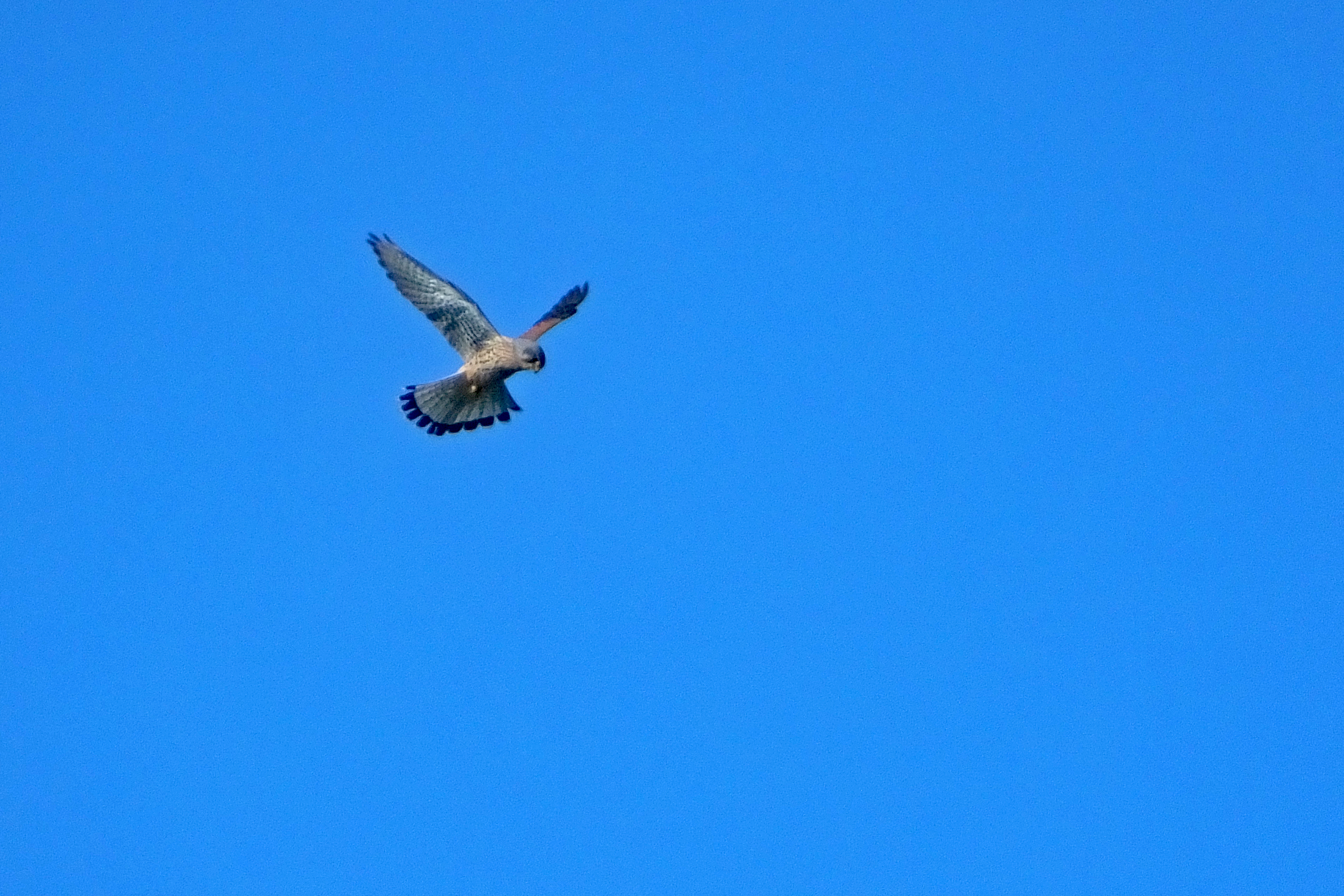
Kestrel (Falco tinnunculus) (image © Andrew Cook)

As we approached the upper regions of Portway Hill a Kestrel was hovering above the open grassland and provided a perfect photographic opportunity for those of us with a camera and telephoto lens. Nearby, from the top of the nearby hawthorn hedge, a Blackcap obligingly made its presence known.

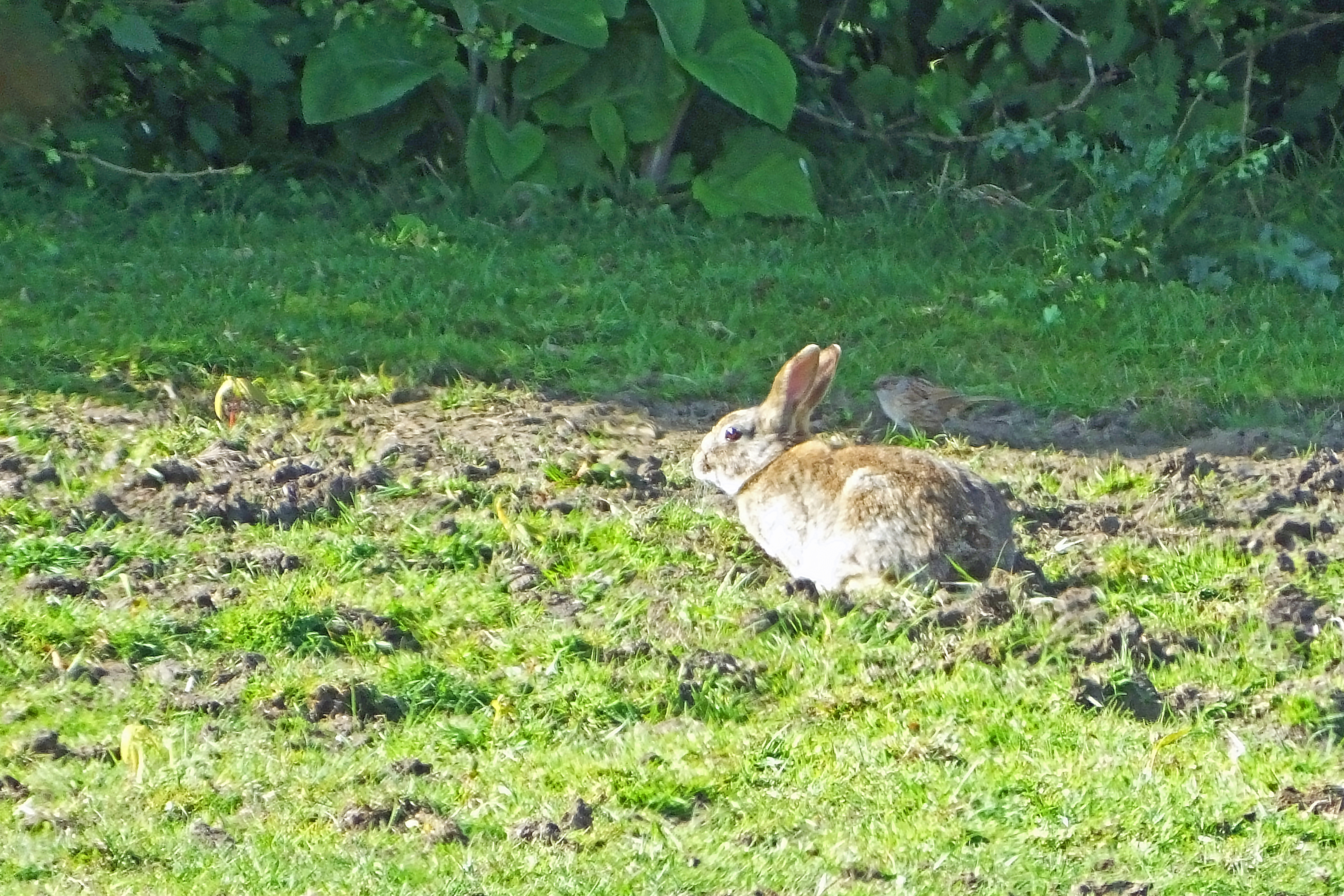
Rabbit (Oryctolagus cuniculus) (image © Andrew Cook)

As we neared the masts on Turners Hill, two of our larger raptors were noted; a Buzzard was soaring high overhead and a fleeting glimpse of a Peregrine was made by just a few of the group. A rabbit foraging in the nearby horse field was a first on this site for most of us. The morning sunshine had brought out the golfers so on this occasion the golf course was avoided and instead some of the party continued down Oakham Road towards the riding stable. By now the sun was high in the sky and it was becoming quite warm with butterflies becoming active. As we headed along the track which runs along the back of the stables and then descends, passing the fishing pond on the right, we noted Speckled Wood, Orange-tip and Green-veined White. Numerous Long-awned Moths, flitting about and alighting upon newly opened Wych Elm leaves were a pleasant distraction in the morning sunshine and a Holly Blue butterfly was yet another addition to our butterfly list.

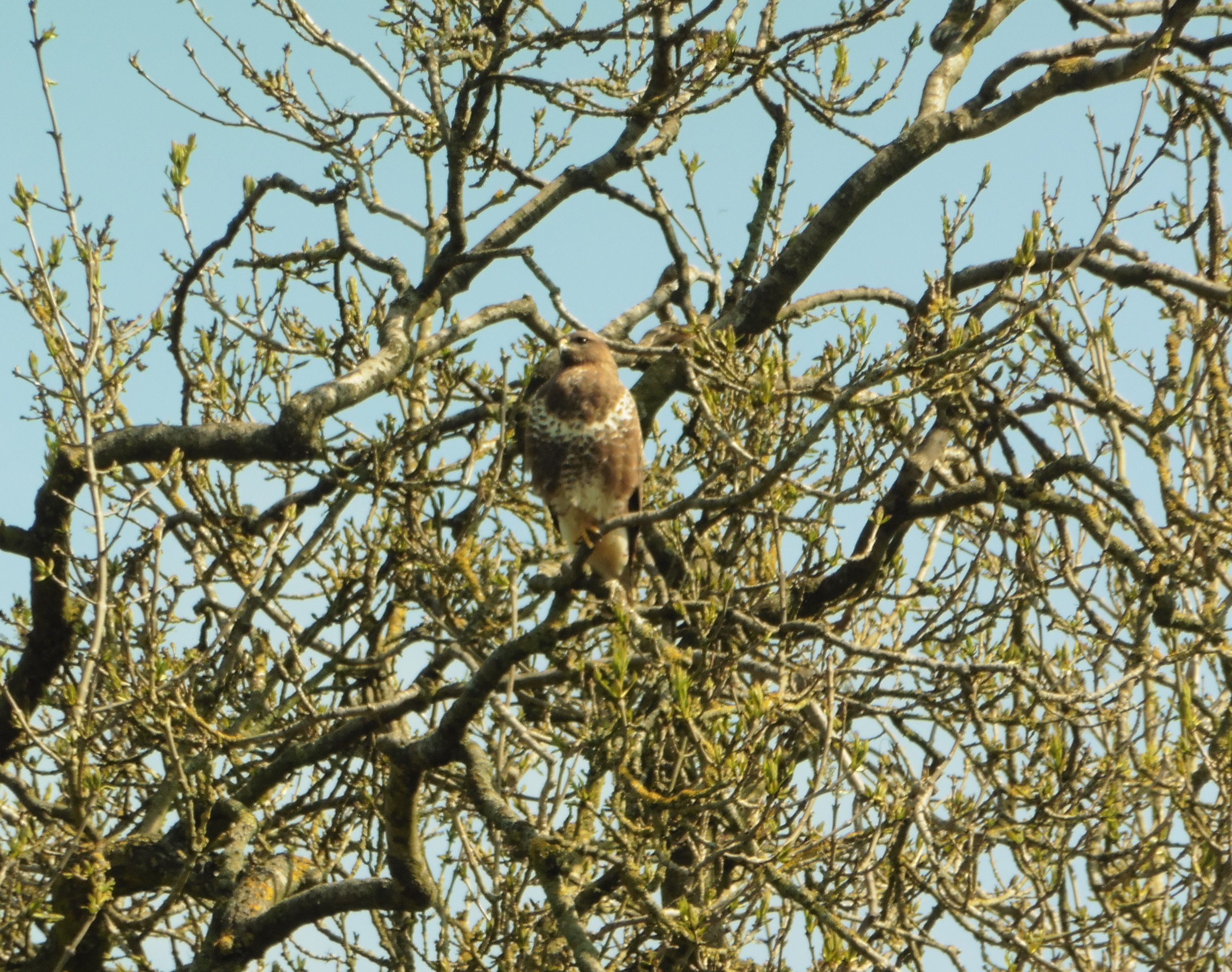
Buzzard (Buteo buteo) (image © Mike Poulton)

A small warbler noted in the hedgerow was confirmed by Nick as Garden Warbler after consulting his bird book to compare it with the very similar and much commoner Chiffchaff. Debatably, the most memorable sighting was probably our last of the day. There before us in a large Ash tree, whose leaves were not yet open, sat a Buzzard, totally oblivious of our presence. Through binoculars it was apparent just how large this bird is and how fortunate we are to have them here on the Rowley Hills in such good numbers. Our thanks once again go to Nick for leading us and for passing on his invaluable knowledge of the bird life of this area and we look forward to him leading another bird walk for us towards the end of the summer.

Birds Butterflies and Moths
Blackbird Garden Warbler Mallard Orange-tip
Blackcap Goldfinch Moorhen Speckled Wood
Blue Tit Great Tit Peregrine Green-veined White
Bullfinch Green Woodpecker Peregrine Falcon Holly Blue
Buzzard Greenfinch Robin Long-awned Moth (species not confirmed)
Canada Goose Heron Song Thrush
Carrion Crow House Martin Starling
Chaffinch House Sparrow Swallow
Chiffchaff Kestrel Swift x 13
Collared Dove Lesser Black-backed Gull Whitethroat
Common Gull Lesser Whitethroat Woodpigeon
Coot Long-tailed Tit Wren
Dunnock Magpie

Save
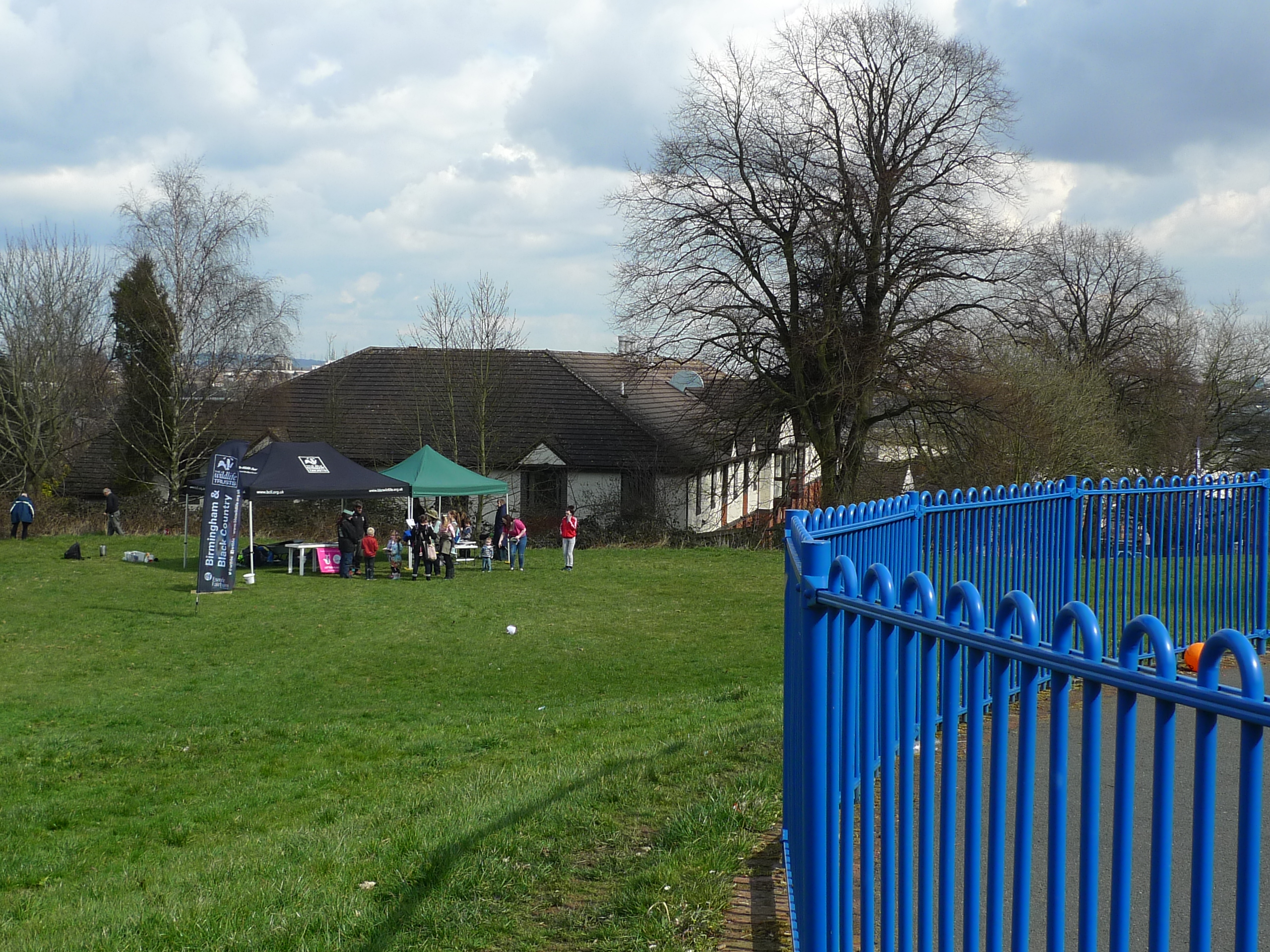
A few photos from Portway Hill

The Portway Hill site is really coming to life now with spring flowers appearing and Small Tortoiseshell, Peacock, Orange-tip, Green-veined White and even Green Hairstreak butterflies putting in an appearance. Here are a few photos of some of the flowers, including a couple of fruit trees – most likely to have been seeded on the hills via bird droppings.

Warm weather brings out the butterflies!

The unseasonable warm, dry weather we are currently experiencing has really brought out butterflies in good numbers. Peacock, Small Tortoiseshell, Orange-tip, Speckled Wood and even a Brimstone have been seen on the hillside over the past week. Hopefully, this spring will be much better than last year, which was wet and cold right up until the end of May, and these last few days are just a taster of more fine weather to come. Please remember, if you have any wildlife sightings from the Rowley Hills that you would like to tell us about, or any interesting photographs you would like to see on the website, then please let us have them – you can comment below, or on Facebook or Twitter.

Wild Rowley Hills – free family fun day tomorrow!

Tomorrow (30th July) the Friends of Rowley Hills and the Wildlife Trust for Birmingham & the Black Country are holding a free family fun day in Bury Hill Park; we hope to see some of you there! Have a go at our amazing treasure hunt – see if you can unravel the secret animal’s name to earn your treasure! You could also have a go at some of the fun crafts for all ages, from clay art to making wildlife headbands. Botanist Mike Poulton will be leading a free guided walk over the Rowley Hills starting at 11:30 am, highlighting some of the fantastic things on the way from butterflies through to mouse-ear wildflowers. You will also be able to meet staff from The Wildlife Trust for Birmingham and the Black Country and members of the Friends of the Rowley Hills to learn how we are working together to improve the hills for wildlife and the community. The Friends of Rowley Hills will have a stall selling cakes and plants too. Please note – the guided walk will not be suitable for buggies or wheelchairs as the walk will be over uneven ground and over the Portway Hill site. Please wear appropriate footwear for the guided walk as the ground is uneven and paths might be slippery if there has been recent rain.

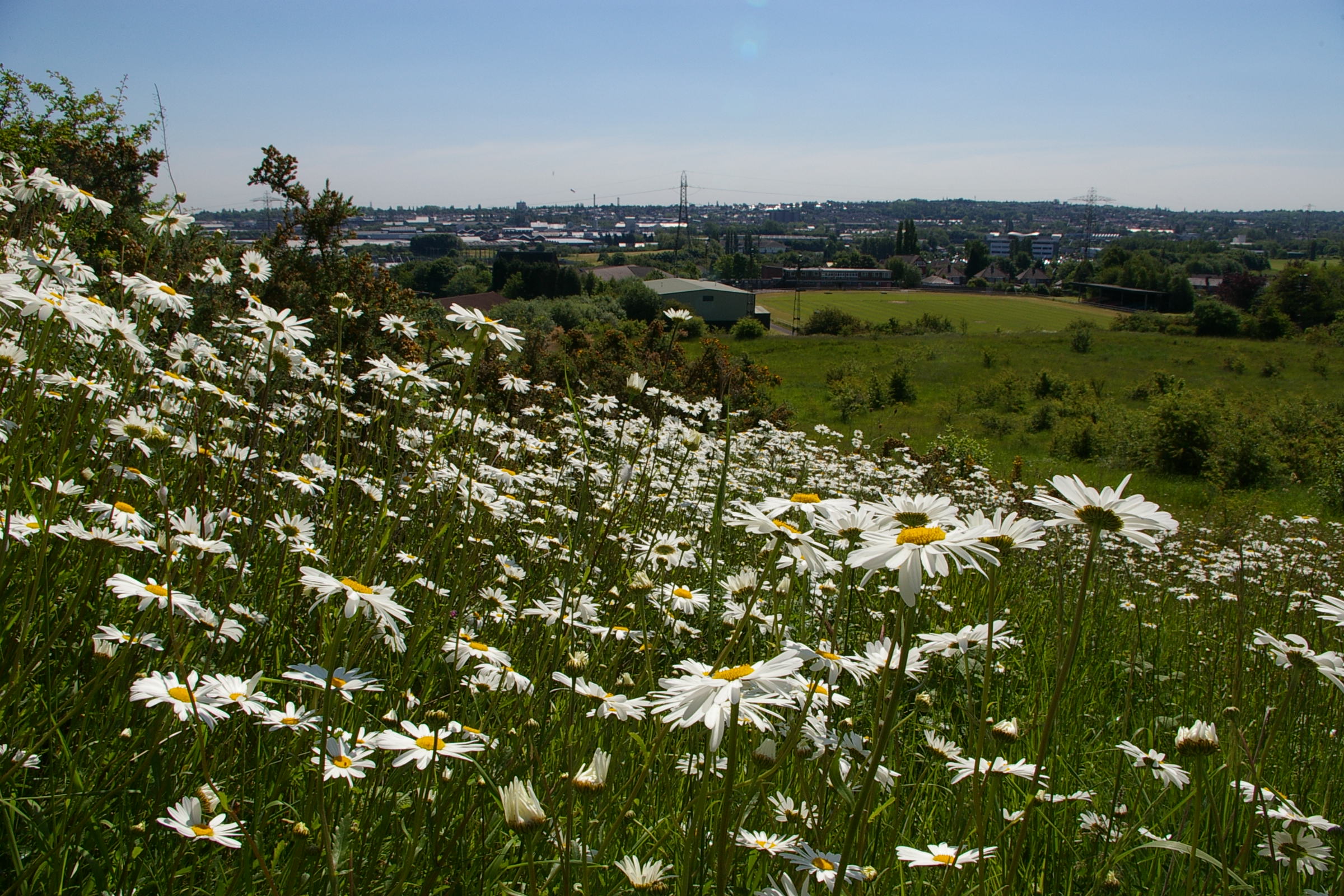
Oxeye Daisies (Leucanthemum vulgare) on bank (image © Mike Poulton)

Oxeye Daisies (Leucanthemum vulgare) on bank (image © Mike Poulton)

Butterfly walk this Thursday!

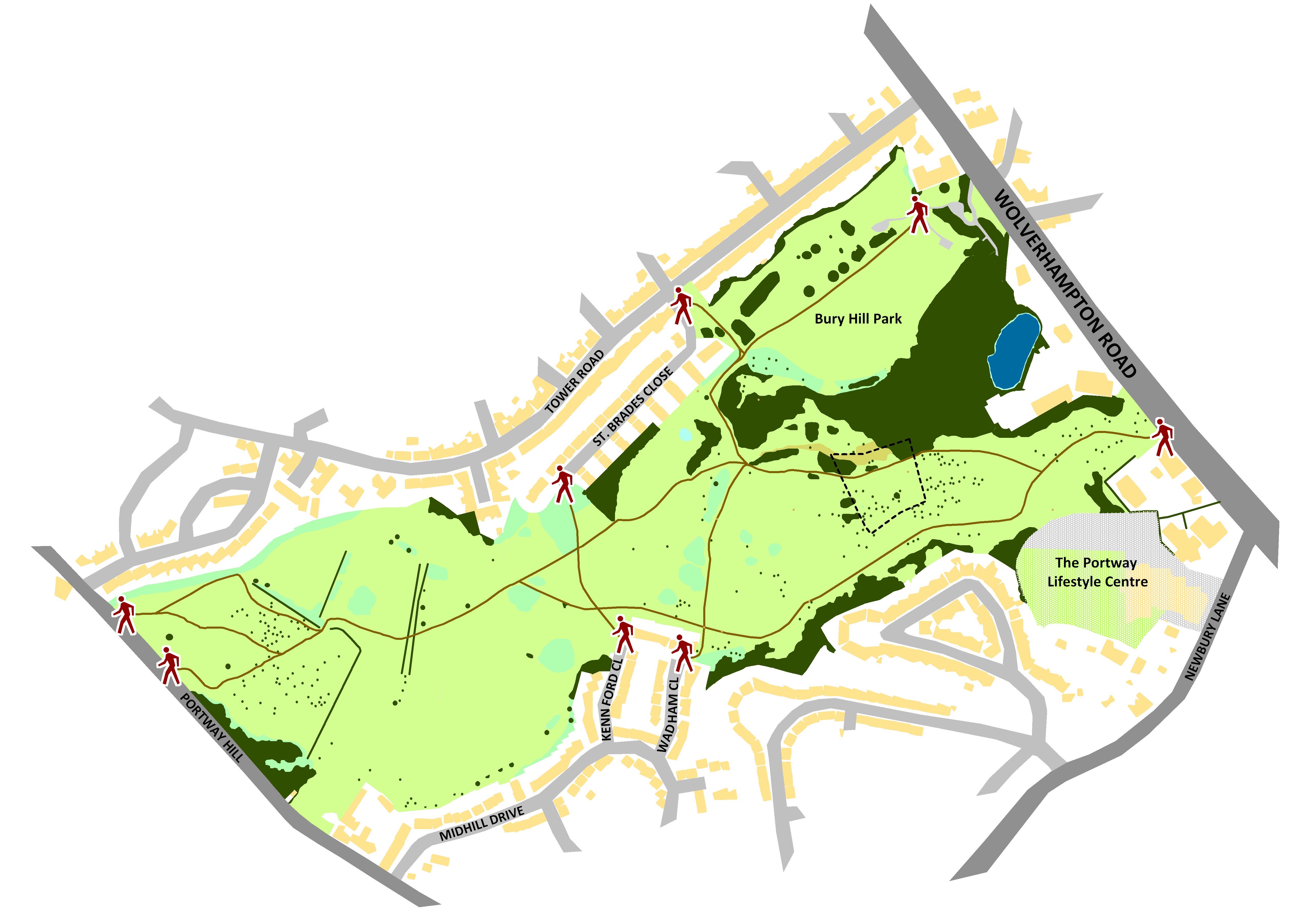
Marbled White butterfly (Melanargia galanthea) (image © Mike Poulton)Just a quick reminder that we have an exciting event on this Thursday (23rd June), 11:00am – 1:00pm; in partnership with Butterfly Conservation, our Vice Chair Mike Poulton will be leading a guided butterfly walk around Portway Hill, following a route Mike wrote for the the recently published ‘Butterflies of the West Midlands‘ book. Copies of this excellent book will also be available to buy at the event. This is a peak time for butterfly activity and as long as the weather is good we should see significant numbers of different species. Walking boots are recommended and binoculars would also be useful. Meet on the roadside near the Total garage on Wolverhampton Road, just below the Brewers Fayre/KFC at the entrance to the Portway Hill site (see map below).

Rowley Hills map showing paths and access points

Save
Forthcoming events

Portway Hill (image © Jane Tavener)We’ve got loads of great events in the calendar over the next few months and we hope to see you at a few of them. The next one is a litter pick on Portway Hill tomorrow, and hopefully the weather forecast will hold for that! If you’re planning to come to any of our conservation volunteer days, please fill in your name and tick the dates you are coming to in this Doodle poll. There’s no limit to the number of people who can attend, it just gives us an idea of how many to expect!

  • Conservation volunteer day, Portway Hill, Saturday 7th May 2016, 10:00am – 3:00pm. Join the Wildlife Trust for Birmingham & the Black Country for a fun day out meeting new people, helping the environment and learning new skills. We will be conducting a litter pick along Portway Hill. Meet at Kennford Close.
  • Conservation volunteer day, Portway Hill, Saturday 14th May 2016, 10:00am – 3:00pm. Join the Wildlife Trust for Birmingham & the Black Country for a fun day out meeting new people, helping the environment and learning new skills. We will be improving access onsite by installing a crushed dolerite path through the Wildlife Trust-owned section of the site. Meet at St. Brades Close.
  • Conservation volunteer day, Thursday 19th May 2016 – venue TBC.
  • Geoconservation day, Portway Hill, Saturday 21st May 2016, 10:30. The Black Country Geological Society will be carrying out conservation work on Portway Hill to ensure the Rowley Rag rock exposures are not overgrown by brambles. Check their website for more information. No need to book.
  • Butterflies and Flora on the Rowley Hills – guided walk, Saturday 4th June 2016, 10:30am. This is a joint meeting with Sandwell Valley Naturalists Club (Sandnats); Mike Bloxham and Mike Poulton will be leading a guided walk at a peak time in the season for wildflower displays and insect life on the Rowley Hills. Walking boots are recommended and binoculars would also be useful. Meet on the roadside near the Total garage on Wolverhampton Road, just below the Brewers Fayre/KFC at the entrance to the Portway Hill site (see map below).
  • Butterfly walk, Portway Hill, Thursday 23rd June 2016, 11:00am – 1:00pm. In partnership with Butterfly Conservation, our Vice Chair Mike Poulton will be leading a guided walk around Portway Hill, following a route Mike wrote for the the soon-to-be published ‘Butterflies of the West Midlands‘ book. This is a peak time for butterfly activity and as long as the weather is good we should see significant numbers of different species. Walking boots are recommended and binoculars would also be useful. Meet on the roadside near the Total garage on Wolverhampton Road, just below the Brewers Fayre/KFC at the entrance to the Portway Hill site (see map below).
Rowley Hills map showing paths and access points

Rowley Hills map showing paths and access points

Awards for All Easter success!

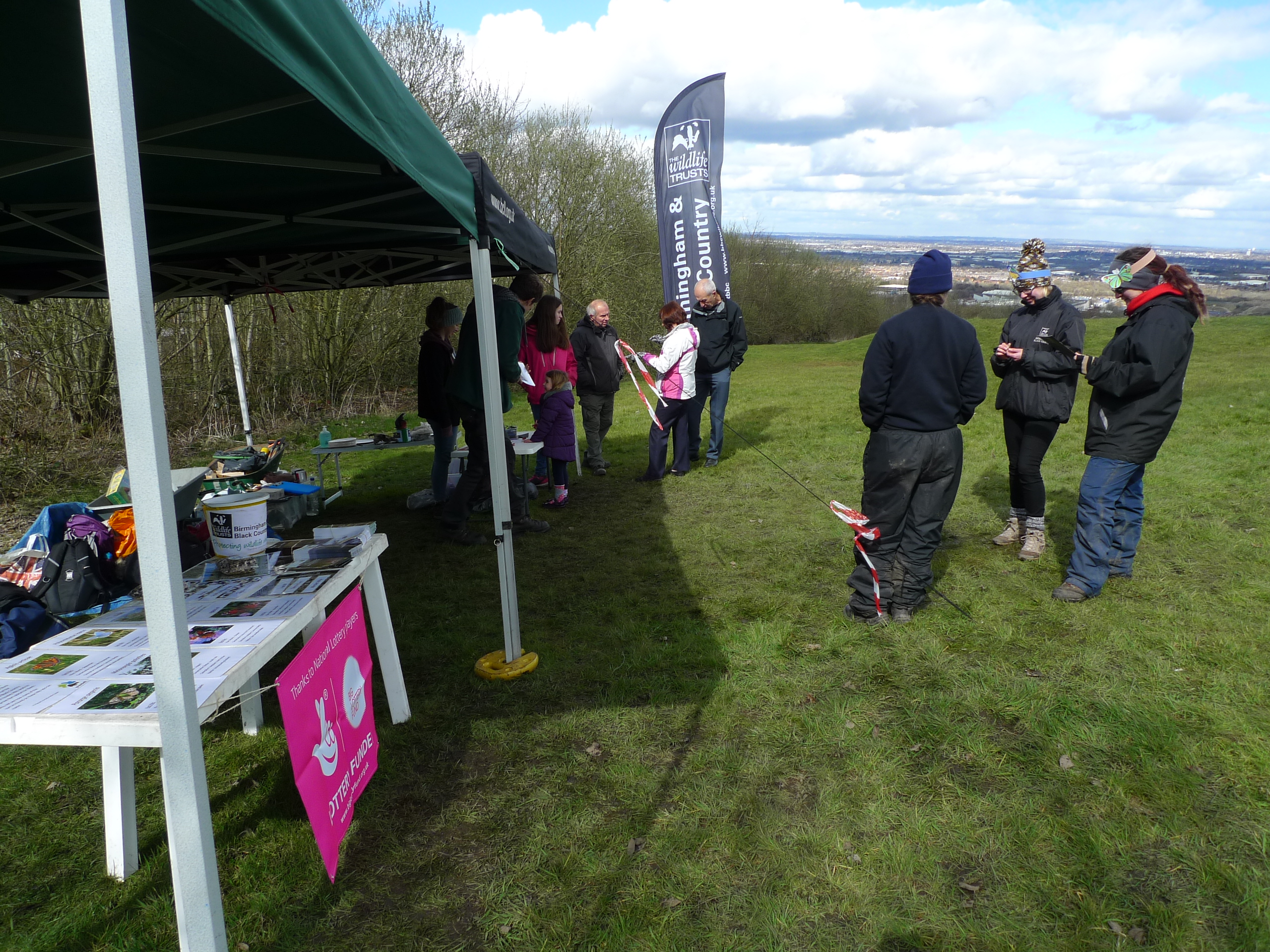
The Wildlife Trust put on two very successful AFA (Awards for All) Lottery-funded events for us over the Easter week. On Wednesday Natalie Bellfield had a very good turn out for her Mothers and Toddlers walk from Oakham Library up onto View Point Open Space, where the children participated in a treasure hunt and various activities that the Wildlife Trust had set up. Afterwards, we continued our walk along the highest point of the site, admiring excellent views across to Cannock and Barr Beacon and beyond on what was turning into a sunny and pleasantly warm, early-spring day. Back at the library the children did some colouring, and prior to leaving, were all given Easter eggs. This was an excellent day that brought together the library, Wildlife Trust, Friends of Rowley Hills and many local people.

View Point Open Space AFA event 30th March 2016 (image © Mike Poulton)

View Point Open Space AFA event 30th March 2016 (image © Mike Poulton)

View Point Open Space AFA event 30th March 2016 (image © Mike Poulton)

View Point Open Space AFA event 30th March 2016 (image © Mike Poulton)

View Point Open Space AFA event 30th March 2016 (image © Mike Poulton)

View Point Open Space AFA event 30th March 2016 (image © Mike Poulton)


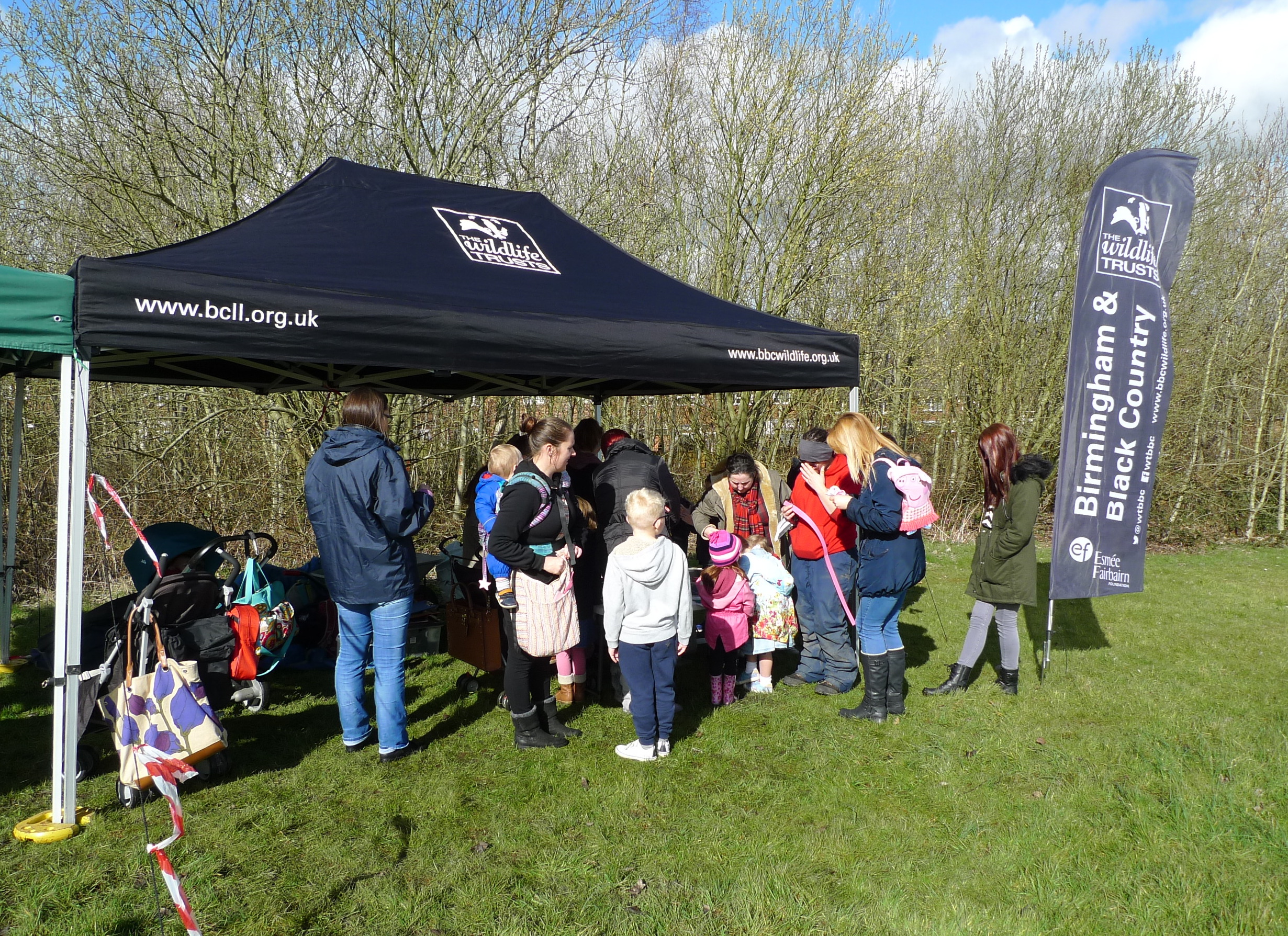
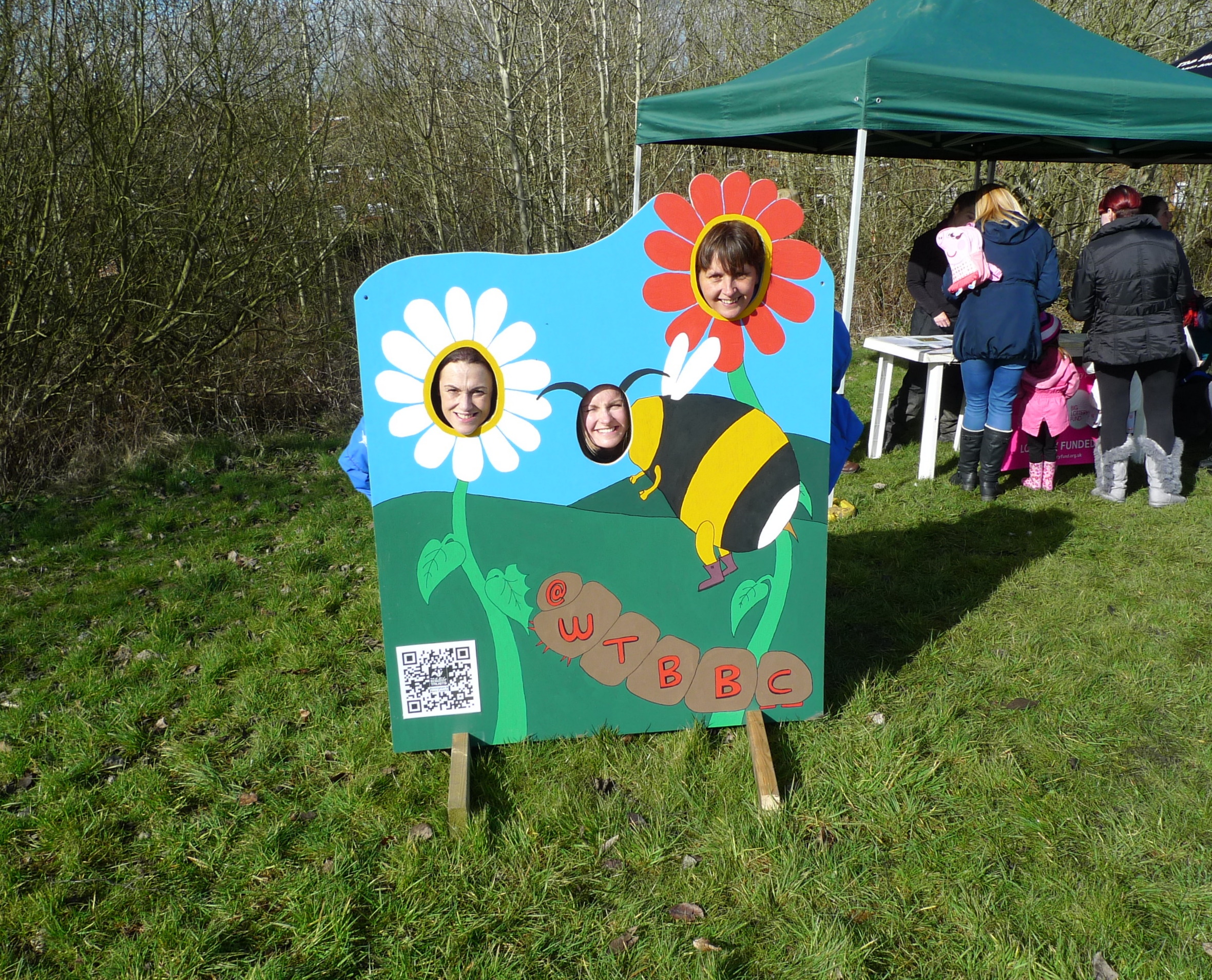
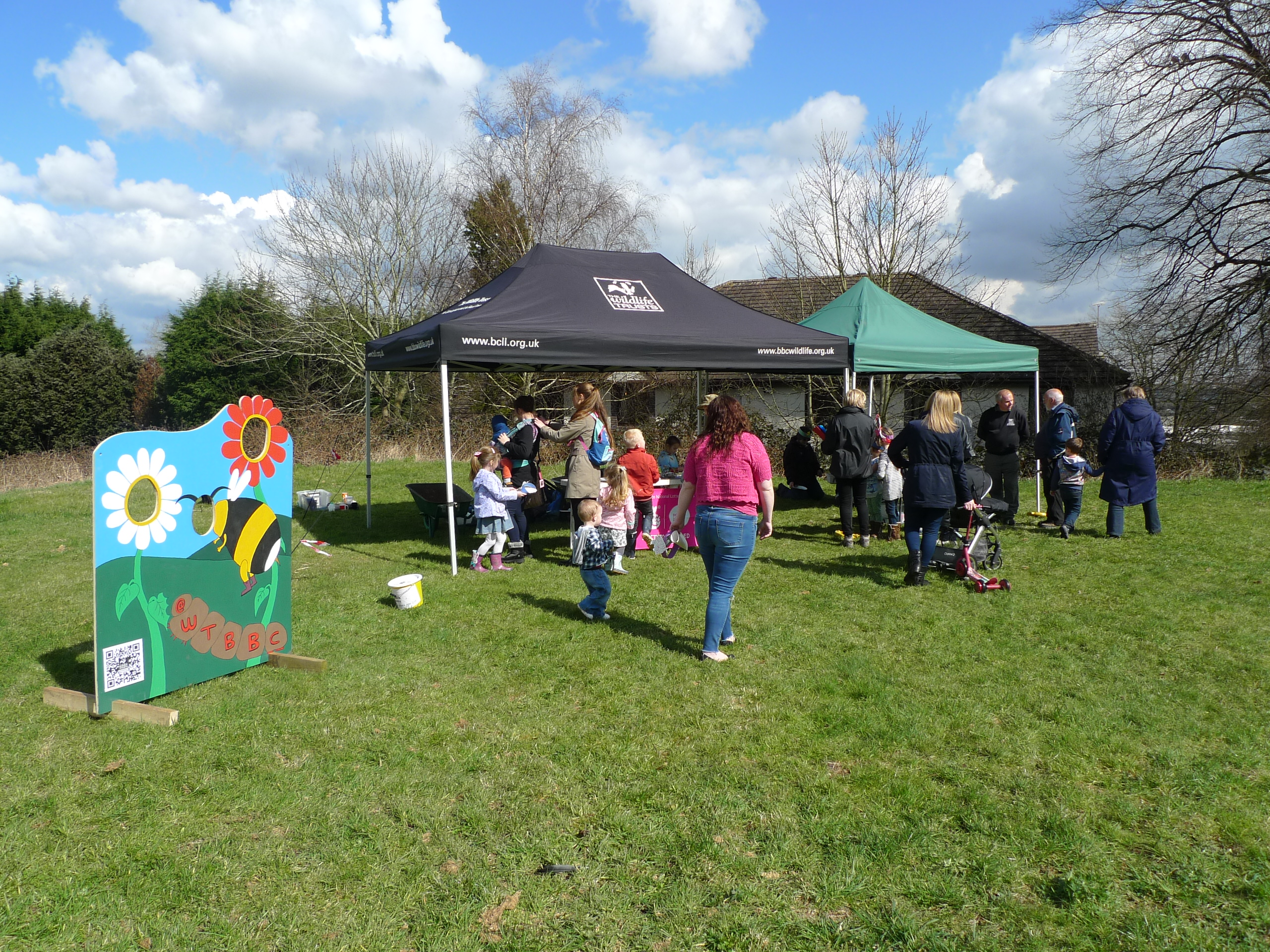
On Thursday the weather was even better for our AFA event in Bury Hill Park.The spring sunshine was a bonus and we even saw an occasional Small Tortoiseshell butterfly on the wing. Throughout the day a steady stream of people visited our stall and at mid-day some of the attendees joined Mike for a circular walk around Portway Hill Open Space, taking in the Wildlife Trust cairn and geological exposure, before heading towards Wolverhampton Road and back into Bury Hill Park.

Many of the children took advantage of their visit to the park by making use of the various play apparatus that the park has to offer.
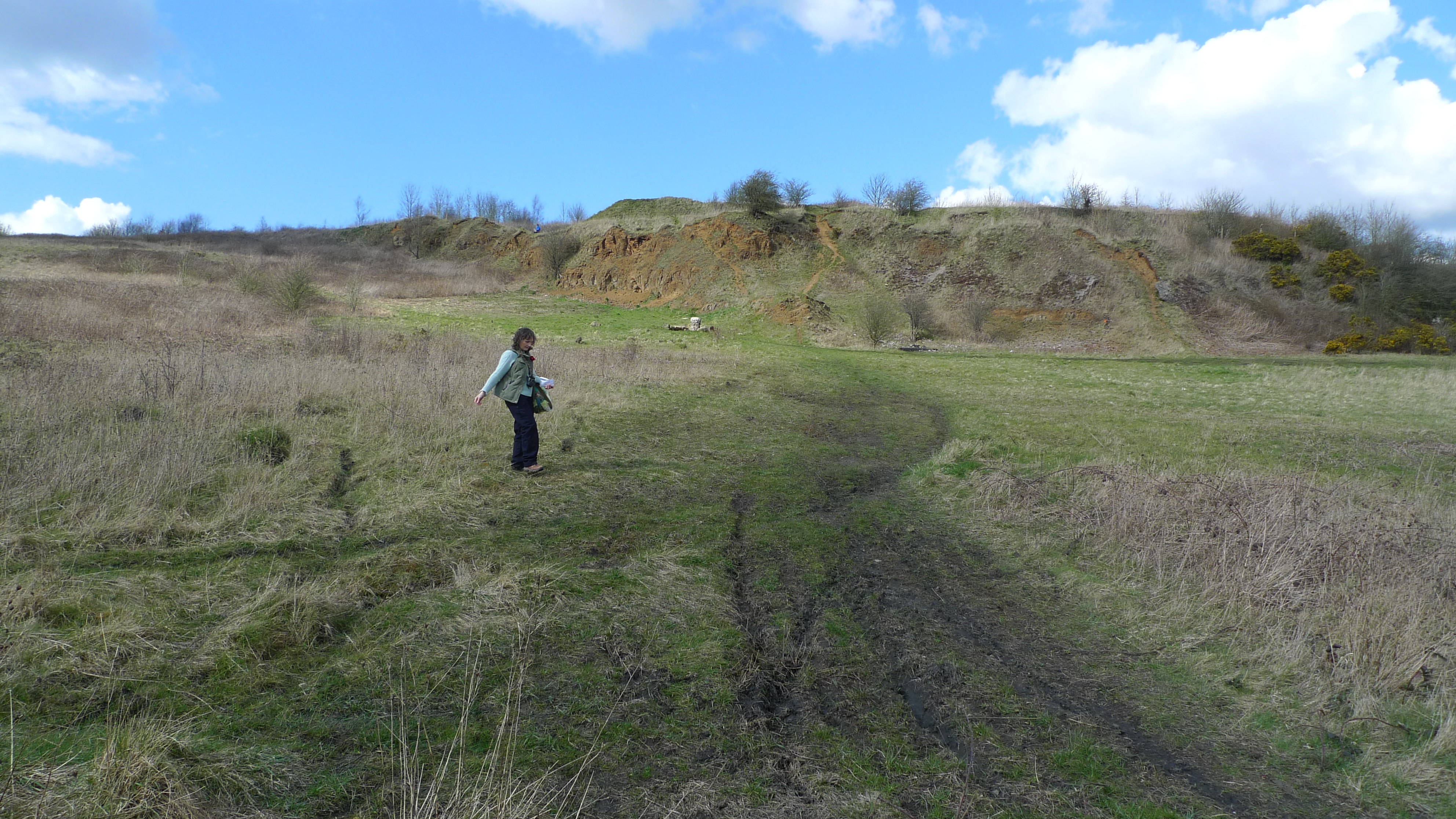
During the afternoon representatives from the Wildlife Trust and FORH scattered Harebell seeds across the Portway Hill site which they had collected last autumn thanks to FORH’s successful appeal to Sandwell Council to temporally cease mowing of the hillside while the Harebells were flowering and producing seed.

Bury Hill Park AFA event 31st March 2016 (image © Mike Poulton)

Bury Hill Park AFA event 31st March 2016 (image © Mike Poulton)

Bury Hill Park AFA event 31st March 2016 (image © Mike Poulton)

Bury Hill Park AFA event 31st March 2016 (image © Mike Poulton)

Lynn Poulton scattering Harebell seeds on the Wildlife Trust site - 31st March 2016 (image © Mike Poulton)

Lynn Poulton scattering Harebell seeds on the Wildlife Trust site – 31st March 2016 (image © Mike Poulton)

Forthcoming Rowley Hills events

Big Lottery Fund logoWe’ve been busy arranging lots of exciting events over the coming months, thanks to our Awards For All Lottery funding. Coming up tomorrow we have another conservation volunteer day with the Wildlife Trust where we will be planting a new hedgerow, and on the 19th March the Wildlife Trust will be holding a tool training event, which will teach you all you need to know about use and maintenance of the tools we use for conservation on the Rowley Hills.
Looking further ahead, we have a Mums and Toddlers walk at Easter in partnership with Sandwell Leisure Trust, our Clean for the Queen litter pick in April, and a couple of guided wildlife walks in June at a peak time for butterfly activities on the hills.

Check out our Events page for the full details of all these events, and don’t forget to keep checking back as we’ll continue to add more events in the near future! You can also sign up to updates from this news feed – just click on ‘Follow’ at the bottom right-hand corner of our homepage (https://friendsofrowleyhills.org/) and enter your email address. You’ll receive an email every time we post some news here!