Tag Archives: West Midlands

Rowley Hills butterflies in a new report and book

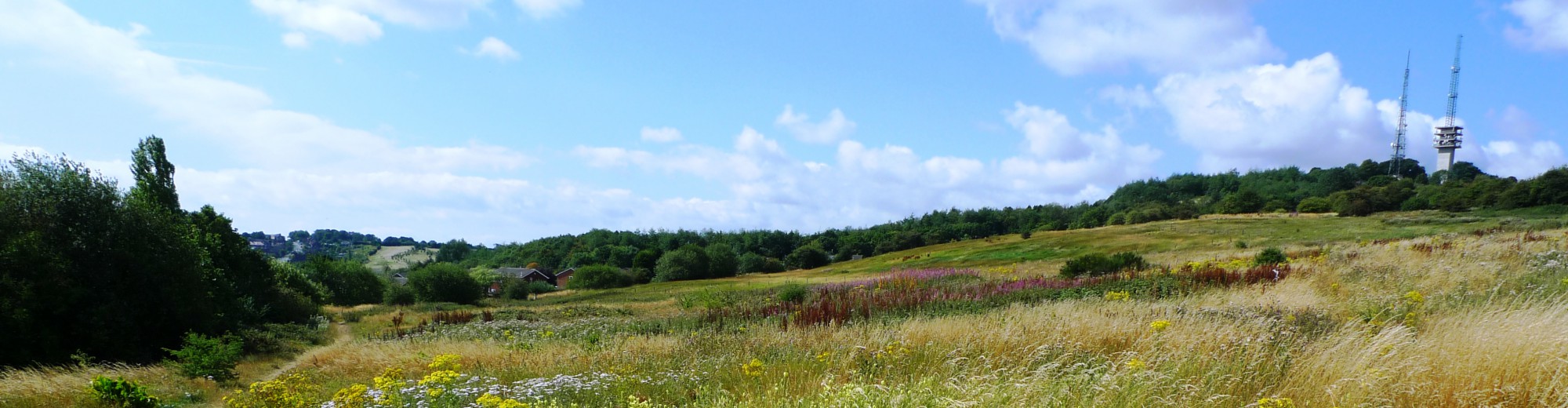
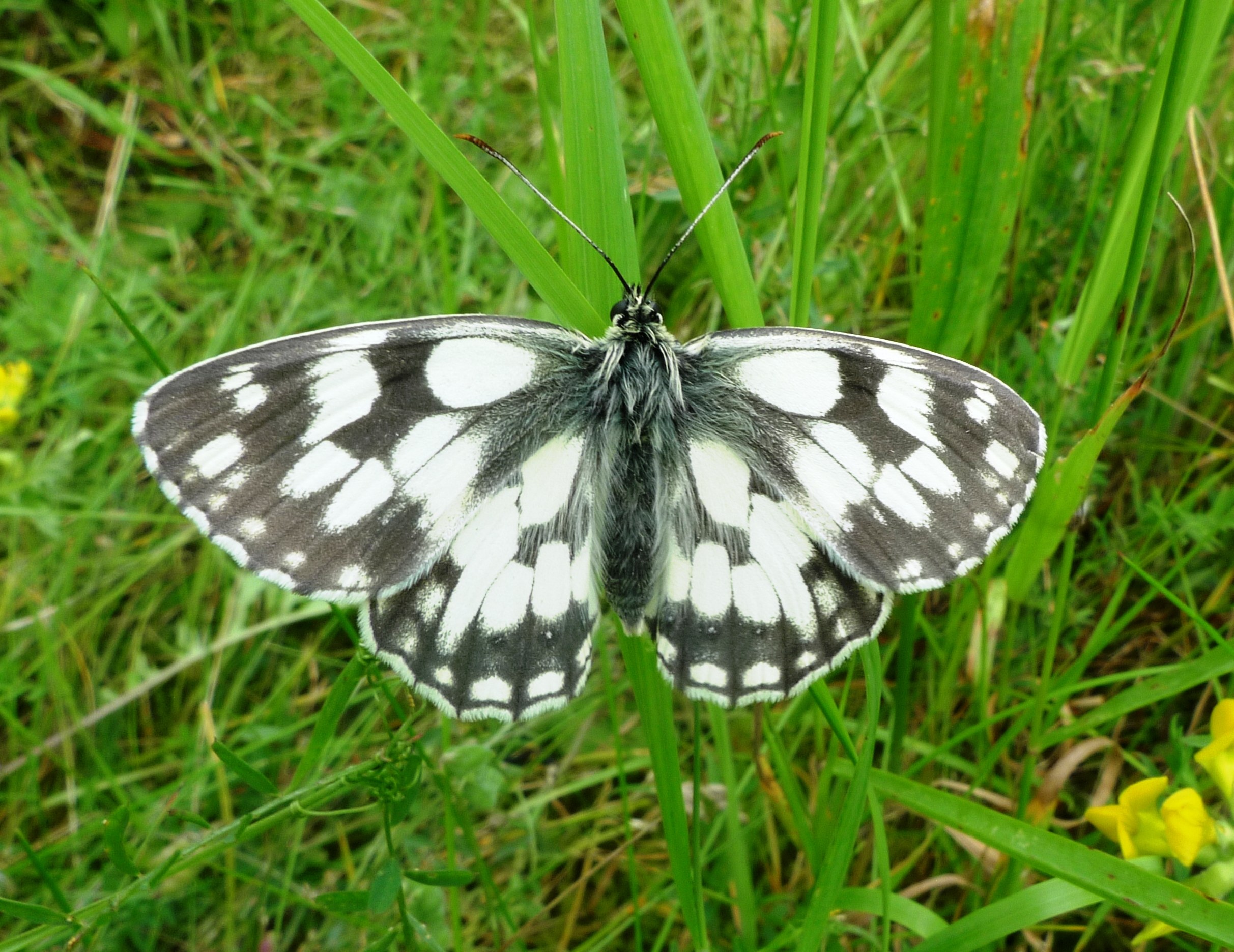
The large expanse of open, uninterrupted grassland on the Rowley Hills situated between Portway Hill and the Birmingham New Road, known as Portway Hill Open Space, is currently one of the best sites in the West Midlands for Marbled White and Small Heath butterflies. Mike Poulton has been studying populations of these two butterfly species for the past five years and has produced a short report summarising his findings so far. The overall picture is a mixed one, with Marbled Whites thriving but Small Heaths declining. Click here to read the full report.

Marbled White butterfly (Melanargia galanthea) (image © Mike Poulton)

Marbled White butterfly (Melanargia galanthea) (image © Mike Poulton)

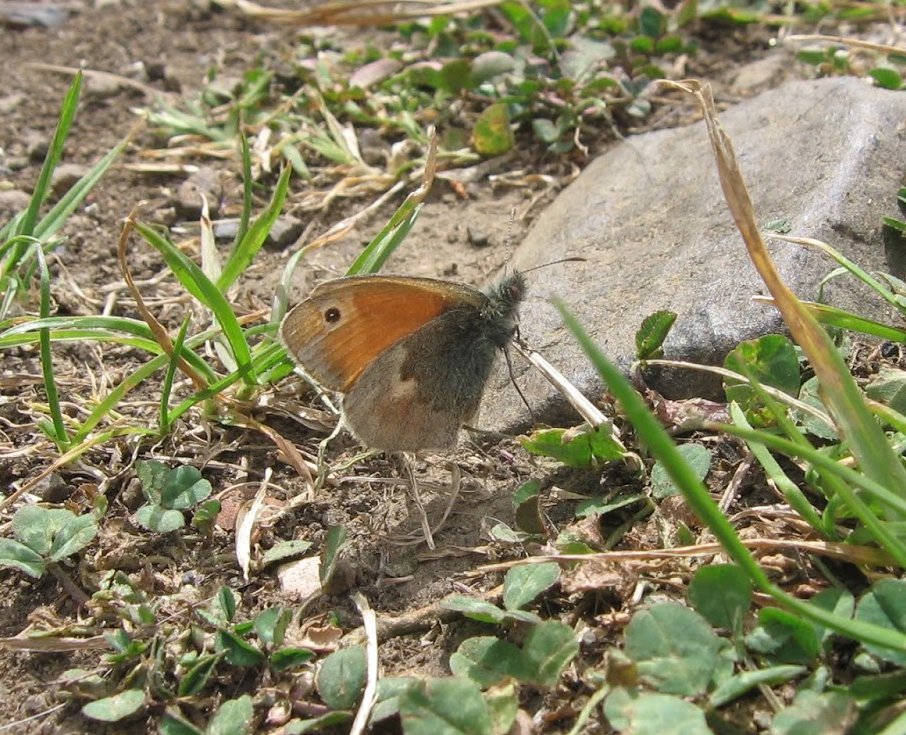
Small Heath butterfly (Coenonympha pamphilus) (image © Jane Tavener)

Small Heath butterfly (Coenonympha pamphilus) (image © Jane Tavener)


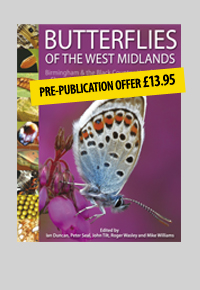
In related news, Pisces Publications have a pre-publication offer on for ‘Butterflies of the West Midlands’. This new book, the first ever on the butterflies of the West Midlands, includes a butterfly walk on Portway Hill; it will be launched in Spring 2016 and can be ordered from http://www.naturebureau.co.uk/bookshop/butterflies-west-mids-detail.

Butterflies of the West Midlands

Butterflies of the West Midlands book.

Wildlife round-up – October 2015

Although summer is over and autumn is now well and truly with us, there are still plenty of fascinating flora and fauna to be seen in the Rowley Hills. Here’s a round-up of recent sightings; don’t forget, if you’ve seen something interesting, let us know!

Bird migration is continuing apace, and taking on an autumnal flavour, with the first Redwings of the season being spotted. This member of the thrush family breeds in northern Europe and migrates south in autumn, escaping the cold weather to spend the winter in the UK and other central and southern European countries. Other migrating species seen recently include Meadow and Tree Pipits, White and Yellow Wagtails, House Martin, Chaffinch, Siskin, Redpoll, Swallow, Spotted Flycatcher, Chiffchaff, Golden Plover and Cormorant. Many thanks as always to Ian Whitehouse for keeping us up to date with his Rowley Hills sightings!

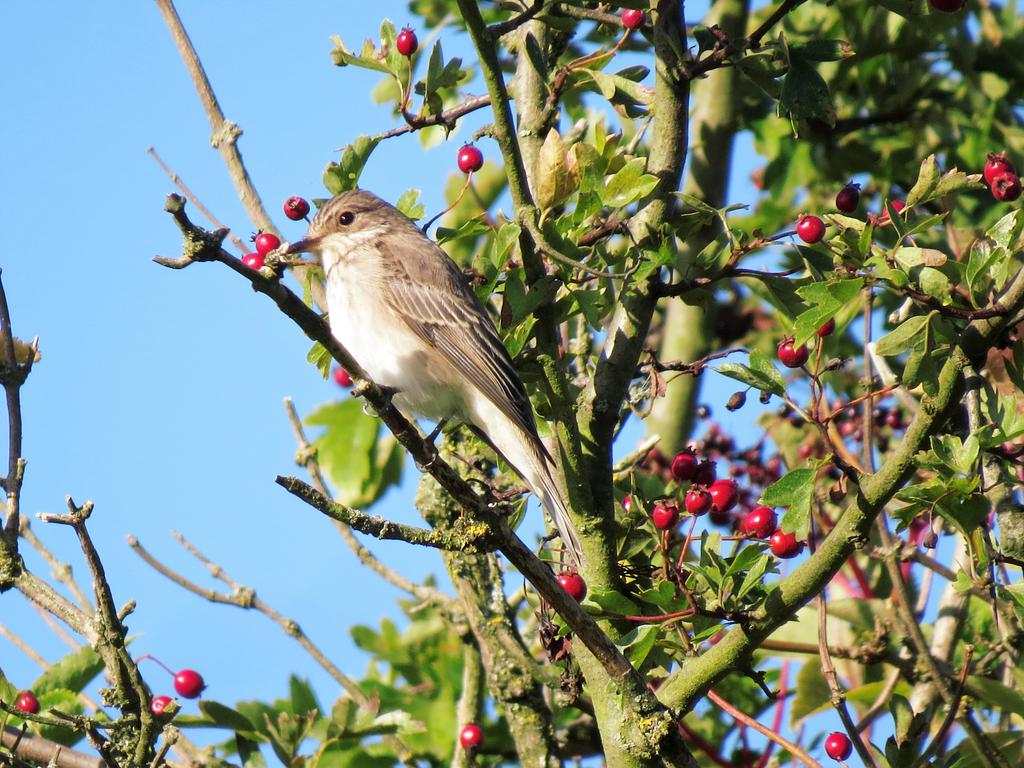
Spotted Flycatcher (image © Ian Whitehouse)

Spotted Flycatcher (image © Ian Whitehouse)

Early morning on the Rowley Hills, a great time for vismigging (observing visible migration of birds) (image © Ian Whitehouse).

Early morning on the Rowley Hills, a great time for vismigging (observing visible migration of birds) (image © Ian Whitehouse).


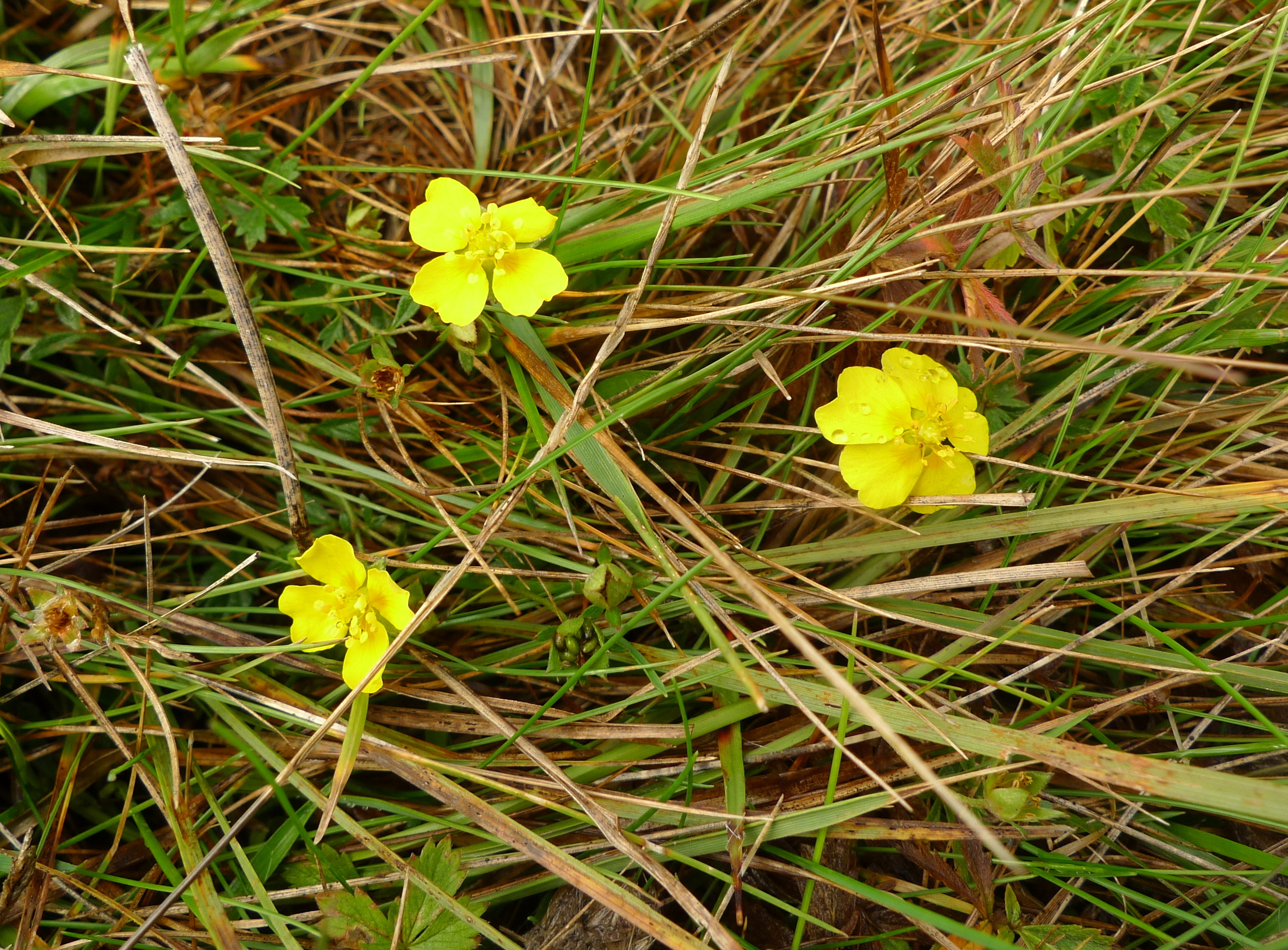
We’ve had more good news following Sandwell Council’s decision to delay cutting the grass on Bury Hill in response to our request. Not only has this allowed the Harebells there to finish flowering – enabling us to collect seed from them to sow elsewhere in the Rowley Hills – another scarce wildflower in Birmingham and the Black Country has been discovered in the same area which would probably never have come to light had the grass been cut as normal. The flower is Trailing Tormentil (Potentilla anglica); it is very difficult to identify as it hybridises with two other members of the Tormentil family, Creeping Cinquefoil (P. reptans) and Common Tormentil (P. erecta). The two hybrids and Trailing Tormentil all look very similar, having flowers with both 4 and 5 petals; however 2 experts have verified that it is Trailing Tormentil. The diagnostic feature confirming this is fully fertile flowers – hybrids are not fertile.

Trailing Tormentil (Potentilla anglica) (image © Mike Poulton)

Trailing Tormentil (Potentilla anglica) (image © Mike Poulton)


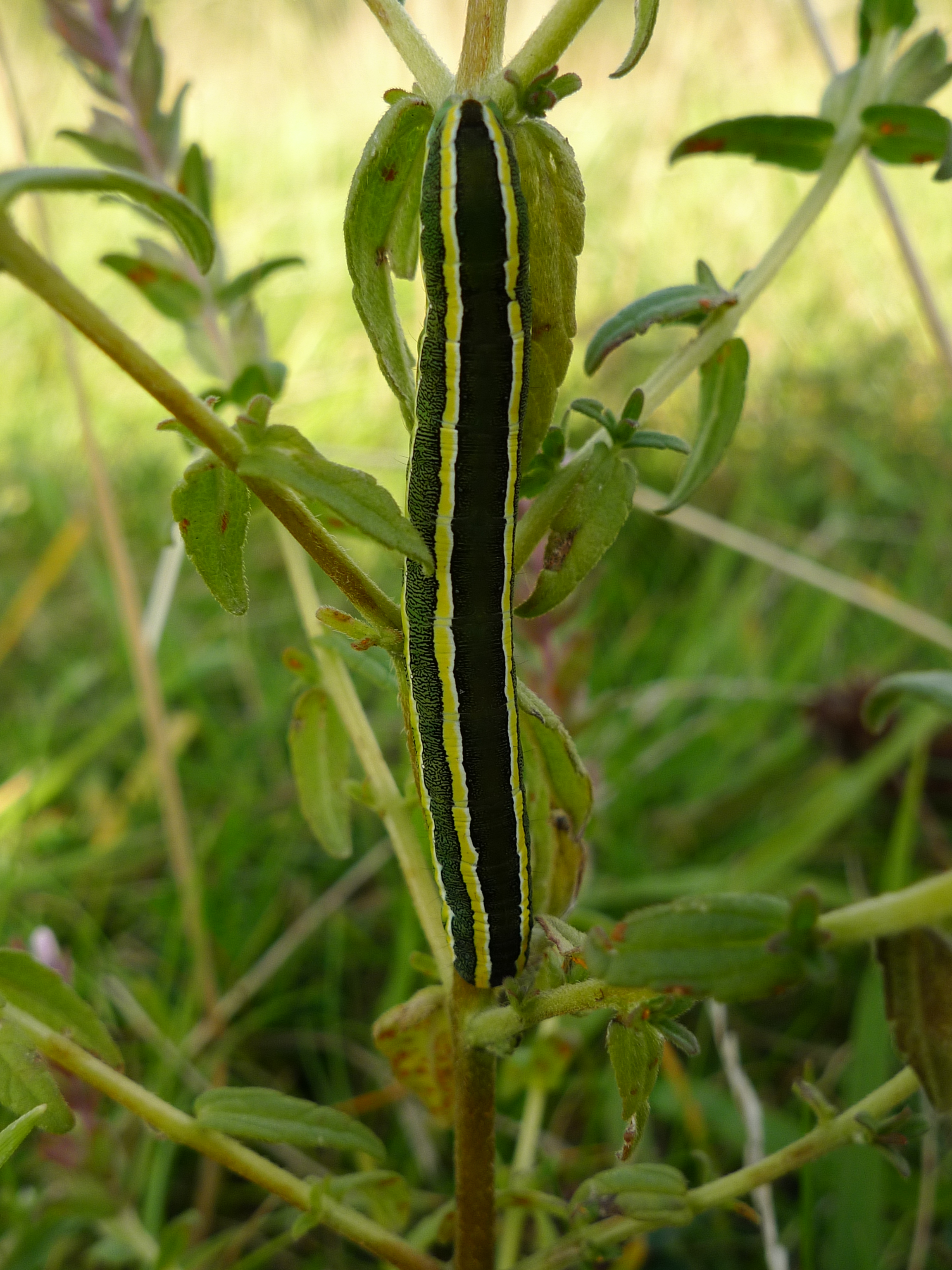
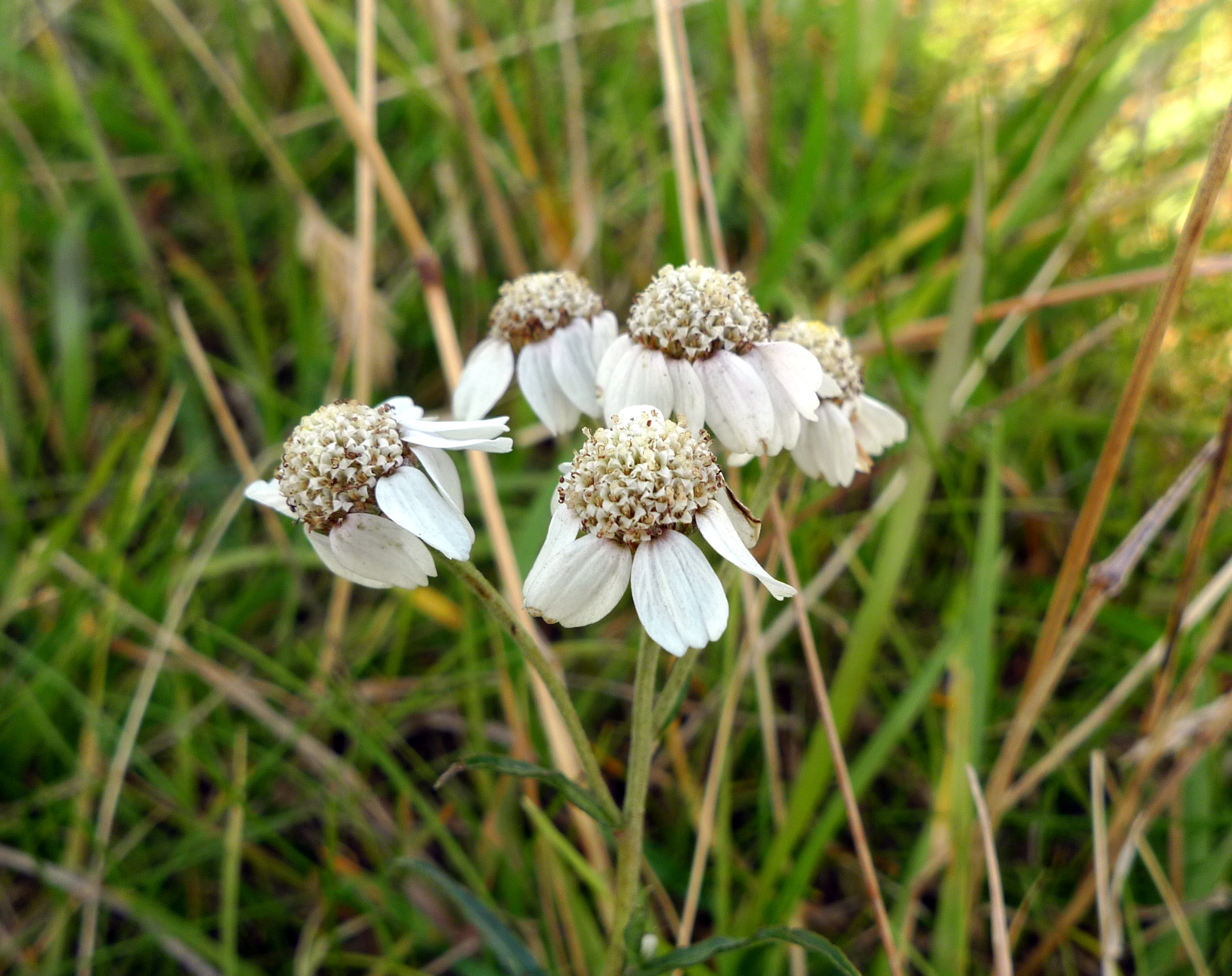
Elsewhere on the hills Mike Poulton photographed a Broom Moth caterpillar feeding on Red Bartsia, and another new botanical record for the Wildlife Trust’s Portway Hill site was a large patch of Sneezewort, so named because its pungent smell supposedly causes sneezing.

Broom Moth caterpillar (Ceramica pisi) (image © Mike Poulton)

Broom Moth caterpillar (Ceramica pisi) (image © Mike Poulton)

Sneezewort (Achillea ptarmica) (image © Mike Poulton)

Sneezewort (Achillea ptarmica) (image © Mike Poulton)


Mike and Doug also found an enormous spider whilst working on the Wildlife Trust’s site, which turned out to be a Four Spotted Orb Weaver. This spider holds the record for the heaviest spider in Britain!

Four Spotted Orb Weaver (Araneus quadratus) (image © Mike Poulton)

Four Spotted Orb Weaver (Araneus quadratus) (image © Mike Poulton)


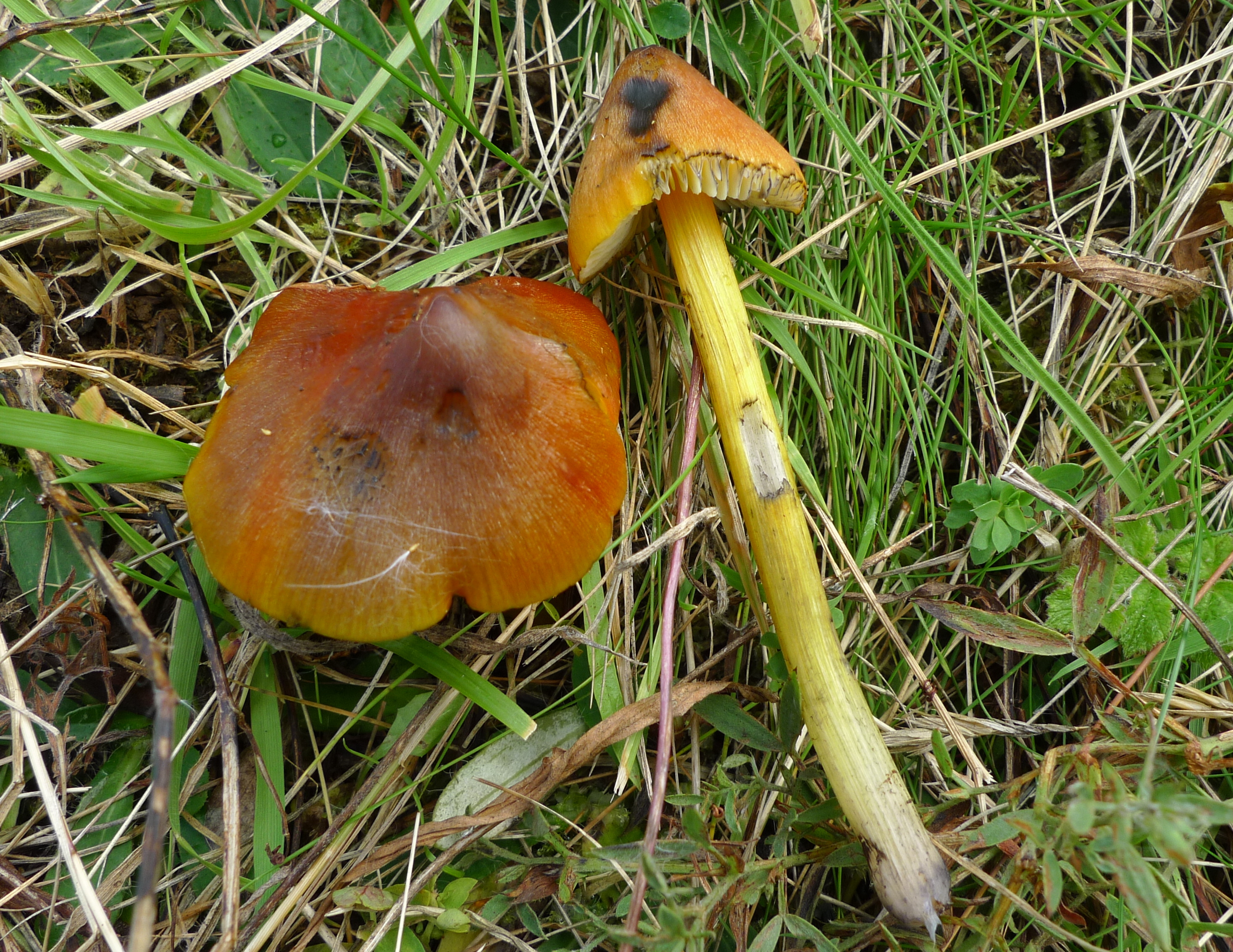
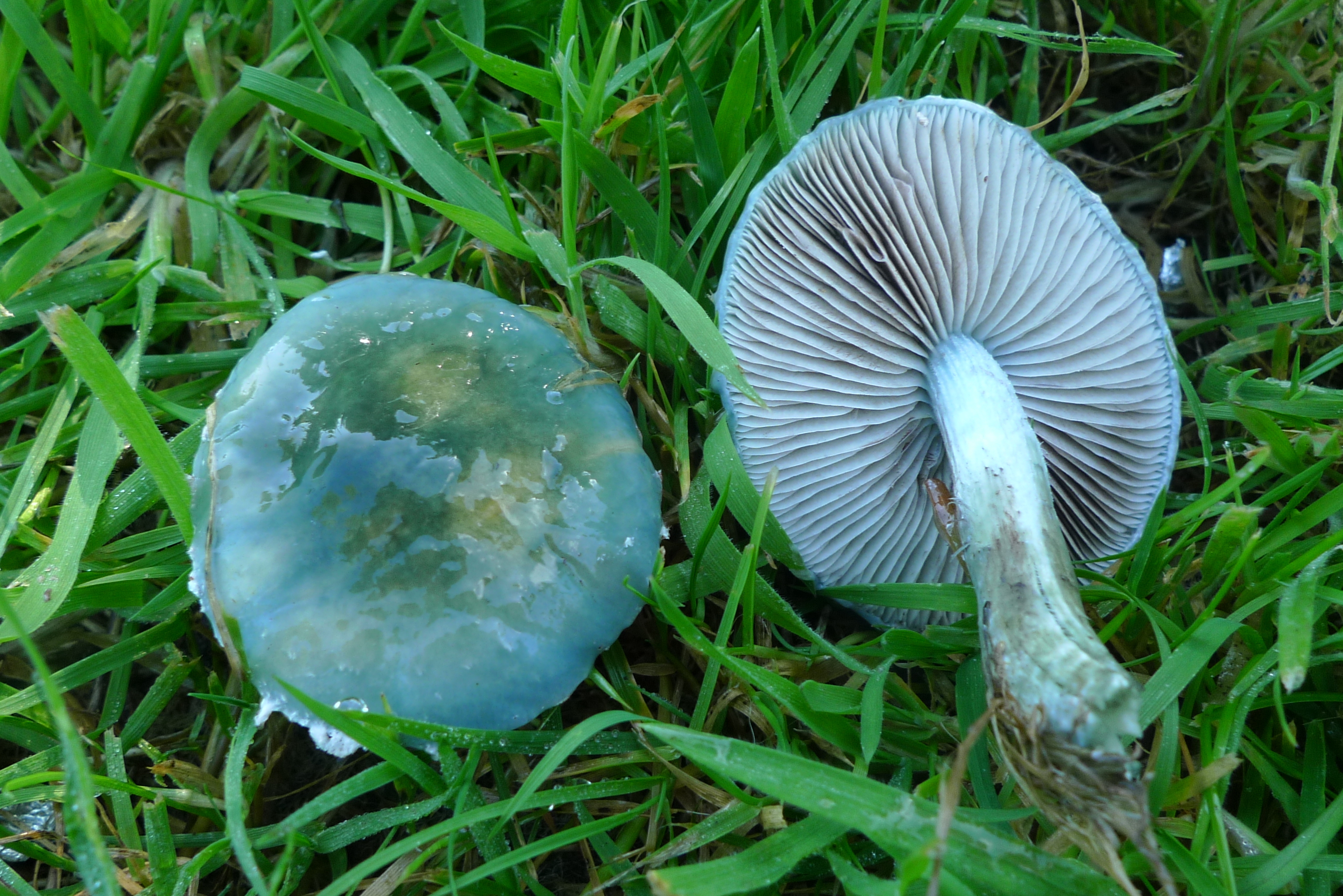
It’s turning out to be a great fungi season too. These two species were photographed last week; Blackening Waxcap was near the Wildlife Trust’s Portway Hill site and Verdigris Agaric was on Massey’s Bank.

Blackening Waxcap (Hygrocybe nigrescens) (image © Mike Poulton)

Blackening Waxcap (Hygrocybe nigrescens) (image © Mike Poulton)

Verdigris Agaric (Stropharia aeruginosa) (image © Mike Poulton)

Verdigris Agaric (Stropharia aeruginosa) (image © Mike Poulton)

Recent wildlife sightings

We’ve had some great wildlife sightings in and around the Rowley Hills recently! If you’ve spotted anything interesting, please do let us know.

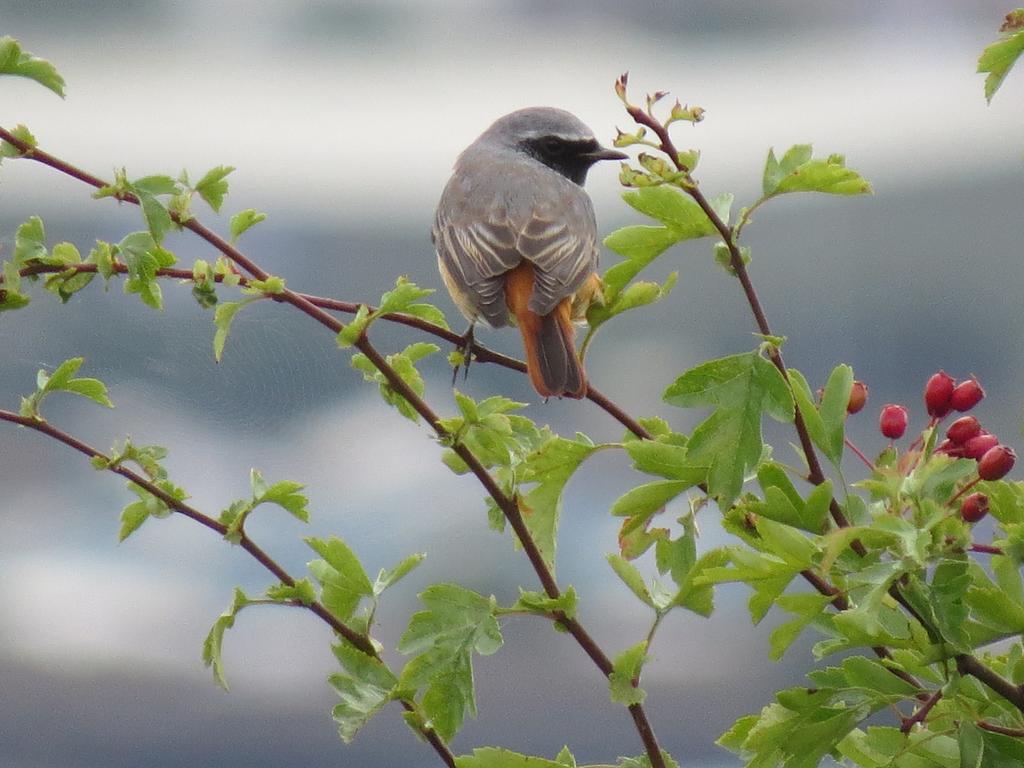
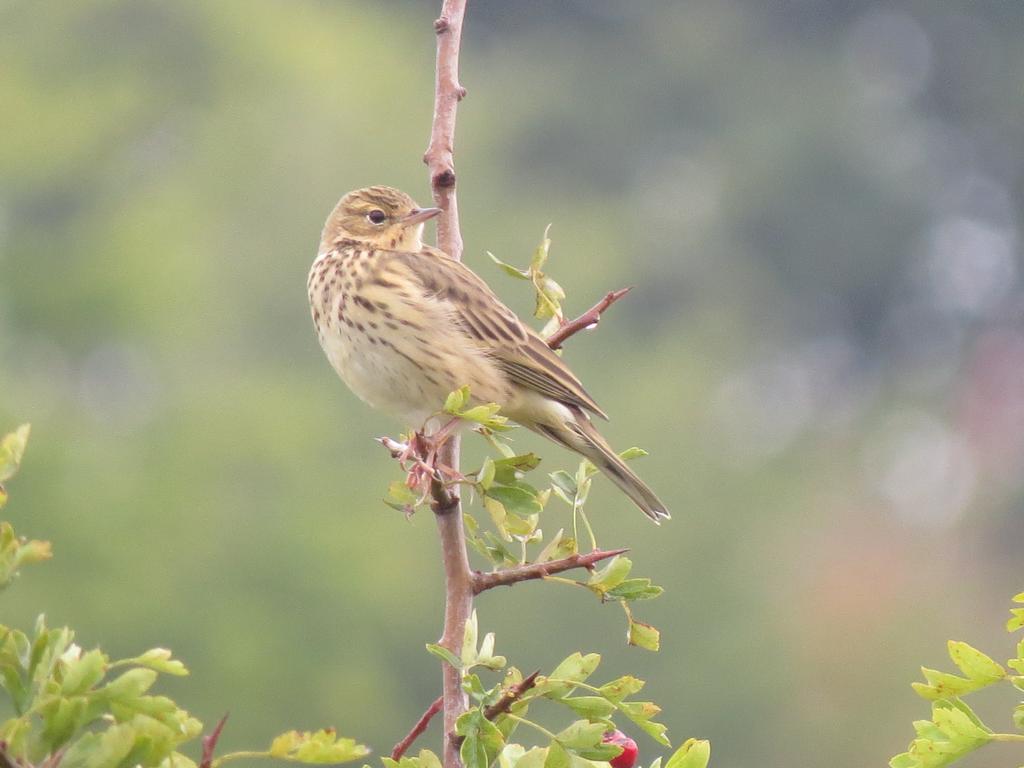
At this time of year, the Hills host a continuous flow of migrating birds, which stop off briefly to rest and refuel before continuing their journey south. Recent sightings include Tree Pipit, Redstart, Linnet, Grey, Yellow and Pied Wagtails, Siskin, House Martin, Garden Warbler, Whitethroat, Lesser Whitethroat, Swift, Spotted Flycatcher, Sedge Warbler, Blackcap, Swallow, Willow Warbler,  Mistle Thrush, Raven, Peregrine, Kestrel, Buzzard and Sparrowhawk. Many thanks to Ian Whitehouse who regularly tweets his Rowley Hills sightings and photos!

Redstart (Phoenicurus phoenicurus) (image © Ian Whitehouse)

Redstart (Phoenicurus phoenicurus) (image © Ian Whitehouse)

Tree Pipit (Anthus trivialis) (image © Ian Whitehouse)

Tree Pipit (Anthus trivialis) (image © Ian Whitehouse)


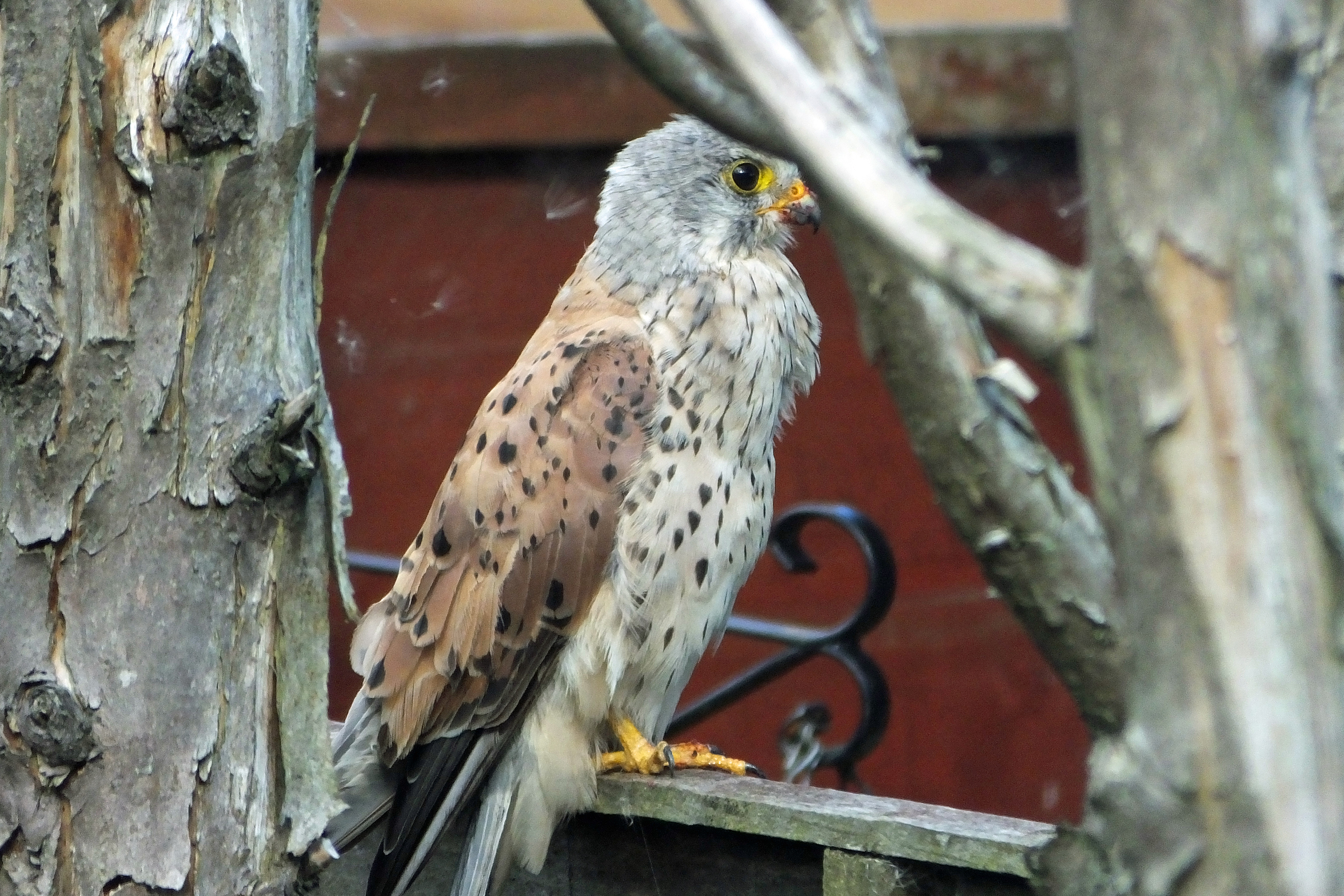
Local resident Andrew Cook also sent us these brilliants photos of a male Kestrel sitting on his garden fence. The Rowley Hills are a great spot for Kestrels as the grassland provides the perfect habitat for voles and mice, which are the Kestrel’s preferred prey. It looks as though this Kestrel may be resting after having recently eaten, as there is a small amount of blood on his beak and talons.

Kestrel (Falco tinnunculus) (image © Andrew Cook)

Kestrel (Falco tinnunculus) (image © Andrew Cook)

Kestrel (Falco tinnunculus) (image © Andrew Cook)

Kestrel (Falco tinnunculus) (image © Andrew Cook)


Another nice local record came from Lukas Large, who recorded this video of a Humming-bird Hawk-moth feeding on nectar from Red Valerian in his garden. As the name suggests, this moth resembles a Hummingbird in flight as it hovers and darts between flowers, its wings humming; Red Valerian is one of its favourite food plants. Humming-bird Hawk-moths migrate to the UK in summer from southern Europe and north Africa.

Harebell (Campanula rotundifolia) (image © Doug Barber)

Harebell (Campanula rotundifolia) (image © Doug Barber)

And finally, some more great news about the Harebells growing on the hillside above Bury Hill Park. Because Sandwell Council very kindly agreed to delay mowing the grass here in order to help conserve these wildflowers, we have been able to collect a large amount of seed from them. For most of the Harebells on that site it is probably the first time they will have produced seed in living memory as by now the whole area would normally have been cut. The seed capsules will now be left to dry out and the resulting seeds sown in suitable locations elsewhere on the Rowley Hills to help to conserve a scarce Birmingham and Black Country plant. This is great news for conservation and biodiversity in the Rowley Hills and we are very grateful to Sandwell Council for their cooperation with our request to put the mowing in this area on hold.

Friends of Rowley Hills in Halesowen News

FORH logoWe’ve had some more coverage of our concerns about the proposed redevelopment of Edwin Richards Quarry, this time in Halesowen News. Although we did not give any direct statements to the newspaper (all the quotes attributed to us are lifted directly from our objection letter) the article gives a good outline of our position regarding the proposals. We’ve never referred to ourselves as a ‘pressure group’ though – we like to think we’re a bit friendlier than that!

Click here to read the full article.

Report from SandNats walk

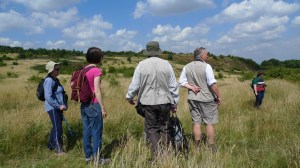
SandNats exploring the Rowley Hills (image © Mike Poulton)

SandNats exploring the Rowley Hills (image © Mike Poulton)

SandNats exploring the Rowley Hills (image © Mike Poulton)

SandNats exploring the Rowley Hills (image © Mike Poulton)

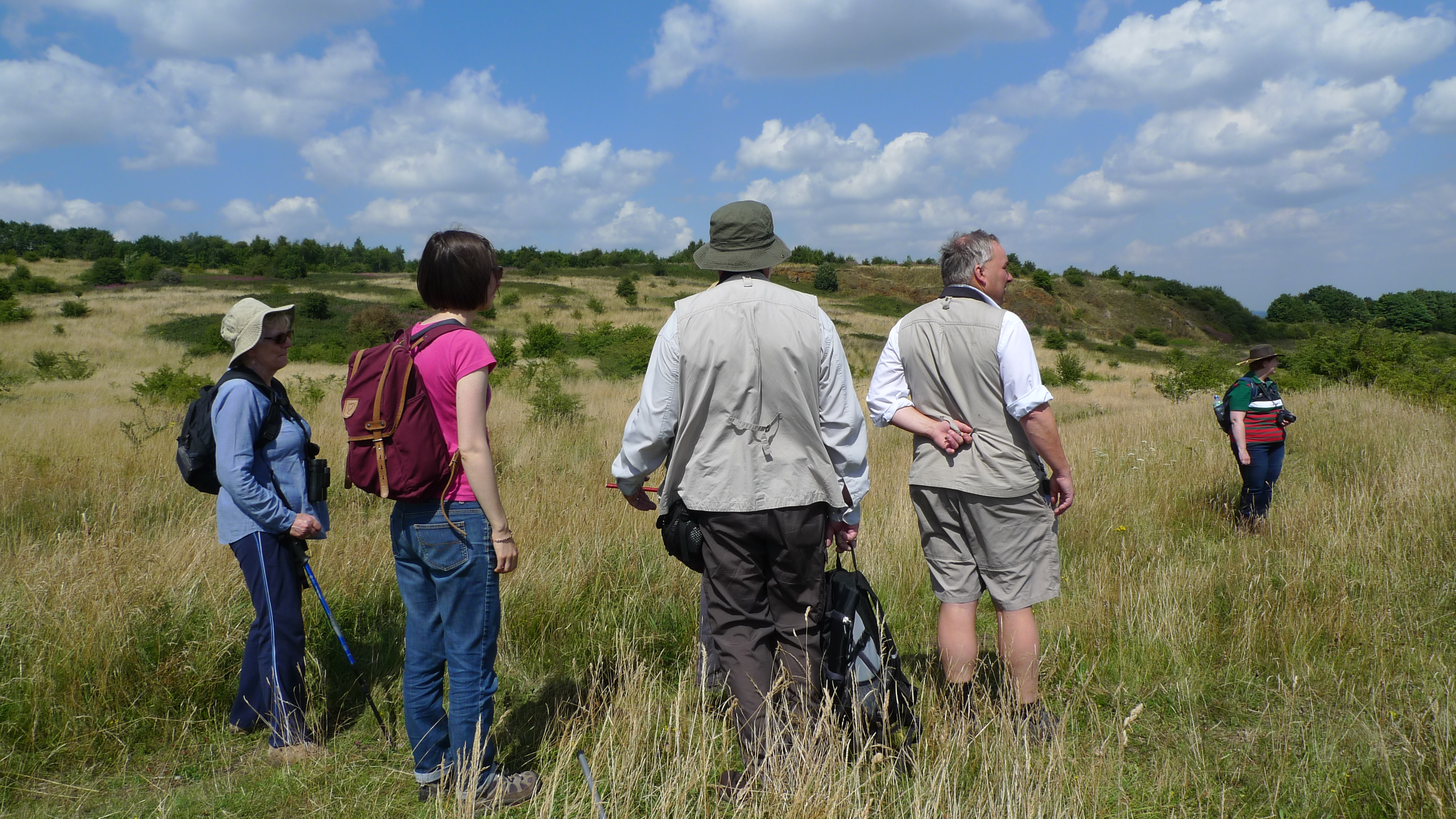
On Saturday SandNats (Sandwell Valley Naturalists’ Club) held a guided walk on the Rowley Hills, concentrating on wildflowers and invertebrates. The weather was perfect – warm and sunny – giving optimum conditions for spotting insects, and the walk was a great success, with several rare insect species being recorded.


The group walked a circuit around the old Blue Rock Quarry. Although the height of the flowering season has now passed for many plants, there were still quite a few in flower including Burnet-saxifrage (Pimpinella saxifraga), Hare’s-foot Clover (Trifolium arvense), Red Bartsia (Odontites verna), Lucerne (Medicago sativa) and others. There were plenty of butterflies around, including a few Marbled Whites (Melanargia galathea), by now looking somewhat worn. As well as these we saw Large, Small and Essex Skippers, Large and Small Whites, Small Copper, Gatekeeper, Meadow Brown, Common Blue, Comma and Red Admiral.

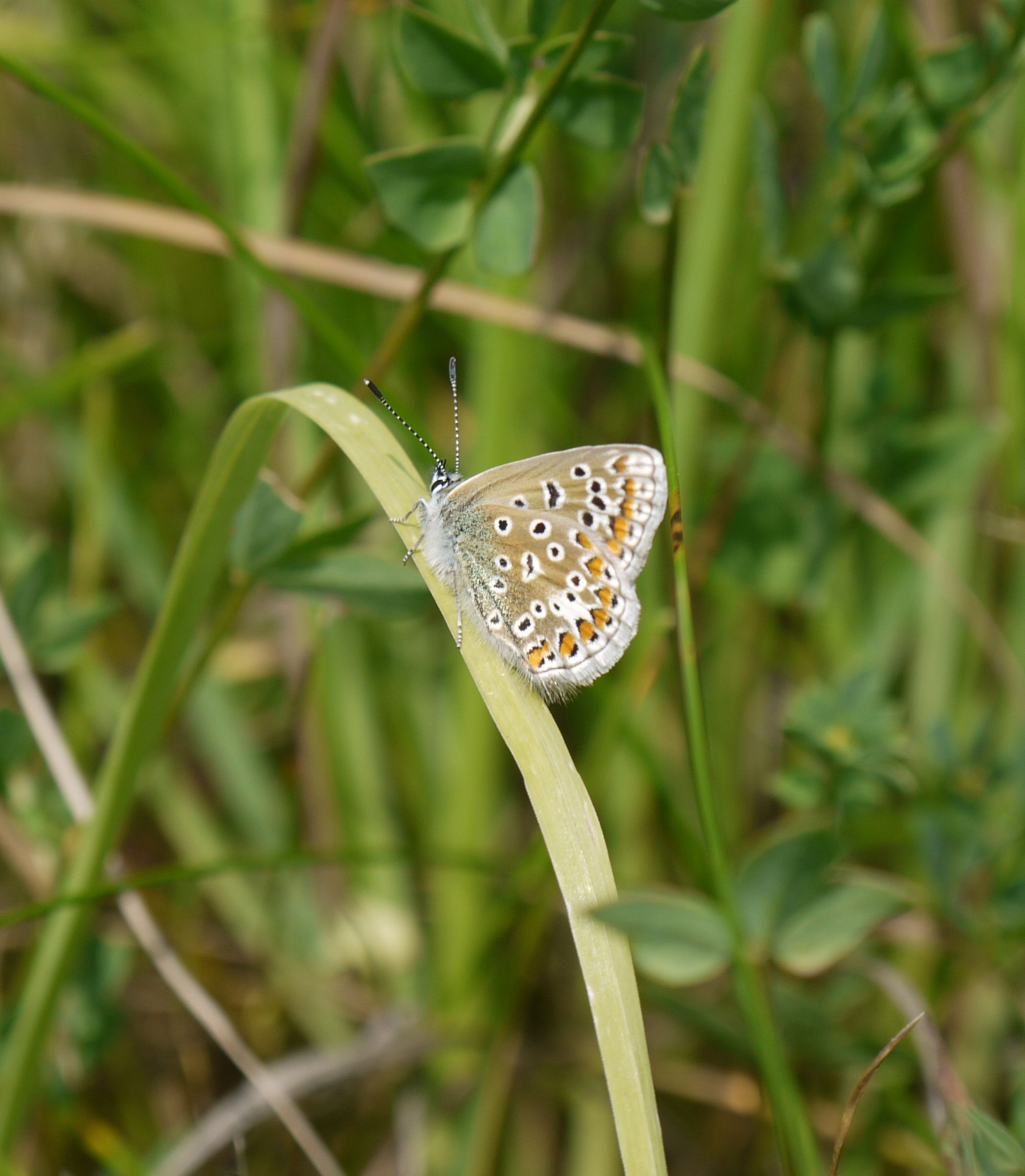
Common Blue (Polyommatus icarus) (image © Jane Tavener)

Common Blue (Polyommatus icarus) (image © Jane Tavener)

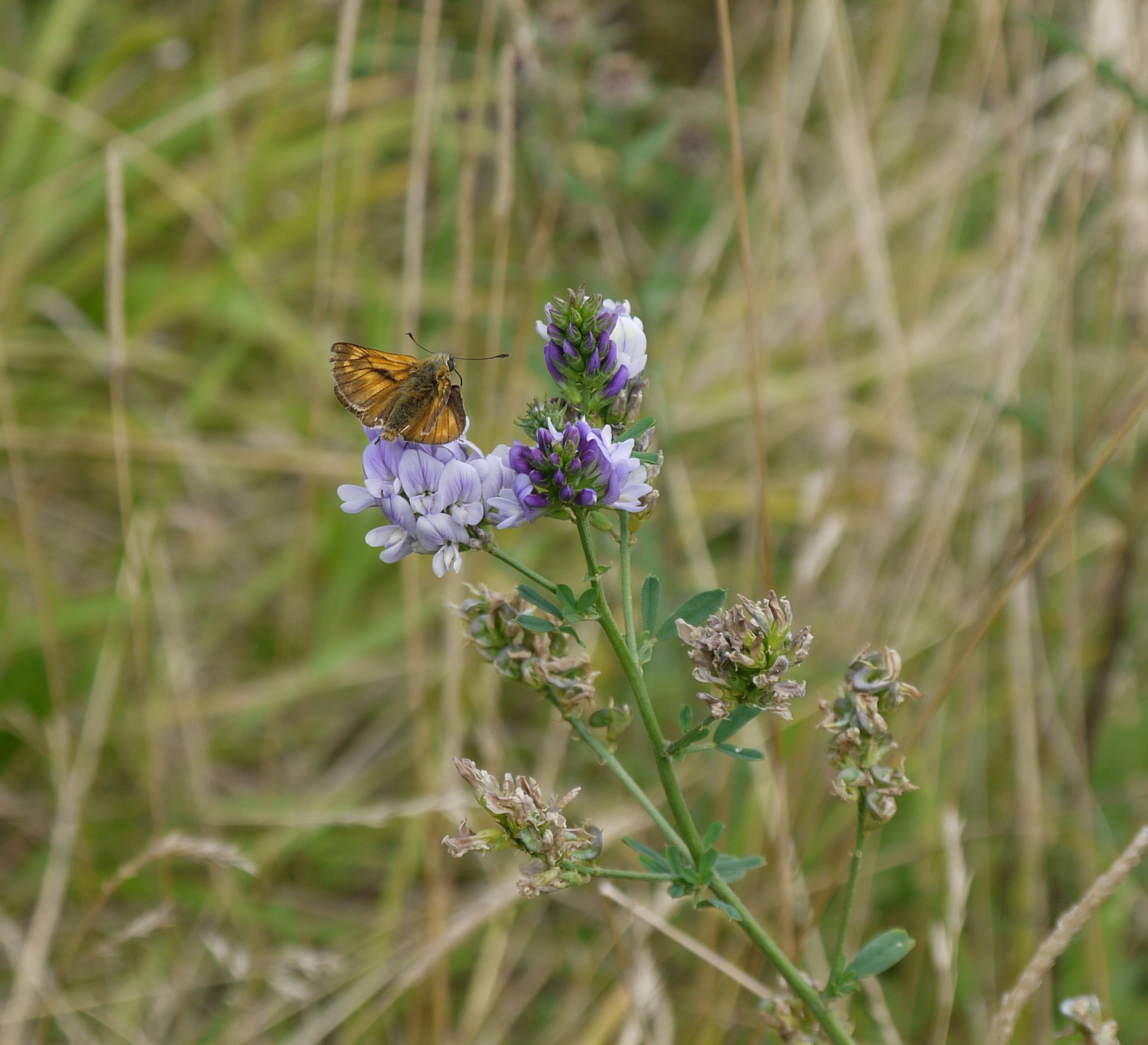
Large Skipper (Ochlodes sylvanus) on Lucerne (Medicago sativa) (image © Jane Tavener)

Large Skipper (Ochlodes sylvanus) on Lucerne (Medicago sativa) (image © Jane Tavener)

Robin's Pincushion gall produced by the wasp Diplolepis rosae (image © Jane Tavener)

Robin’s Pincushion gall produced by the wasp Diplolepis rosae (image © Jane Tavener)


There was a noticeable passage of migrating Swifts heading south at one point, and quite a few House Martins feeding high overhead. We did particularly well for raptors, seeing Buzzard, Kestrel, Peregrine and Sparrowhawk. A pair of Ravens also flew overhead while we were looking around the Wildlife Trust’s viewpoint near the dolerite crags. Small songbirds were relatively quiet as expected for the time of year but we did see quite a few Goldfinches.

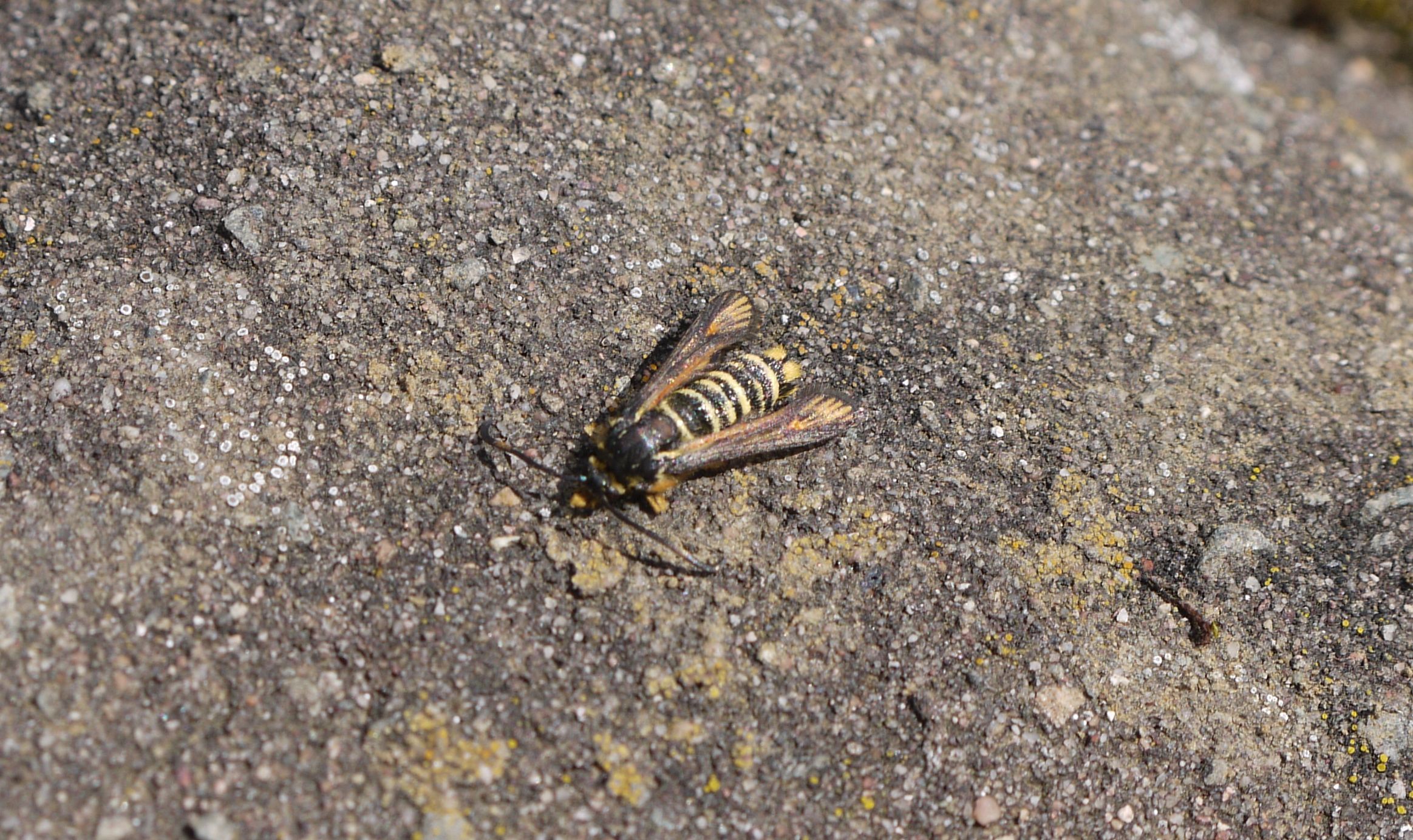
Six-belted Clearwing (Bembecia ichneumoniformis) (image © Jane Tavener)

Six-belted Clearwing (Bembecia ichneumoniformis) (image © Jane Tavener)

The highlight of the day was the discovery of a Six-belted Clearwing moth (Bembecia ichneumoniformis) on the Wildlife Trust’s Portway Hill reserve. This unusual moth mimics hoverfly species with its black and yellow stripes and clear wings, and is patchily distributed throughout parts of the southern half of Britain. It’s a great find for the Rowley Hills and also shows that the management the Wildlife Trust are carrying out on their land is contributing positively to biodiversity.
Roesel's Bush-cricket (Metrioptera roeselii) (image © Jane Tavener)

Roesel’s Bush-cricket (Metrioptera roeselii) (image © Jane Tavener)

Another highlight was a Roesel’s Bush-cricket (Metrioptera roeselii), a medium-sized cricket which has been expanding its range north over the past few decades.


After a few hours of enjoyable wandering, sharing of knowledge and great wildlife sightings, it was time to head back home for a late lunch!
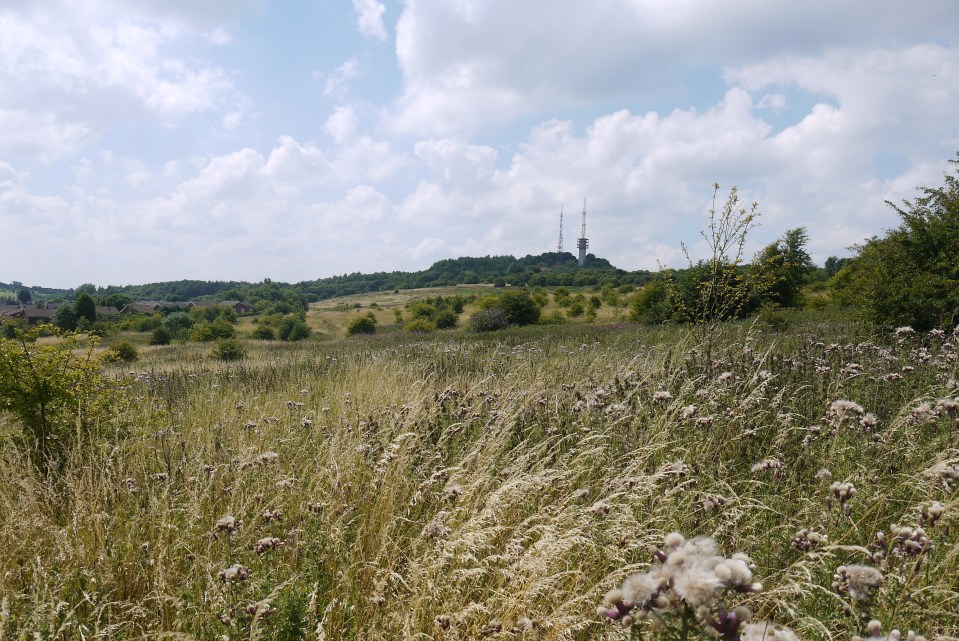
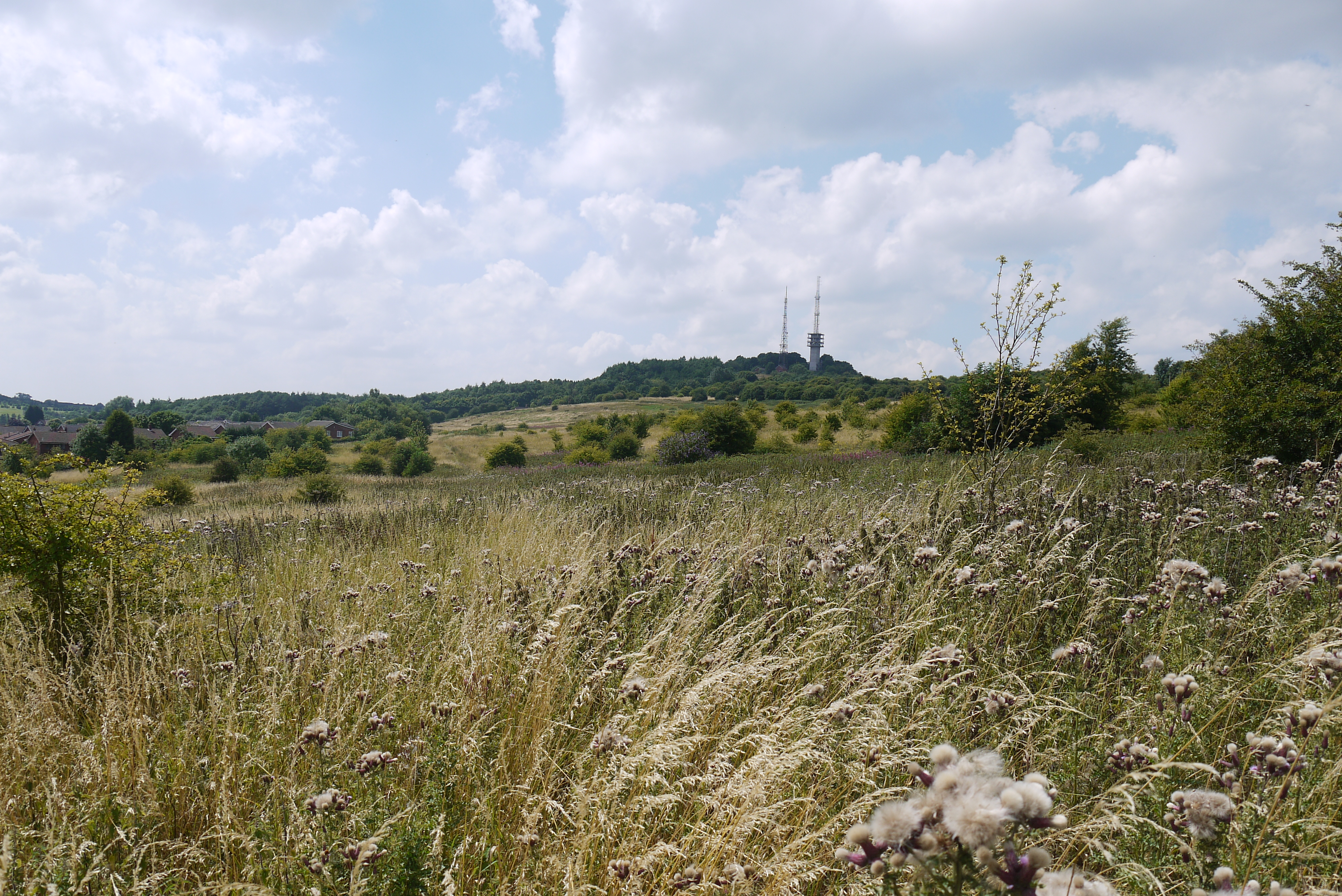
The Rowley Hills 8th August 2015 (image © Jane Tavener)
The Rowley Hills 8th August 2015 (image © Jane Tavener)
Friends of Rowley Hills on BBC WM

FORH logoOur Vice Chair Mike Poulton recorded an interview which was broadcast on BBC WM this morning about our concerns regarding the proposed redevelopment of Edwin Richards Quarry. You can listen again on the iPlayer for the next 30 days – the main interview is 23 minutes 25 seconds in, and there is a recap and response from Sandwell Council 1 hour and 51 minutes in. Our concerns also get a mention in the news headlines at intervals throughout the programme.

Weird and wonderful creatures in Rowley Hills gardens!

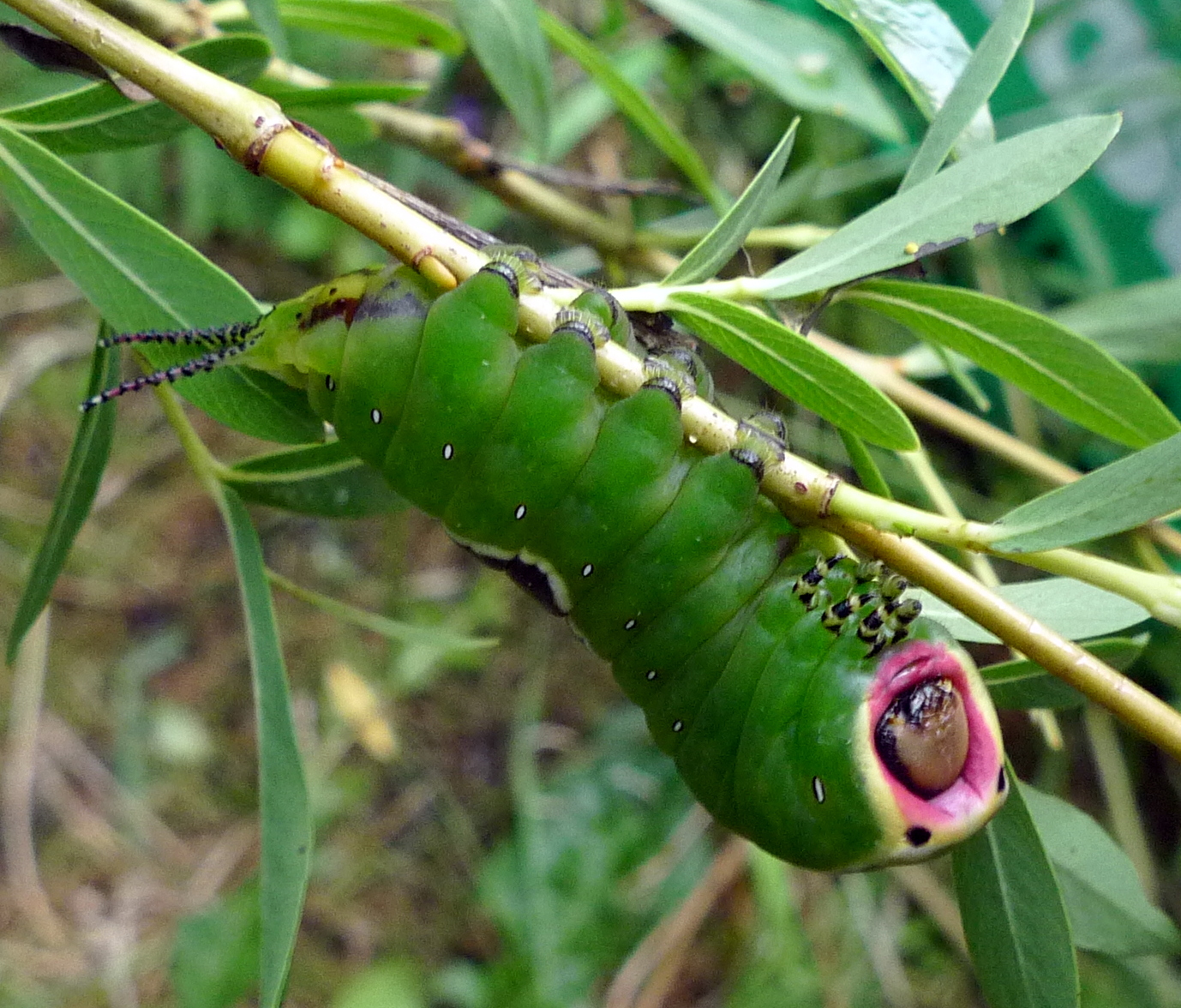
Do you have willows or poplars growing in your garden? If so, look out for the fascinating caterpillars of the Puss Moth which feed on the leaves. These photos were taken a couple of days ago in a garden on the edge of the Rowley Hills. Puss Moths are named for the fuzzy grey fur covering the adult moth’s body, and although the caterpillars can look rather strange they are harmless as long as they aren’t disturbed.

Puss Moth caterpillar (Cerura vinula) (image © Mike Poulton)

Puss Moth caterpillar (Cerura vinula) (image © Mike Poulton)

Puss Moth caterpillar (Cerura vinula) (image © Mike Poulton)

Puss Moth caterpillar (Cerura vinula) (image © Mike Poulton)

Puss Moth caterpillar (Cerura vinula) (image © Mike Poulton)

Puss Moth caterpillar (Cerura vinula) (image © Mike Poulton)


It’s not just the wide open spaces here on the Rowley Hills that contain wildlife. There’s plenty to see in your own back garden if you take the time to look – if you’ve seen anything interesting let us know in the comments below or via our Facebook or Twitter pages!

Photos from Bumble Hole Family Fun Day

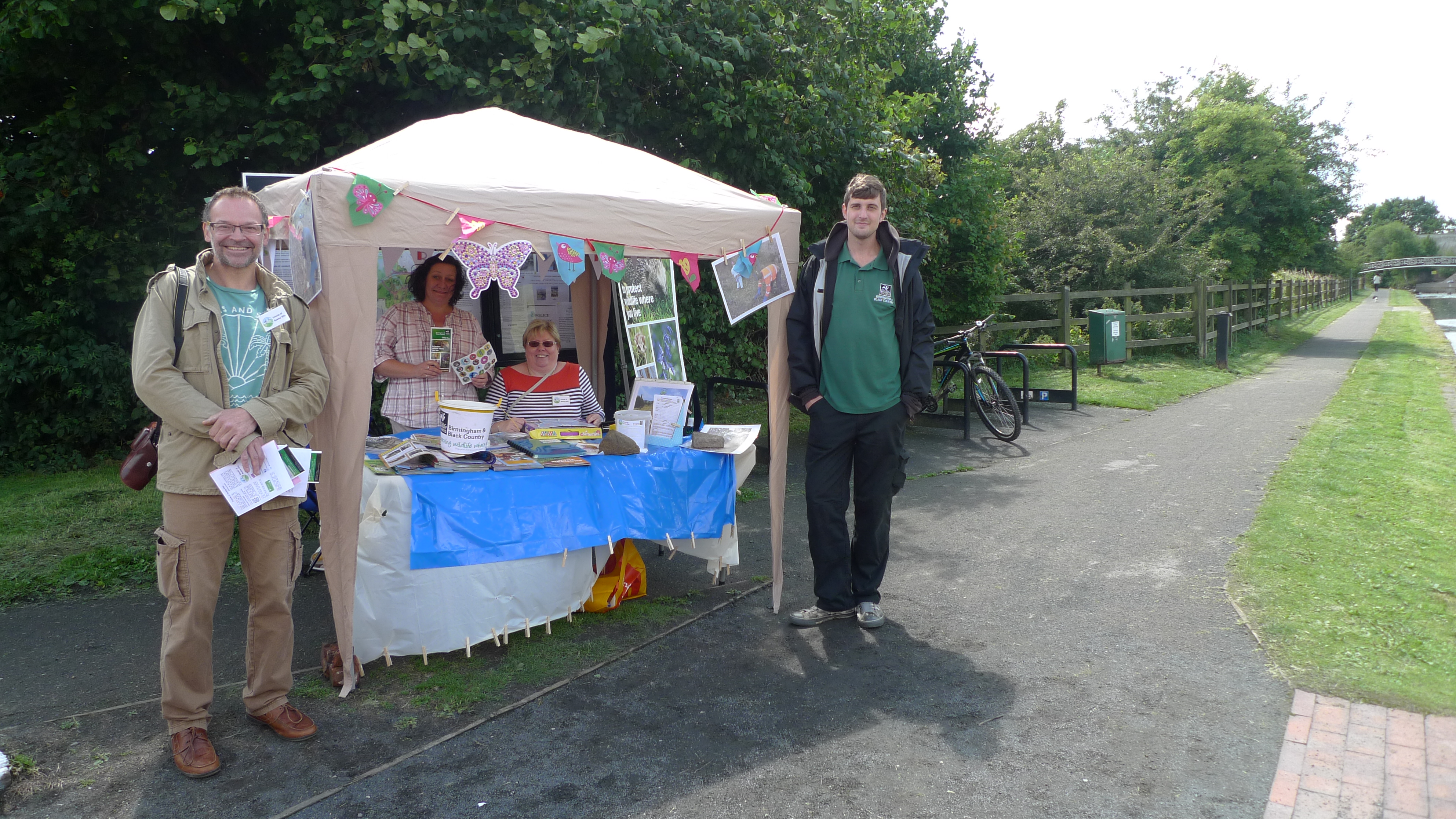
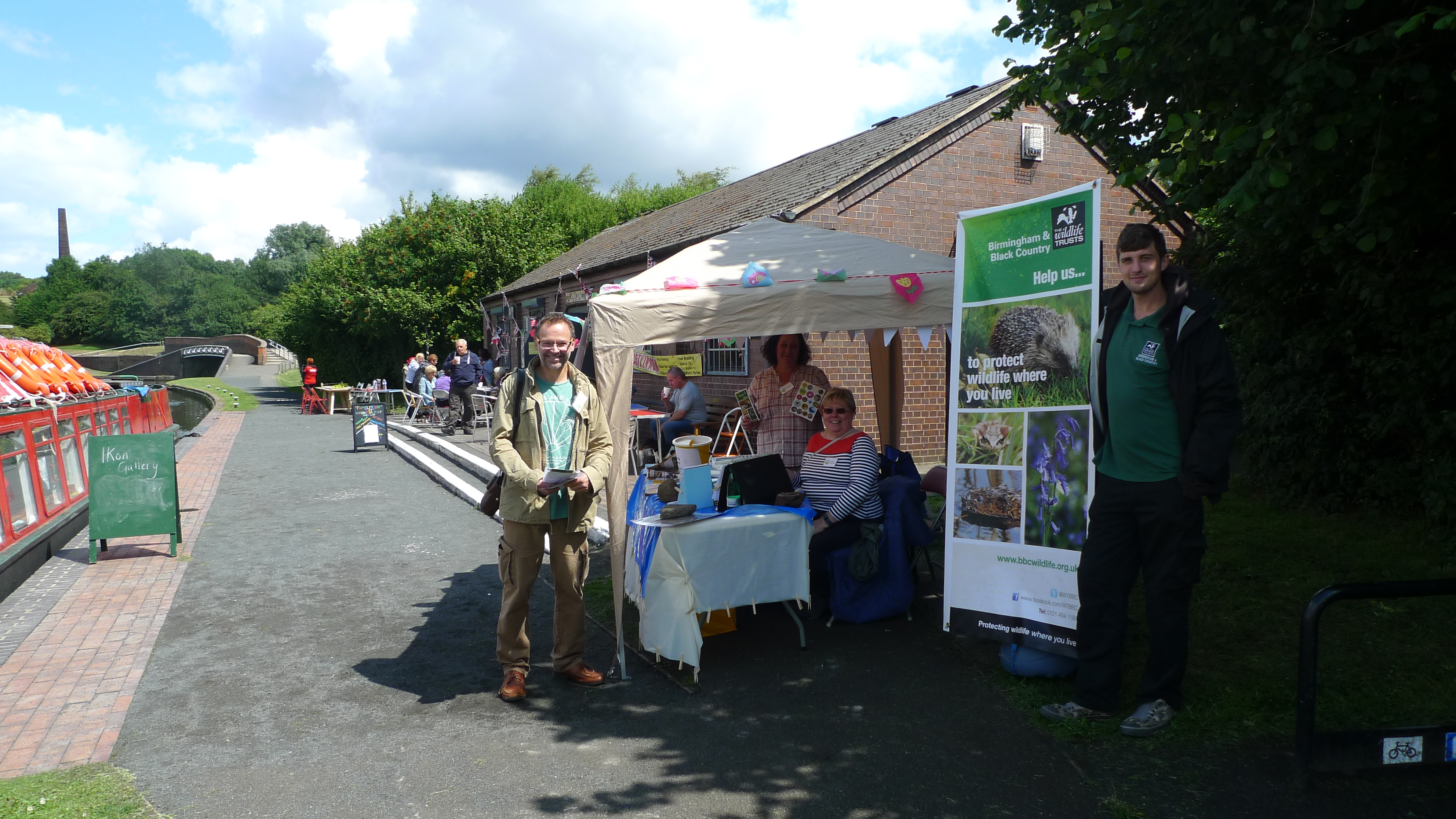
We had a great time at the Bumble Hole Family Fun Day on Saturday, and signed up a few new members. If you’re interested in becoming a member just go to the Membership page to find out how. Here are a couple of photos of our stall at the Fun Day, ably run by Tony, Julie, Josie and Doug!

FORH at Bumble Hole Family Fun Day (image © Mike Poulton)

FORH at Bumble Hole Family Fun Day (image © Mike Poulton)

FORH at Bumble Hole Family Fun Day (image © Mike Poulton)

FORH at Bumble Hole Family Fun Day (image © Mike Poulton)

Grass cutting delayed to conserve wildflowers on Bury Hill

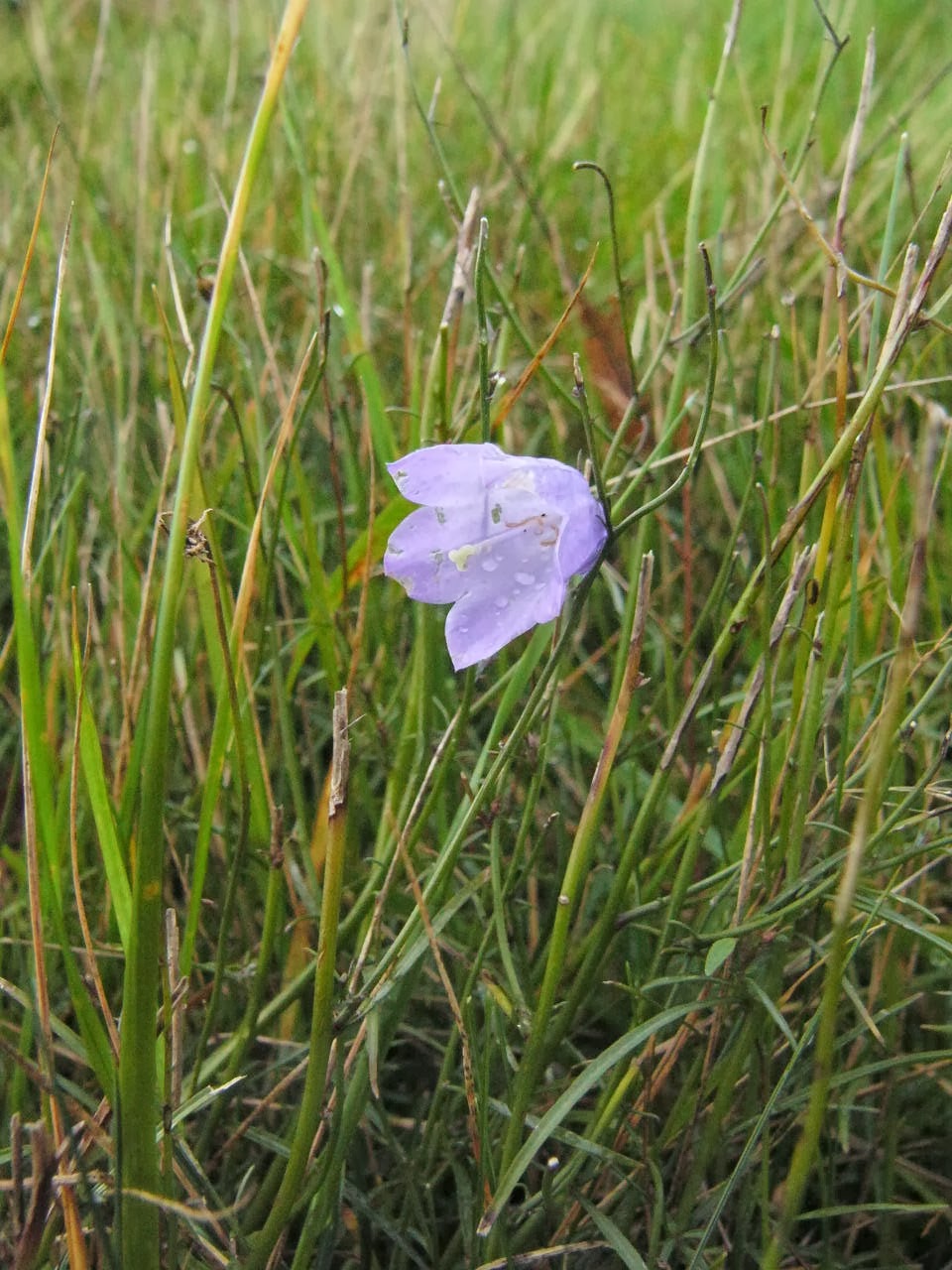
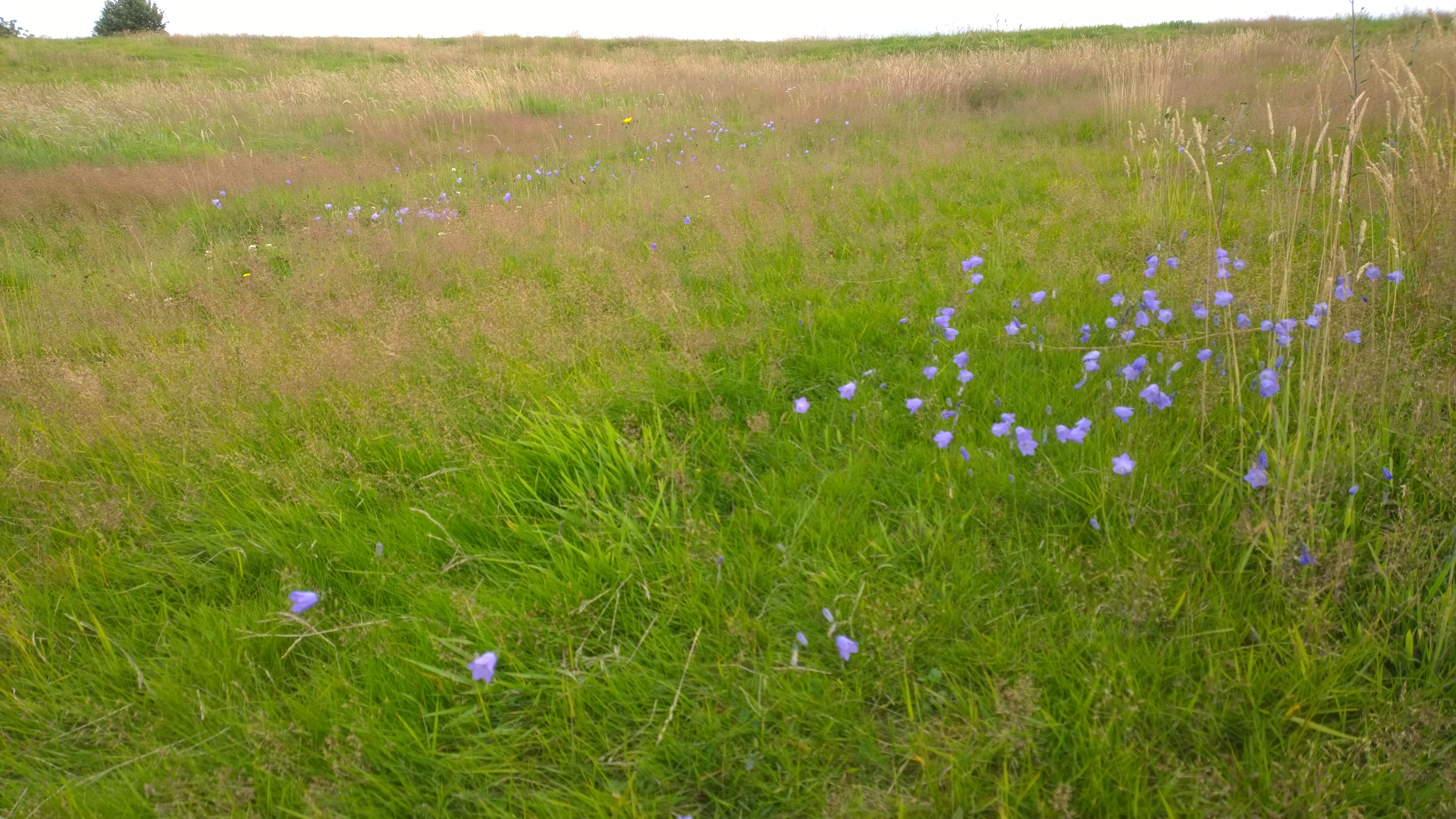
Harebell (Campanula rotundifolia) (image © Jane Tavener)
Harebell (Campanula rotundifolia)

The Friends of Rowley Hills are grateful to Sandwell Council Parks and Green spaces for their recent support to protect a rare floral display of Harebells that are growing on the hillside above Bury Hill Park.

Our organisation requested that the grass cutting be delayed while these plants were in flower, until it was time for them to seed. The Harebell, a native plant with delicate blue bell-shaped flowers, was once very common but has declined alarmingly in our area in recent years. Up on the Rowley Hills above Bury Hill Park is the largest population of this plant left in Sandwell and probably the largest population remaining in the whole of Birmingham & the Black Country. Now that the cutting has been delayed, these flowers will have enough time to finish flowering and set seed, to ensure that they continue to thrive on the hills and that local people can continue to enjoy them. It’s great news for conservation to get such support from Sandwell Council.

Bury Hill Harebells, July 2015 (image © Mike Poulton)

Bury Hill Harebells, July 2015 (image © Mike Poulton)

Our response to the proposed redevelopments of Edwin Richards Quarry

FORH logoThe Friends of Rowley Hills has a number of concerns about the proposed redevelopments of Edwin Richards Quarry. We have outlined these fully in a letter, which was sent on the 20th July 2015 to:

Mr Adrian Bailey MP – West Bromwich West Constituency
Cllr Maria Crompton, Sandwell MBC – Environmental & Planning
Mr James Morris MP – Halesowen & Rowley Regis Constituency
The Rt. Hon Greg Clarke MP, Department for Committees & Local Government , its communities and local government

Please take the time to read the letter, available in the link below. We believe that many of the issues we have highlighted reflect the concerns of both local residents and anyone who is concerned about the impact of poorly-planned development projects upon our communities and wildlife-rich green spaces.

Click here to read the FORH Edwin Richards Quarry objection letter