Tag Archives: Wildlife Trust

Welcome to new members, and upcoming events

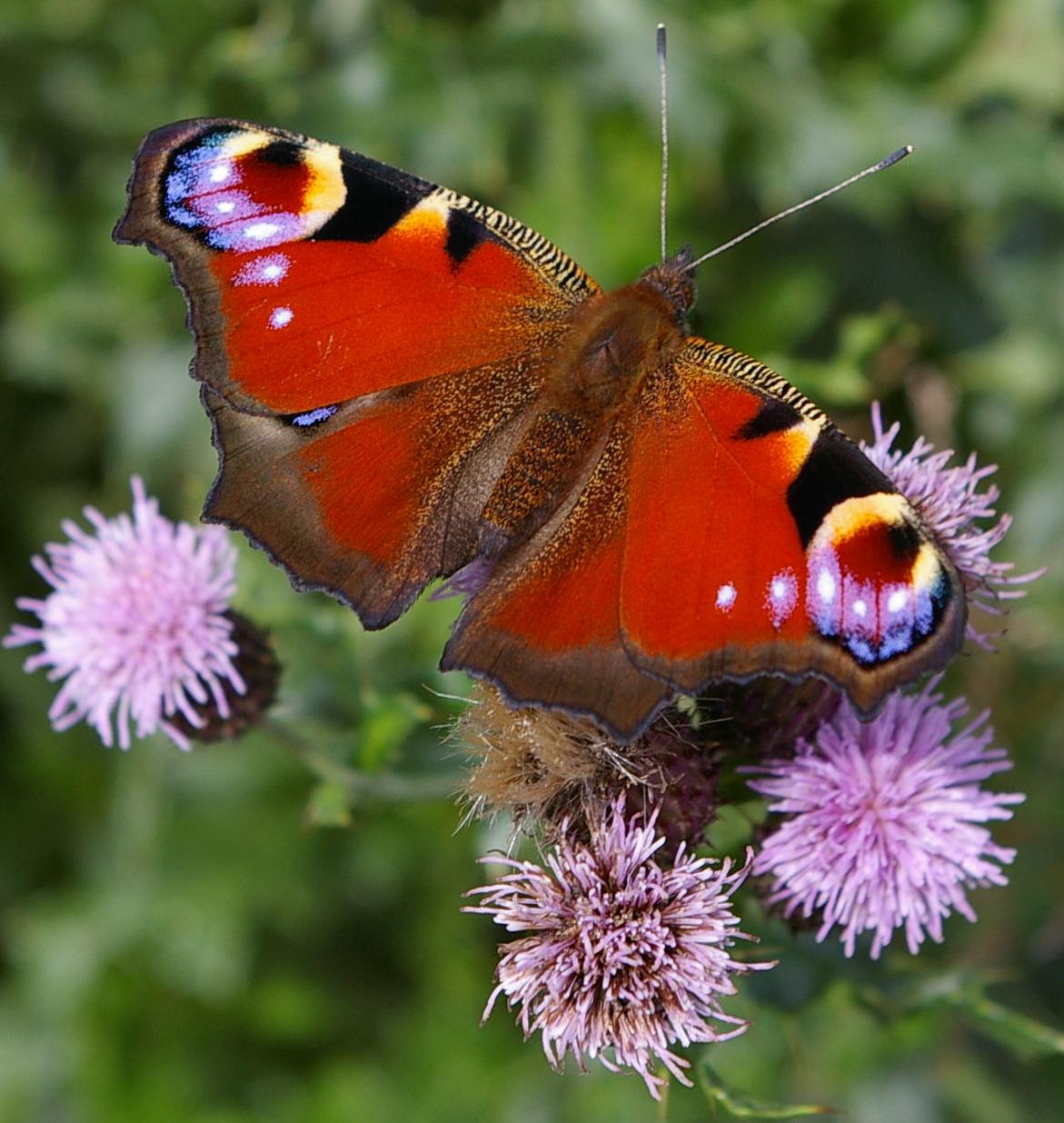
Peacock butterfly (Inachis io) (image ©Mike Poulton)We’ve just about finished updating our membership system and would like to say a big WELCOME to all our new members! If you applied for membership in the past few months, we apologise that there has been a delay in processing your membership, but you should now start to receive email updates from us.

We have quite a few events happening this month and we hope you’ll be able to make it to a few:

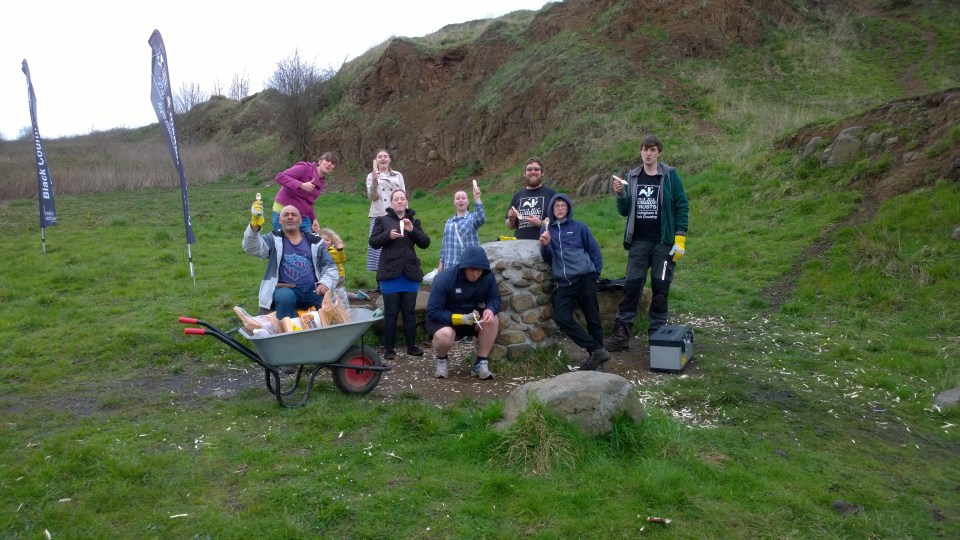
  • Conservation volunteer day, View Point Open Space, Saturday 16th April 2016, 10:00am – 3:00pm. Join the Wildlife Trust for Birmingham & the Black Country for a fun day out meeting new people, helping the environment and learning new skills. We will be working to enhance the woodland plantations on site by clearing brambles, crown lifting the trees and under planting with native tree whips and woodland ground flora. Meet at the entrance to the site at the northern end of View Point; as there are very few parking spaces nearby we recommended that anyone coming by car should park out of View Point and walk to the meeting place. No need to book, just turn up!
  • Clean for the Queen, Massey’s Bank, East Avenue, Tividale, Saturday 23rd April, 10:00am – 1:00pm. Clean for The Queen is a campaign to clear up Britain in time for Her Majesty the Queen’s 90th birthday, which will be officially celebrated in June 2016. Join us for a litter pick to get Massey’s Bank looking spick and span! Click here for more information about the Clean for the Queen campaign; you can also contact Shane Allen for more information about this particular event on 07718 193629 or bigspringclean.sandwell@serco.com.
  • Conservation volunteer day, View Point Open Space, Sunday 24th April 2016, 10:00am – 3:00pm. Join the Wildlife Trust for Birmingham & the Black Country for a fun day out meeting new people, helping the environment and learning new skills. We will be working to enhance the woodland plantations on site by clearing brambles, crown lifting the trees and under planting with native tree whips and woodland ground flora. Meet at the entrance to the site at the northern end of View Point; as there are very few parking spaces nearby we recommended that anyone coming by car should park out of View Point and walk to the meeting place. No need to book, just turn up!
  • Dawn Chorus Event, Portway Hill, Saturday 30th April 2016, 6:30am. Join local bird expert Nick Horton who will be leading a dawn chorus walk, looking out in particular for the Rowley Hills’ resident raptors – Buzzard, Kestrel, Sparrowhawk and Peregrine, as well as many other species of interest. Be sure to dress sensibly (early mornings can be cold!) and bring binoculars if you have them. Meet at the cairn on the Wildlife Trust site on Portway Hill. No need to book.

Awards for All Easter success!

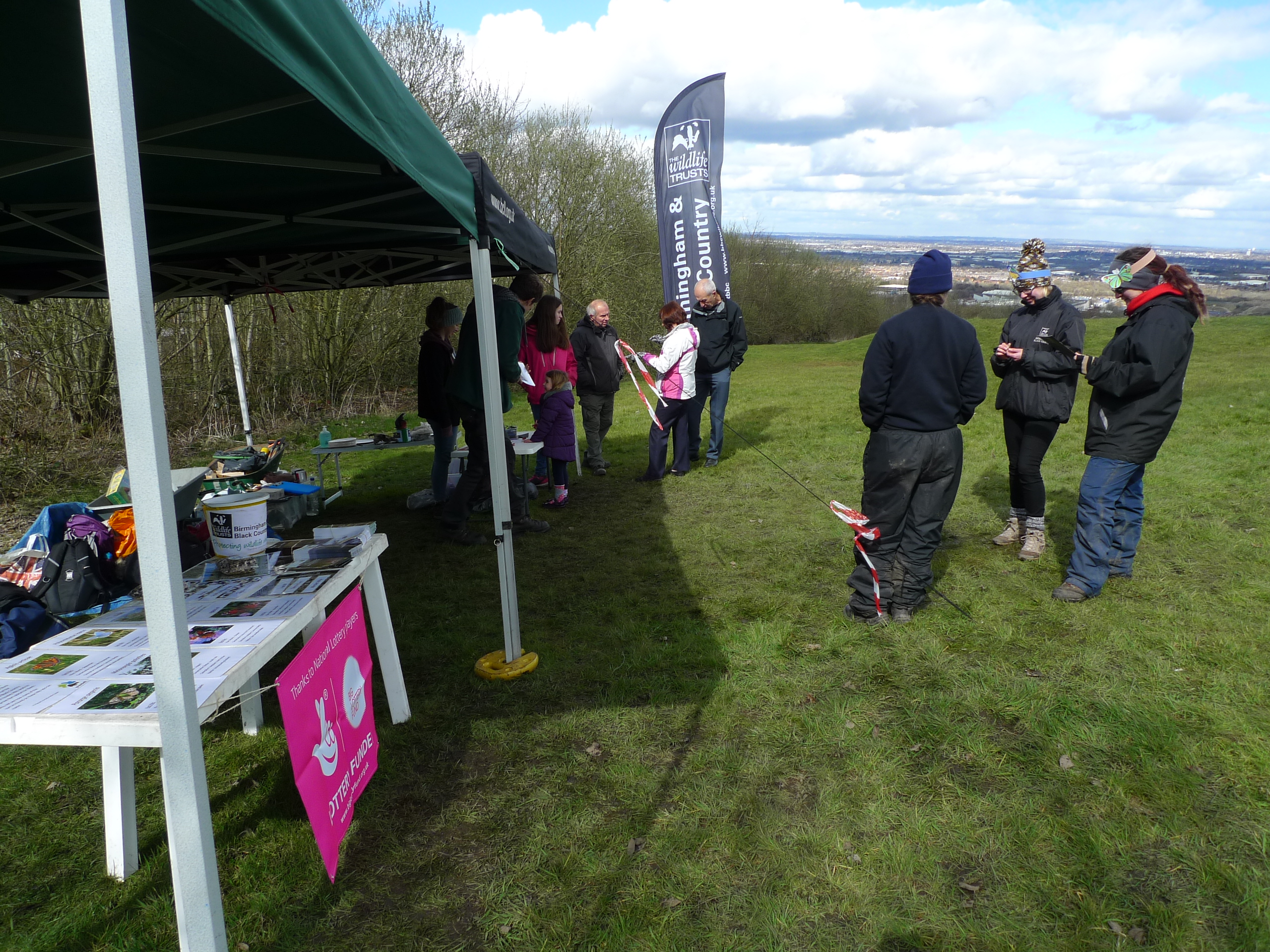
The Wildlife Trust put on two very successful AFA (Awards for All) Lottery-funded events for us over the Easter week. On Wednesday Natalie Bellfield had a very good turn out for her Mothers and Toddlers walk from Oakham Library up onto View Point Open Space, where the children participated in a treasure hunt and various activities that the Wildlife Trust had set up. Afterwards, we continued our walk along the highest point of the site, admiring excellent views across to Cannock and Barr Beacon and beyond on what was turning into a sunny and pleasantly warm, early-spring day. Back at the library the children did some colouring, and prior to leaving, were all given Easter eggs. This was an excellent day that brought together the library, Wildlife Trust, Friends of Rowley Hills and many local people.

View Point Open Space AFA event 30th March 2016 (image © Mike Poulton)

View Point Open Space AFA event 30th March 2016 (image © Mike Poulton)

View Point Open Space AFA event 30th March 2016 (image © Mike Poulton)

View Point Open Space AFA event 30th March 2016 (image © Mike Poulton)

View Point Open Space AFA event 30th March 2016 (image © Mike Poulton)

View Point Open Space AFA event 30th March 2016 (image © Mike Poulton)


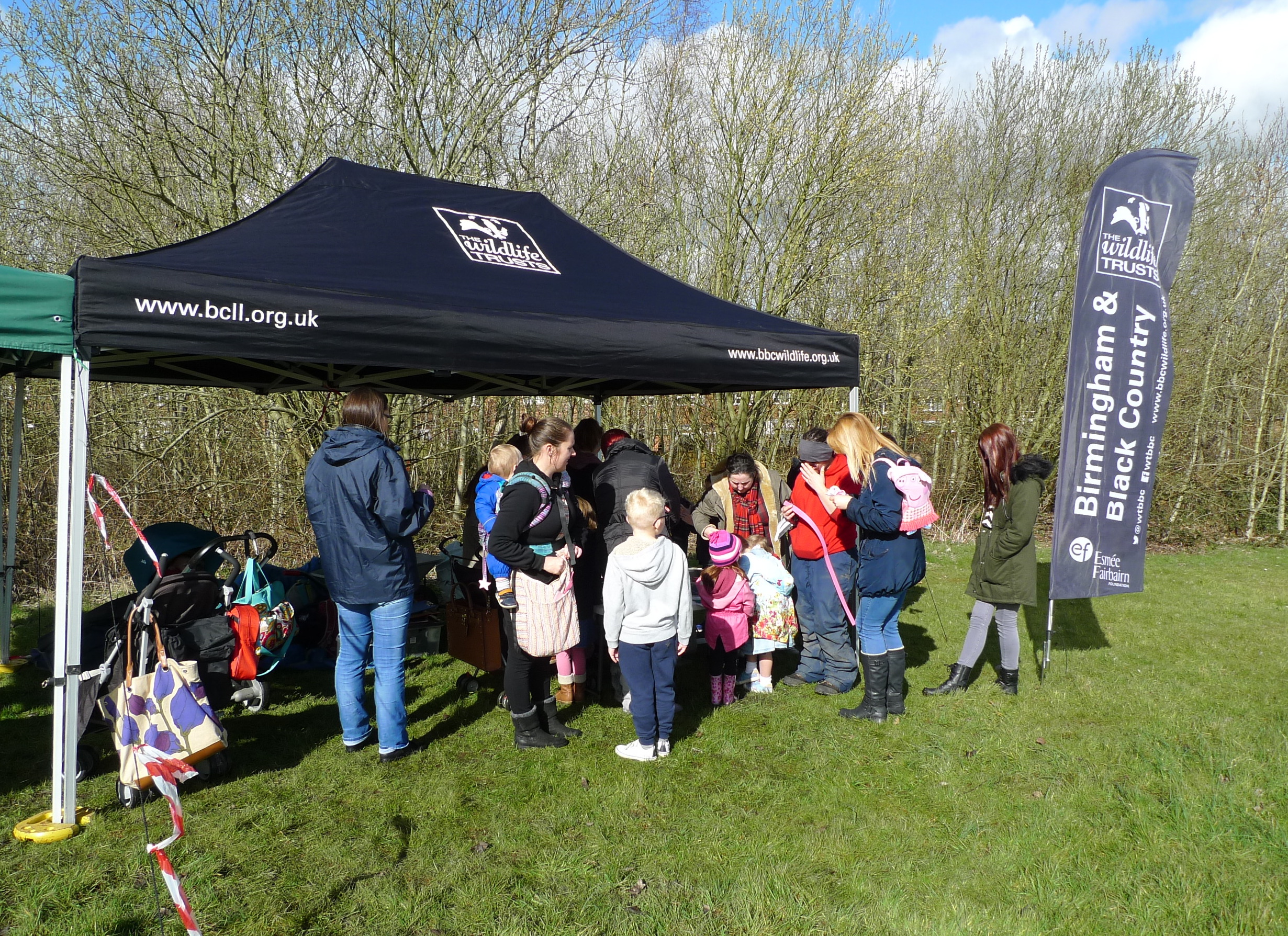
On Thursday the weather was even better for our AFA event in Bury Hill Park.The spring sunshine was a bonus and we even saw an occasional Small Tortoiseshell butterfly on the wing. Throughout the day a steady stream of people visited our stall and at mid-day some of the attendees joined Mike for a circular walk around Portway Hill Open Space, taking in the Wildlife Trust cairn and geological exposure, before heading towards Wolverhampton Road and back into Bury Hill Park.

Many of the children took advantage of their visit to the park by making use of the various play apparatus that the park has to offer.
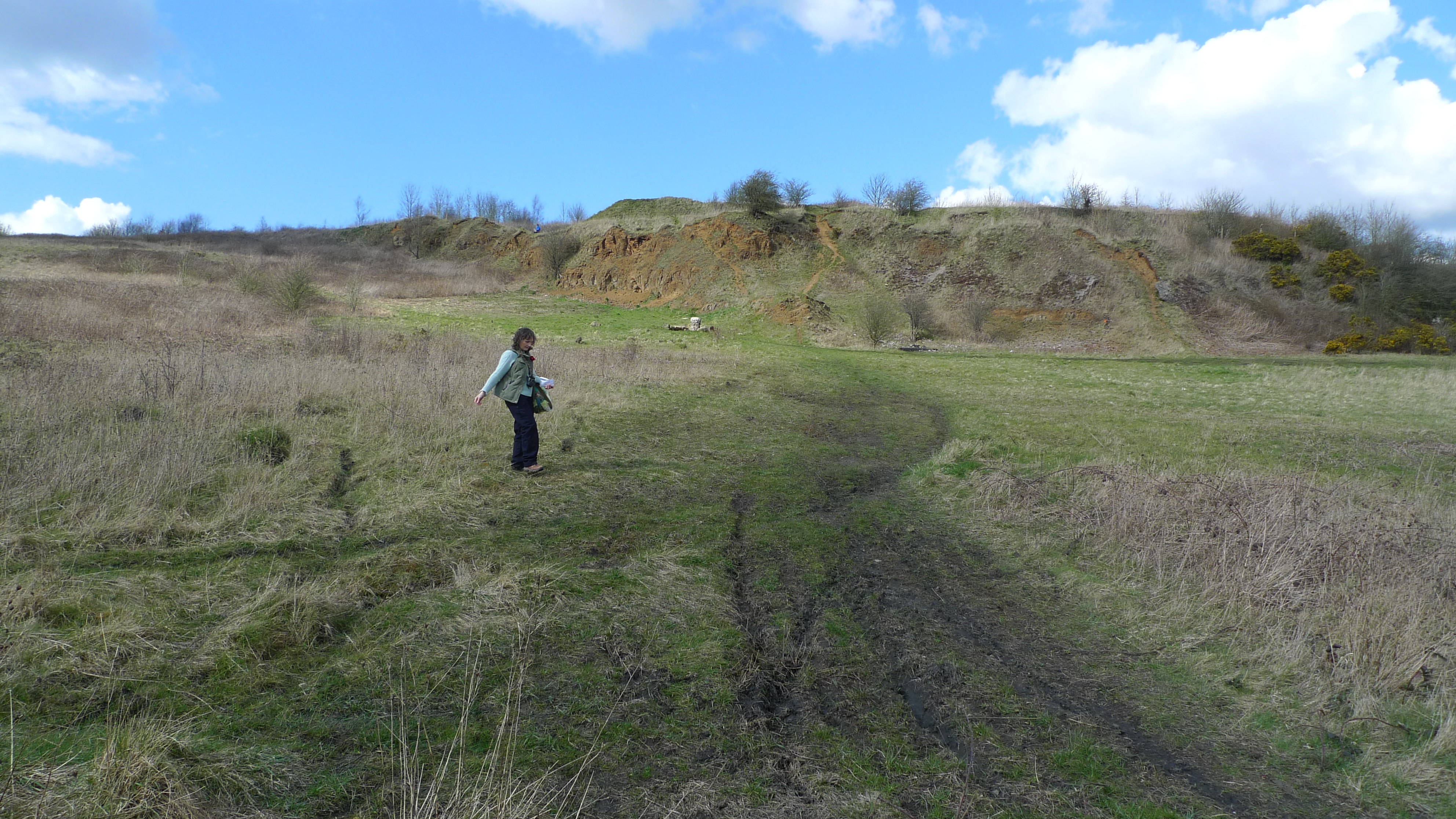
During the afternoon representatives from the Wildlife Trust and FORH scattered Harebell seeds across the Portway Hill site which they had collected last autumn thanks to FORH’s successful appeal to Sandwell Council to temporally cease mowing of the hillside while the Harebells were flowering and producing seed.

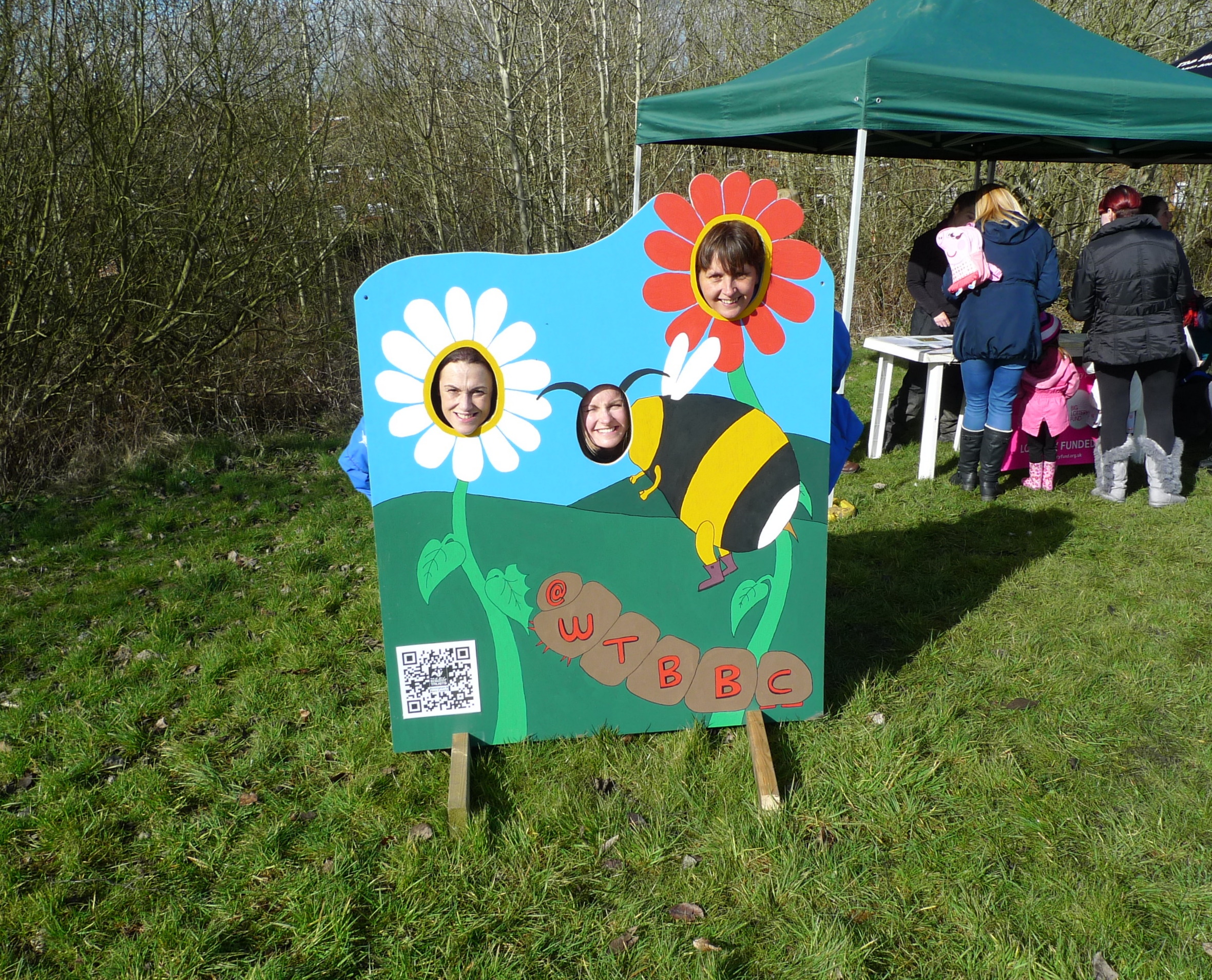
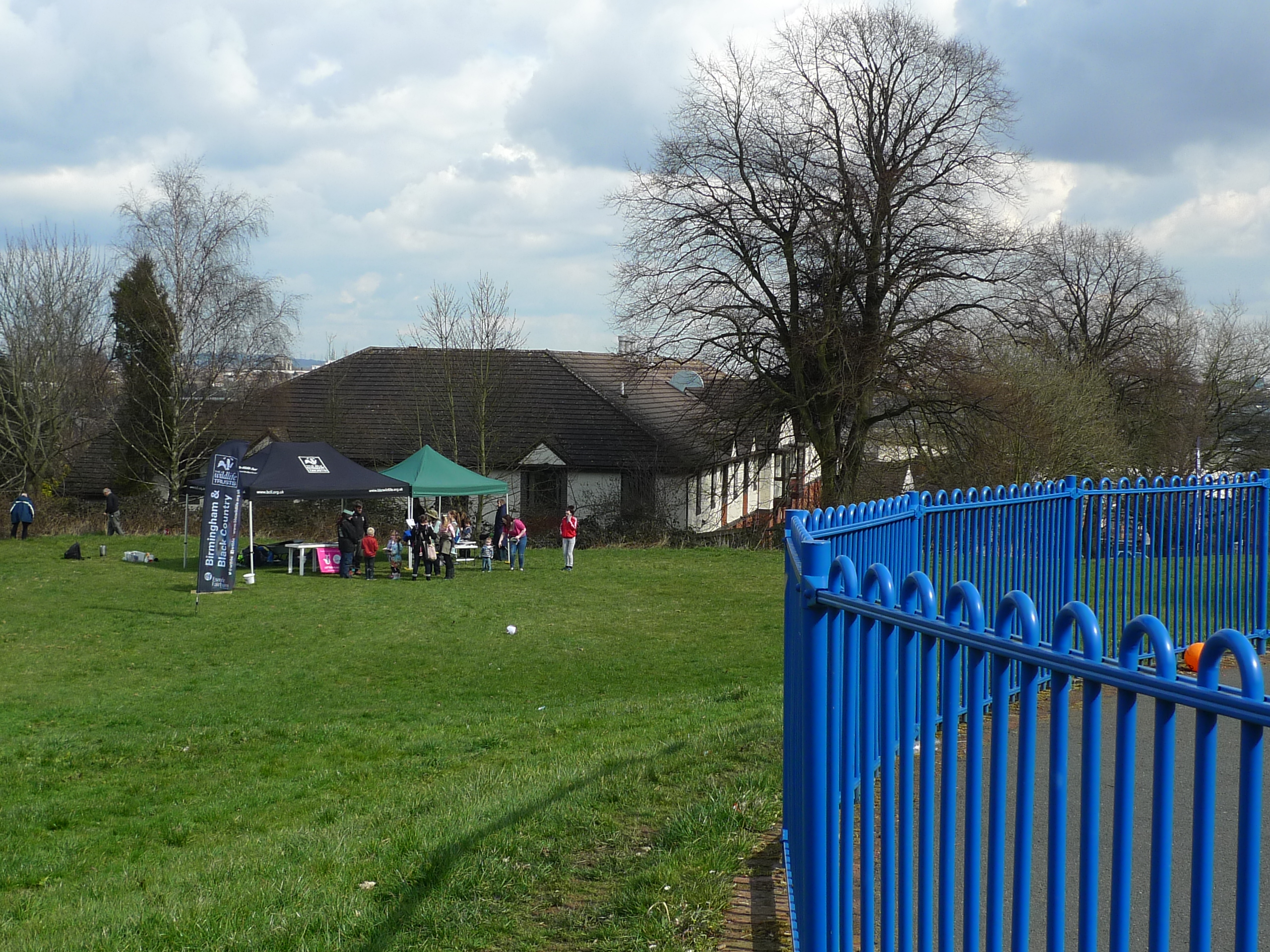
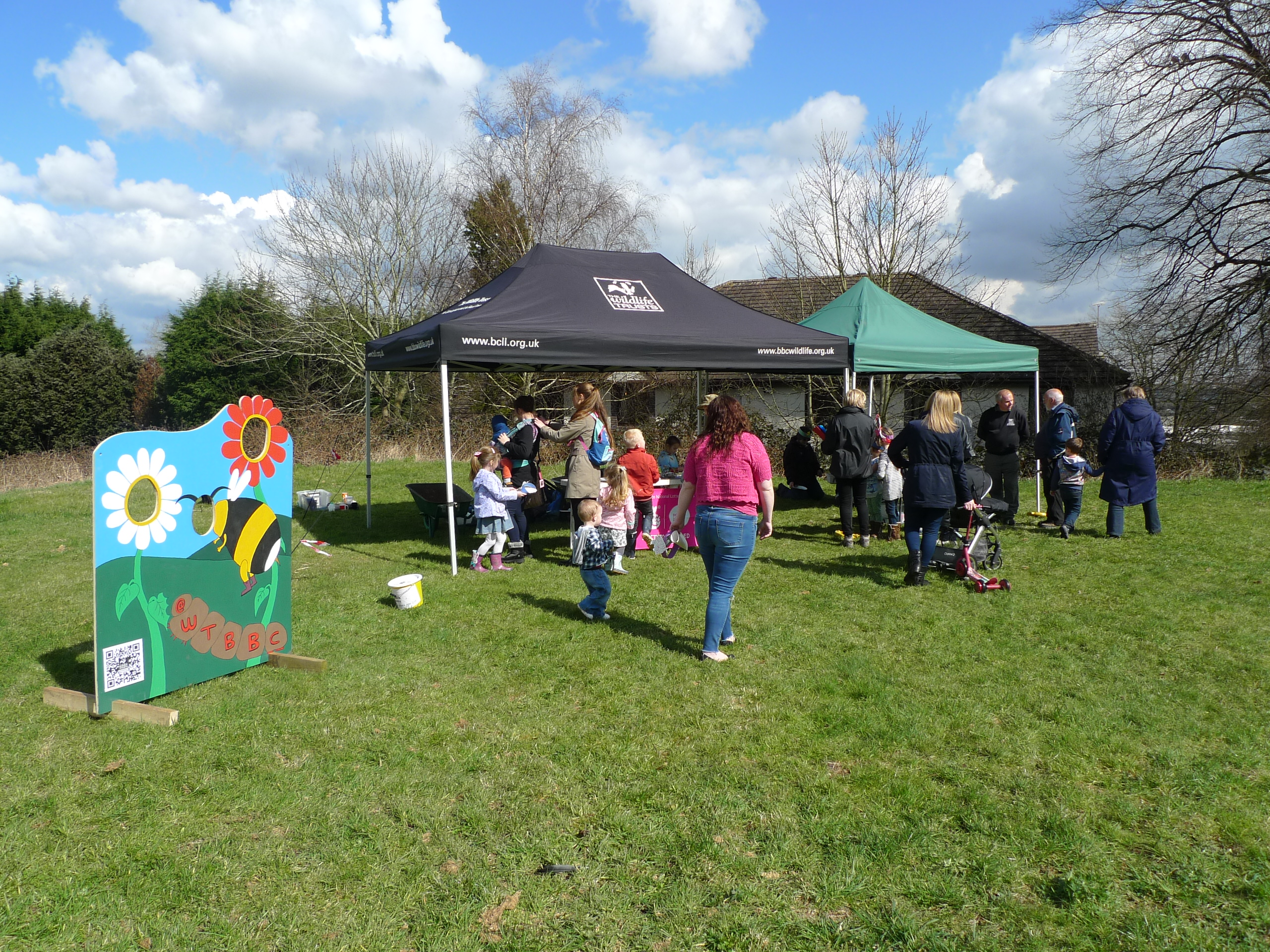
Bury Hill Park AFA event 31st March 2016 (image © Mike Poulton)

Bury Hill Park AFA event 31st March 2016 (image © Mike Poulton)

Bury Hill Park AFA event 31st March 2016 (image © Mike Poulton)

Bury Hill Park AFA event 31st March 2016 (image © Mike Poulton)

Lynn Poulton scattering Harebell seeds on the Wildlife Trust site - 31st March 2016 (image © Mike Poulton)

Lynn Poulton scattering Harebell seeds on the Wildlife Trust site – 31st March 2016 (image © Mike Poulton)

Family fun this Easter on the Rowley Hills

Big Lottery Fund logoWe have plenty of fun family activities planned for you on the Rowley Hills over Easter!

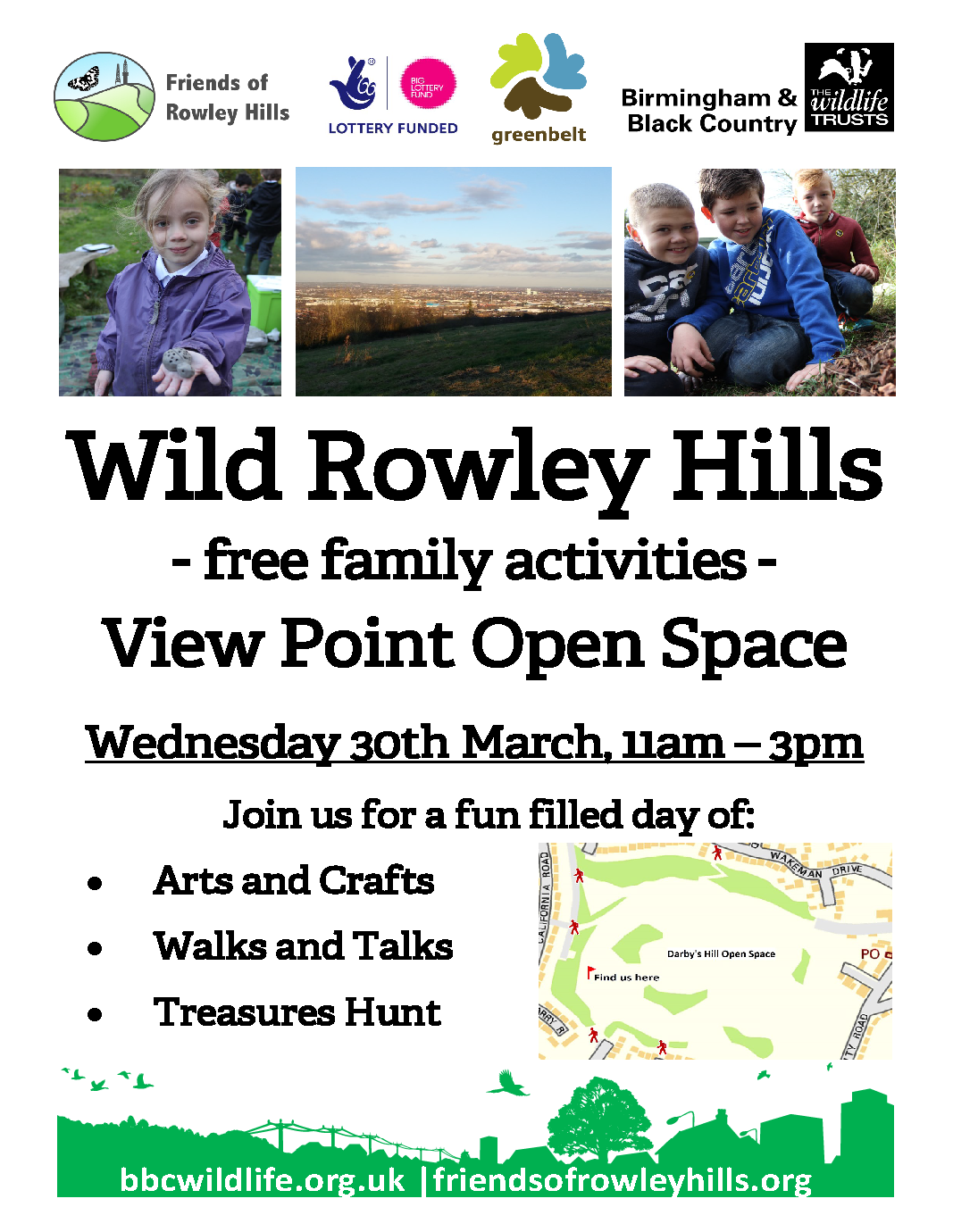
Next Wednesday 30th March we have two events; first up is a Easter Mums & Toddlers walk with Sandwell Leisure Trust. Natalie Bellfield from Sandwell Leisure Trust will be leading a walk specially for mums and toddlers going from Oakham Library to View Point, before heading back to the library and ending with some refreshments. Our Vice Chair Mike Poulton will be accompanying the group and giving a short talk about the wildlife and views from the hillside. The Friends of Rowley Hills are also going to put on a display of Rowley Hills photographs in the library for this event.

Then from 11:00am until 3:00pm on the same day we will be up on View Point Open Space with the Wildlife Trust for Birmingham & the Black Country running lots of fun, FREE, family activities including arts and crafts, walks and talks and a treasure hunt.

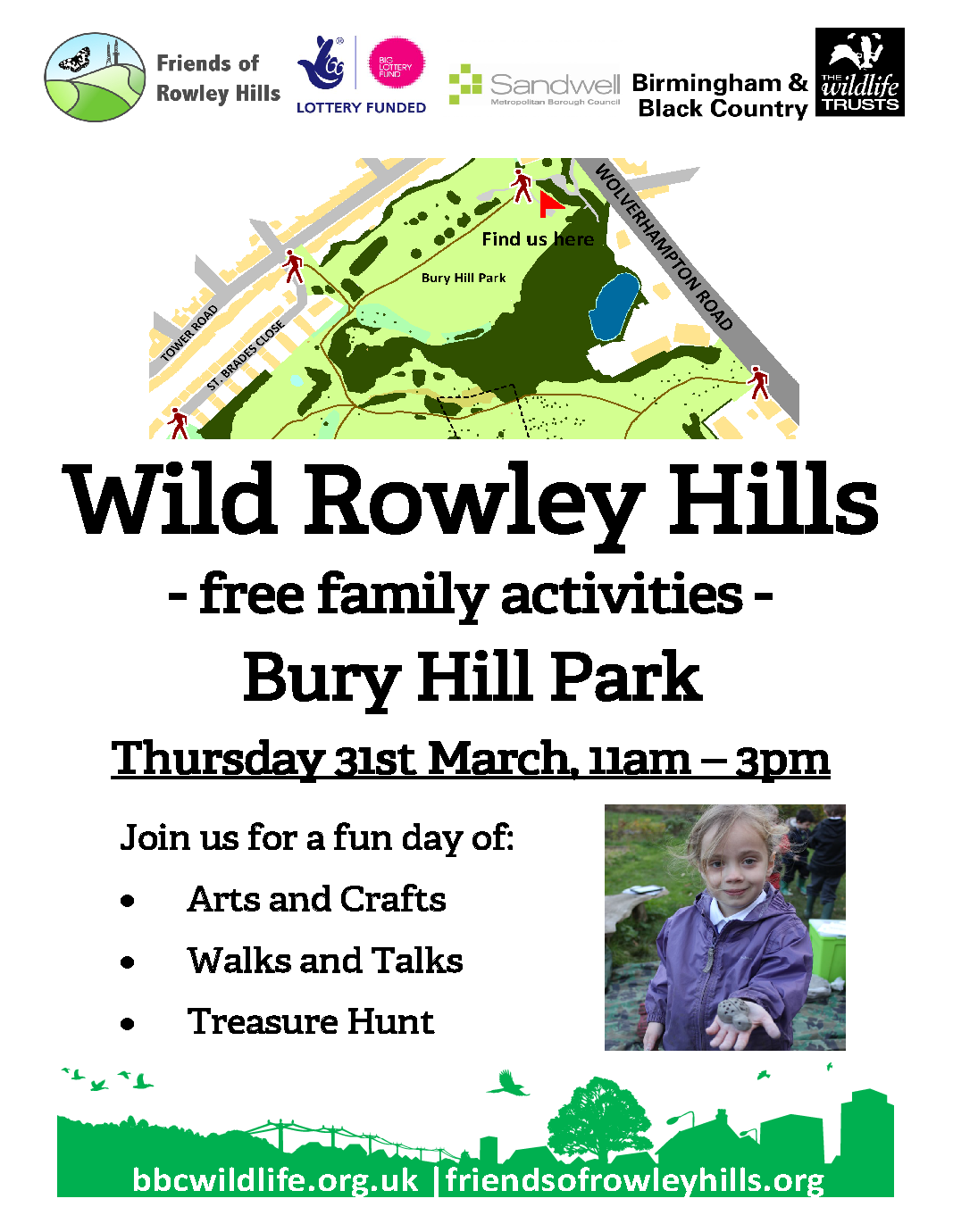
On Thursday 31st March we will be in Bury Hill Park, 11:00am – 3:00pm, with the Wildlife Trust for Birmingham & the Black Country running lots of fun, FREE, family activities including arts and crafts, walks and talks and a treasure hunt. All of these events are completely free for anyone who wants to come, thanks to our funding from the Big Lottery Fund. You don’t need to book, just turn up! Take a look at the posters below for further info and location maps:

Wild Rowley Hills 30.03.16Wild Rowley Hills 31.03.16

Tool training this Saturday!

The Rowley Hills (image © Mike Poulton)

Portway Hill (image © Mike Poulton)

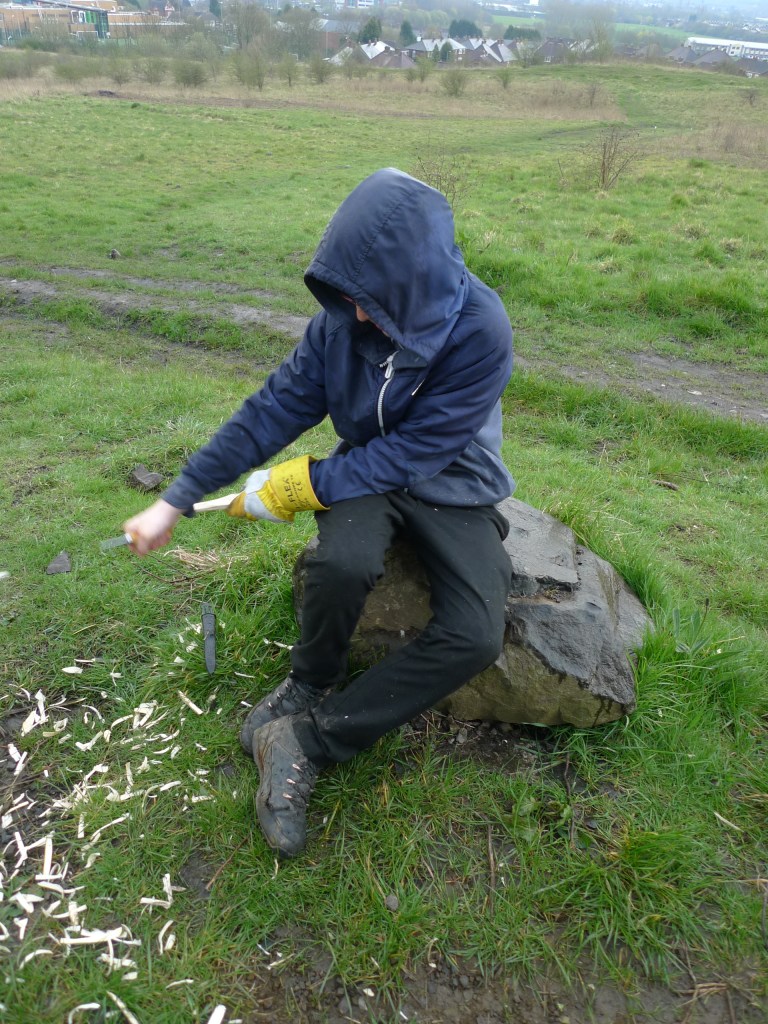
This Saturday we have another exciting event happening, made possible thanks to our Awards For All funding from the Big Lottery Fund. Tom Hartland-Smith from The Wildlife Trust for Birmingham & the Black Country will be on Portway Hill carrying out tool training – this will teach you all you need to know about use and maintenance of the tools we use for conservation on the Rowley Hills. We will meet on St Brades Close at 10:00 and the event runs until 12:00. There is a limited number of places available; please book your place at https://www.eventbrite.co.uk/e/portway-hill-tool-training-maintenance-tickets-22690278233.

We look foward to seeing you there!

Forthcoming Rowley Hills events

Big Lottery Fund logoWe’ve been busy arranging lots of exciting events over the coming months, thanks to our Awards For All Lottery funding. Coming up tomorrow we have another conservation volunteer day with the Wildlife Trust where we will be planting a new hedgerow, and on the 19th March the Wildlife Trust will be holding a tool training event, which will teach you all you need to know about use and maintenance of the tools we use for conservation on the Rowley Hills.

Looking further ahead, we have a Mums and Toddlers walk at Easter in partnership with Sandwell Leisure Trust, our Clean for the Queen litter pick in April, and a couple of guided wildlife walks in June at a peak time for butterfly activities on the hills.

Check out our Events page for the full details of all these events, and don’t forget to keep checking back as we’ll continue to add more events in the near future! You can also sign up to updates from this news feed – just click on ‘Follow’ at the bottom right-hand corner of our homepage (https://friendsofrowleyhills.org/) and enter your email address. You’ll receive an email every time we post some news here!

Friends of Rowley Hills awarded £10,000 from the Big Lottery Fund!

Big Lottery Fund logoFantastic news! We are very happy to be able to announce that we’ve been successful in securing a £10,000 Awards for All grant from the Big Lottery Fund. These grants fund a wide range of community projects aimed at developing skills, improving health, revitalising the local environment and enabling people to become more active citizens. Our application was overseen by the Wildlife Trust for Birmingham & the Black Country with whom we work closely; our thanks to them for their great assistance in helping us obtain this funding.

The Wildlife Trust will also be helping to deliver the majority of the activities paid for by the funding, over the next 12 months. Although yet to be finalised, the money is likely to be spent on activities such as guided walks and other events, training for our members so that we can deliver more future events, and supplies necessary for the upkeep of the Rowley Hills.

Wildlife round-up – October 2015

Although summer is over and autumn is now well and truly with us, there are still plenty of fascinating flora and fauna to be seen in the Rowley Hills. Here’s a round-up of recent sightings; don’t forget, if you’ve seen something interesting, let us know!

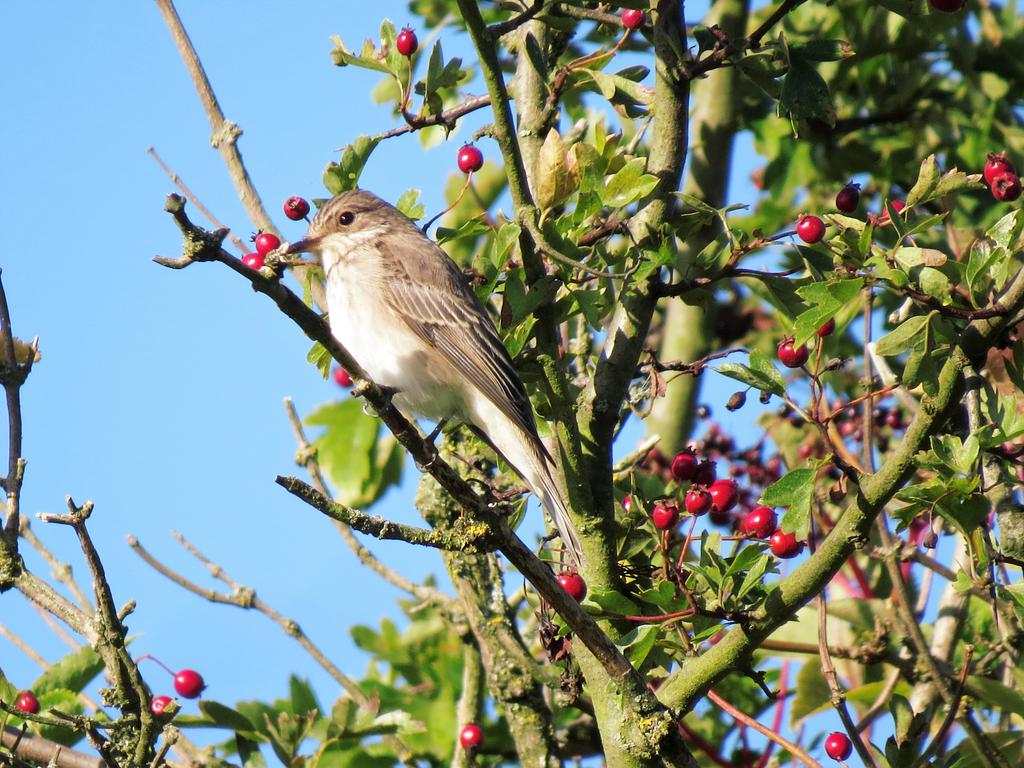
Bird migration is continuing apace, and taking on an autumnal flavour, with the first Redwings of the season being spotted. This member of the thrush family breeds in northern Europe and migrates south in autumn, escaping the cold weather to spend the winter in the UK and other central and southern European countries. Other migrating species seen recently include Meadow and Tree Pipits, White and Yellow Wagtails, House Martin, Chaffinch, Siskin, Redpoll, Swallow, Spotted Flycatcher, Chiffchaff, Golden Plover and Cormorant. Many thanks as always to Ian Whitehouse for keeping us up to date with his Rowley Hills sightings!

Spotted Flycatcher (image © Ian Whitehouse)

Spotted Flycatcher (image © Ian Whitehouse)

Early morning on the Rowley Hills, a great time for vismigging (observing visible migration of birds) (image © Ian Whitehouse).

Early morning on the Rowley Hills, a great time for vismigging (observing visible migration of birds) (image © Ian Whitehouse).


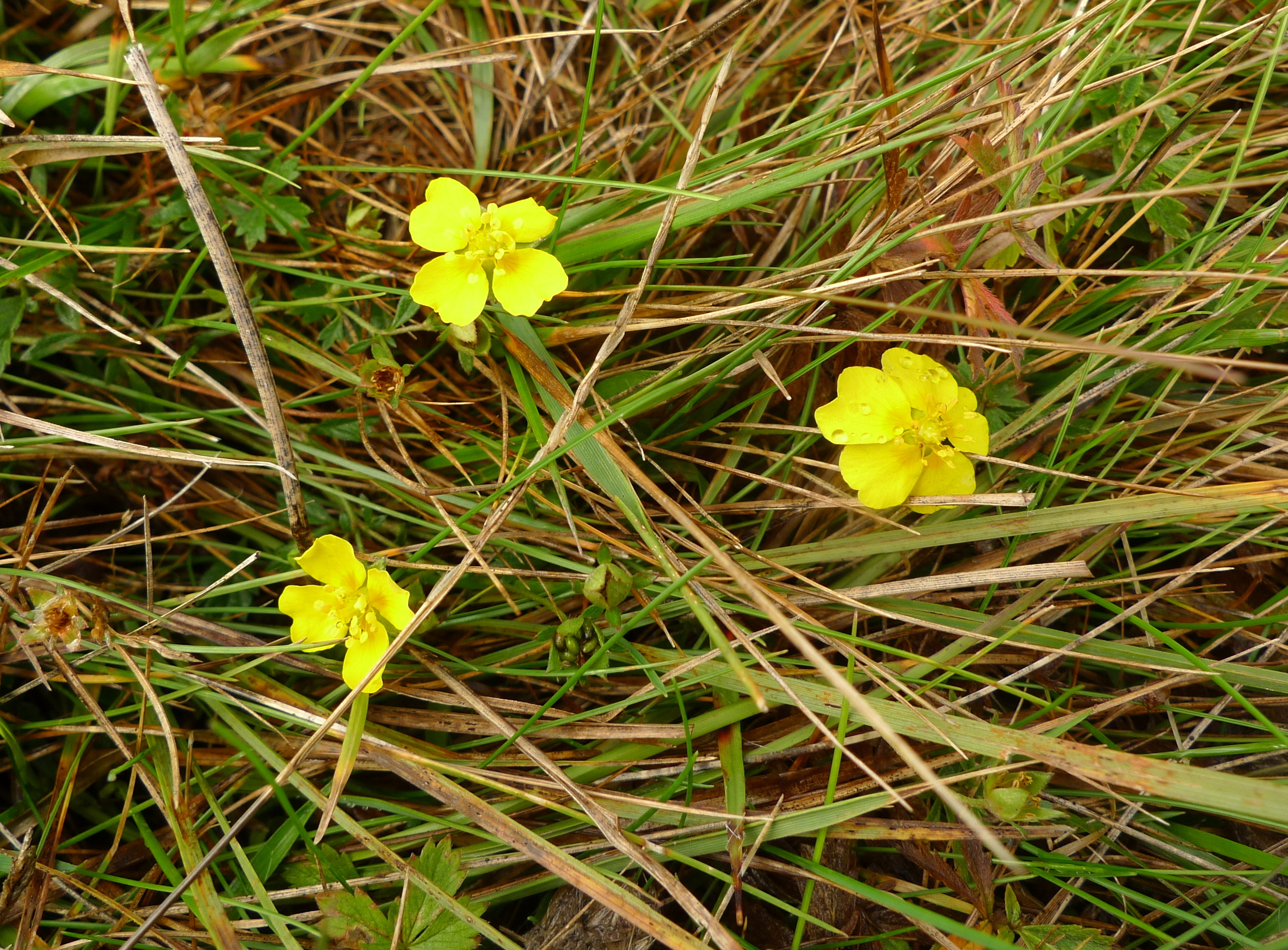
We’ve had more good news following Sandwell Council’s decision to delay cutting the grass on Bury Hill in response to our request. Not only has this allowed the Harebells there to finish flowering – enabling us to collect seed from them to sow elsewhere in the Rowley Hills – another scarce wildflower in Birmingham and the Black Country has been discovered in the same area which would probably never have come to light had the grass been cut as normal. The flower is Trailing Tormentil (Potentilla anglica); it is very difficult to identify as it hybridises with two other members of the Tormentil family, Creeping Cinquefoil (P. reptans) and Common Tormentil (P. erecta). The two hybrids and Trailing Tormentil all look very similar, having flowers with both 4 and 5 petals; however 2 experts have verified that it is Trailing Tormentil. The diagnostic feature confirming this is fully fertile flowers – hybrids are not fertile.

Trailing Tormentil (Potentilla anglica) (image © Mike Poulton)

Trailing Tormentil (Potentilla anglica) (image © Mike Poulton)


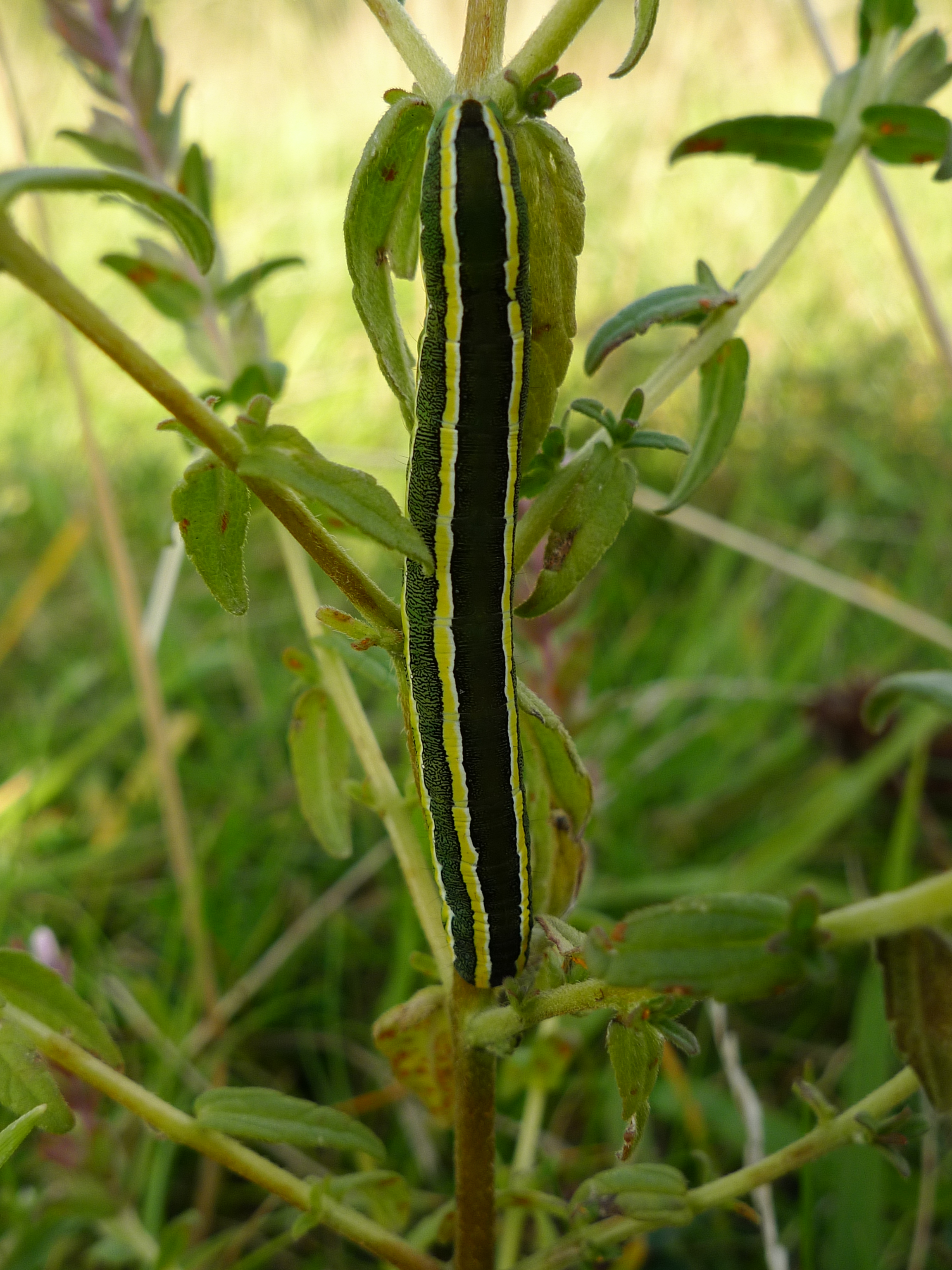
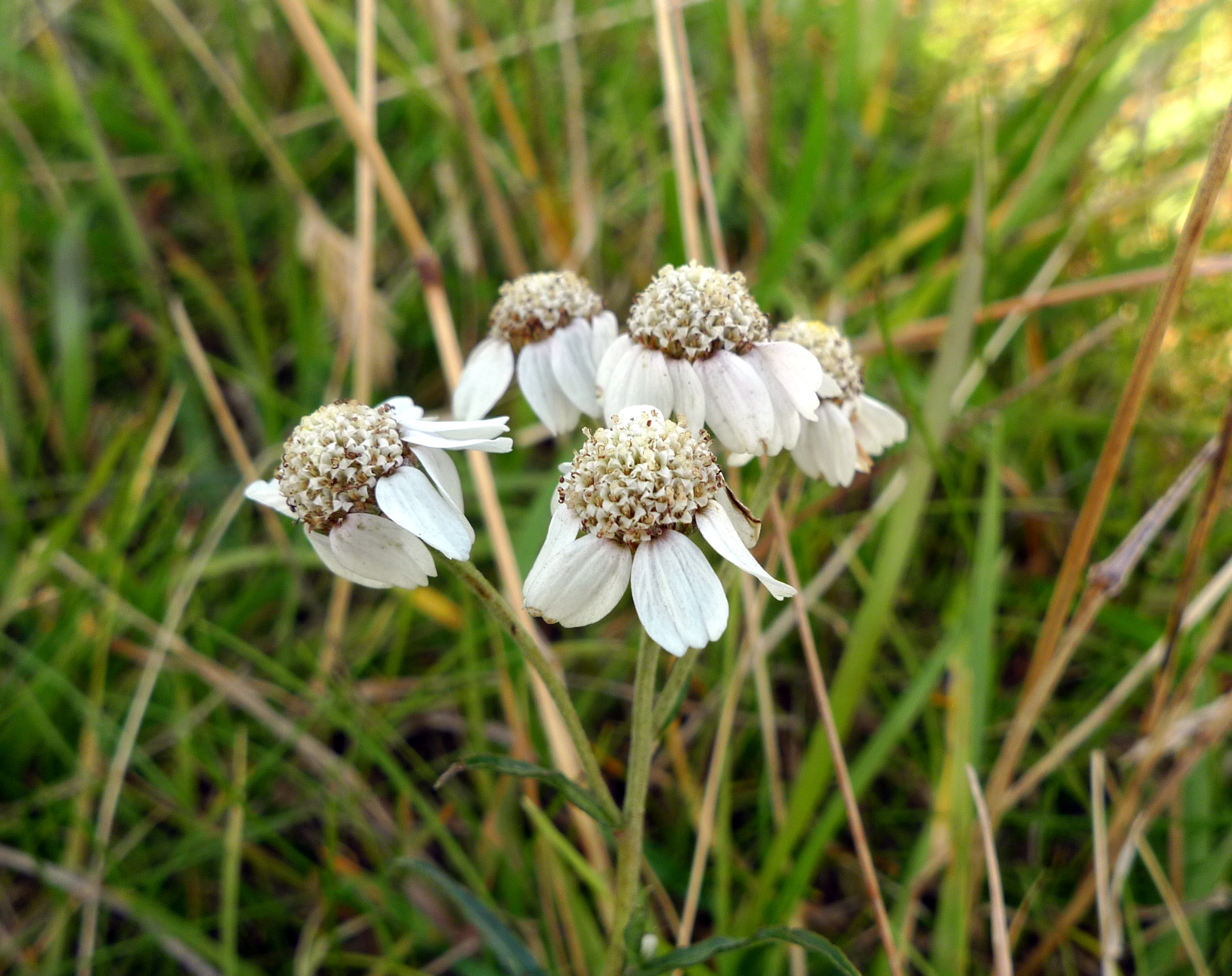
Elsewhere on the hills Mike Poulton photographed a Broom Moth caterpillar feeding on Red Bartsia, and another new botanical record for the Wildlife Trust’s Portway Hill site was a large patch of Sneezewort, so named because its pungent smell supposedly causes sneezing.

Broom Moth caterpillar (Ceramica pisi) (image © Mike Poulton)

Broom Moth caterpillar (Ceramica pisi) (image © Mike Poulton)

Sneezewort (Achillea ptarmica) (image © Mike Poulton)

Sneezewort (Achillea ptarmica) (image © Mike Poulton)


Mike and Doug also found an enormous spider whilst working on the Wildlife Trust’s site, which turned out to be a Four Spotted Orb Weaver. This spider holds the record for the heaviest spider in Britain!

Four Spotted Orb Weaver (Araneus quadratus) (image © Mike Poulton)

Four Spotted Orb Weaver (Araneus quadratus) (image © Mike Poulton)


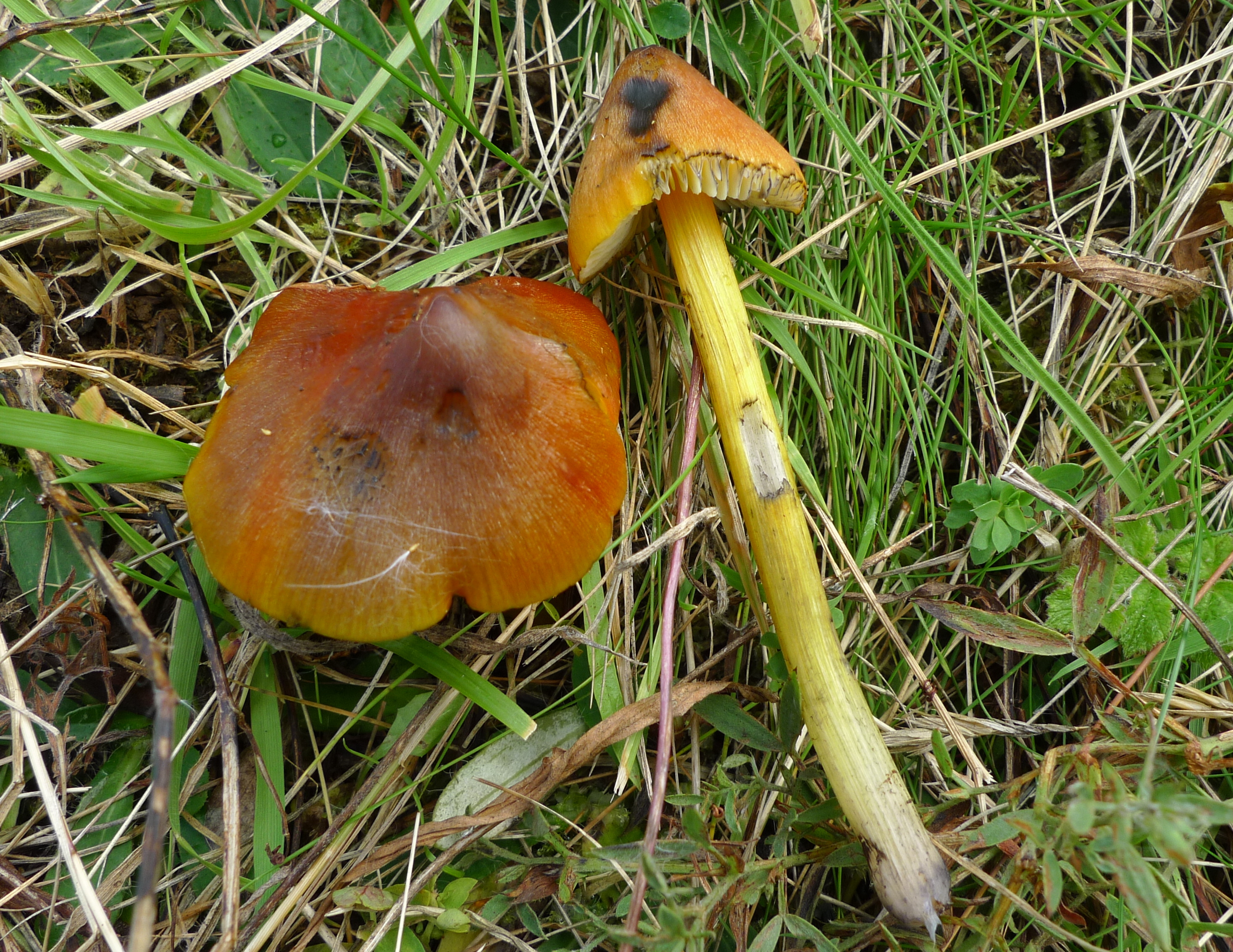
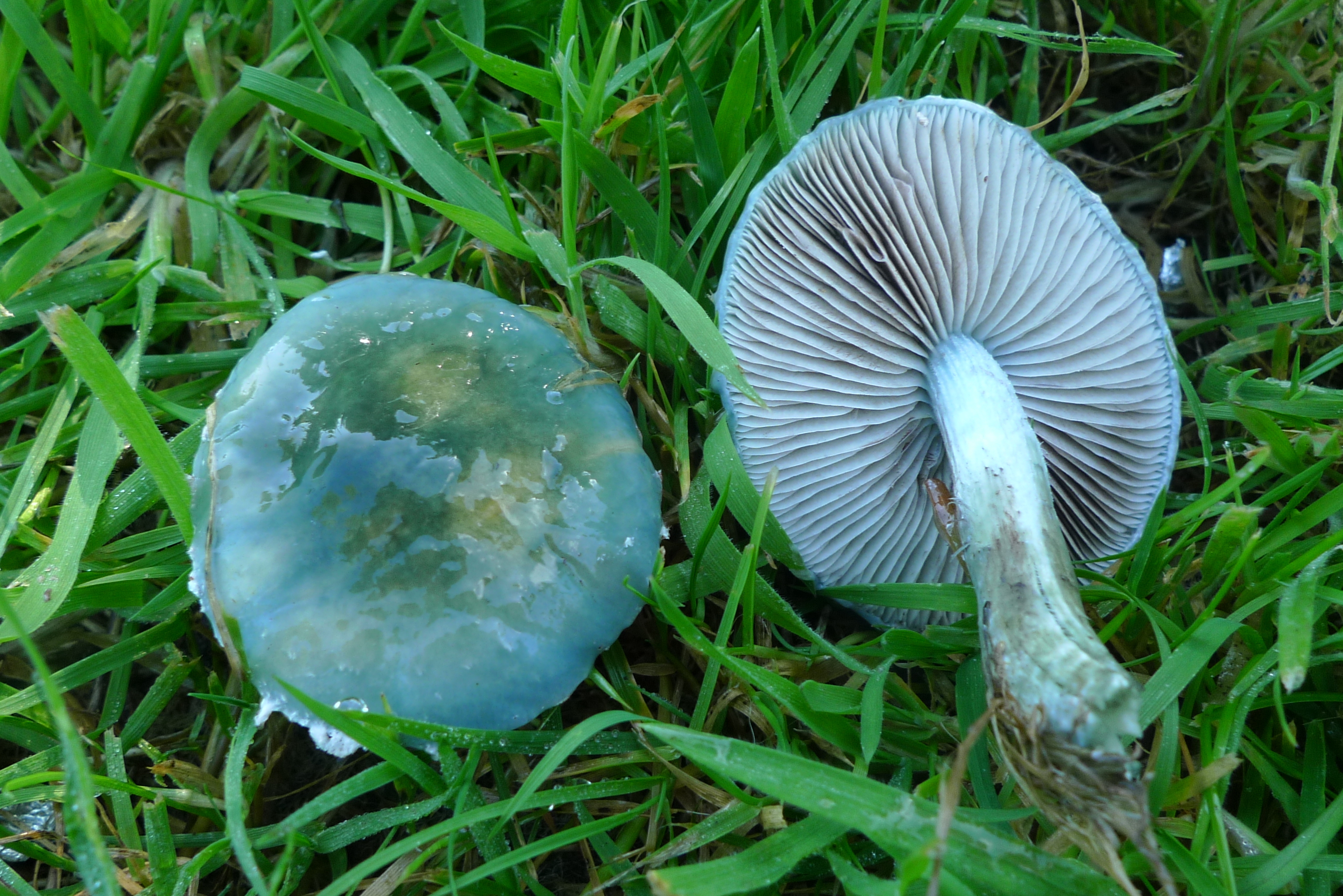
It’s turning out to be a great fungi season too. These two species were photographed last week; Blackening Waxcap was near the Wildlife Trust’s Portway Hill site and Verdigris Agaric was on Massey’s Bank.

Blackening Waxcap (Hygrocybe nigrescens) (image © Mike Poulton)

Blackening Waxcap (Hygrocybe nigrescens) (image © Mike Poulton)

Verdigris Agaric (Stropharia aeruginosa) (image © Mike Poulton)

Verdigris Agaric (Stropharia aeruginosa) (image © Mike Poulton)

Report from SandNats walk

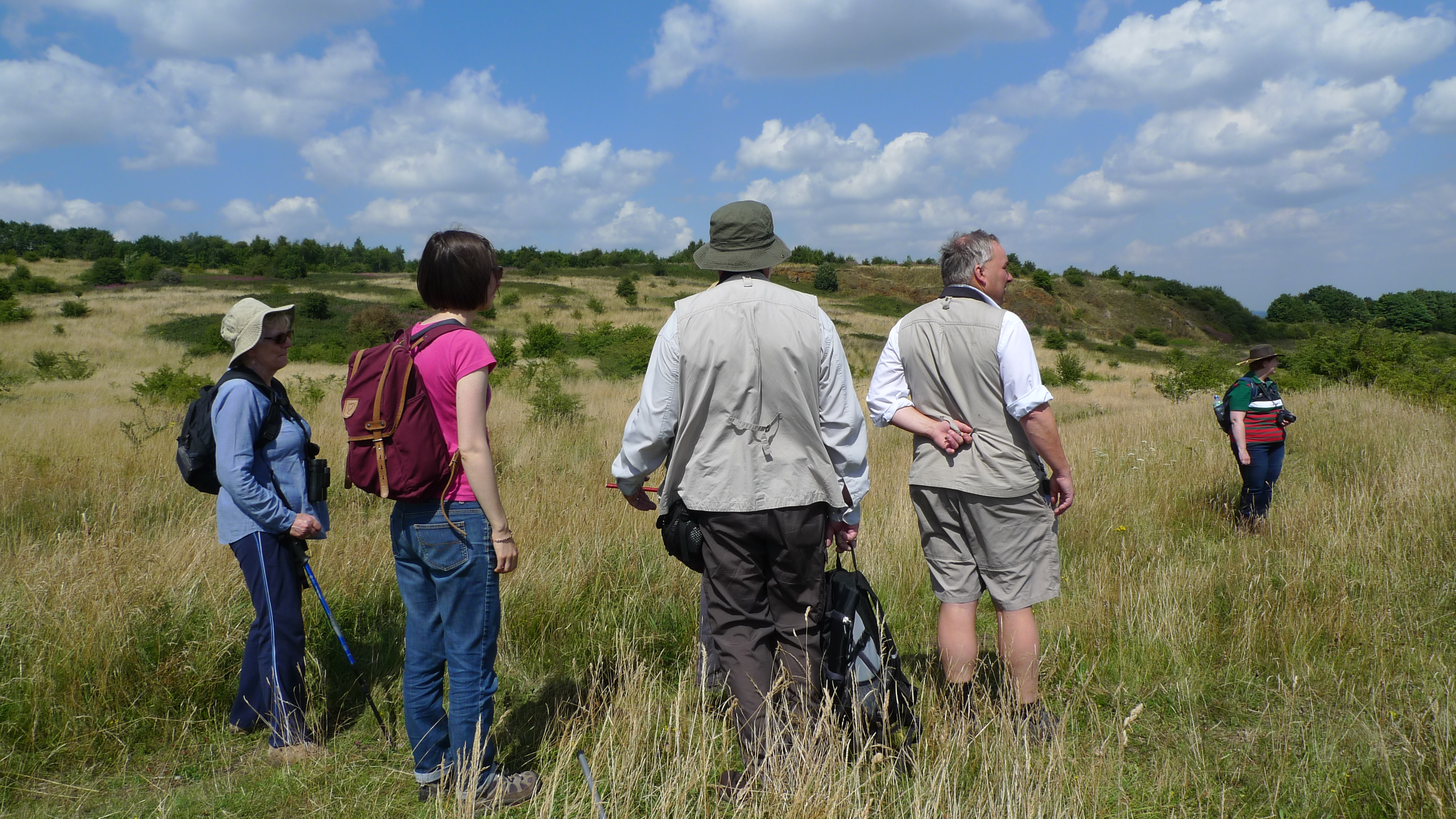
SandNats exploring the Rowley Hills (image © Mike Poulton)

SandNats exploring the Rowley Hills (image © Mike Poulton)

SandNats exploring the Rowley Hills (image © Mike Poulton)

SandNats exploring the Rowley Hills (image © Mike Poulton)

On Saturday SandNats (Sandwell Valley Naturalists’ Club) held a guided walk on the Rowley Hills, concentrating on wildflowers and invertebrates. The weather was perfect – warm and sunny – giving optimum conditions for spotting insects, and the walk was a great success, with several rare insect species being recorded.


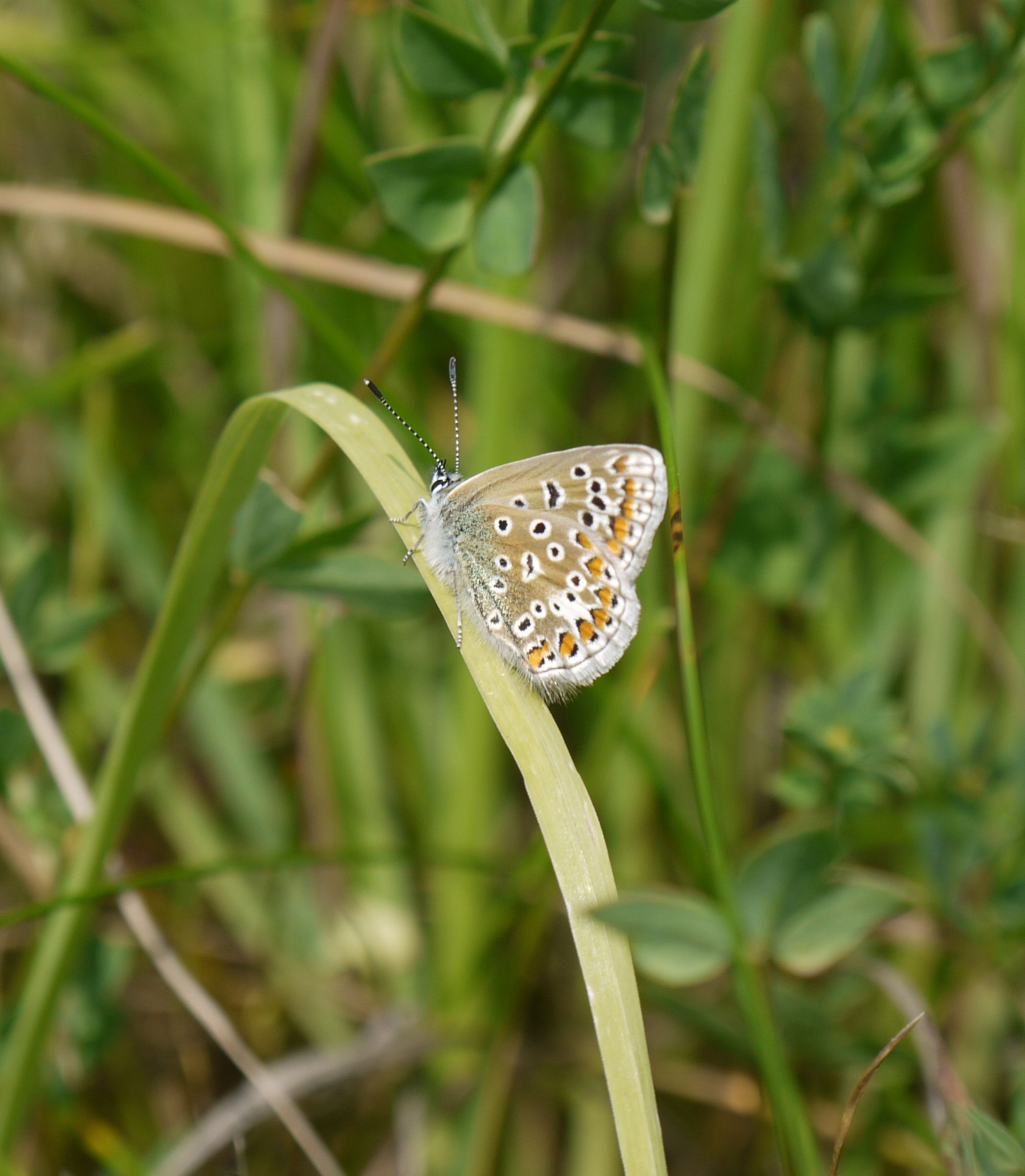
The group walked a circuit around the old Blue Rock Quarry. Although the height of the flowering season has now passed for many plants, there were still quite a few in flower including Burnet-saxifrage (Pimpinella saxifraga), Hare’s-foot Clover (Trifolium arvense), Red Bartsia (Odontites verna), Lucerne (Medicago sativa) and others. There were plenty of butterflies around, including a few Marbled Whites (Melanargia galathea), by now looking somewhat worn. As well as these we saw Large, Small and Essex Skippers, Large and Small Whites, Small Copper, Gatekeeper, Meadow Brown, Common Blue, Comma and Red Admiral.

Common Blue (Polyommatus icarus) (image © Jane Tavener)

Common Blue (Polyommatus icarus) (image © Jane Tavener)

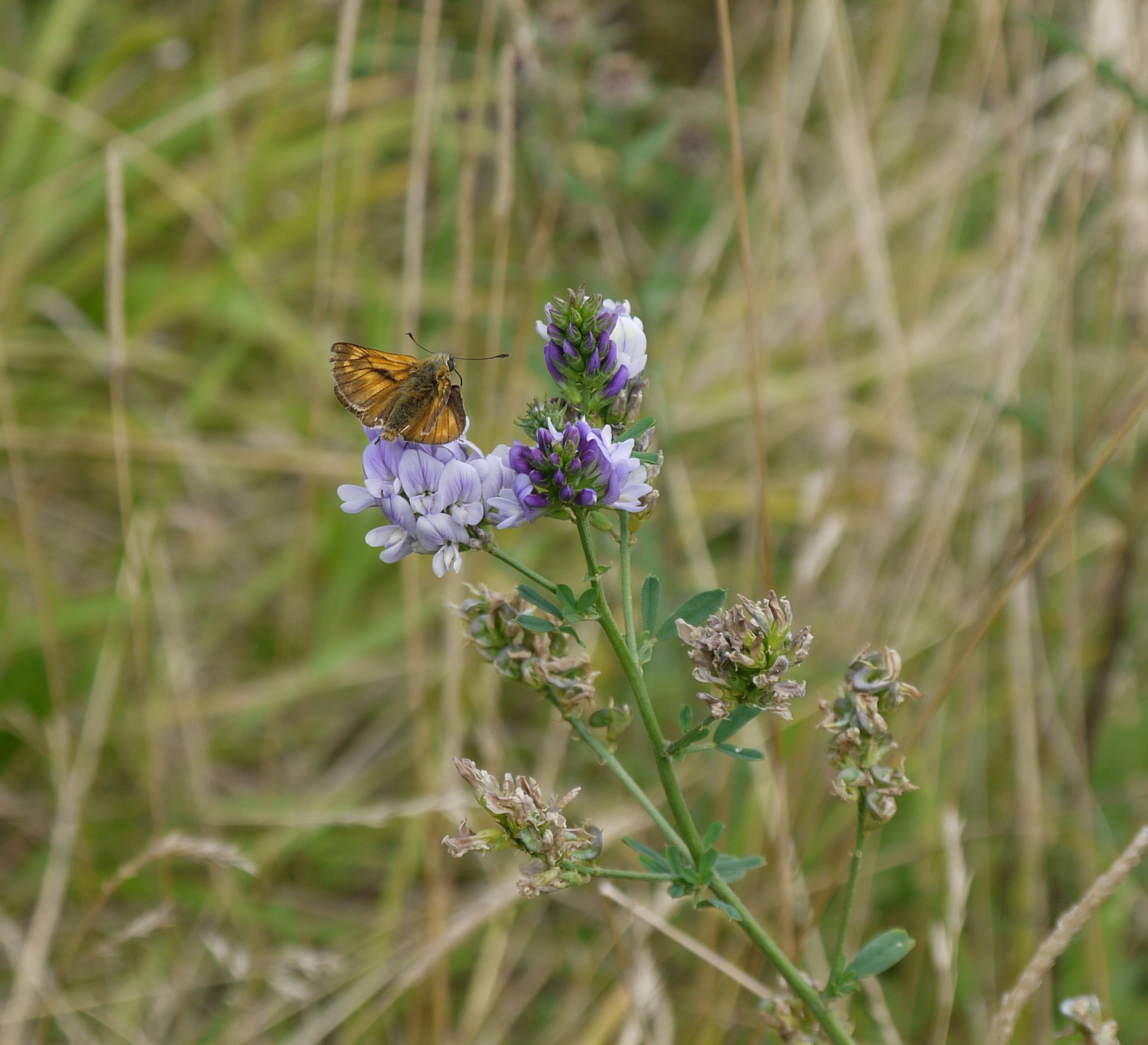
Large Skipper (Ochlodes sylvanus) on Lucerne (Medicago sativa) (image © Jane Tavener)

Large Skipper (Ochlodes sylvanus) on Lucerne (Medicago sativa) (image © Jane Tavener)

Robin's Pincushion gall produced by the wasp Diplolepis rosae (image © Jane Tavener)

Robin’s Pincushion gall produced by the wasp Diplolepis rosae (image © Jane Tavener)


There was a noticeable passage of migrating Swifts heading south at one point, and quite a few House Martins feeding high overhead. We did particularly well for raptors, seeing Buzzard, Kestrel, Peregrine and Sparrowhawk. A pair of Ravens also flew overhead while we were looking around the Wildlife Trust’s viewpoint near the dolerite crags. Small songbirds were relatively quiet as expected for the time of year but we did see quite a few Goldfinches.

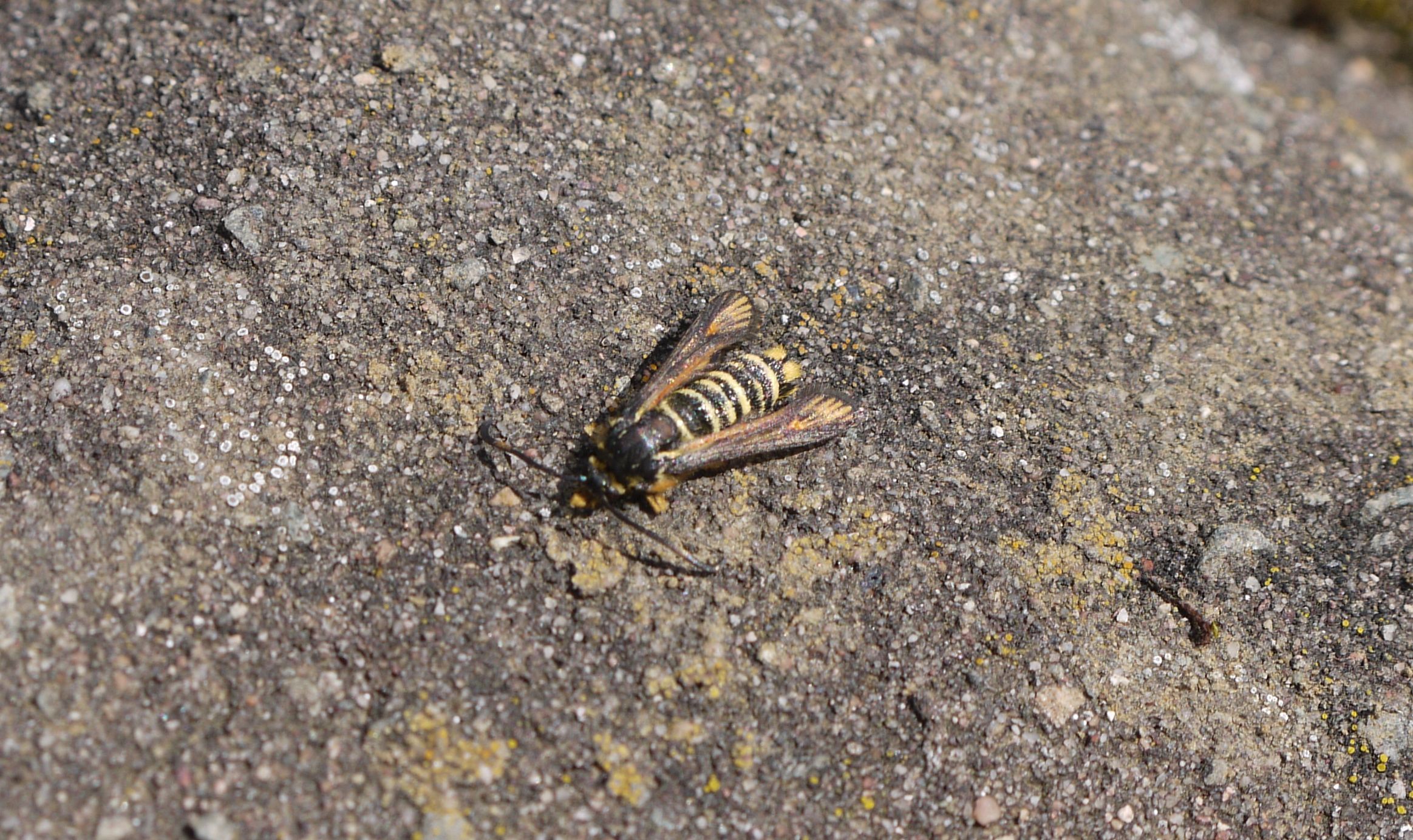
Six-belted Clearwing (Bembecia ichneumoniformis) (image © Jane Tavener)

Six-belted Clearwing (Bembecia ichneumoniformis) (image © Jane Tavener)

The highlight of the day was the discovery of a Six-belted Clearwing moth (Bembecia ichneumoniformis) on the Wildlife Trust’s Portway Hill reserve. This unusual moth mimics hoverfly species with its black and yellow stripes and clear wings, and is patchily distributed throughout parts of the southern half of Britain. It’s a great find for the Rowley Hills and also shows that the management the Wildlife Trust are carrying out on their land is contributing positively to biodiversity.

Roesel's Bush-cricket (Metrioptera roeselii) (image © Jane Tavener)

Roesel’s Bush-cricket (Metrioptera roeselii) (image © Jane Tavener)

Another highlight was a Roesel’s Bush-cricket (Metrioptera roeselii), a medium-sized cricket which has been expanding its range north over the past few decades.


After a few hours of enjoyable wandering, sharing of knowledge and great wildlife sightings, it was time to head back home for a late lunch!

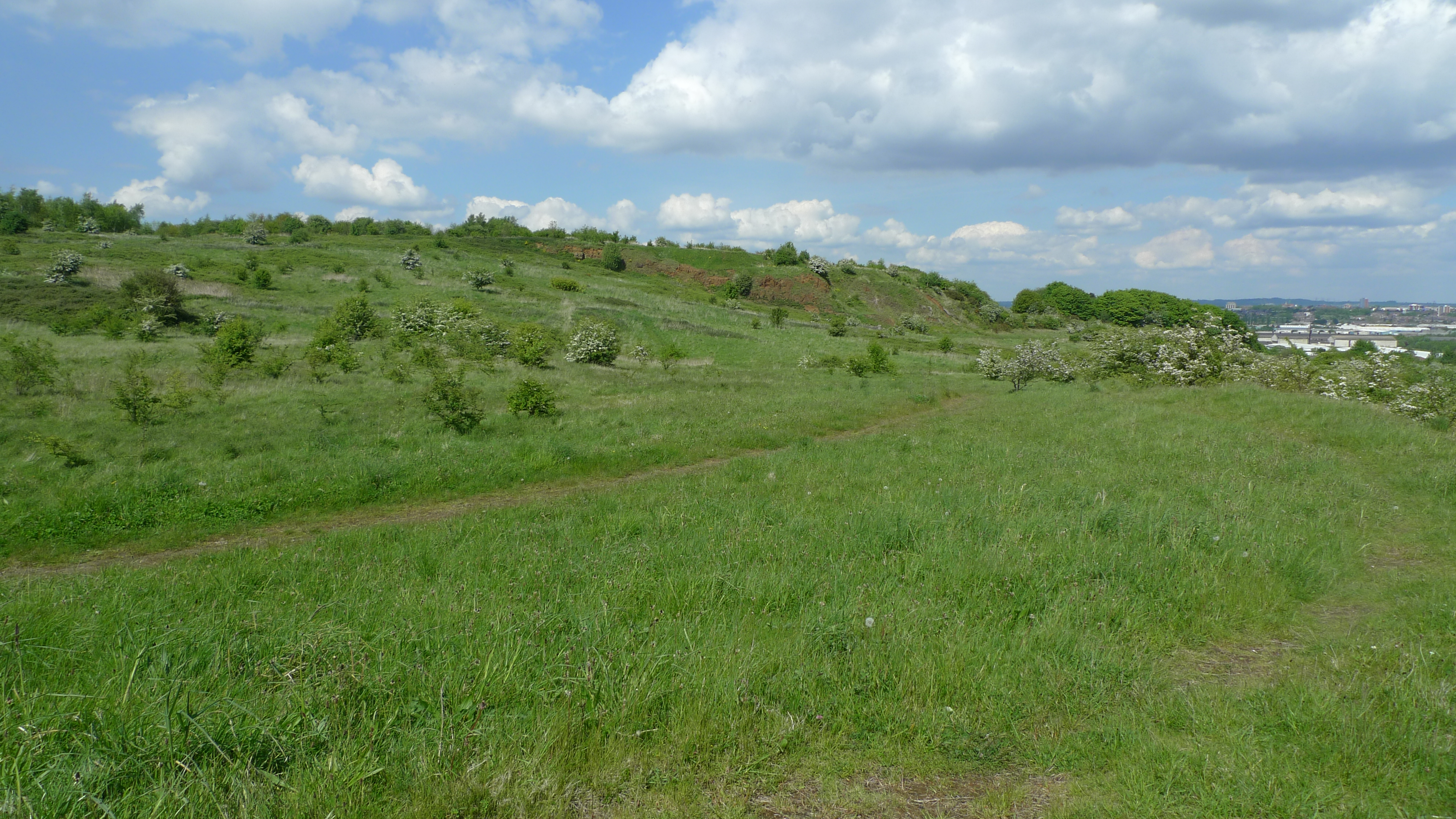
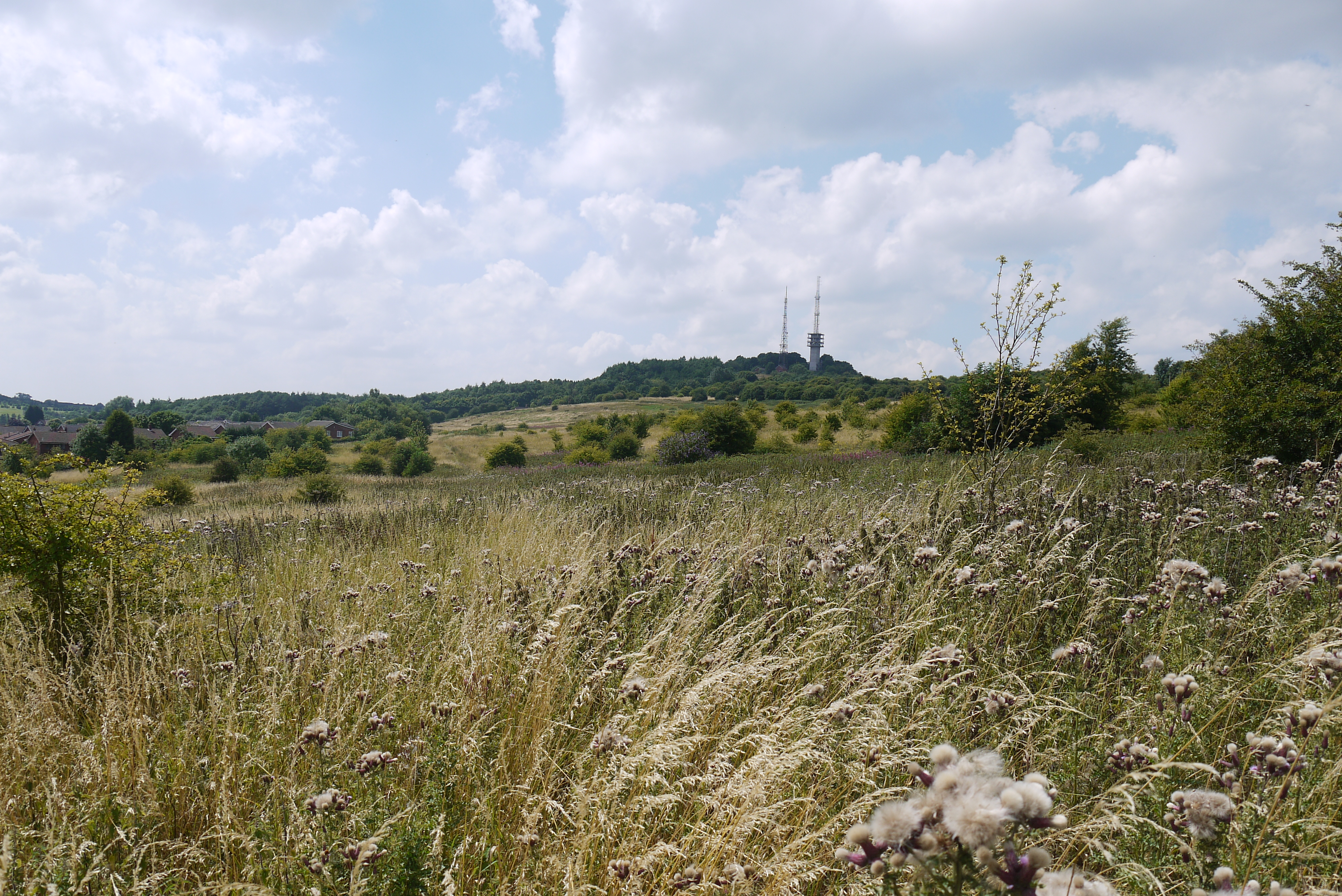
The Rowley Hills 8th August 2015 (image © Jane Tavener)

The Rowley Hills 8th August 2015 (image © Jane Tavener)

Photos from Bumble Hole Family Fun Day

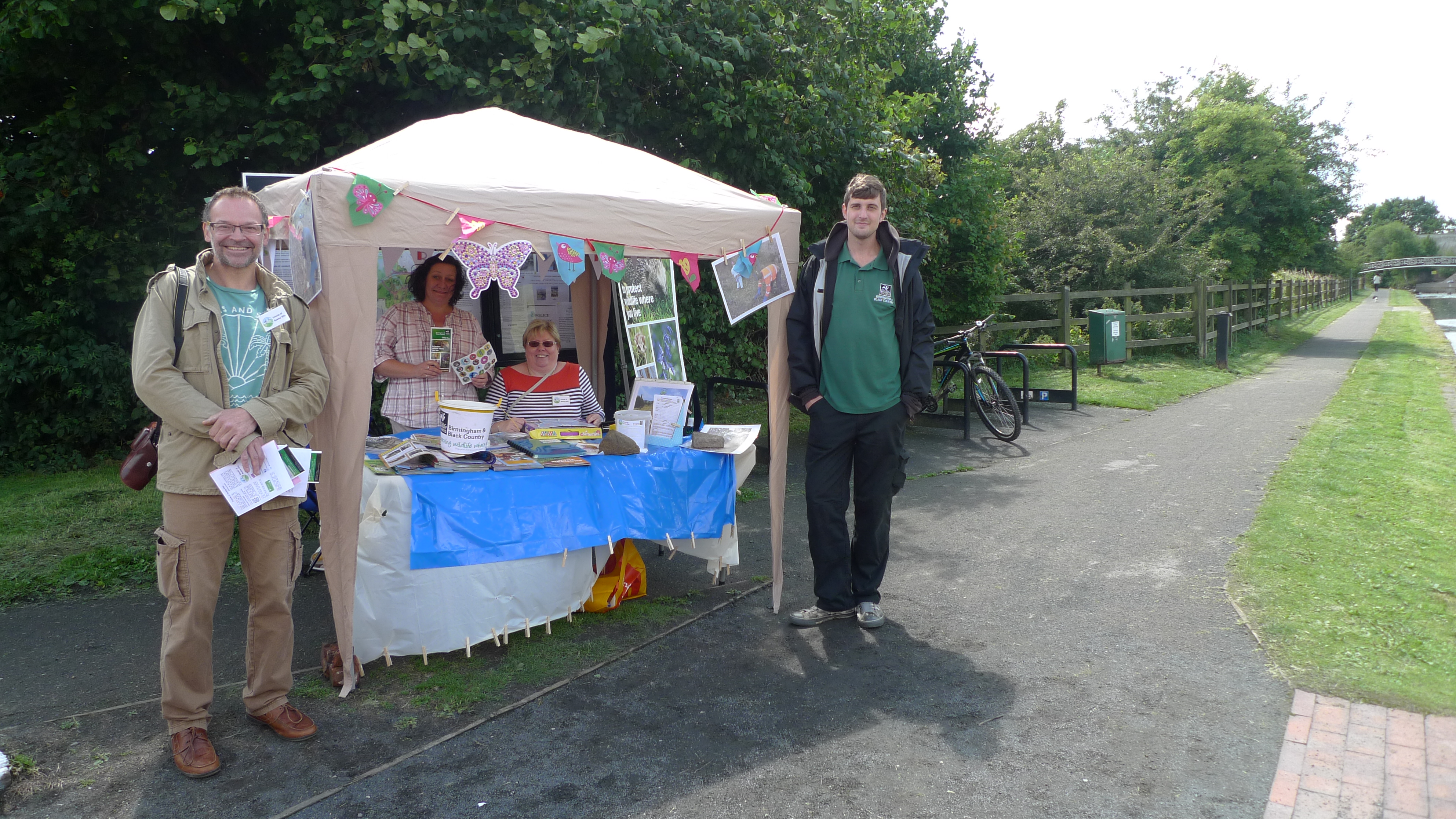
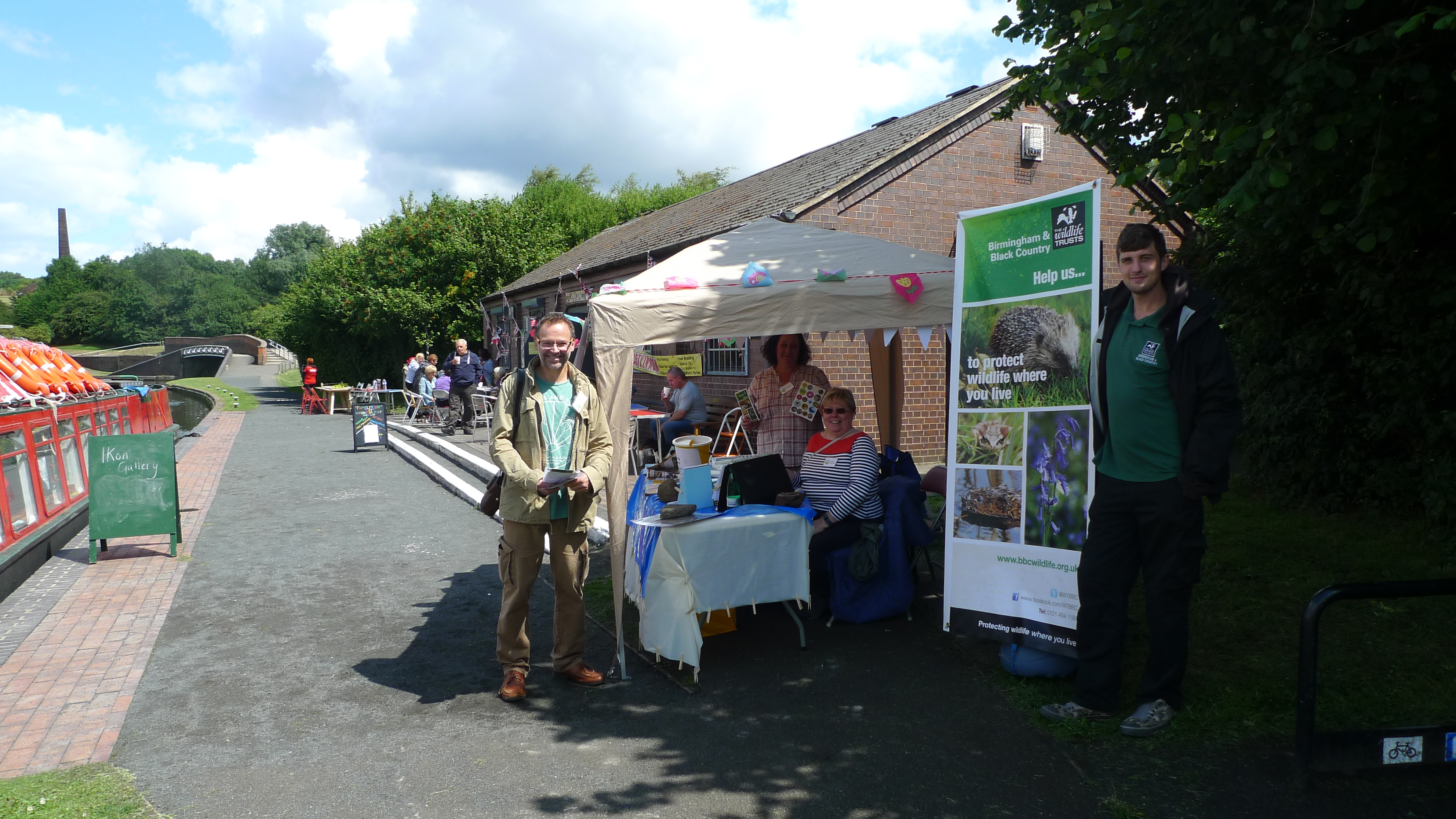
We had a great time at the Bumble Hole Family Fun Day on Saturday, and signed up a few new members. If you’re interested in becoming a member just go to the Membership page to find out how. Here are a couple of photos of our stall at the Fun Day, ably run by Tony, Julie, Josie and Doug!

FORH at Bumble Hole Family Fun Day (image © Mike Poulton)

FORH at Bumble Hole Family Fun Day (image © Mike Poulton)

FORH at Bumble Hole Family Fun Day (image © Mike Poulton)

FORH at Bumble Hole Family Fun Day (image © Mike Poulton)

Rowley Hills wildlife update – April and May 2015

11th June 2015

Here is the latest wildlife update from the Rowley Hills, written by plant and butterfly expert Mike Poulton.

Following a warm April with days of uninterrupted sunshine, May has been rather disappointing with cool and unsettled conditions and temperatures below the seasonal average.

Brimstone butterfly (Gonepteryx rhamni) (image © Mike Poulton)

Brimstone butterfly (Gonepteryx rhamni) (image © Mike Poulton)

Peacocks and Small Tortoiseshells were the first butterflies to show on the hillside this spring and good numbers of both could be seen throughout April.  On 9th April I recorded my first Brimstone for the Rowley Hills. This is a strong flying butterfly and merely passing through the site as neither of the caterpillar’s food plants, Buckthorn and Alder Buckthorn, occur anywhere on Rowley Hills.

As we moved into May there were very few butterflies and day-flying moths on the wing and my count for the month was well down on previous years.

Green Hairstreak butterfly (Callophrys rubi) (image © Mike Poulton)

Green Hairstreak butterfly (Callophrys rubi) (image © Mike Poulton)

On the 15th a Green Hairstreak was seen in the hawthorn-colonised meadow near the top of Portway Hill. The following week, on the 21st a second individual showed further down the hillside on the land owned by the Wildlife Trust. This small, inconspicuous butterfly overwinters as a chrysalis and is one of the first to appear when conditions are favourable in the spring. At rest, always with closed wings, the green coloration of the lower wing merges in with the surrounding vegetation and it is only on calm, sunny days when in flight that the brown upper side of the wing is visible. There is only one generation of Green Hairstreaks each year and when blustery and cool conditions prevail for days on end without sunshine, very little flying activity takes place. The butterflies stay well down in the foliage for protection from the wind and rain and there they remain until conditions improve. Small colonies such as this one, with little chance of natural recolonization from a site nearby, face local extinction when the short-lived adult butterflies perish before they have an opportunity to mate.

The Small Heath is another notable butterfly found on the Rowley Hills and individuals are just beginning to appear. They range across the whole of the hillside and can be seen from May right through to August. Fine-leaved grasses are the caterpillar’s food plant and the threat to the future survival of this species on the Rowley Hills is from encroachment to the grassland from bramble and hawthorn. When at rest, always with wings folded, they are exceptionally difficult to locate.

Another species that first appears in May is the Common Blue. On Rowley Hills there are two generations of this butterfly each year. The first generation is on the wing during May and June with the second generation appearing in August and September. Few Common Blues have so far been seen and this could impact seriously on second generation numbers later in the summer.

St Mark's Fly (Bibio marci) (image © Mike Poulton)

St Mark’s Fly (Bibio marci) (image © Mike Poulton)

St Mark’s Flies have been exceptionally abundant on the hillside this spring and towards the end of April and the first week of May, wherever one walked, these large, black flies could be seen alighting on grass stems and hovering around hawthorn bushes.  Their season is short and by the middle of May they had all gone.

Bumble Bees have been fairly common this spring and, unlike butterflies and moths, they will fly in blustery and overcast conditions. The early flowering Bush Vetch, whose flowers are a rich source of nectar is particularly common up here on the hillside and eagerly sought after by bees.

As we move into June many of the early summer-flowering plants such as Oxeye Daisies, Broom, Bird’s-foot Trefoil, Common Vetch, Oxford Ragwort, Hairy Tare, Mouse-ear hawkweed, Beaked Hawk’s-beard and Hogweed are now in flower and June and July are the optimum months to visit the Rowley Hills to see the butterflies and flowers at their best.

During the winter of 2012, a sowing of Yellow-rattle was carried out on the Wildlife Trust site. This annual is partly parasitic on roots of grasses and the purpose of the sowing was to reduce the vigour of the coarse grasses and encourage the spread of the wild flowers found here. The sowing has been a great success with thousands of these yellow-flowered annuals blooming and spreading throughout the hillside. A particularly impressive display can at the time of writing be seen on the Wildlife Trust site.

Water-stressed bank overlooking houses where Tall Mouse-ear Hawkweed can be found

Water-stressed bank overlooking houses where Tall Mouse-ear Hawkweed can be found

Late May and early June is the optimum time to search for the flowers of Tall Mouse-ear Hawkweed on the steep-sided bank overlooking the houses where it is mixed in with other similar-looking yellow, dandelion-like flowers and with which it can easily be confused. This is one of several uncommon plants that thrive up here on the Rowley Hills and although not a native plant in Britain it nevertheless looks very natural where it is growing.

Hopefully, during the next few months we can look forward to long sunny days with not too many wet days in between. Butterfly numbers should start to recover this month and all of the rain we have experienced over the past month should keep the vegetation looking fresh and green for weeks to come.

Mike Poulton 04/06/2015