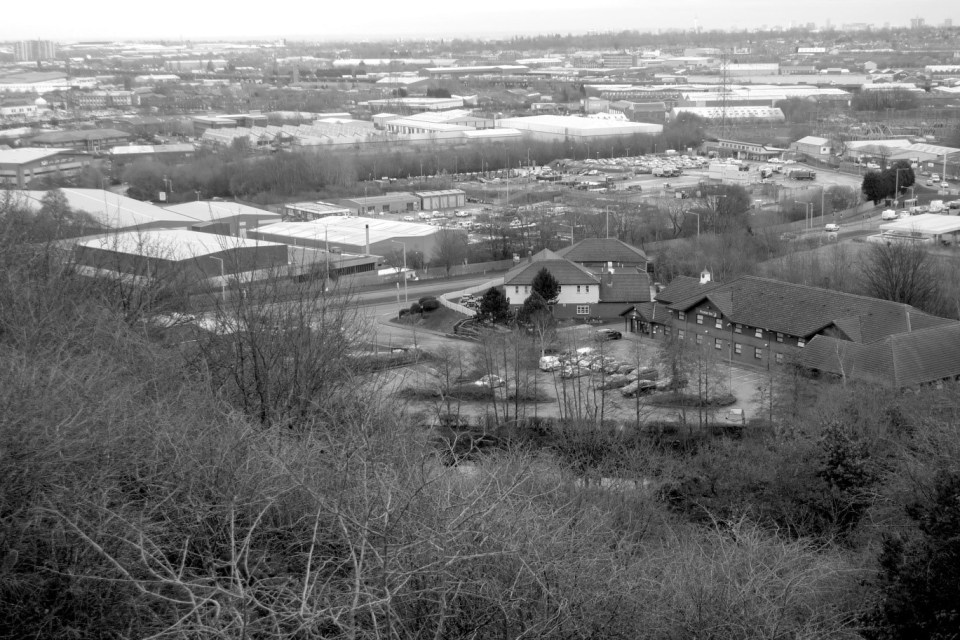
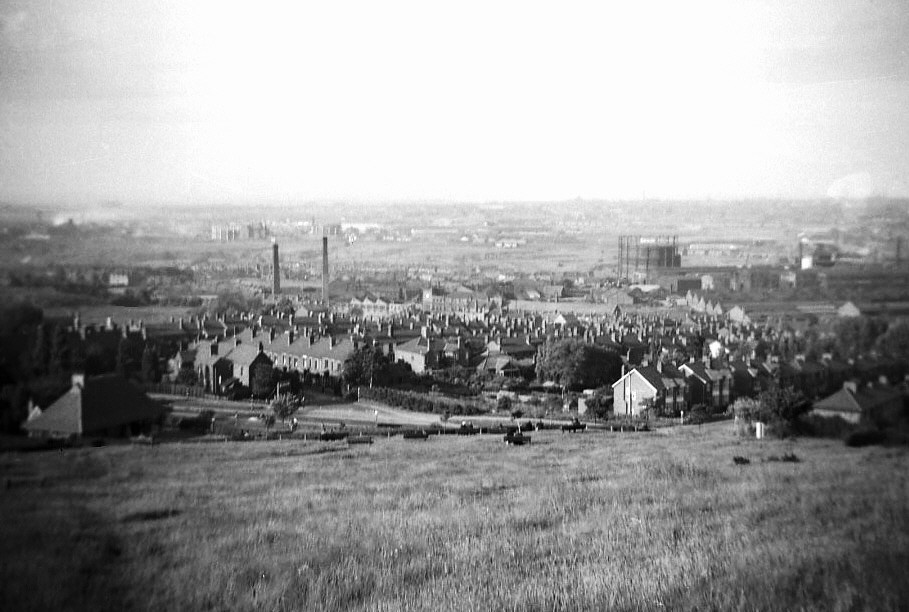
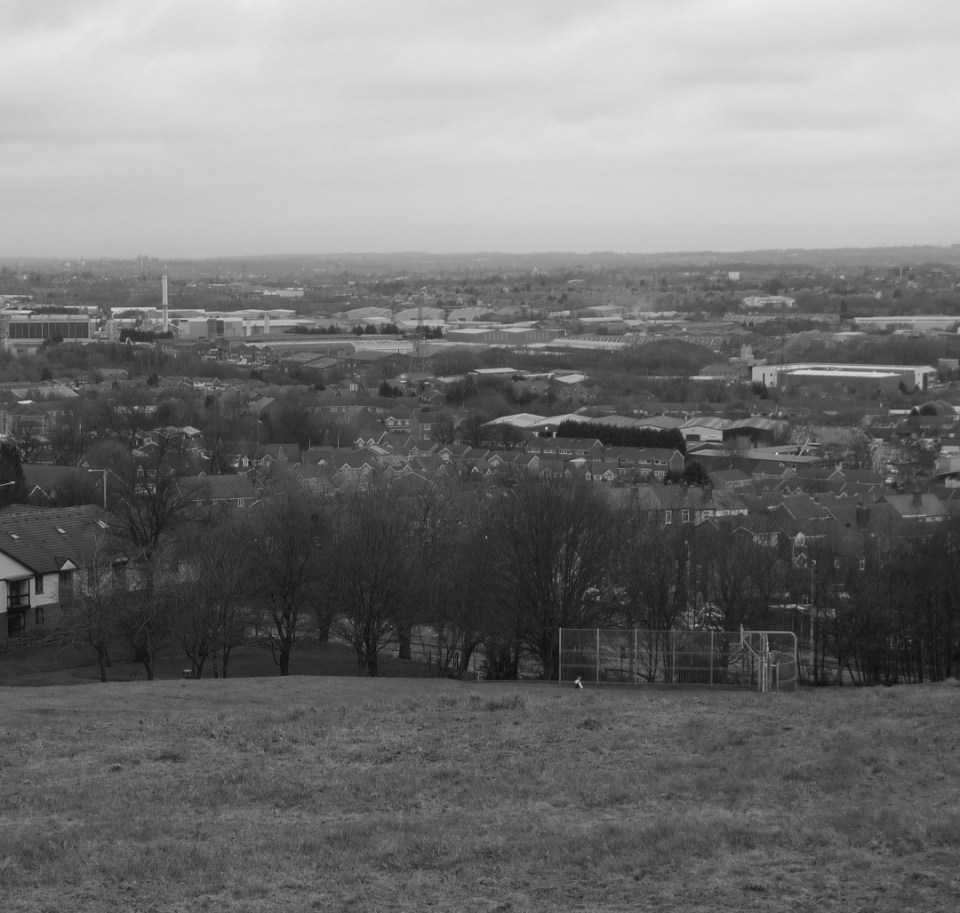
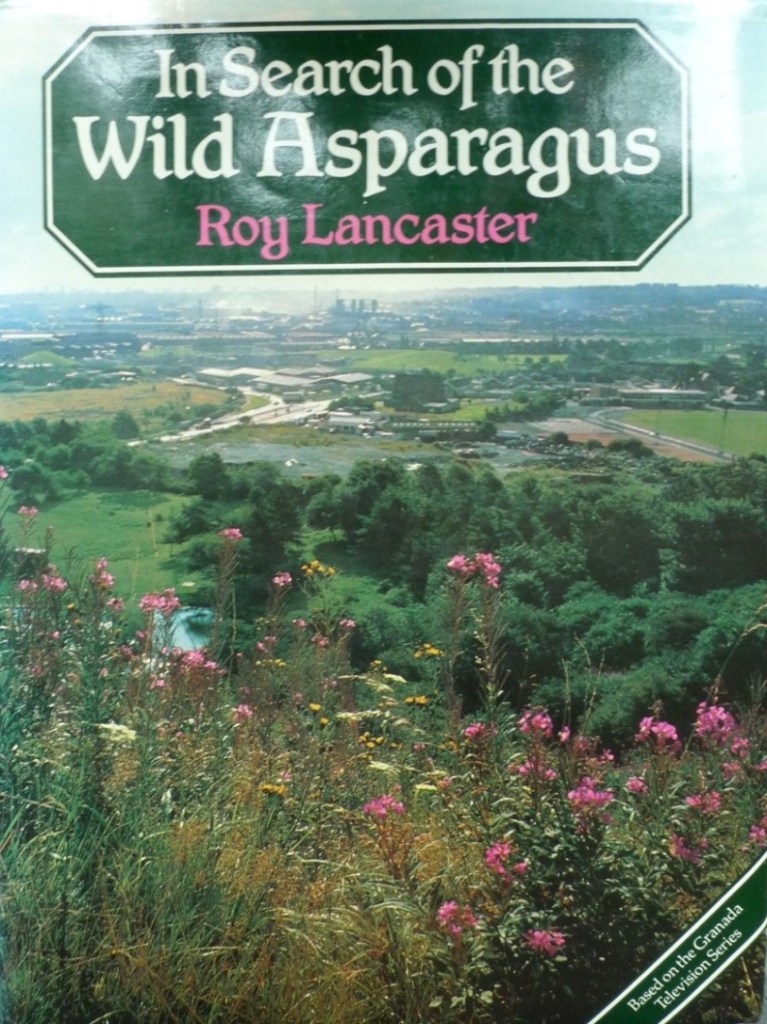
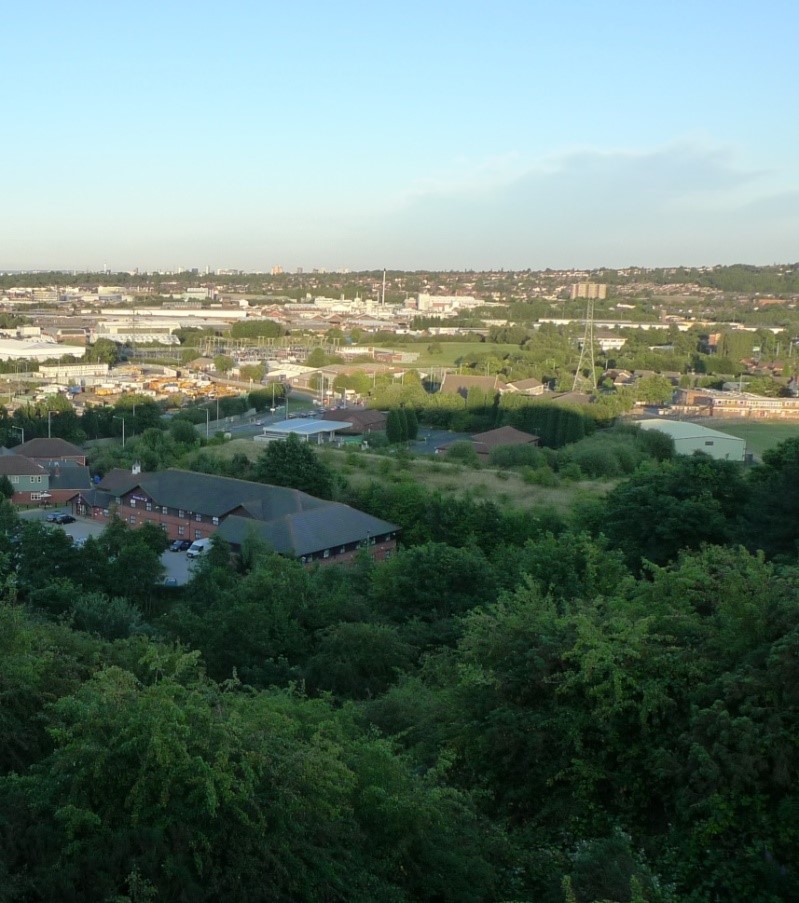
At one of our recent events, Jim Rippin, a local resident, showed us some photos he’d taken as a young boy in the 1950s of the Rowley Hills. The site has changed so much that it is hard to imagine it was the same area that we see today. He has kindly given his permission for us to reproduce a couple of them here, alongside another image from a book cover, taken in the 1980s. Our Vice Chair Mike Poulton took photos of the same areas from approximately the same vantage point to illustrate how much has changed.
We’ve also added these photos to our History page to build upon our record of the history of the Rowley Hills. If you have any old photos of the area, from any time, we would love to hear from you! We can easily scan or photograph images so don’t need to keep original photos, just loan them temporarily; we can also touch up scratches etc. if required so don’t worry if your photos are a bit battered! Potentially, we would like to put on an exhibition in the future of historic photos like these, depending on how many we are able to source, so please get in touch with us today if you have any old photos you’d be happy to show us. Thank you!
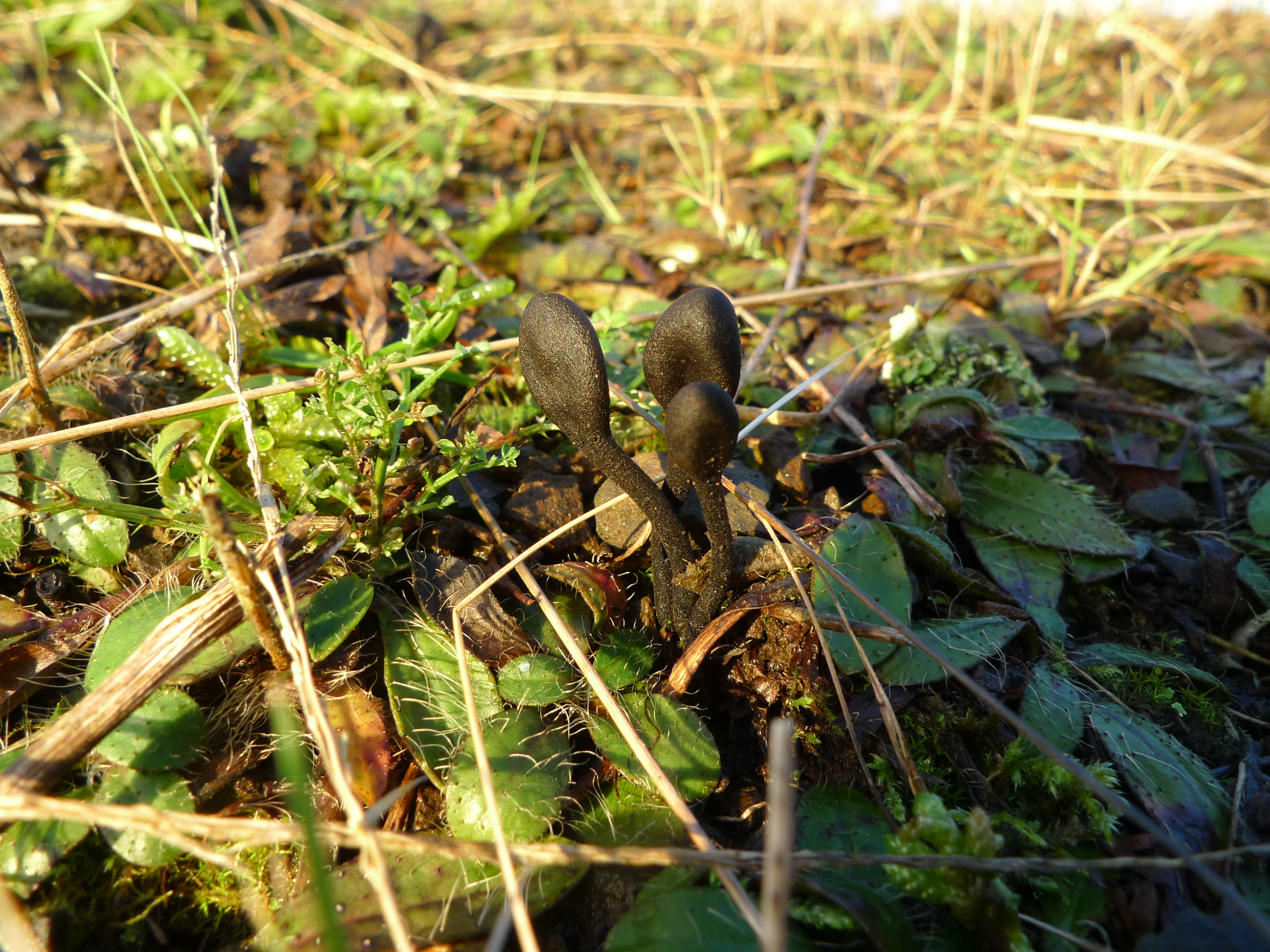
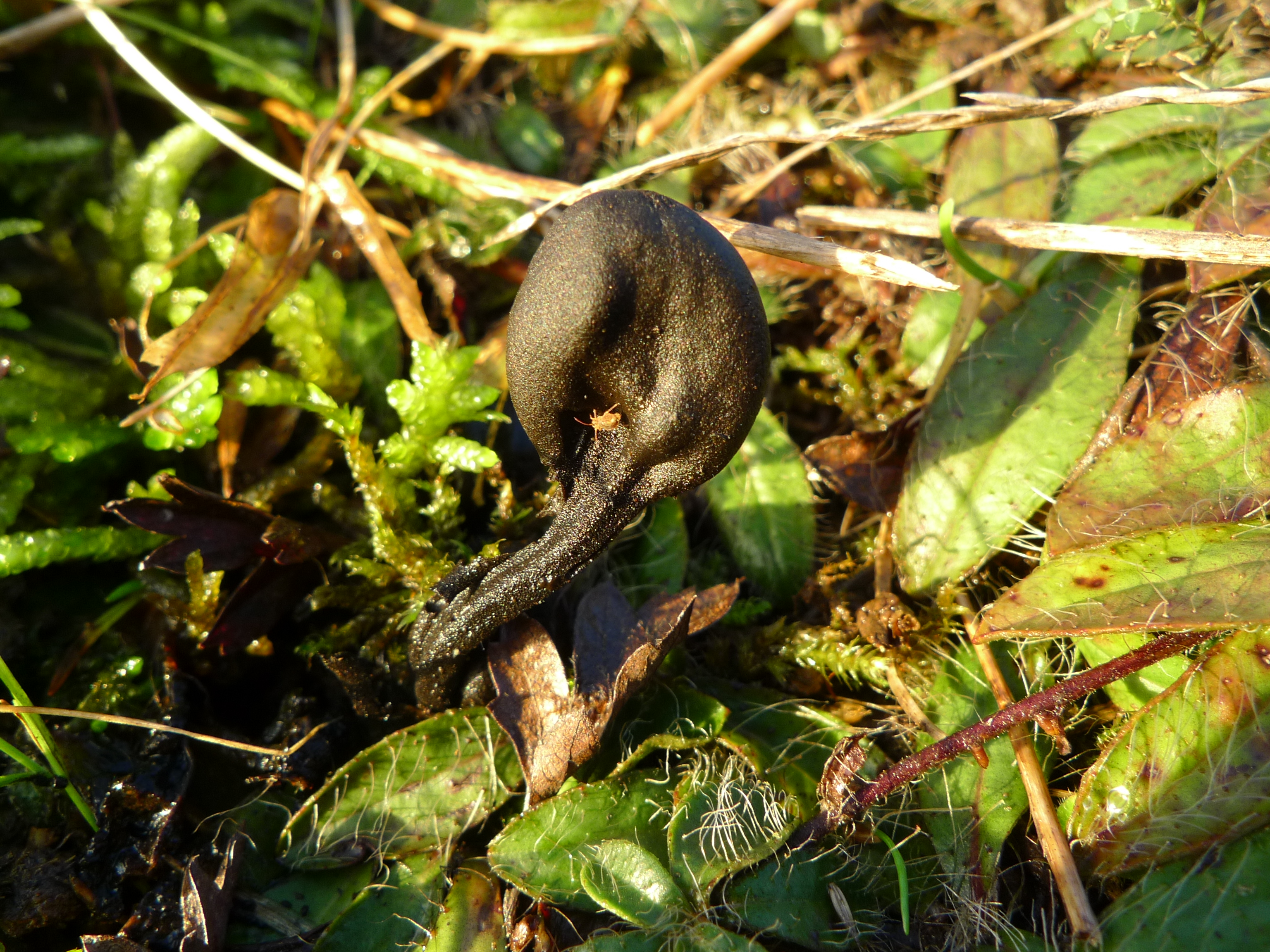
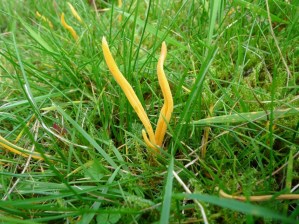
Some more interesting fungi have been spotted on the Rowley Hills recently, and their appearance this late in the year is undoubtedly due to the unseasonably mild weather we’ve been having. These are Earth Tongues, which are important indicators of nutrient-poor grasslands of high value for nature. They normally appear during October and November, and from their appearance it’s obvious where their name comes from! There are several similar-looking species and the shape of this one suggests it is a Trichoglossum; it’s not possible to make a more accurate identification without a microscope.
On the 14th December, attendees enjoyed a superb talk organised by the Friends of Rowley Hills entitled ‘The Black Country UNESCO Global Geopark Project – Paving the way to the heritage future of the Black Country‘. Presented by Graham Worton, Keeper of Geology at Dudley Museum & Art Gallery, this talk described the very exciting plans to get the Black Country globally recognised for its unique geological, industrial and cultural heritage.
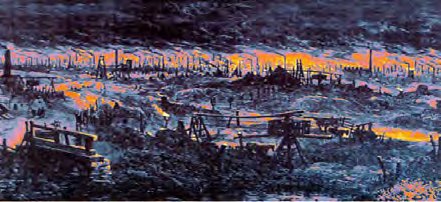
The Black Country during the Industrial Revolution
When people think of the Black Country, often the image that first springs to mind is a concrete jungle of seemingly endless roads and urban development, far from other sites in the UNESCO Geoparks Network such as the North West Highlands in Scotland, or the English Riviera on the south Devon Coast. However dig a little deeper and the Black Country reveals itself to be a treasure trove of geological gems! There is an incredible variety of different types of rocks crammed into this small area, including important deposits of limestone, ironstone, fireclay and coal, which helped to drive the Industrial Revolution. This brought about experimentation and innovation, leading to many technological advances and geological discoveries. Inventions such as the Newcomen Engine and the Watt Beam Engine emerged, and a diverse range of rare fossils were found and catalogued, including 63 species found nowhere else in the world! Today, you can see and learn about the Black Country’s amazing geology for yourself at many locations, including Dudley Museum and Art Gallery, Wren’s Nest National Nature Reserve, Barr Beacon Local Nature Reserve, Saltwells Local Nature Reserve, Barrow Hill and Tansey Green, Moorcroft Wood Local Nature Reserve, Cotwall End Valley and Sedgley Beacon and Beacon Hill Quarries.
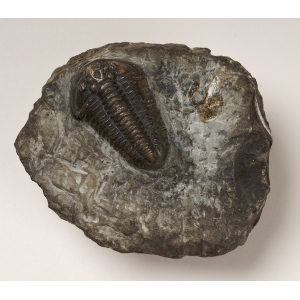
A fossil trilobite known as Calymene blumenbachii, a.k.a. the Dudley bug!
This is just a small range of the Black Country’s geosites though; the team leading the Global Geopark bid have identified many more, which can be viewed on this map. These of course include the Rowley Hills, which are important due to their exposures of dolerite, a rock which solidified from molten magma within the Earth’s crust. Due to its hardness, this rock was resistant to erosion when the Black Country area was glaciated; surrounding softer rocks were removed to leave the Rowley Hills standing tall above the rest of the landscape.
The Black Country Geopark team have put together an application dossier which has now been submitted to UNESCO (the United Nations Educational, Scientific and Cultural Organization). The aim of the bid is to get the Black Country designated by UNESCO as a Global Geopark, which will substantially raise the area’s profile and bring many benefits via increased tourism, including improved economic performance, wellbeing of residents, quality of environment and inward investment potential. You can read the full application dossier here: http://www.blackcountrygeopark.org.uk/sites-to-see/ The Friends of Rowley Hills wish the team every success with the Black Country Global Geopark bid!
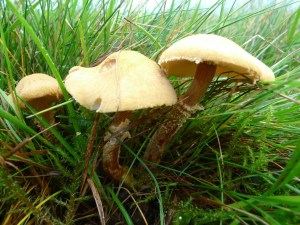
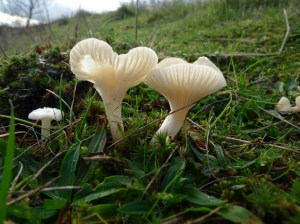
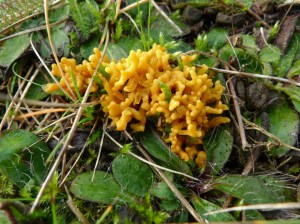
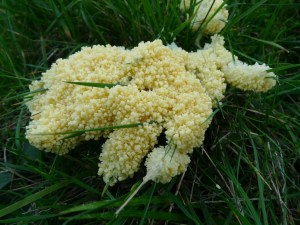
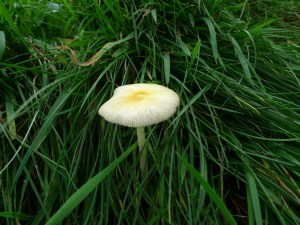
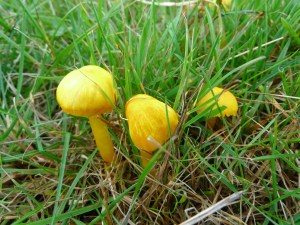
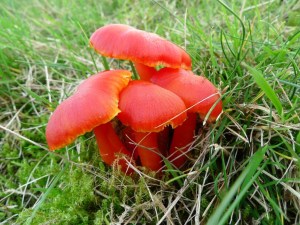
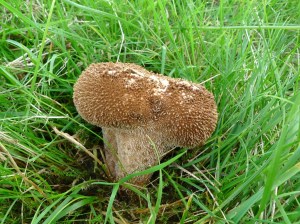
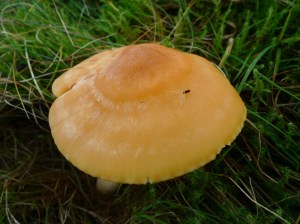
There are some amazing fungi out on the Rowley Hills at the moment! These photos were taken by Mike Poulton last week. We’re not great on fungi identification so if you know what any of these are, please let us know. And if you’ve seen any interesting fungi, plants or other wildlife on the Rowley Hills recently, get in touch!
Fantastic news! We are very happy to be able to announce that we’ve been successful in securing a £10,000 Awards for All grant from the Big Lottery Fund. These grants fund a wide range of community projects aimed at developing skills, improving health, revitalising the local environment and enabling people to become more active citizens. Our application was overseen by the Wildlife Trust for Birmingham & the Black Country with whom we work closely; our thanks to them for their great assistance in helping us obtain this funding.
The Wildlife Trust will also be helping to deliver the majority of the activities paid for by the funding, over the next 12 months. Although yet to be finalised, the money is likely to be spent on activities such as guided walks and other events, training for our members so that we can deliver more future events, and supplies necessary for the upkeep of the Rowley Hills.
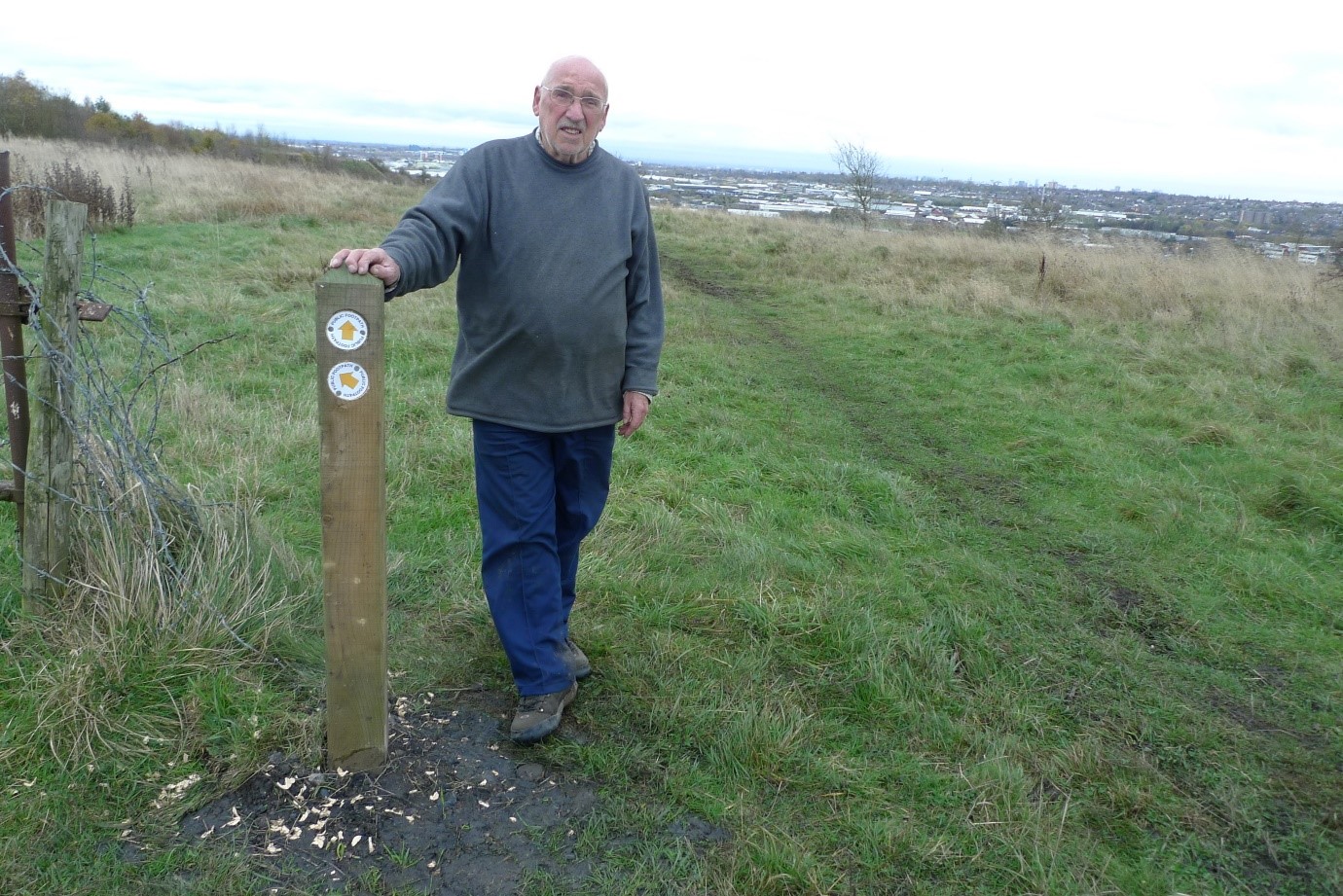
Great news – six waymarker posts have now been erected in various places across Portway Hill pointing out the official Public Rights of Way linking Portway with Bury Hill Park and the Wolverhampton Road. We are grateful to Sandwell Metropolitan Borough Council and the Local Access Forum for making this possible.
Friends of Rowley Hills committee member Bob Duncan alongside one of the newly installed waymarker posts.
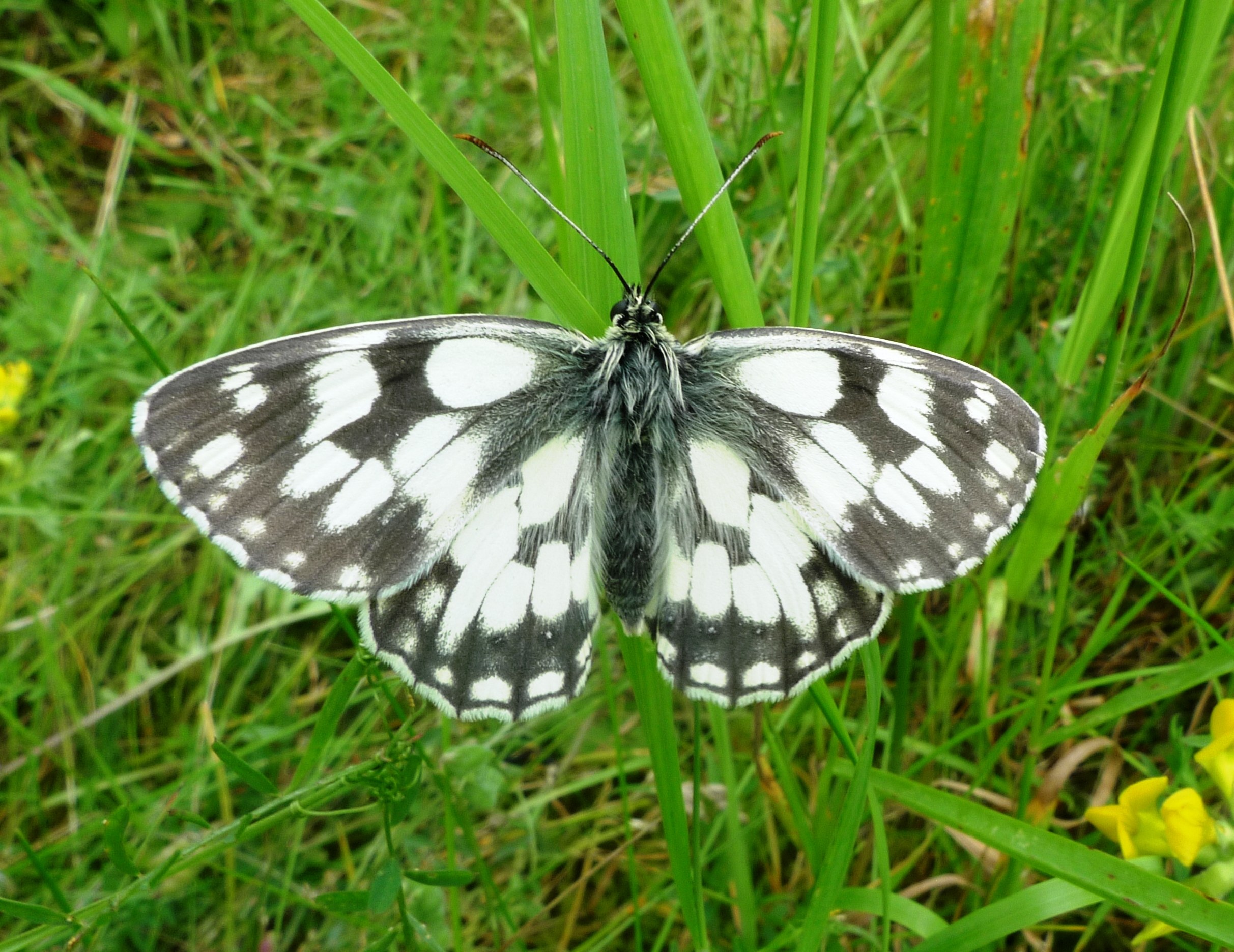
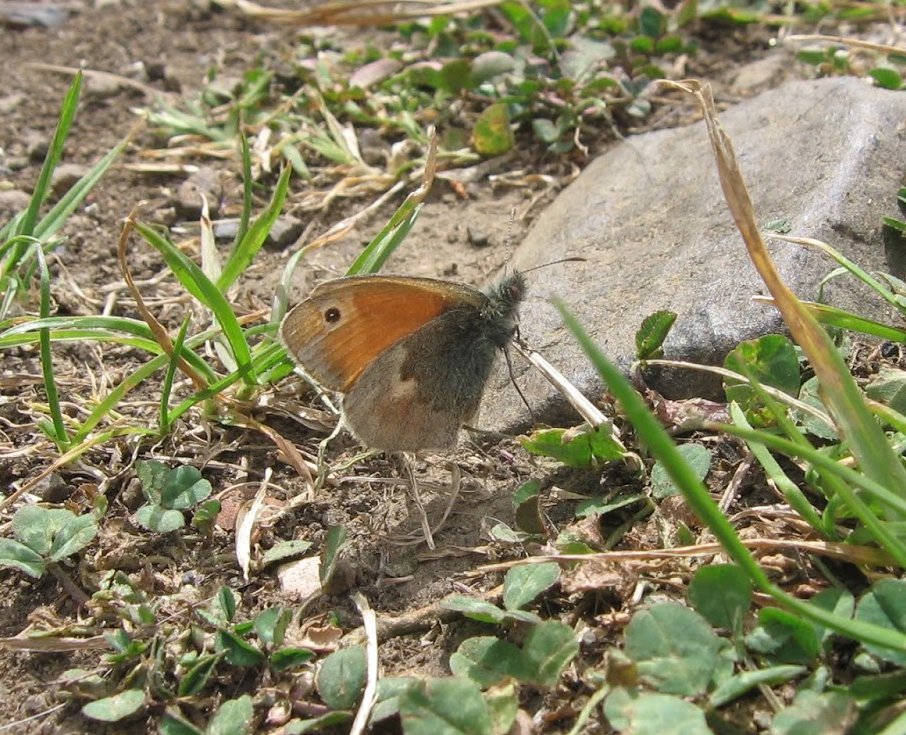
The large expanse of open, uninterrupted grassland on the Rowley Hills situated between Portway Hill and the Birmingham New Road, known as Portway Hill Open Space, is currently one of the best sites in the West Midlands for Marbled White and Small Heath butterflies. Mike Poulton has been studying populations of these two butterfly species for the past five years and has produced a short report summarising his findings so far. The overall picture is a mixed one, with Marbled Whites thriving but Small Heaths declining. Click here to read the full report.
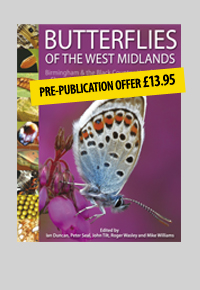
In related news, Pisces Publications have a pre-publication offer on for ‘Butterflies of the West Midlands’. This new book, the first ever on the butterflies of the West Midlands, includes a butterfly walk on Portway Hill; it will be launched in Spring 2016 and can be ordered from http://www.naturebureau.co.uk/bookshop/butterflies-west-mids-detail.
Although summer is over and autumn is now well and truly with us, there are still plenty of fascinating flora and fauna to be seen in the Rowley Hills. Here’s a round-up of recent sightings; don’t forget, if you’ve seen something interesting, let us know!
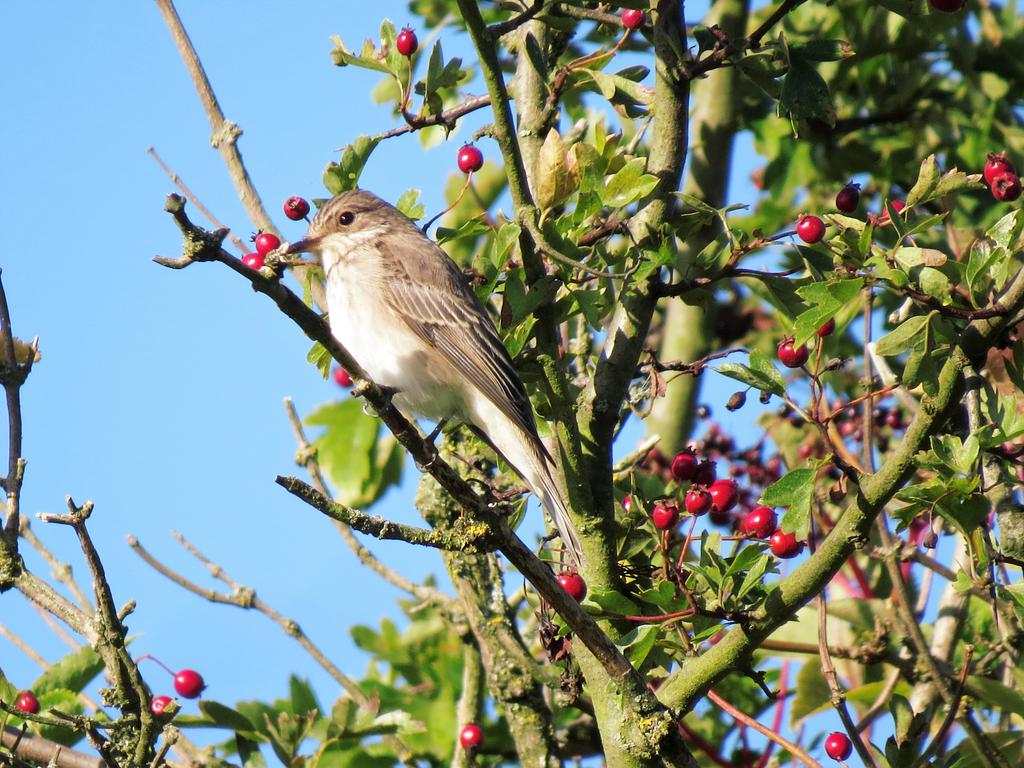
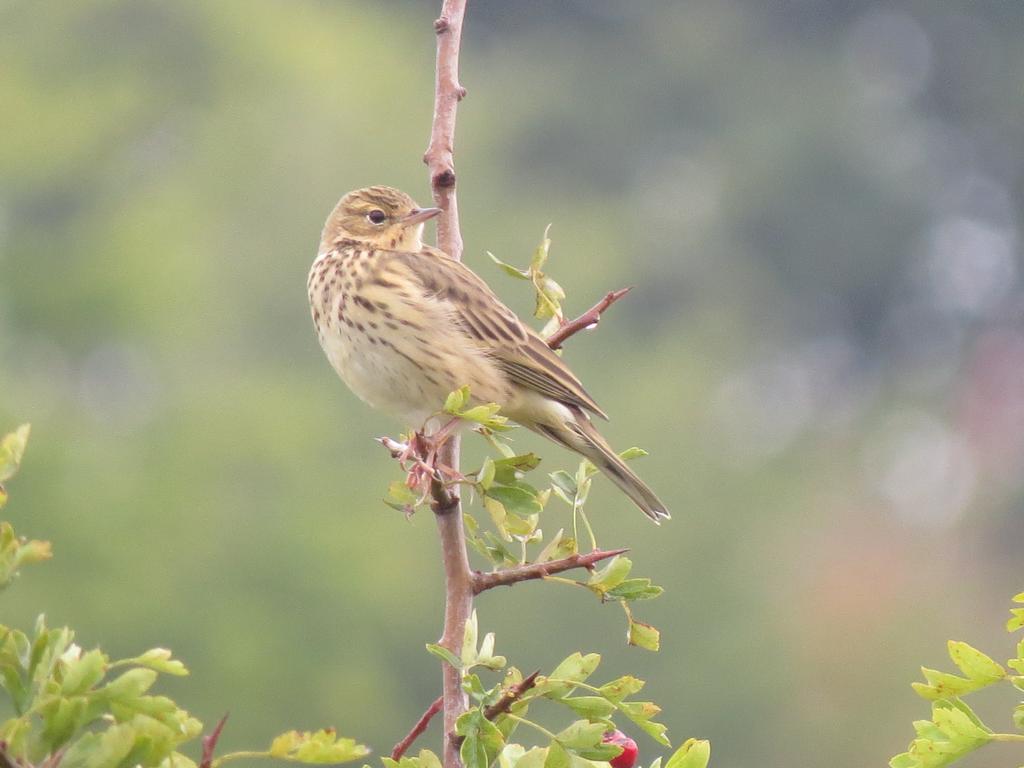
Bird migration is continuing apace, and taking on an autumnal flavour, with the first Redwings of the season being spotted. This member of the thrush family breeds in northern Europe and migrates south in autumn, escaping the cold weather to spend the winter in the UK and other central and southern European countries. Other migrating species seen recently include Meadow and Tree Pipits, White and Yellow Wagtails, House Martin, Chaffinch, Siskin, Redpoll, Swallow, Spotted Flycatcher, Chiffchaff, Golden Plover and Cormorant. Many thanks as always to Ian Whitehouse for keeping us up to date with his Rowley Hills sightings!
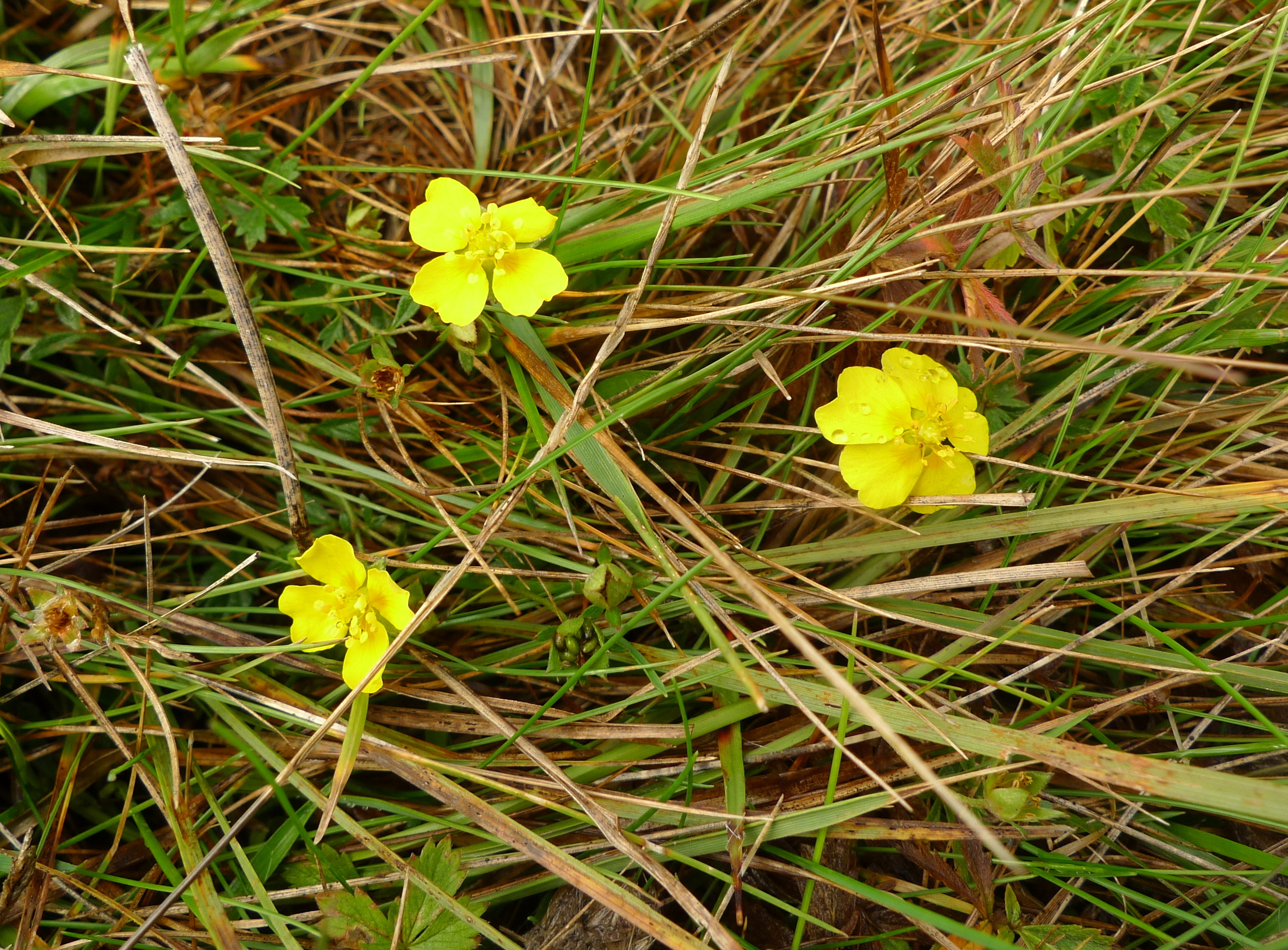
We’ve had more good news following Sandwell Council’s decision to delay cutting the grass on Bury Hill in response to our request. Not only has this allowed the Harebells there to finish flowering – enabling us to collect seed from them to sow elsewhere in the Rowley Hills – another scarce wildflower in Birmingham and the Black Country has been discovered in the same area which would probably never have come to light had the grass been cut as normal. The flower is Trailing Tormentil (Potentilla anglica); it is very difficult to identify as it hybridises with two other members of the Tormentil family, Creeping Cinquefoil (P. reptans) and Common Tormentil (P. erecta). The two hybrids and Trailing Tormentil all look very similar, having flowers with both 4 and 5 petals; however 2 experts have verified that it is Trailing Tormentil. The diagnostic feature confirming this is fully fertile flowers – hybrids are not fertile.
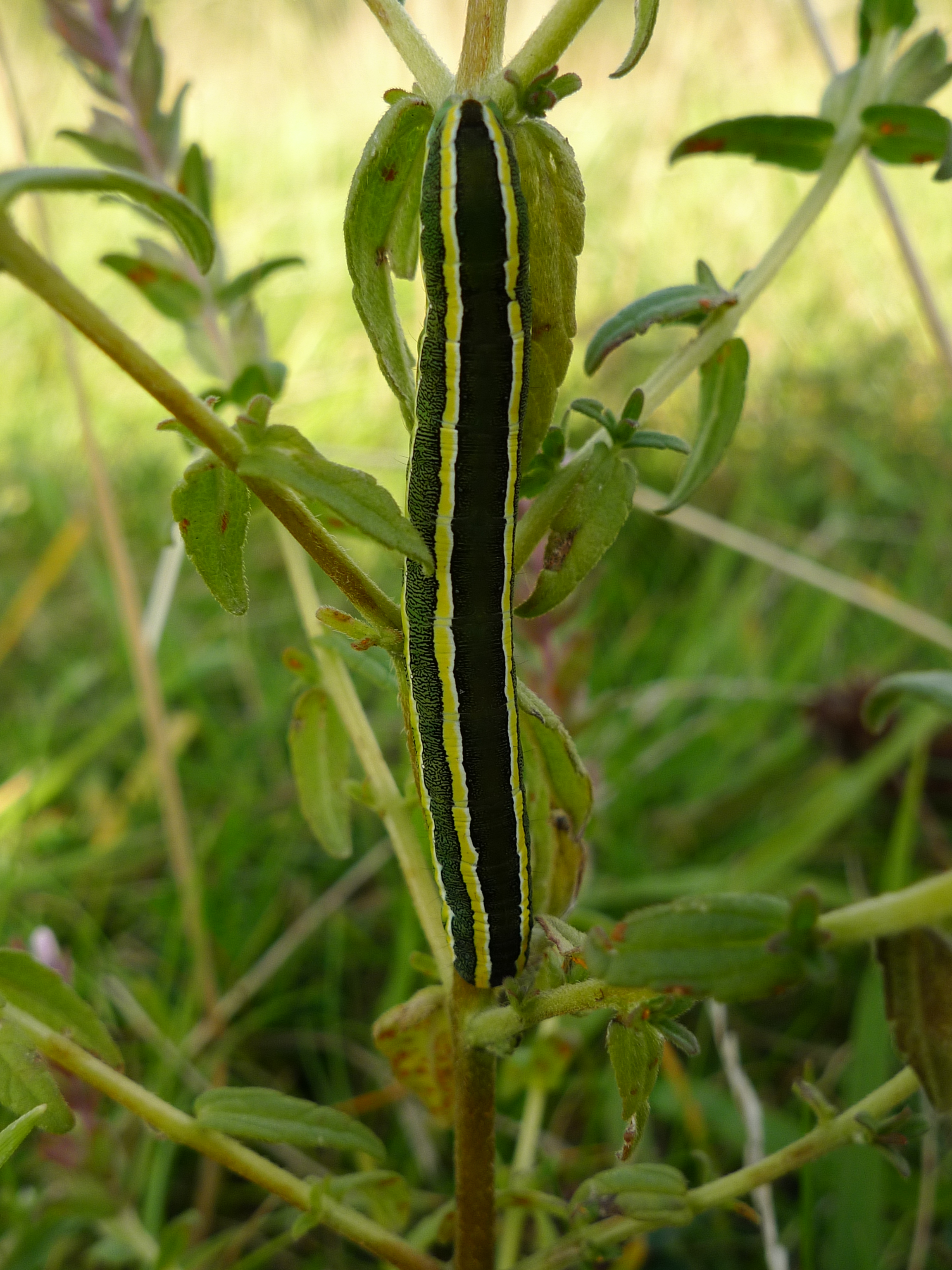
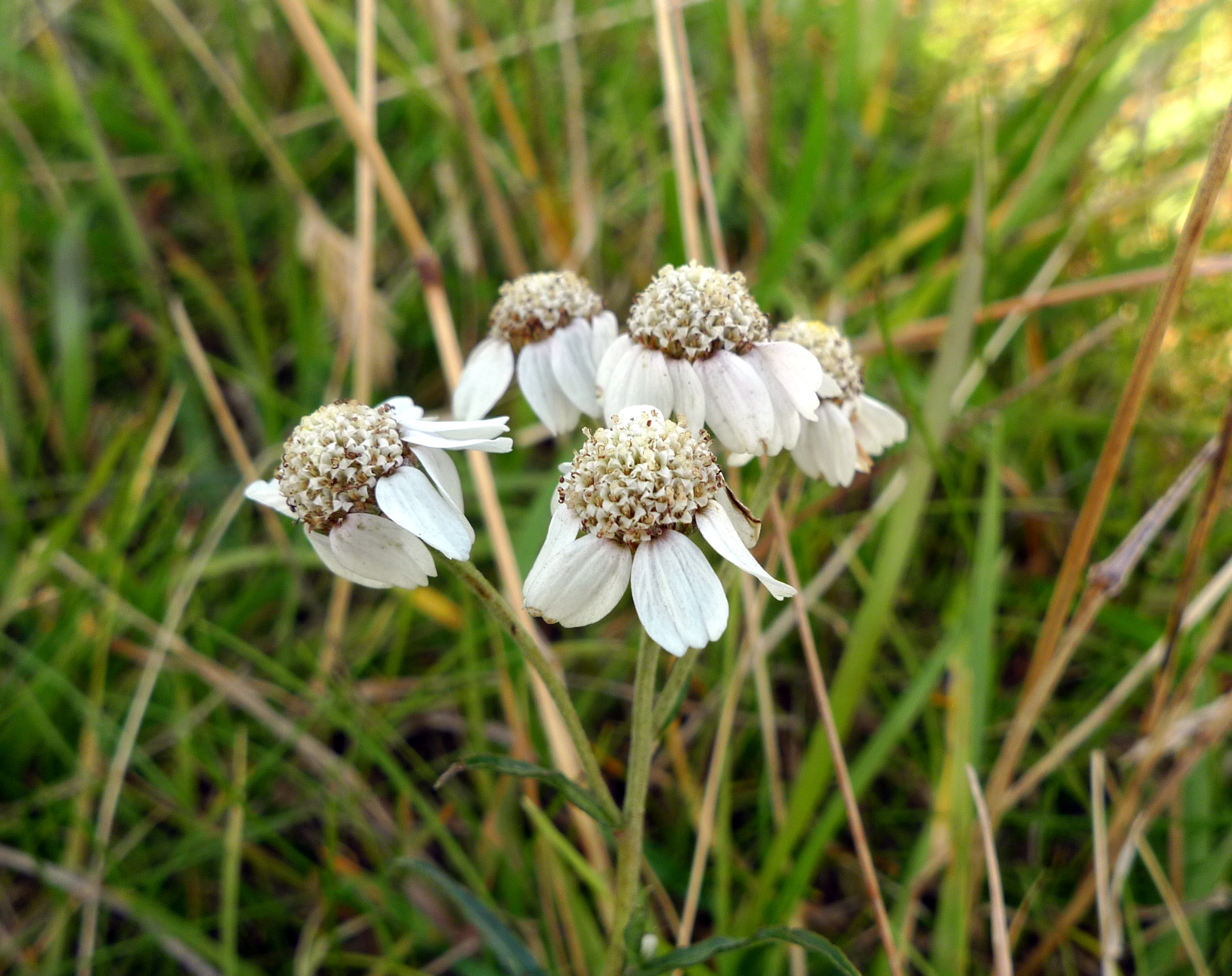
Elsewhere on the hills Mike Poulton photographed a Broom Moth caterpillar feeding on Red Bartsia, and another new botanical record for the Wildlife Trust’s Portway Hill site was a large patch of Sneezewort, so named because its pungent smell supposedly causes sneezing.
Mike and Doug also found an enormous spider whilst working on the Wildlife Trust’s site, which turned out to be a Four Spotted Orb Weaver. This spider holds the record for the heaviest spider in Britain!
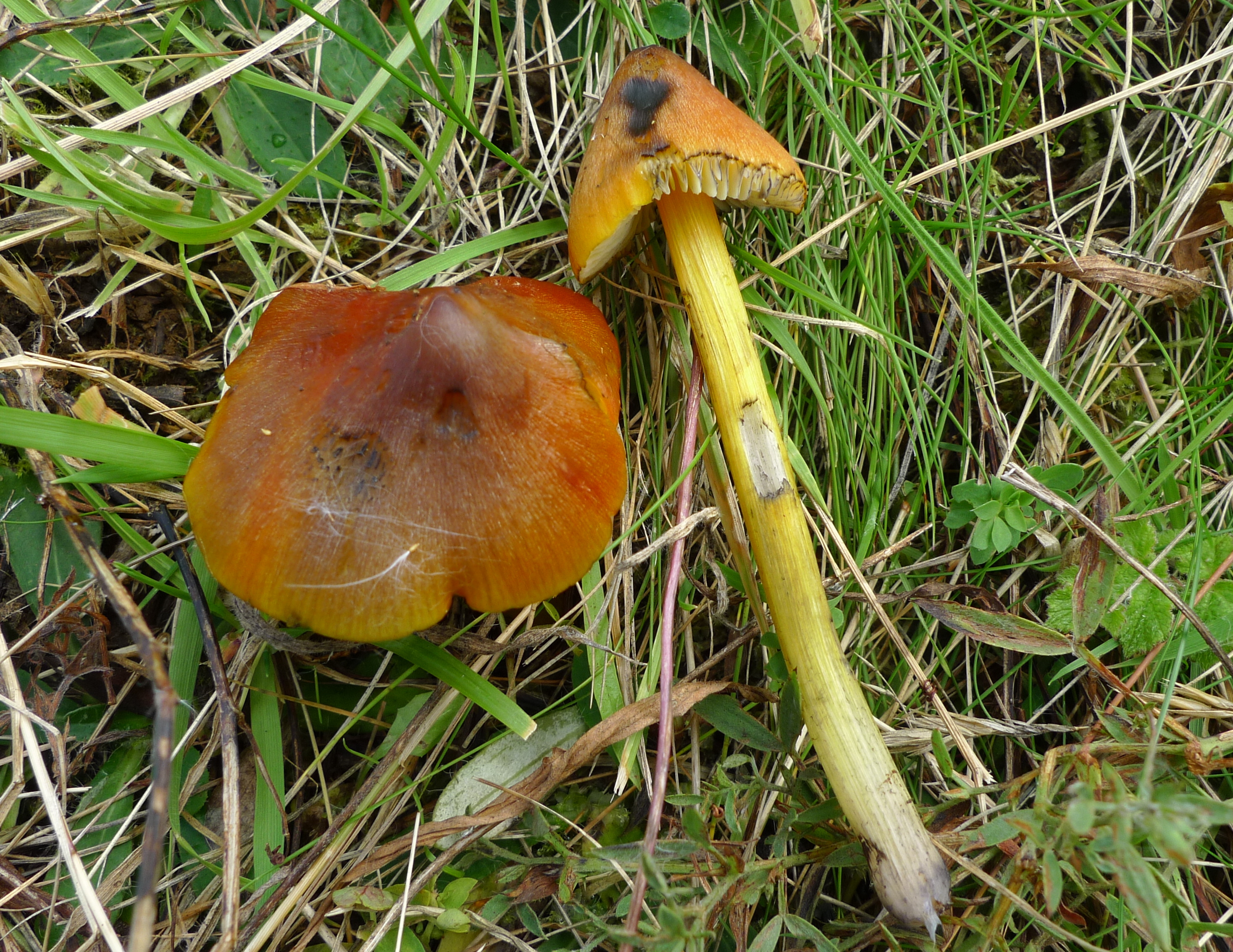
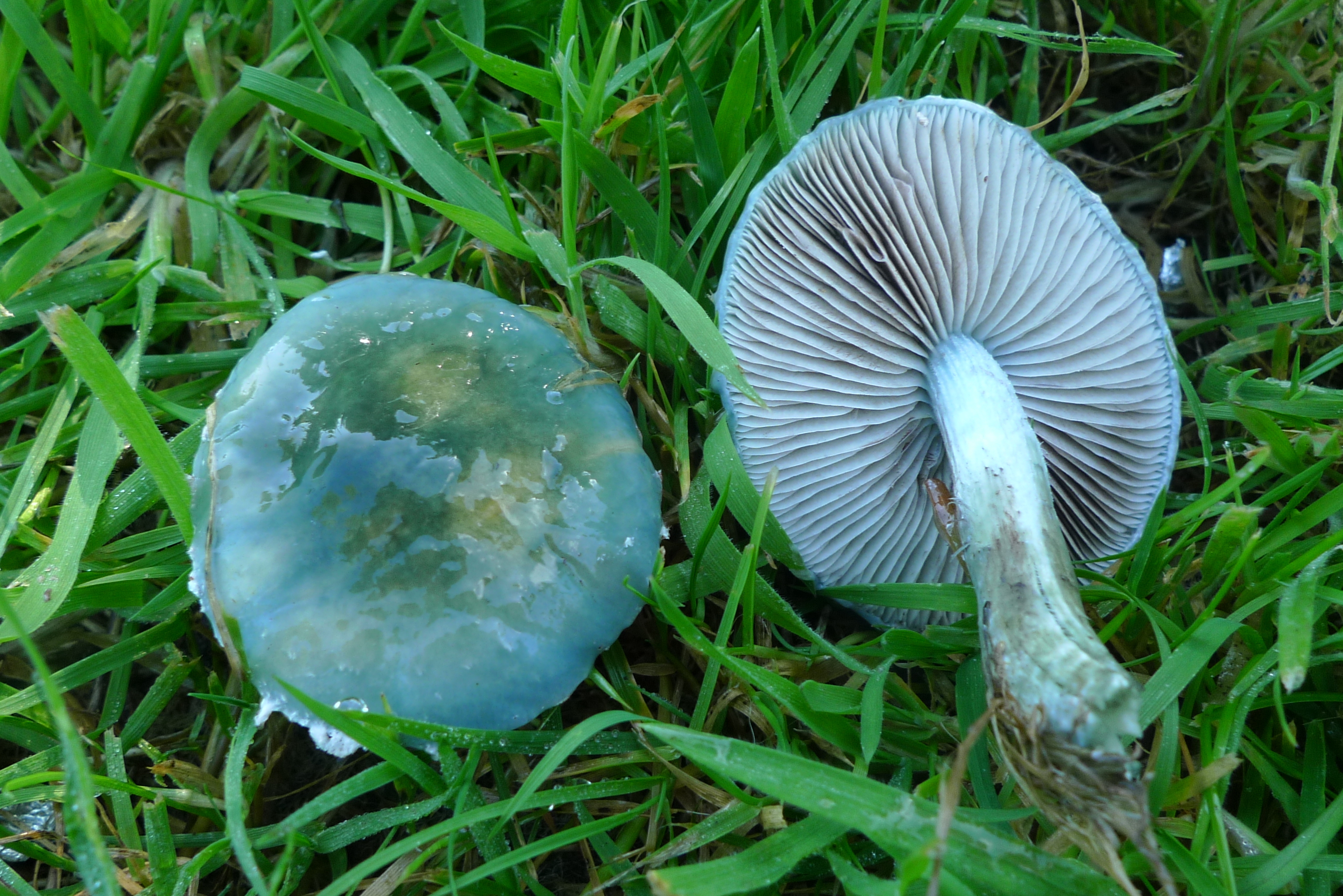
It’s turning out to be a great fungi season too. These two species were photographed last week; Blackening Waxcap was near the Wildlife Trust’s Portway Hill site and Verdigris Agaric was on Massey’s Bank.
We’ve had some great wildlife sightings in and around the Rowley Hills recently! If you’ve spotted anything interesting, please do let us know.
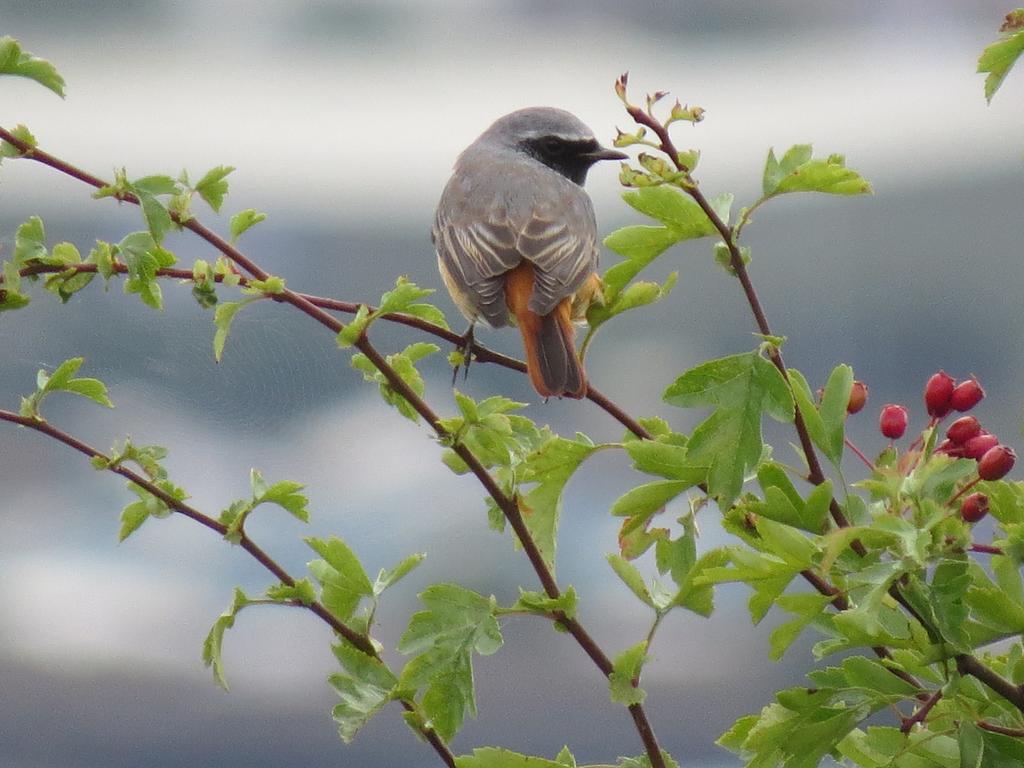
At this time of year, the Hills host a continuous flow of migrating birds, which stop off briefly to rest and refuel before continuing their journey south. Recent sightings include Tree Pipit, Redstart, Linnet, Grey, Yellow and Pied Wagtails, Siskin, House Martin, Garden Warbler, Whitethroat, Lesser Whitethroat, Swift, Spotted Flycatcher, Sedge Warbler, Blackcap, Swallow, Willow Warbler, Mistle Thrush, Raven, Peregrine, Kestrel, Buzzard and Sparrowhawk. Many thanks to Ian Whitehouse who regularly tweets his Rowley Hills sightings and photos!
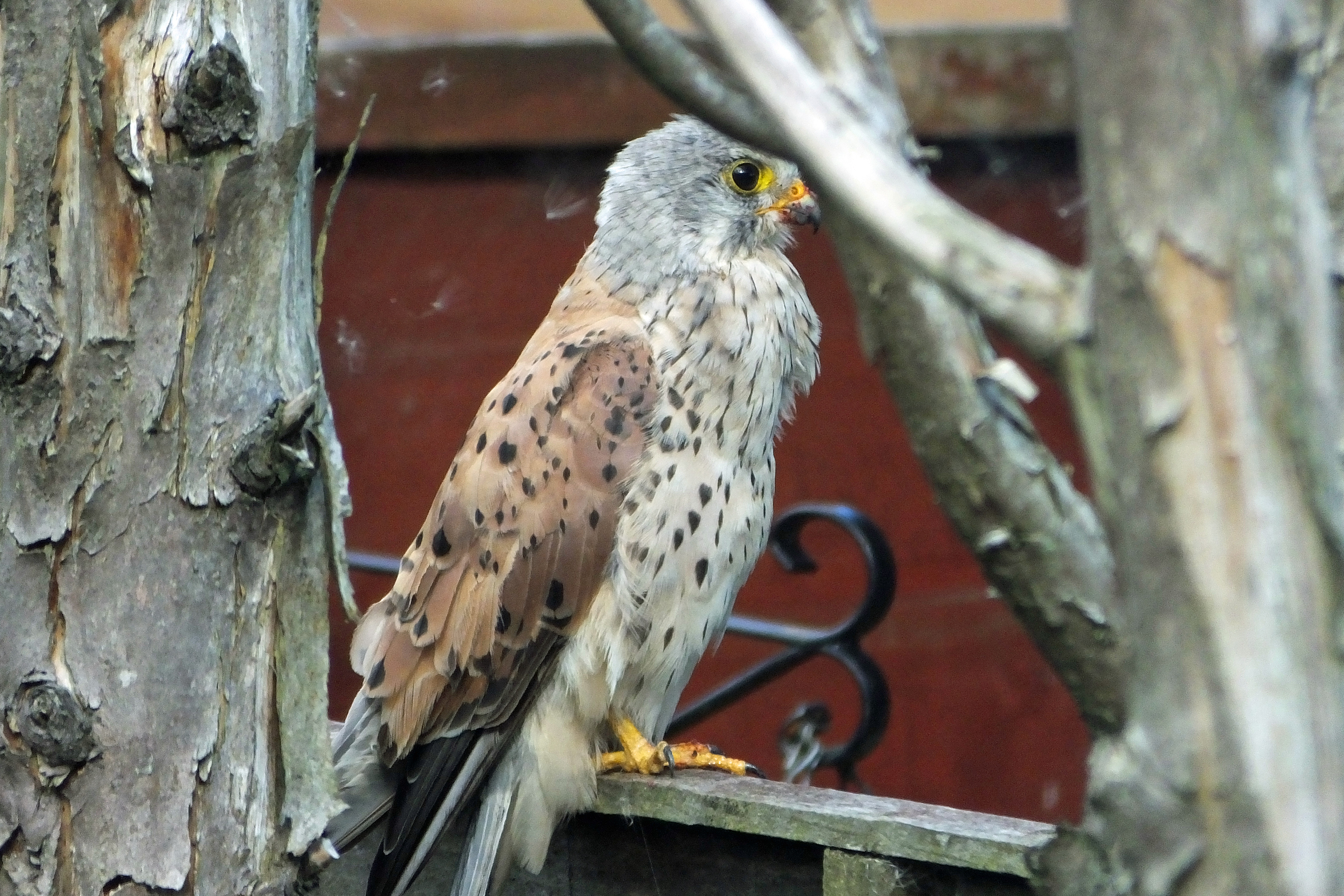
Local resident Andrew Cook also sent us these brilliants photos of a male Kestrel sitting on his garden fence. The Rowley Hills are a great spot for Kestrels as the grassland provides the perfect habitat for voles and mice, which are the Kestrel’s preferred prey. It looks as though this Kestrel may be resting after having recently eaten, as there is a small amount of blood on his beak and talons.
Another nice local record came from Lukas Large, who recorded this video of a Humming-bird Hawk-moth feeding on nectar from Red Valerian in his garden. As the name suggests, this moth resembles a Hummingbird in flight as it hovers and darts between flowers, its wings humming; Red Valerian is one of its favourite food plants. Humming-bird Hawk-moths migrate to the UK in summer from southern Europe and north Africa.
And finally, some more great news about the Harebells growing on the hillside above Bury Hill Park. Because Sandwell Council very kindly agreed to delay mowing the grass here in order to help conserve these wildflowers, we have been able to collect a large amount of seed from them. For most of the Harebells on that site it is probably the first time they will have produced seed in living memory as by now the whole area would normally have been cut. The seed capsules will now be left to dry out and the resulting seeds sown in suitable locations elsewhere on the Rowley Hills to help to conserve a scarce Birmingham and Black Country plant. This is great news for conservation and biodiversity in the Rowley Hills and we are very grateful to Sandwell Council for their cooperation with our request to put the mowing in this area on hold.
 We’ve updated our Events page with some more upcoming Lottery-funded volunteering days. These are delivered by the Wildlife Trust for Birmingham & the Black Country and are a great opportunity to get involved with helping to maintain and improve the Rowley Hills, whilst spending some time outdoors and meeting new people. Click here to see all the events we have planned. Hope to see you at one!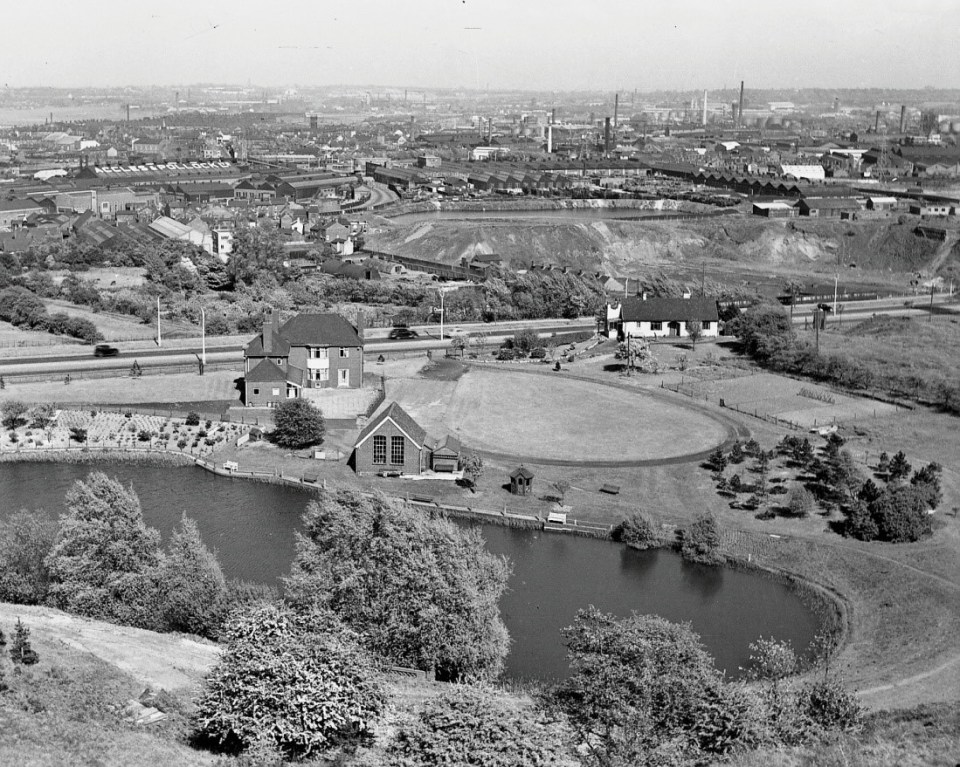







 Friends of Rowley Hills