Tag Archives: guided walks

Rowley Hills Review 2025

January began on a cold note with a thick layer of ice forming on the Black Country canals leaving narrowboats stranded and unable to move for several days. Waterfowl, deprived of open water, were rendered vulnerable to predation from foxes. One unfortunate fox that ventured onto the ice in search of a meal drowned when the ice gave way. Nature can be cruel at times!
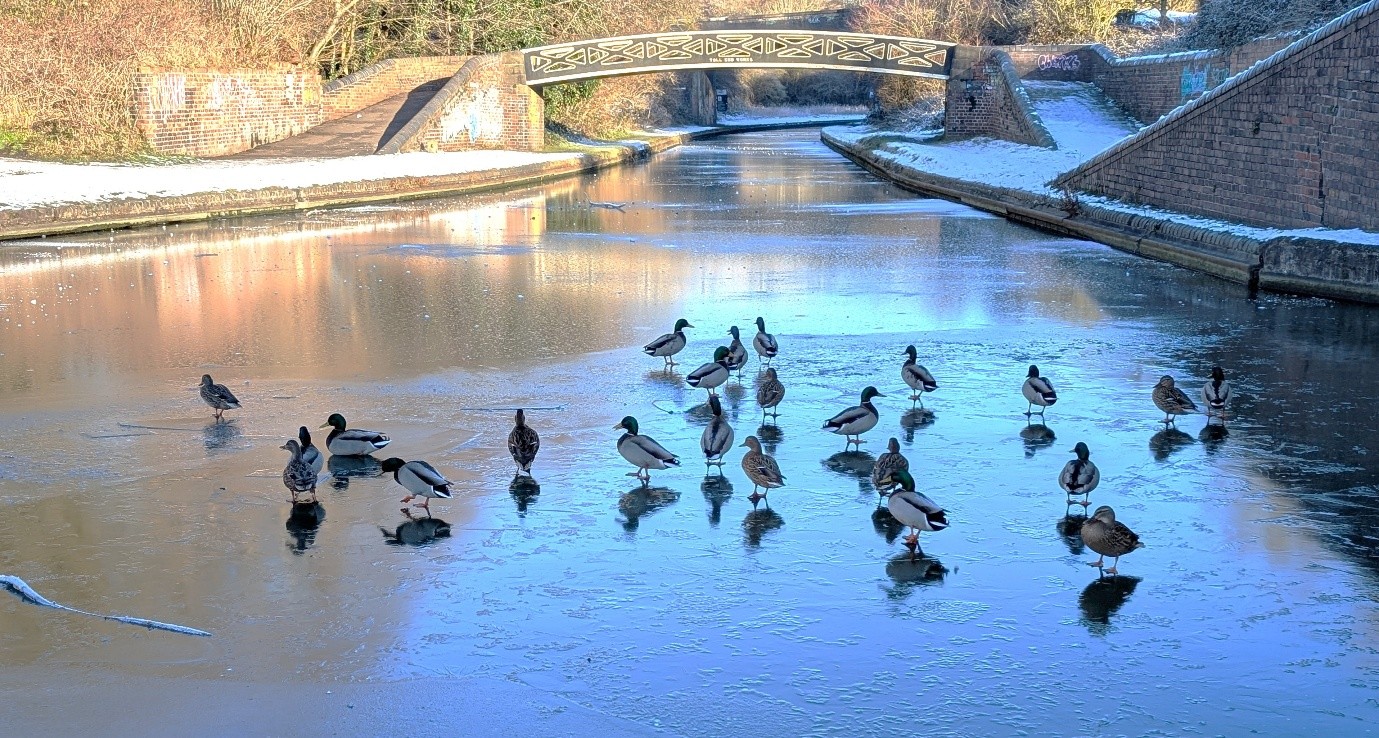
Mallards on the ice at Bumble Hole

This cold spell was short-lived and relatively mild conditions prevailed for the remaining months of winter. As February drifted into March the daffodils along the roadside on Portway Hill were in full flower and everywhere buds were swelling on trees and shrubs. Spring arrived and with the approach of May the blossoming Hawthorn turned the hillside white.
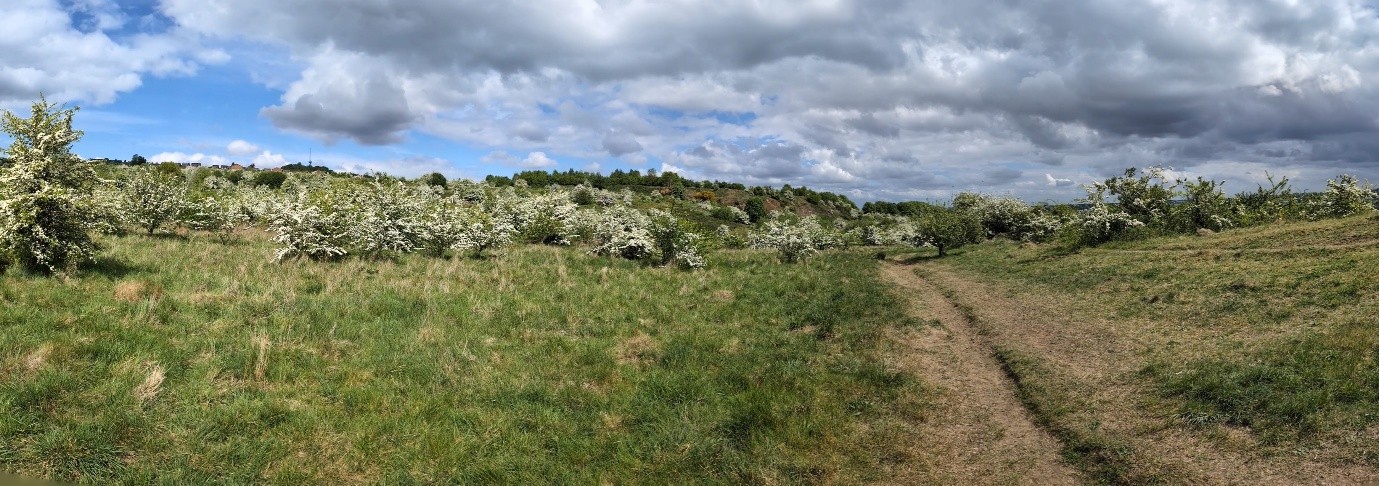
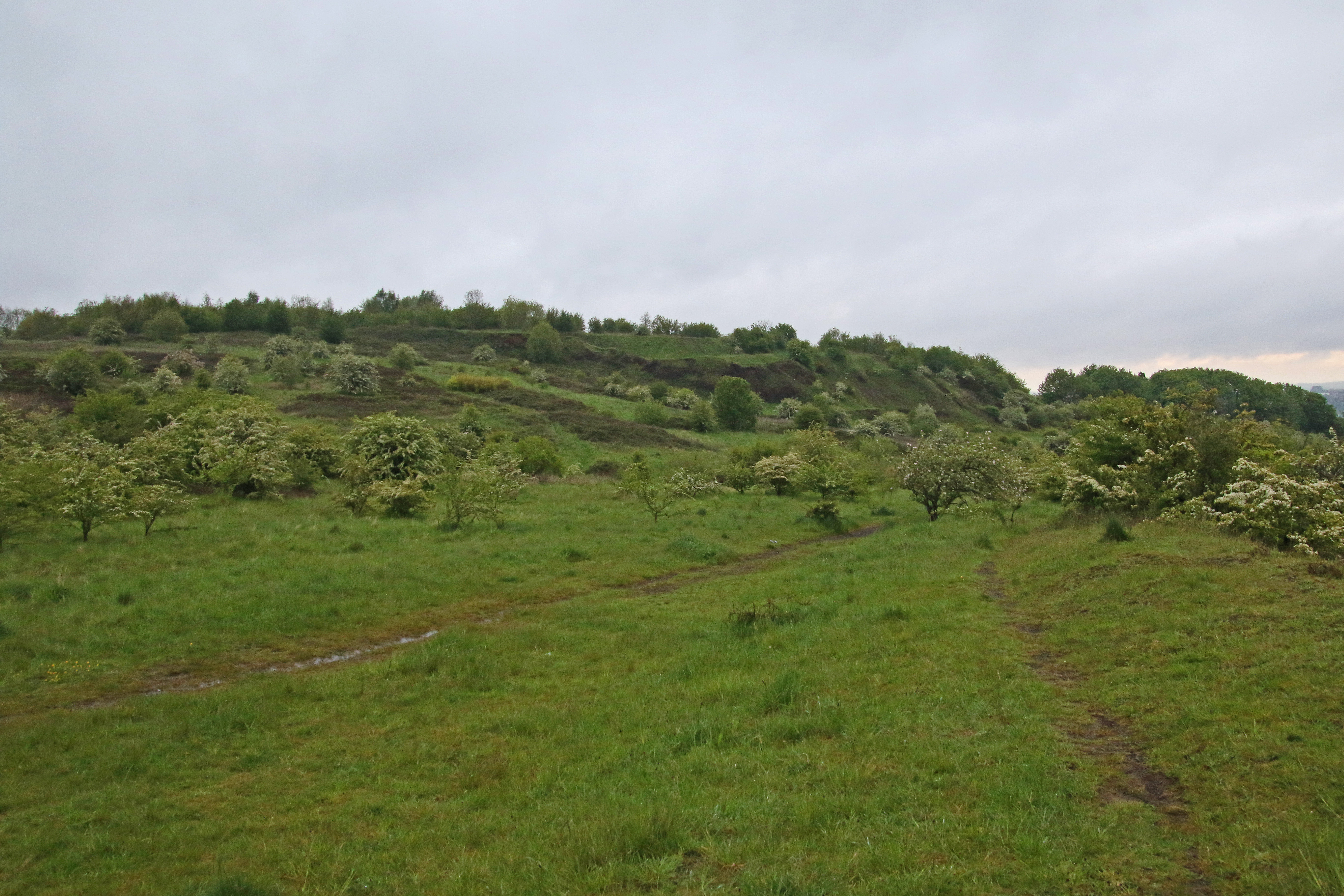
Hawthorn blossom – early May on Portway Hill

From then onwards dry weather prevailed. Growth slowed down and by mid-June the grassland had turned yellow. Following the exceptionally wet summer of 2024, this year turned out to be the driest and warmest spring in 50 years, followed by the hottest UK summer on record, with virtually no rain whatsoever.

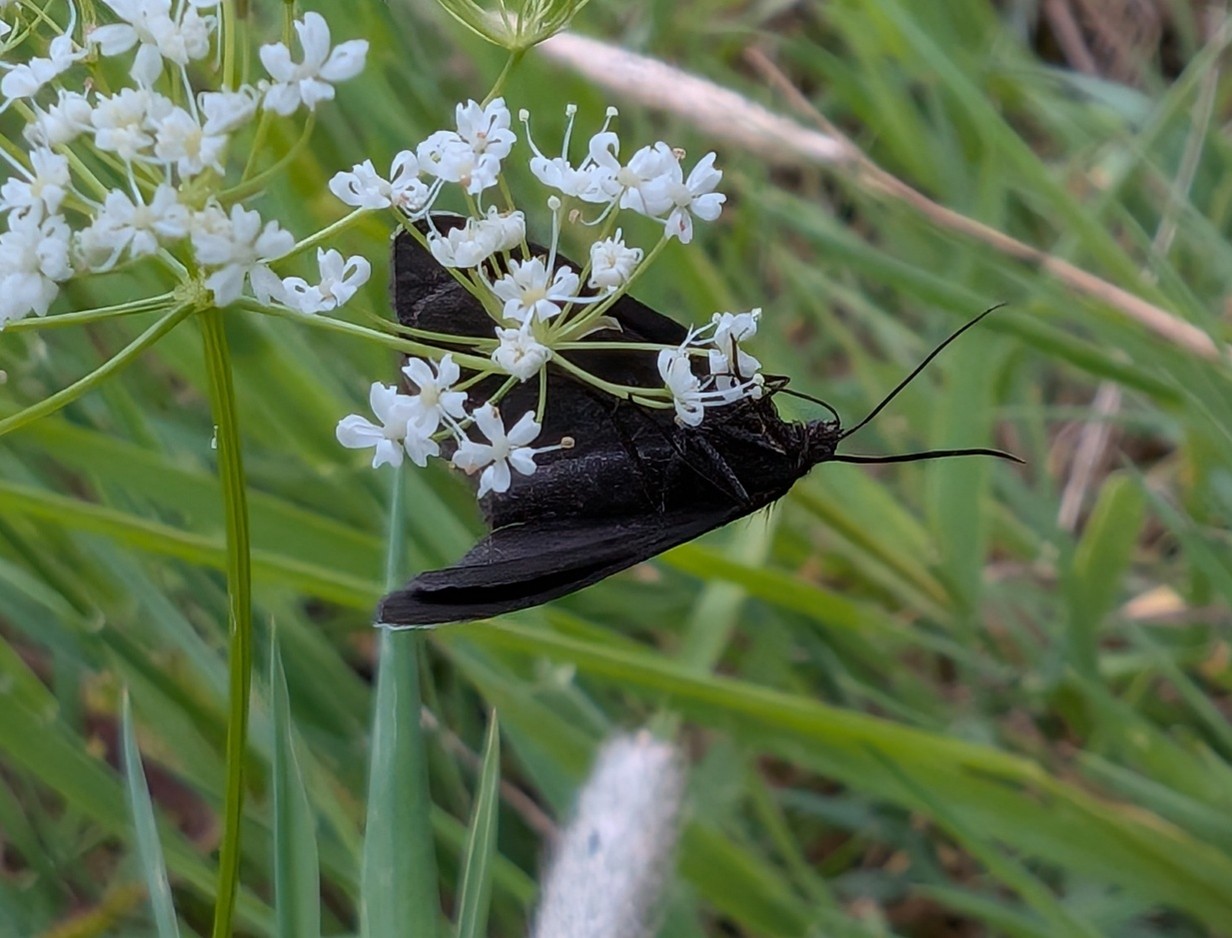
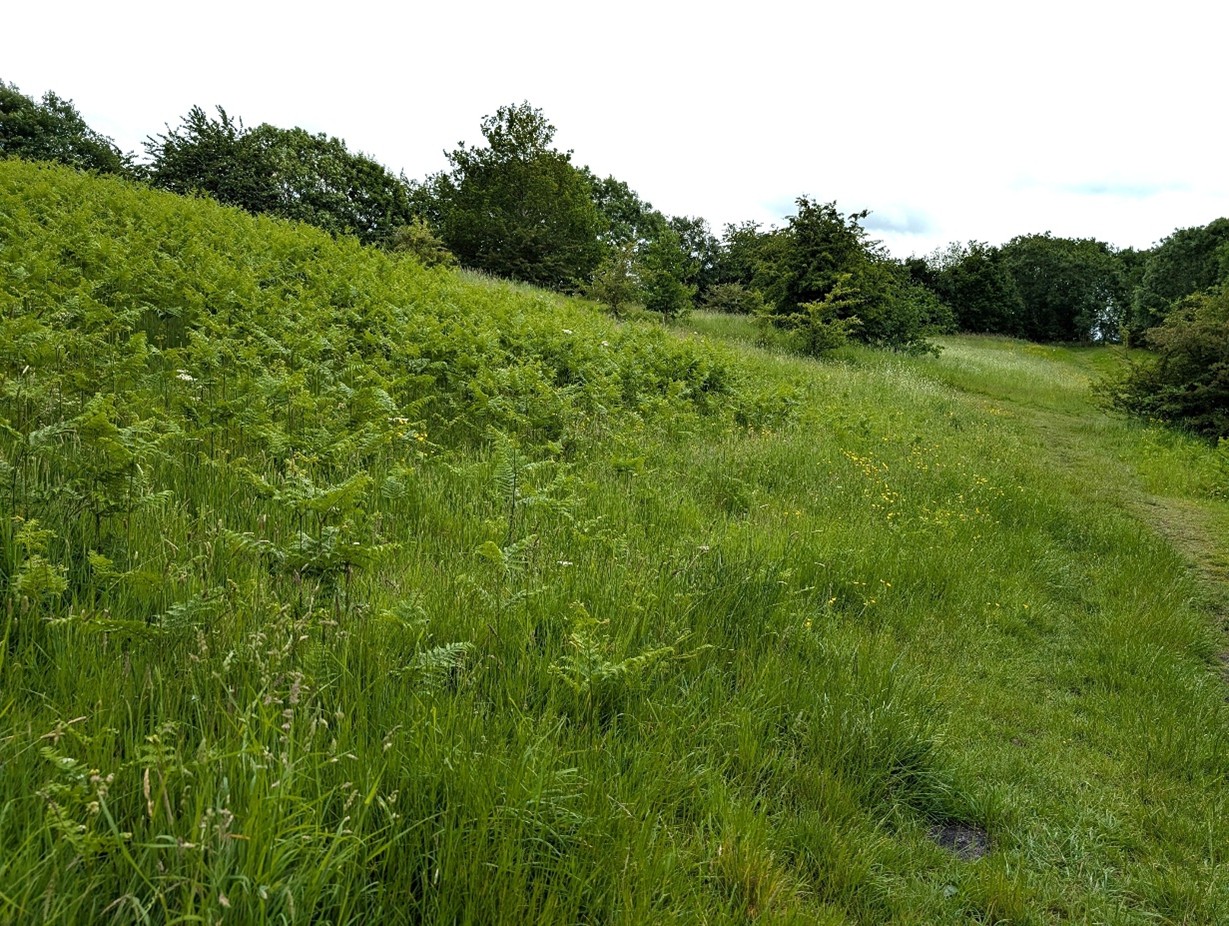
On the lower eastern slopes of Rowley Hills in Warrens Hall Nature Reserve lives one of the UKs most intriguing true day-flying moths. The Chimney Sweeper Odezia atrata is widely distributed, extending through Western and Central Europe to Britain where it occurs with Pignut, a small, white-flowered member of the carrot family commonly found in grassland, hedgerows, and woodland. The moth eggs are laid in the soil near the food source where they overwinter, and the tiny, green caterpillars hatch the following spring and feed on the flowers and developing seeds. Pupation takes place below the ground surface and the single generation of adults of this unusual sooty black moth with white fringes at the tips of the forewings emerges, flying on bright and sunny days from late-May until late June, occasionally extending into early July. By mid-June the rapidly unfurling fronds of bracken cover the hillside hiding all traces of what has gone before. Is the bracken here beneficial in helping to protect the site, or will it lead to the demise of this caterpillar food plant? 
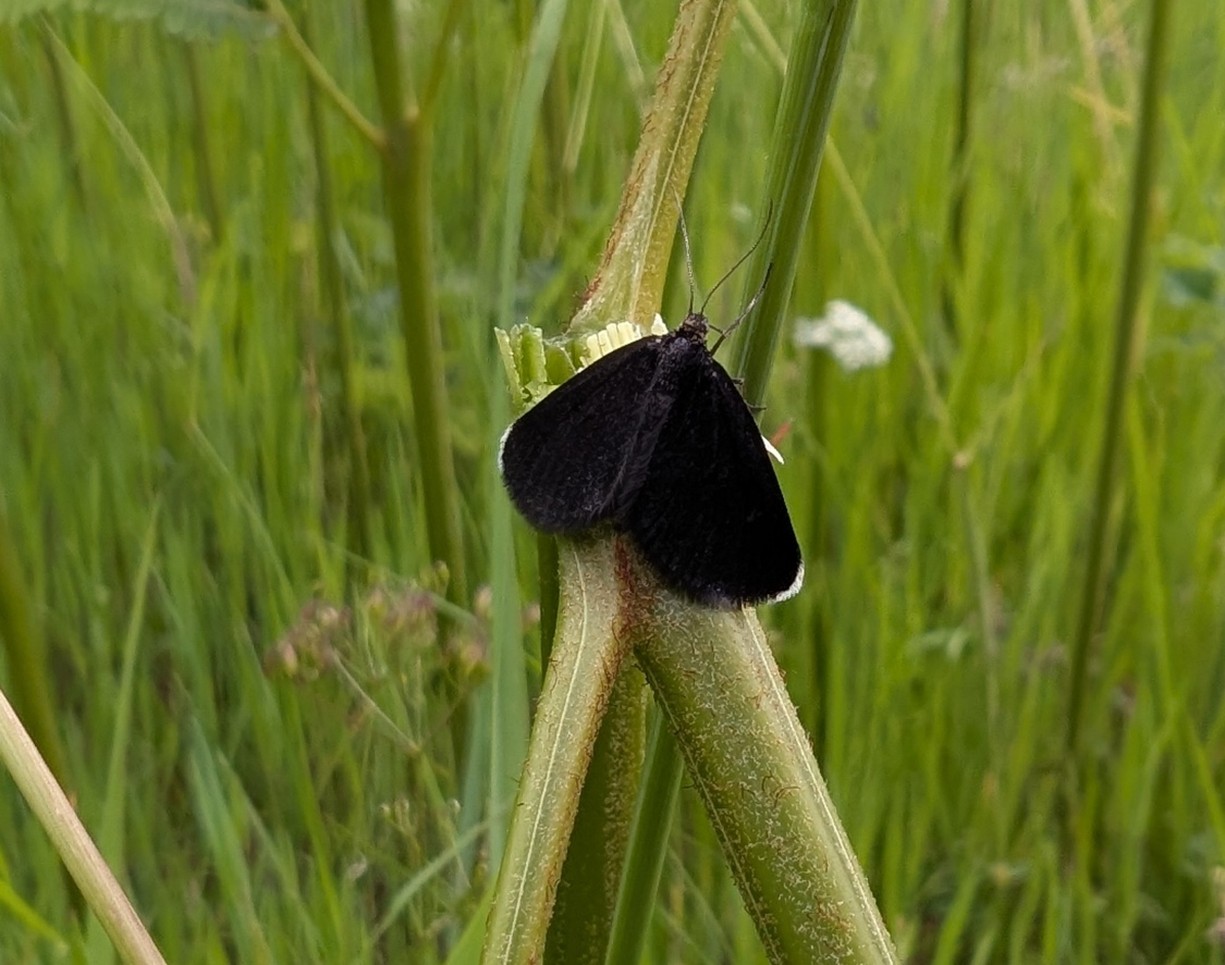
Chimney Sweeper Odezia atrata 29 May 2025
Chimney Sweeper site with the unfurling fronds of Bracken – June 2025
 

Following the disastrous butterfly year of 2024, with counts of most butterflies and day-flying moths well down on previous years, 2025 saw a recovery, with some species such as Speckled Wood, Gatekeeper, Large White, Small White, and Small Copper doing particularly well. (See Andrew Cook’s butterfly Transect report).

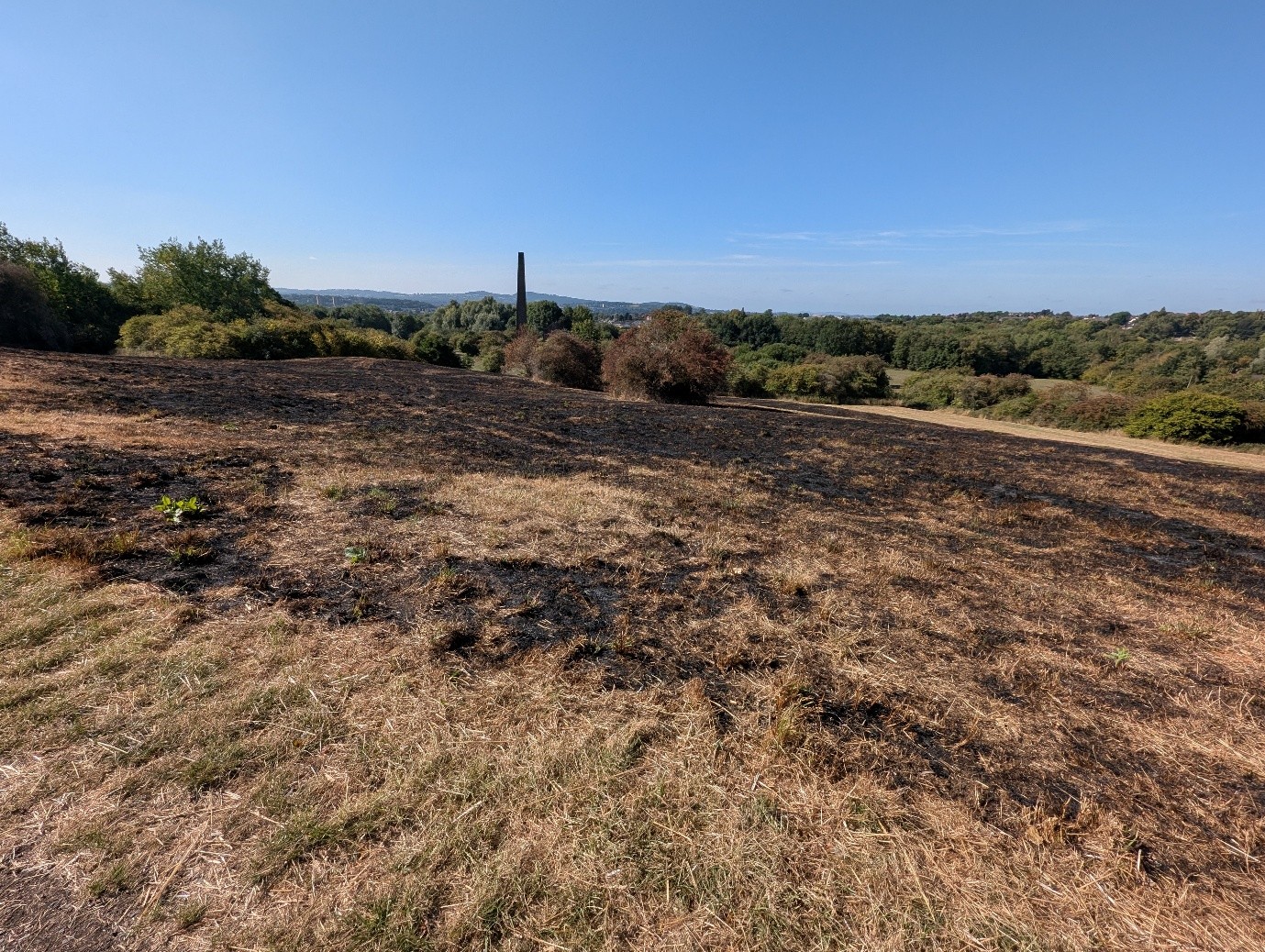
By July the grassland had turning yellow. The tinder dry vegetation led to fires, both on Portway Hill and Warrens Hall Nature Reserve. Grass fires, devastating as they may appear at the time, are also beneficial for wildlife, leaving tracts of bare ground which are rapidly recolonised by plants and animals.
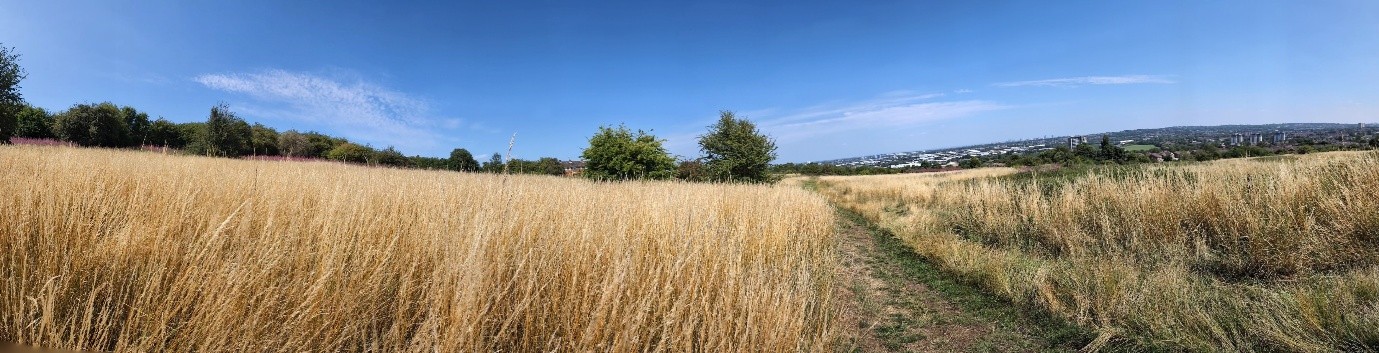
Portway Hill grassland – July 2025
Warrens Hall Nature Reserve – August 2025

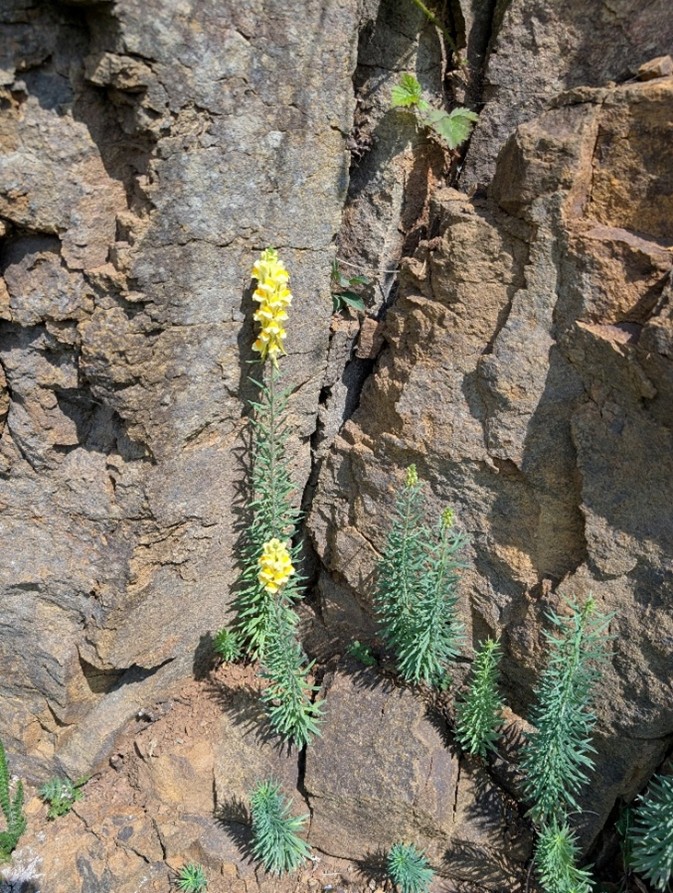
The spring and summer of 2025 provided an opportunity to see how different plants responded to the arid conditions. Many wilted, shrivelled, or just stopped growing. Others appeared unaffected. Both Burnet Saxifrage and Common Toadflax are two such examples, both seen here flowering profusely during August and September. on the south-facing rockface on Portway Hill.
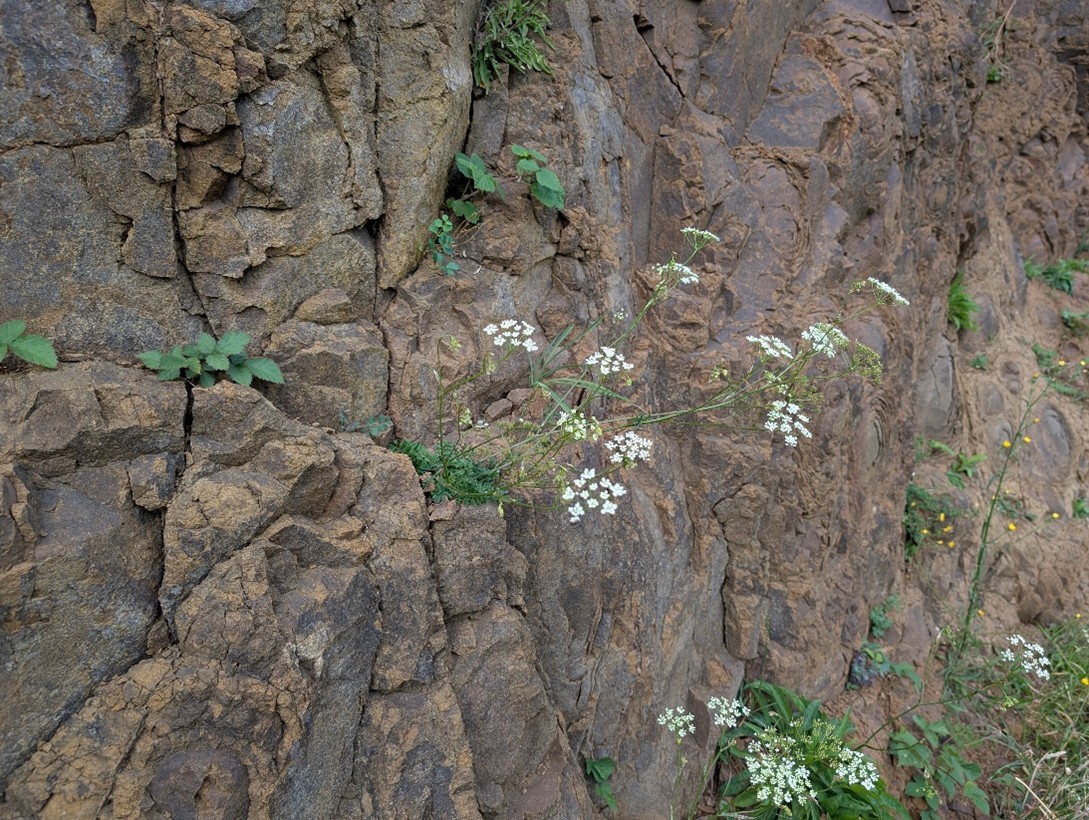
Burnet Saxifrage Pimpinella saxifraga
Common Toadflax Linaria vulgaris

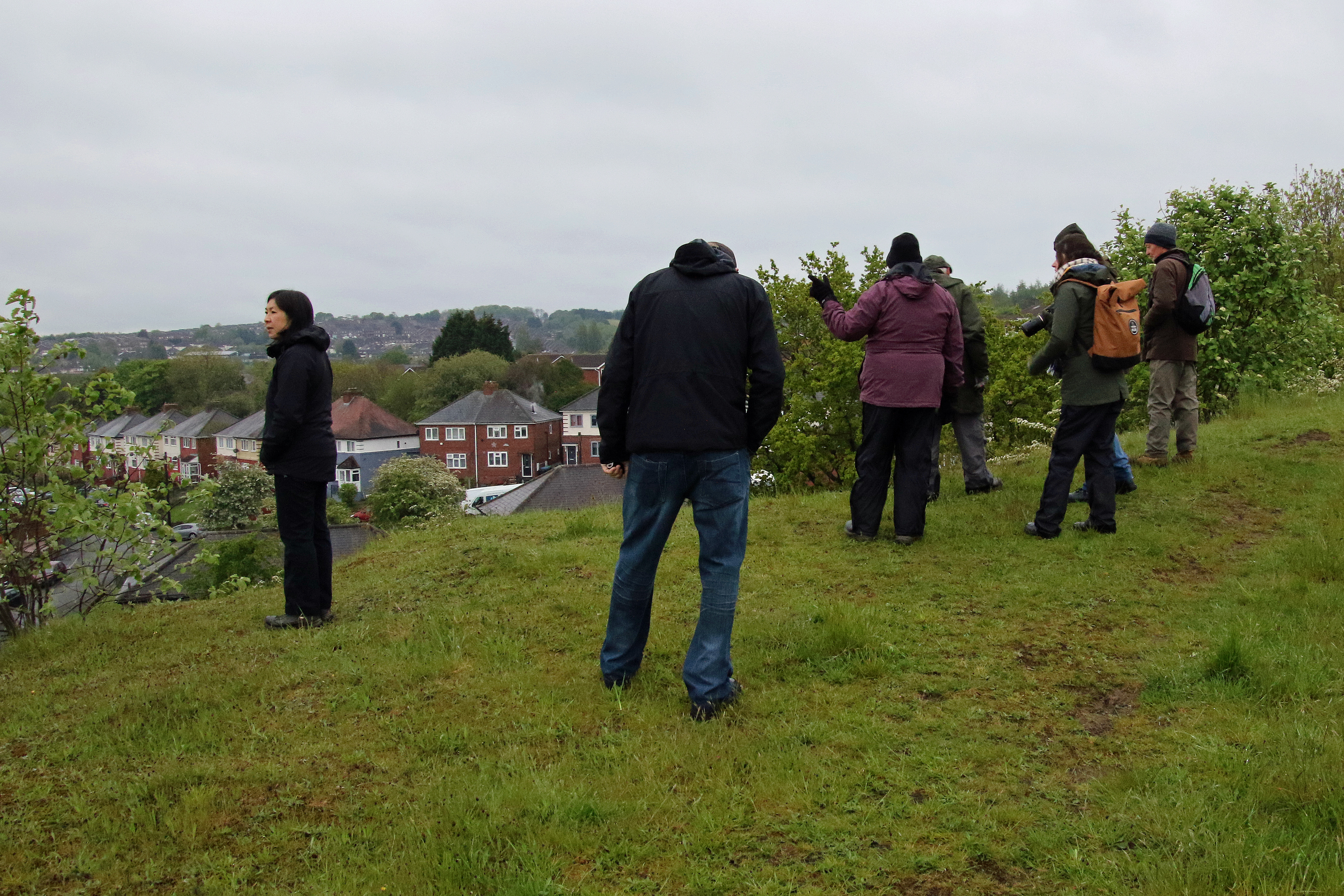
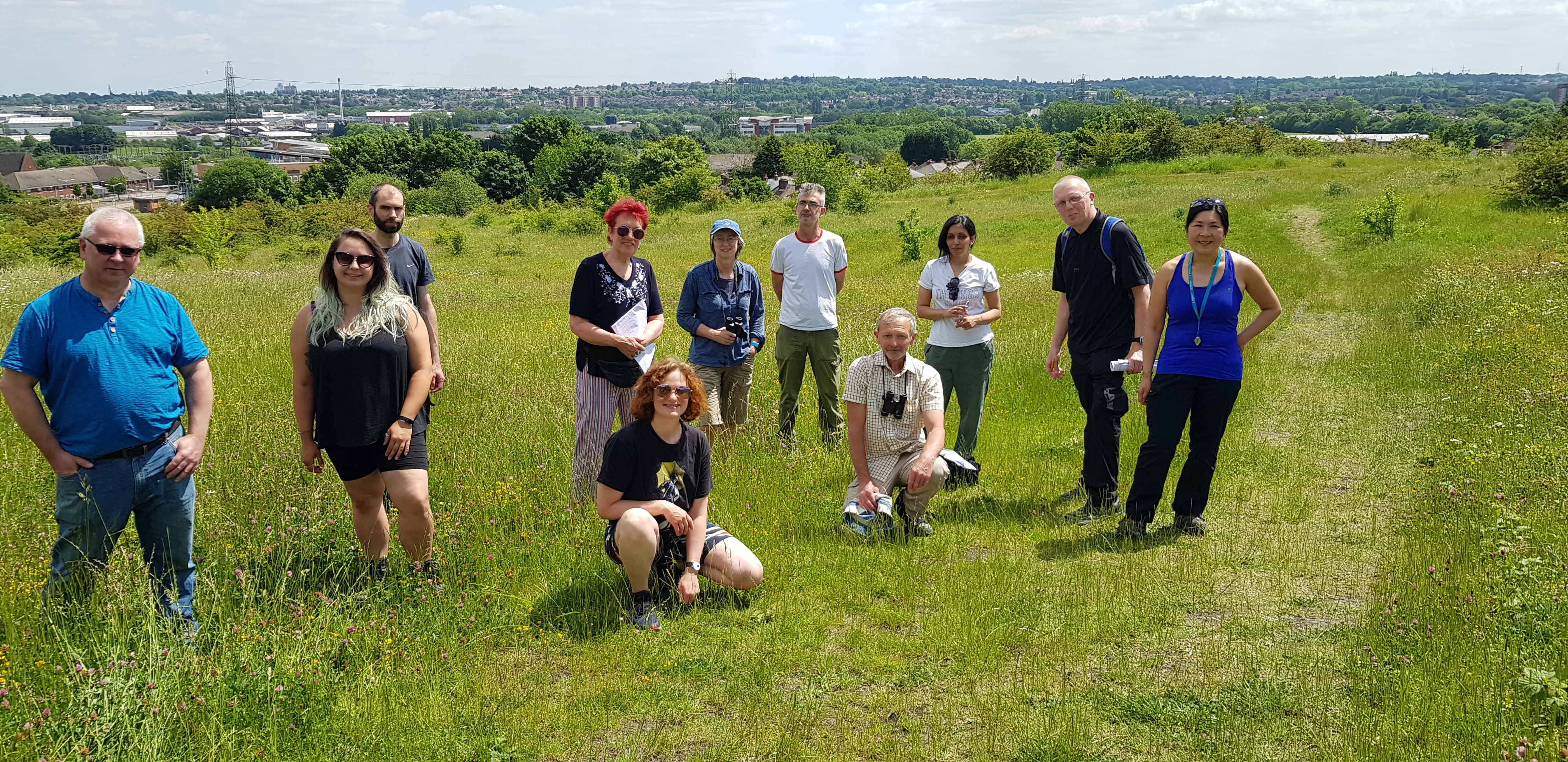
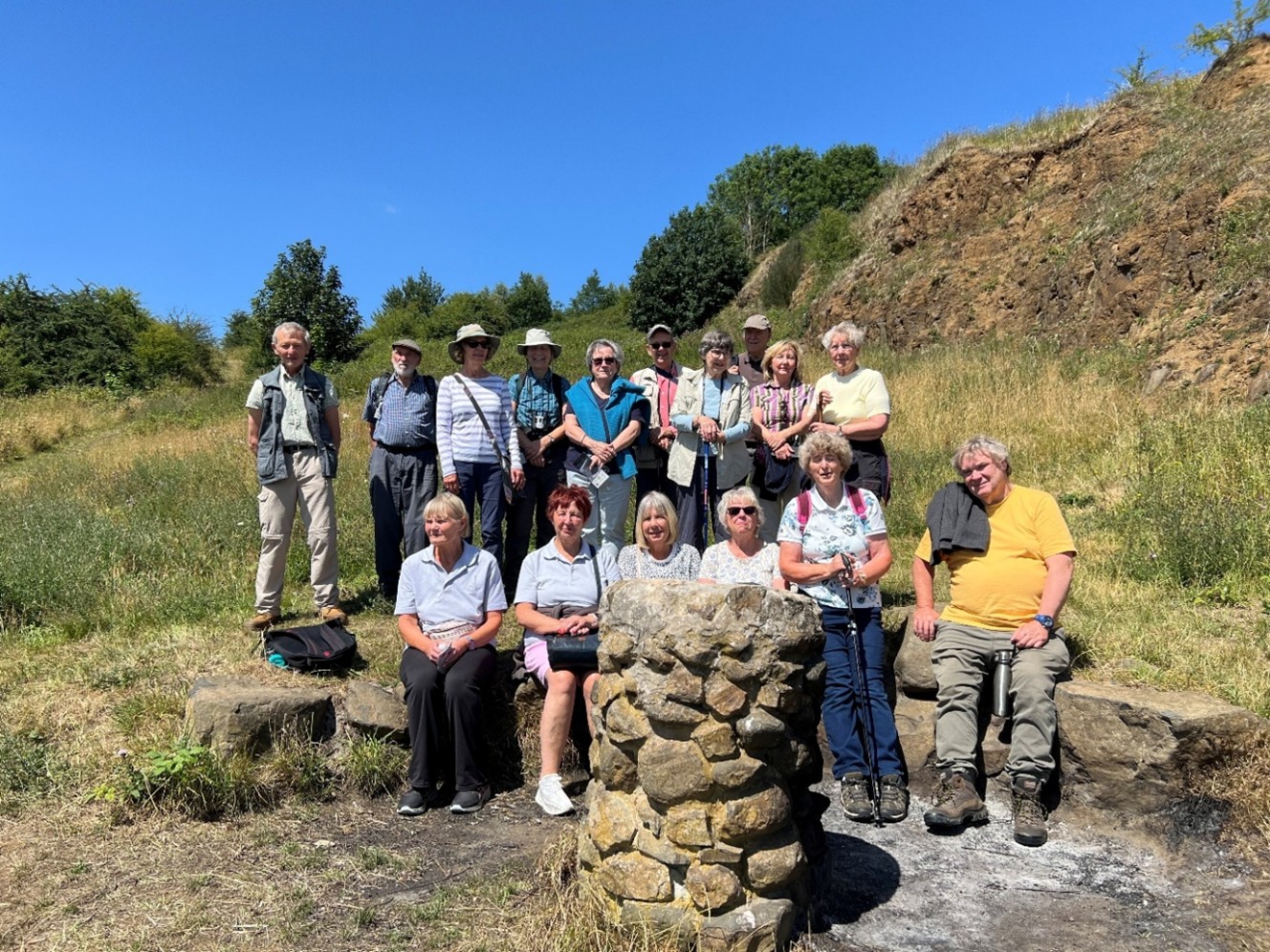
Two led walks took place on Portway Hill this year. In June we welcomed the Bumble Hole volunteers, and in July Halesowen U3A Countryside Studies Group joined us. It goes without saying that both walks took place on hot sunny days.
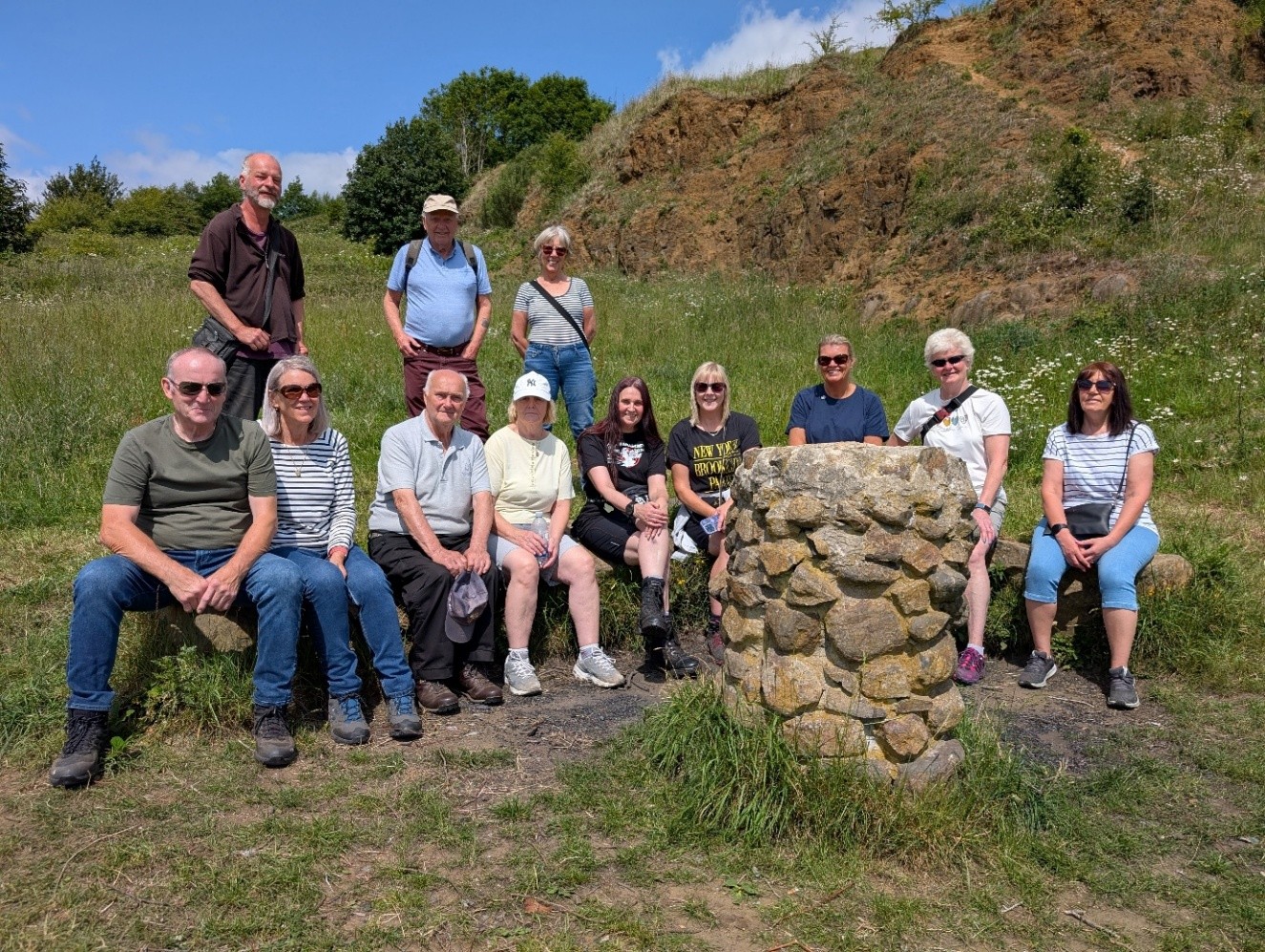
Bumble Hole volunteers group 16-06-2025
Halesowen U3A Countryside Studies Group 08-07-2025

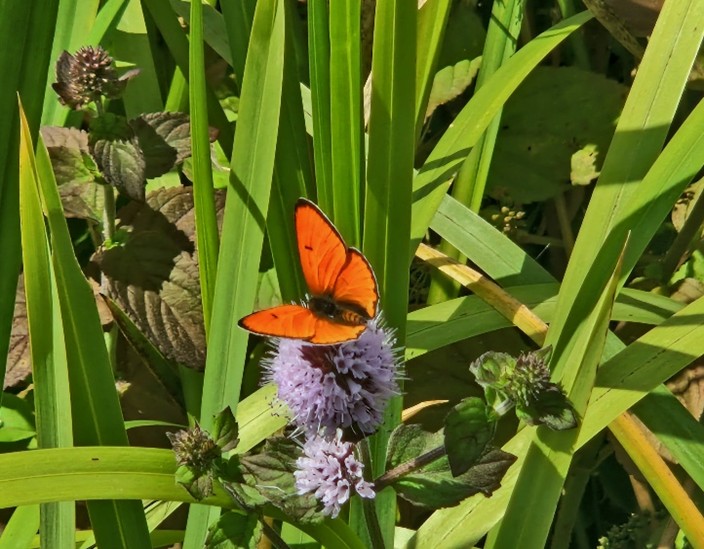
The discovery of Large Copper Lycaena dispar butterflies along the margin of Swan Pool in Warrens Hall Local Nature Reserve in early August caused great excitement in the butterfly world. Word spread rapidly and saw butterfly photographers flocking to see them from all parts of the country. Extinct in the UK since the middle of the 19th Century because of habitat destruction the butterflies here were believed to be a European subspecies from a country where Large Copper is still quite frequent. Butterflies, eggs and pupal were found confirming breeding had taken place here. Great Water-dock Rumex hydrolapathum, the food plant of the caterpillars, is quite frequent growing around the pool margins and along the nearby canal system. As there is no shortage of the food plant, could this attractive butterfly survive our winter? If so, Large Copper could soon be an established part of the local butterfly community. What we can be sure of is that when August comes around there will be no shortage of butterfly enthusiasts looking for the answer.
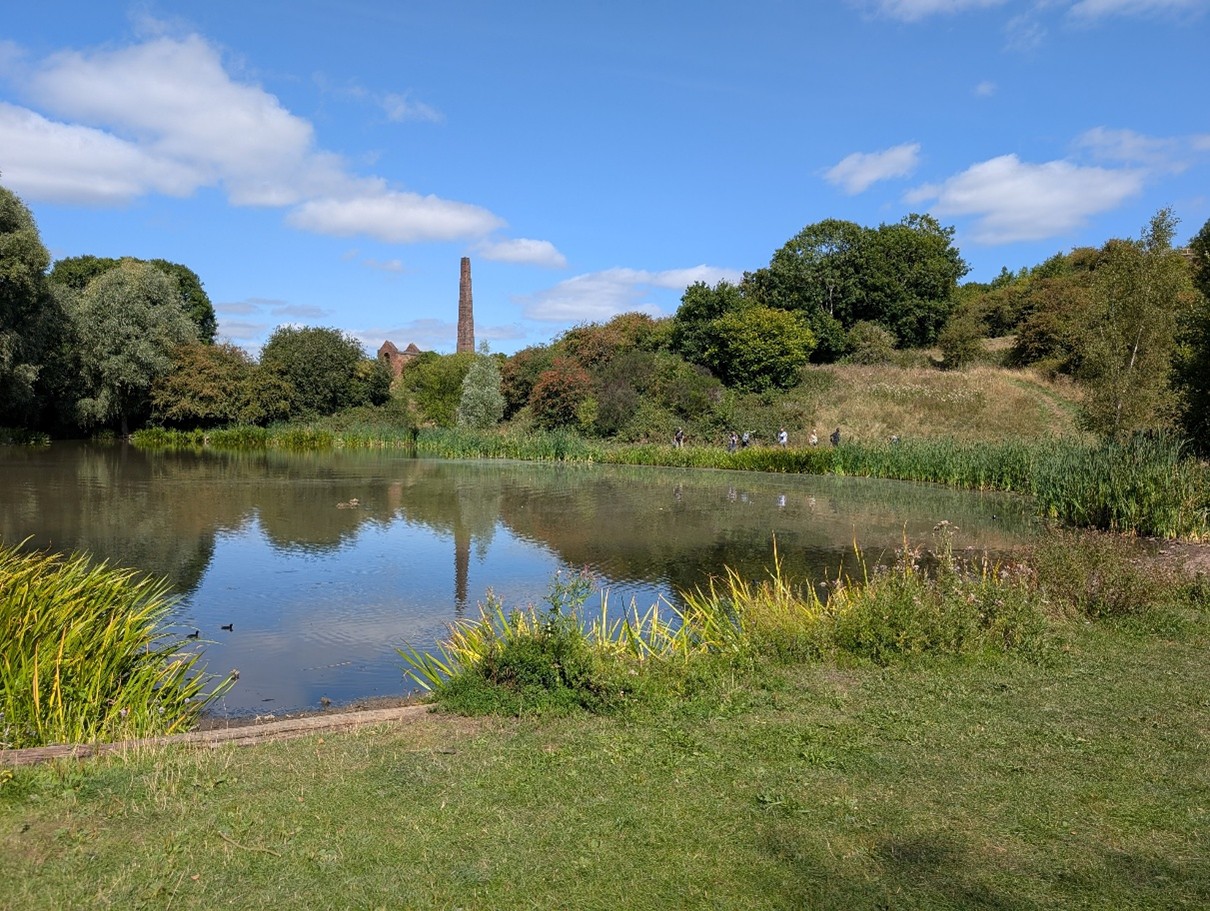
Swan Pool, Warrens Hall Local Nature Reserve – the site of Large Copper
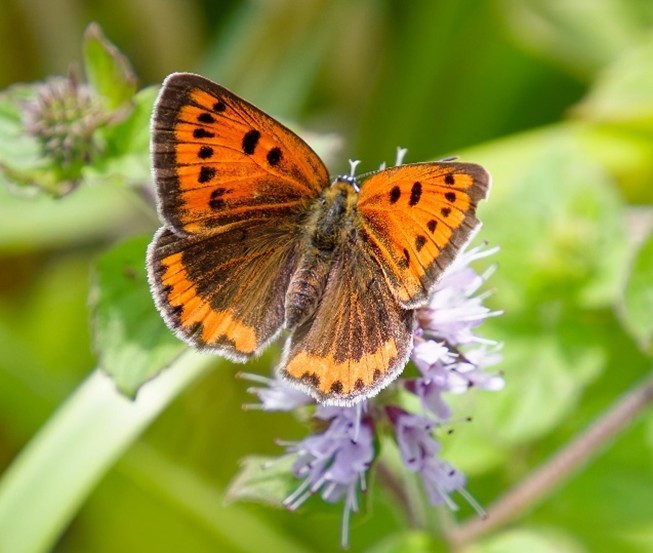
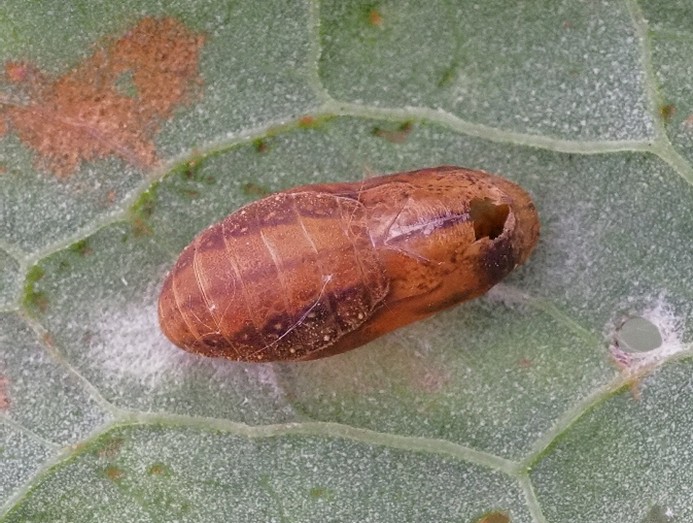
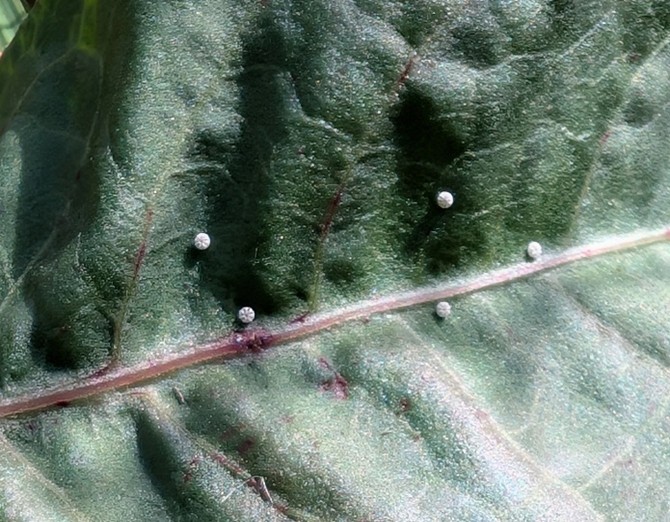
Male and female Small Copper, pupal and eggs

Every few years we experience a ‘mast’ year, when trees and shrubs produce an abundance of fruit, nuts, and berries. 2025 was just such a year. Over the years since quarrying and landfill ceased, Portway Hill has become naturally colonised by many different shrubs and trees. These include, Hawthorn, Wild Plum, Blackthorn, Elder, Rowan, Dog Rose, Dogwood, Bird Cherry, Raspberry, Guelder-rose, Ash, Pedunculate Oak, Sycamore, Silver Birch, Whitebeam, and at least eight different species of Cotoneasters. Several different varieties of apple trees are also found here. Where they originate from nobody can be certain. This year, many were laden with fruit, presenting the opportunity to sample apples from different trees. Surprisingly, most tasted much sweeter than shop-bought apples! Another bonus of the mast year was the abundance of blackberries!  
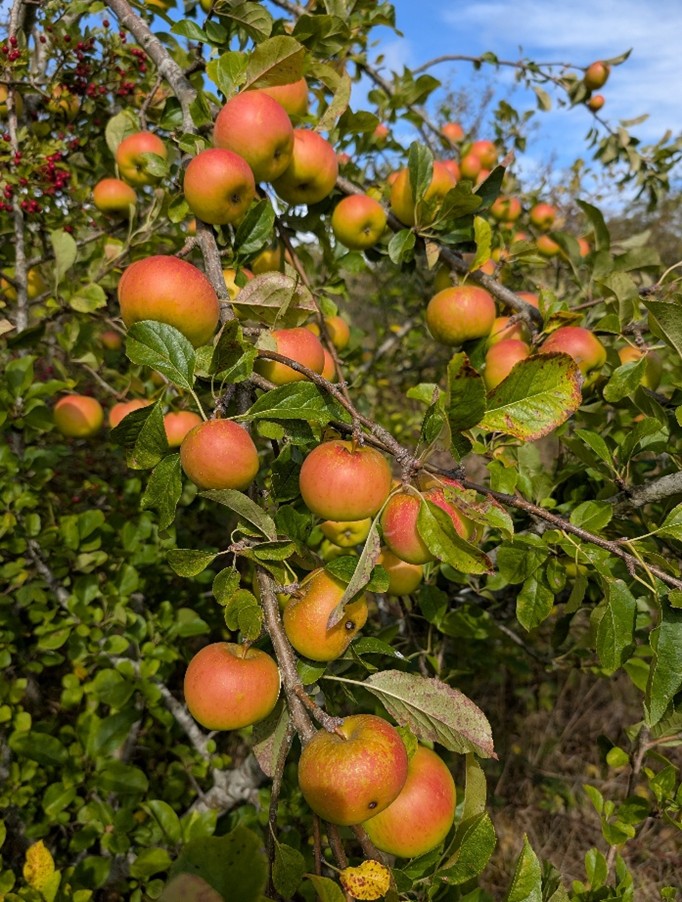
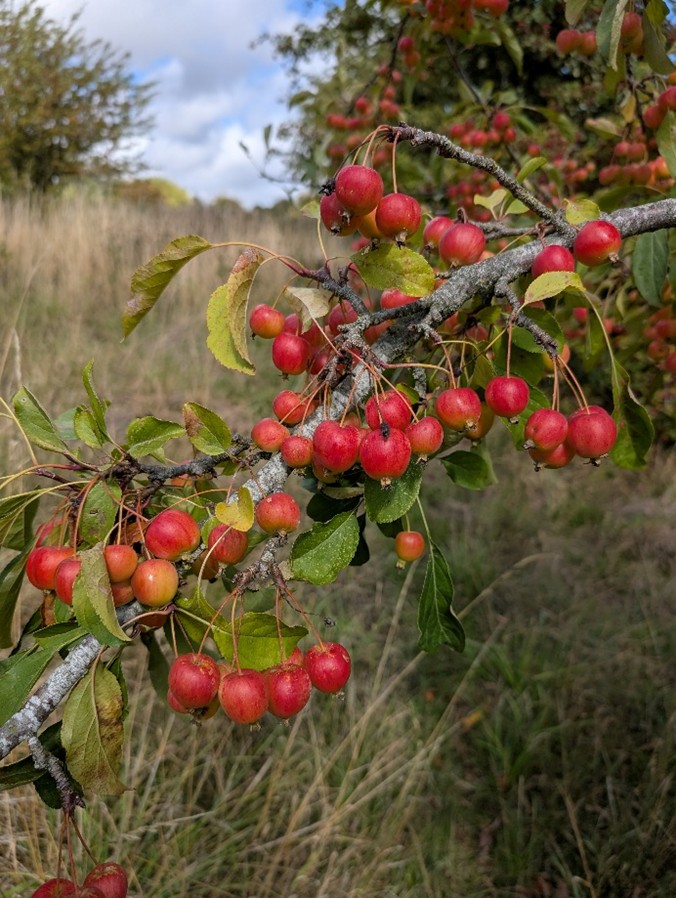
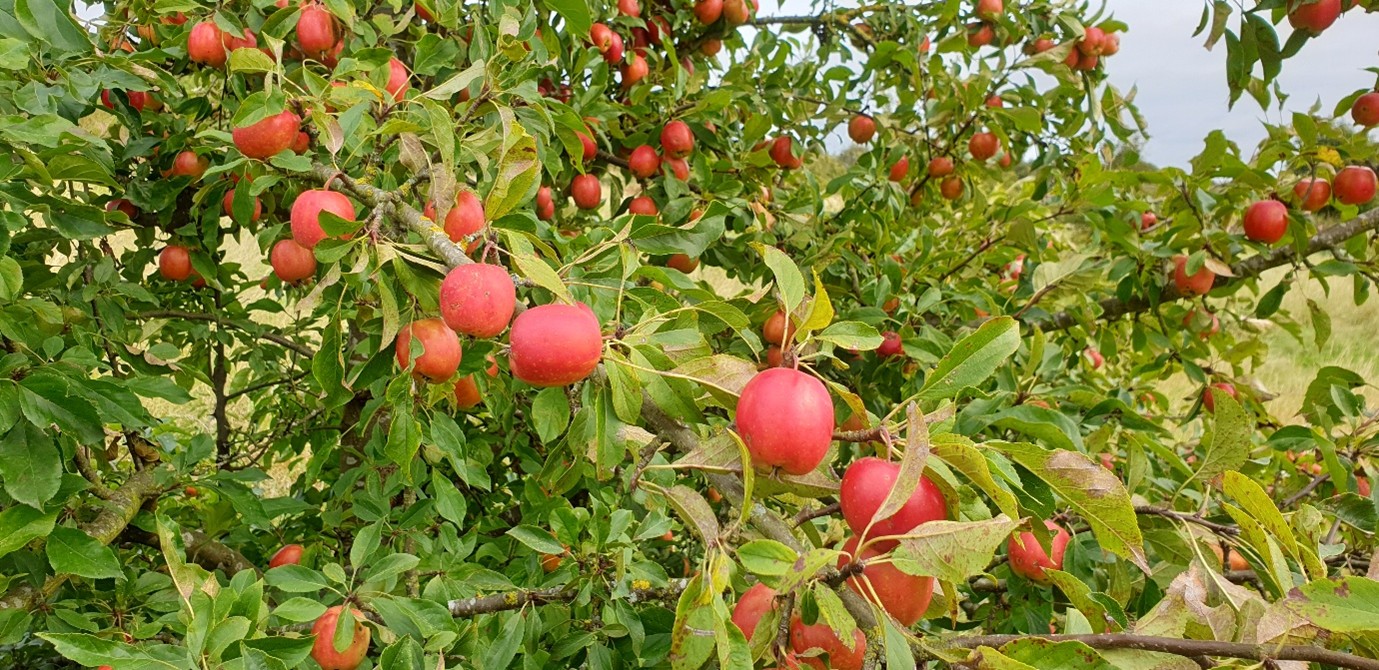
Three varieties of Apple naturalised on Portway Hill
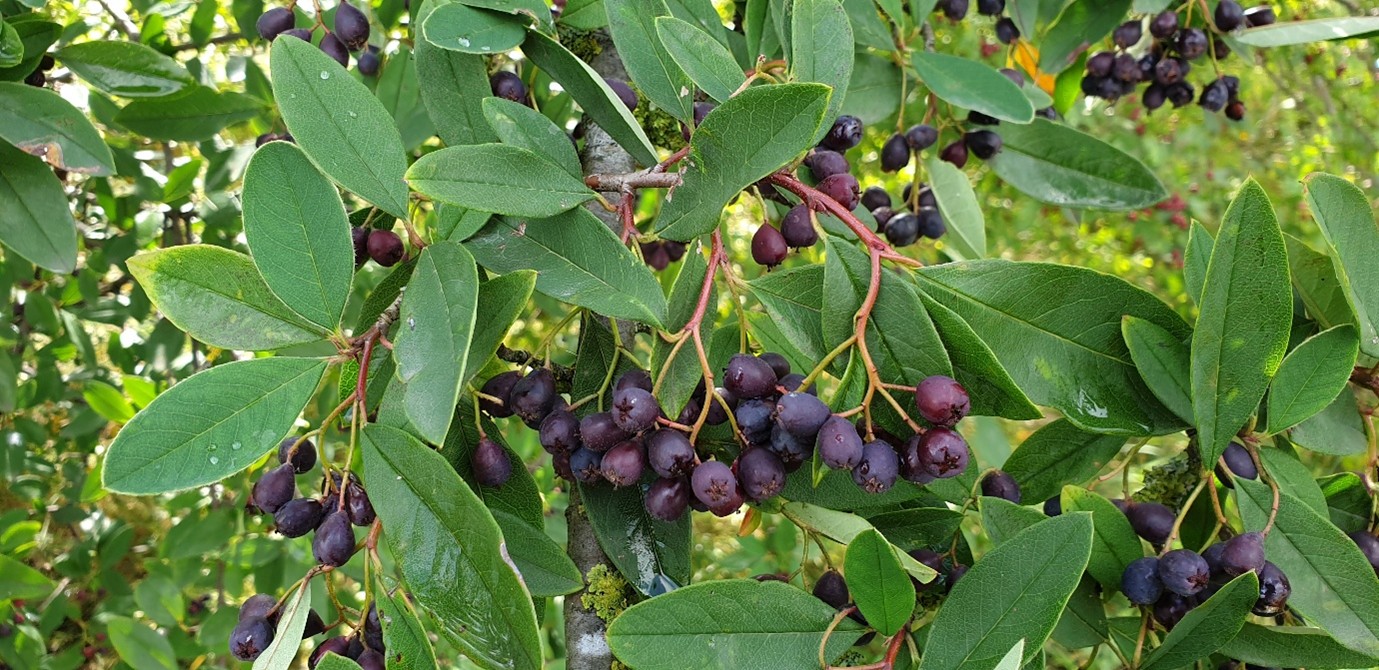
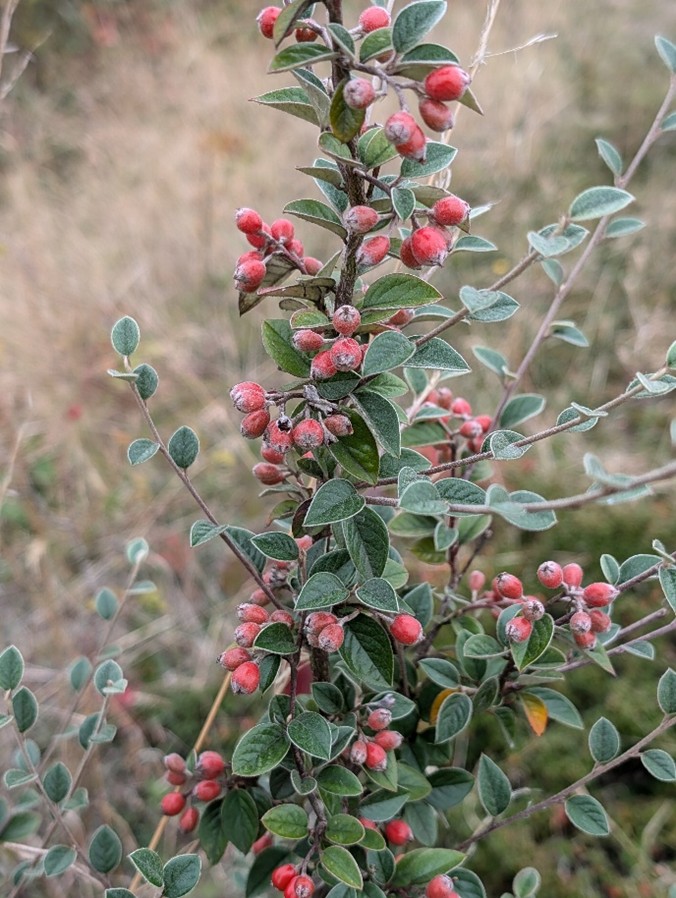
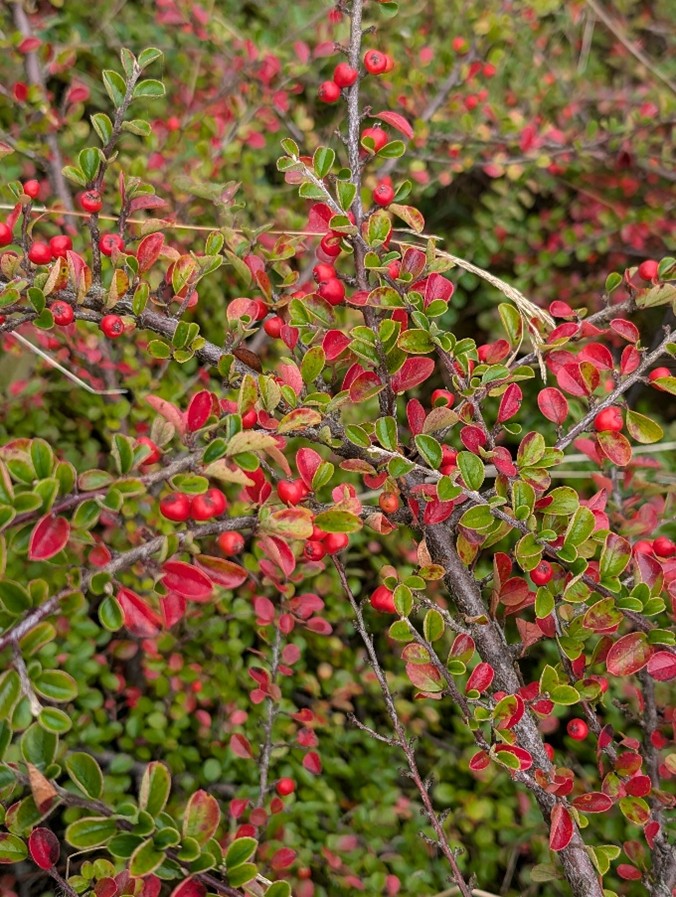
Fruit of three different Portway Hill Cotoneasters

The annual meadow cut on the Wildlife Trust owned land on Portway Hill usually takes place in July or August. With this year being so dry, the cut was held back until late September. This delay gave late-summer flowering plants such as Burnet-saxifrage, more time to flower and set-seed. Burnet-saxifrage, a white-flowered member of the Umbellifer family is a relatively uncommon plant on Rowley Hills, reaching its flowering peak in August and September.

When the cut eventually took place the task of collecting the arisings was far less arduous than in previous years.
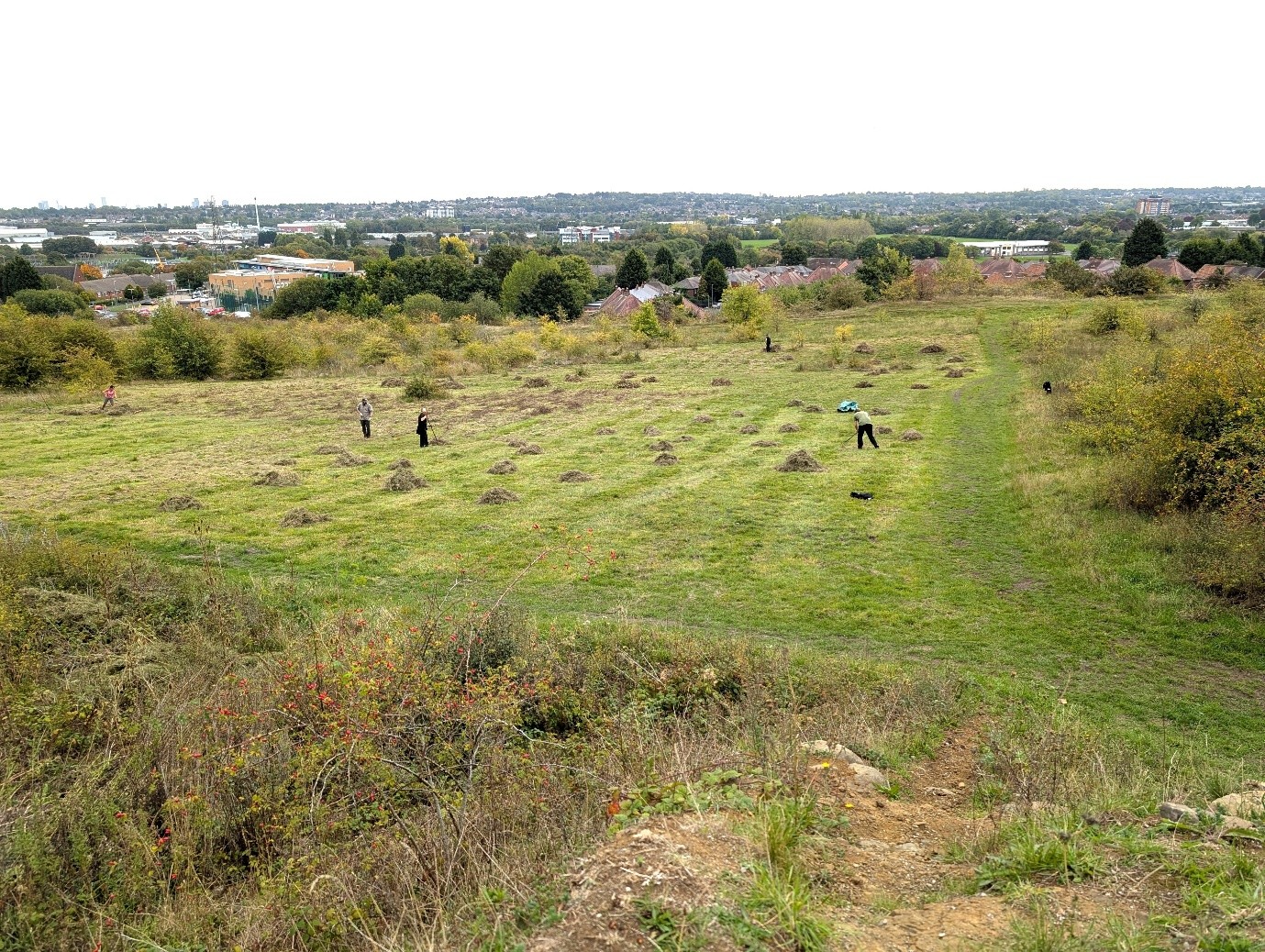
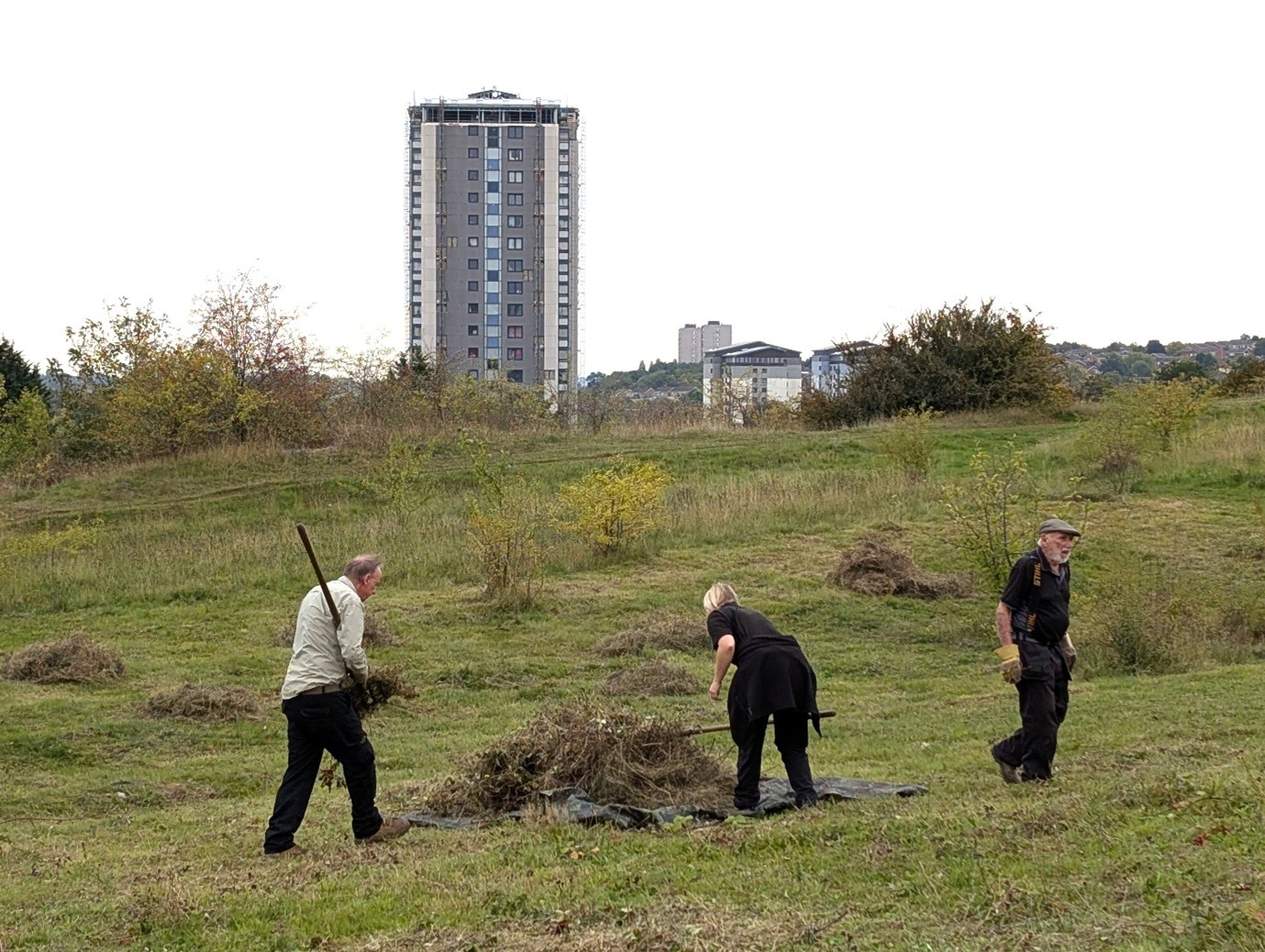
September meadow cut 2025
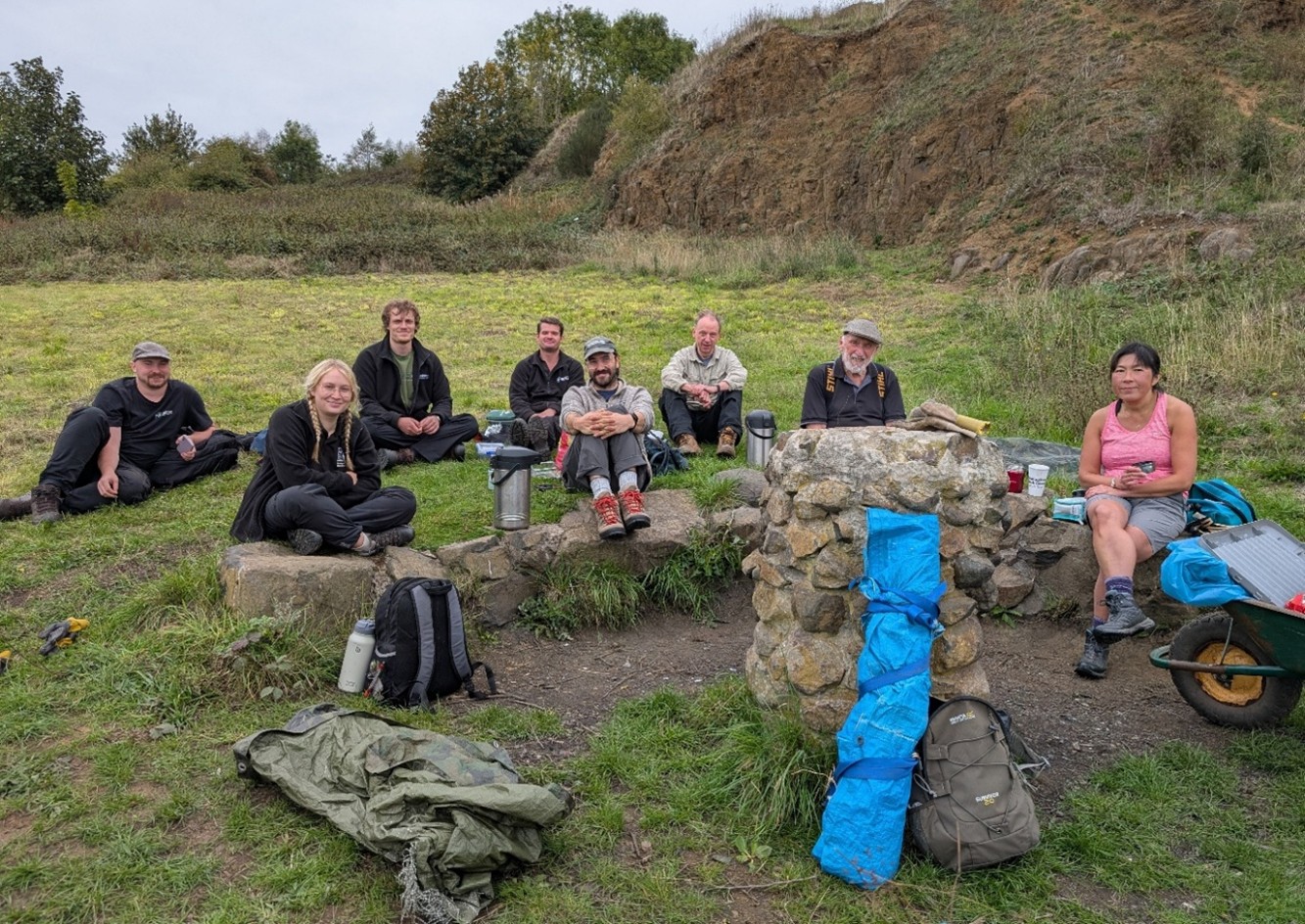
The group take a well-earned break during the meadow cut.

Autumn arrived, the weather broke, and rain fell. Fungi began to appear, but not in the numbers seen in previous years.
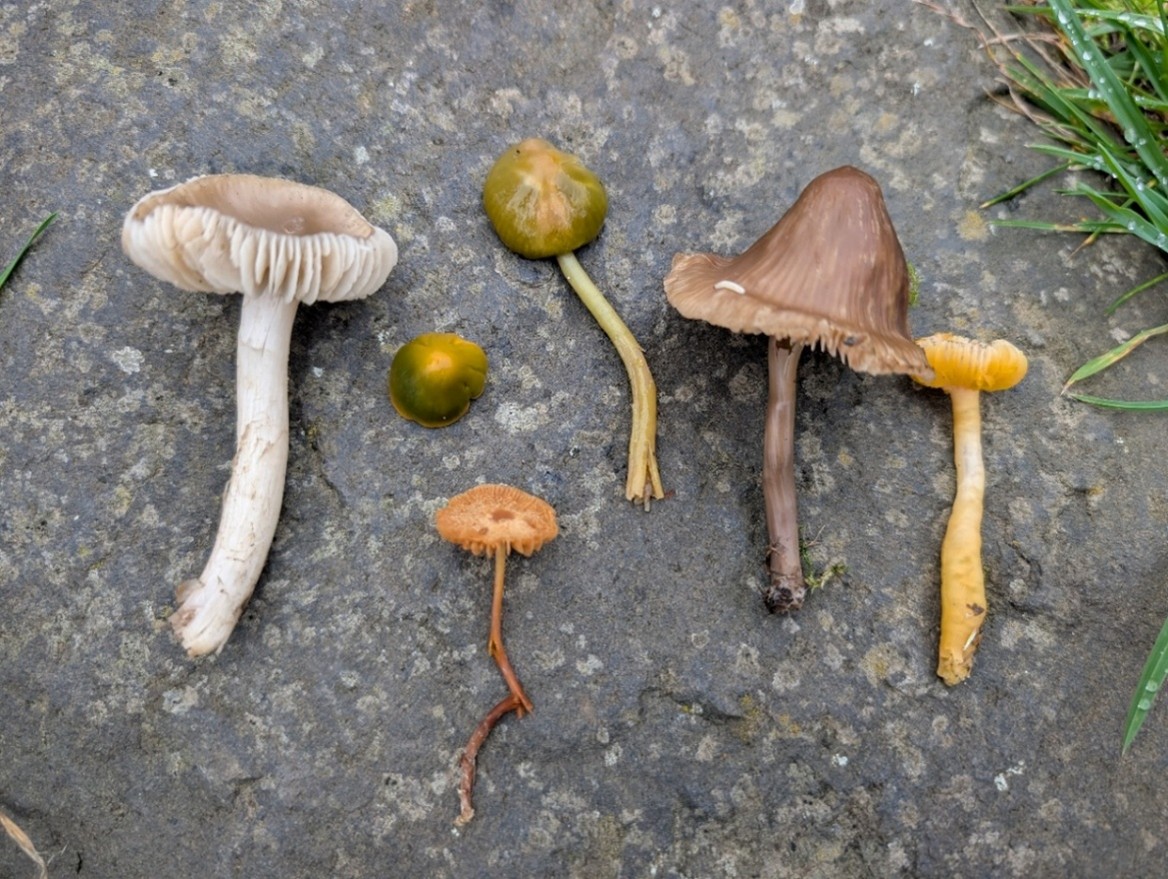
Fungi fruiting bodies collected from the Wildlife Trust meadow on 8 November 2025

November arrived and a new project began. That of exposing more of the open grassland by removing scrub hawthorn near the Wildlife Trust owned land. This is an ongoing project and will be reported on in 2026.

Nick Horton once again has provided us with a summary of his exciting bird sightings in 2025.If 2024 was a poor year for birds on Rowley Hills, then 2025 was outstanding. The vast amount of insect life due to the work carried out by the Friends of Rowley Hills and the Wildlife Trust plus the long warm sunny summer meant that it was a fantastic year for birds on the Rowley Hills

Plenty of Redwings moved through during January/February and a small flock of Siskins were spotted on Turners Hill in February.

Things kicked off with a bang in March with a male Black Redstart on Portway Hill. Birds spotted on the spring migration included Stonechats, Whinchats, Tree Pipits, Meadow Pipits, Wheatear (one male and one female on Dudley Golf Course, and one male on Bury Hill Park), Ring Ouzel in the horse paddock on Turners Hill and Redstarts near Warrens Hall Riding Stables. A male Pheasant seen on two separate occasions in the paddock to the south of Miles Grove, and Red Kites once again flew over the Portway Hill site until early May.

It was a special year for migrant warblers.

Chiff-chaff – several pairs successfully fledged youngsters.

Blackcap – several pairs successfully fledged youngsters.

Whitethroat- several pairs successfully fledged youngsters.

Lesser Whitethroat- pair noted near to the Wildlife Trust Land on Portway Hill.

Willow Warbler – two pairs on Portway Hill, and one on Turners Hill.

Garden Warbler – a pair nested on the steep slope on Portway Hill behind Wallace Road, and at least three youngsters successfully fledged. (That’s the first since 2012).

An astonishing six species of nesting warblers in an urban area.

And there is encouraging news from Andrew Cook on his Portway Hill Butterfly Transect results.

Portway Hill SINC 01/04/25 – 29/09/25

After the concerning decline in butterfly numbers in 2024 following the cold and wet start to the year, seen country wide, I am pleased to report that butterfly numbers for the 2025 season on Portway Hill are back up to those recorded in previous years.

Thanks to a warm, sunny, though windy start in April, butterfly numbers were significantly up compared to the three previous years I have recorded on The Portway Hill Open Space. A total of 136 butterflies were recorded for the month with good numbers of Orange-tip (45), Speckled Wood (45), Large White (23), Peacock (19), Small White (18) and Green-veined White (11). Also seen, with numbers below 10, were Brimstone, Comma, Green Hairstreak, Holly Blue, Red Admiral, Small Copper and Small Tortoiseshell. This is substantially higher than the same month in 2024, 38 recorded, and double 2023 with 65 recorded, a great start to the year. In total 13 species of butterfly were sighted in April.

May saw an average of 50 sightings per week with the emergence of Small Heath along with the first of the day flying moths being recorded from mid-month. Burnet Companion, in the main, along with Cinnabar, Latticed Heath and a few Mother Shipton were recorded dispersed widely over the hillside. Orange-tip’s were no longer sighted after the second week in May, earlier by a few weeks than previous years, Speckled Wood numbers dropped also during the month, only one was recorded in the later weeks. A total of 20 species were recorded this month, of which 16 were butterflies and 4 were day flying moths.

Numbers began to increase in June, the last two weeks of the month reached 458 and 385 butterflies and moths seen, the peak for the season, which mainly consisted of Ringlet (200 & 223) and Marbled White (154 & 78), all other species, 19 in total, were below 20. Total sightings for June were 1015 recordings.

The beginning of July saw a dip in numbers (181), this was mainly due to a week of cooler, wet and windy weather over the hillside. This probably impacted the numbers of Marbled White and Ringlet observed with numbers declining to zero sightings by the middle of the month, several weeks earlier than normal. With the weather improving during the second week numbers of sightings increased to 414. With increasing numbers of Large & Small White, Meadow Brown and the emergence of Gatekeepers. The first two weeks of July each saw more sightings of Large White, 50 & 58, than the total for 2022 & 2024 and combined 2023. The month ended predominantly with sightings of Gatekeeper and Meadow Brown with decreasing numbers of Large & Small White, along with the emergence of the second brood of Small Heath. July was also a good by comparison for Common Blue, a total of 30 were recorded over the month. 23 species were recorded in July, the peak for the season.

With the beginning of August numbers began to fall, with the exception of slowly declining numbers of Ringlet and Meadow Brown, only steady numbers of Small Heath were recorded, these were in the range of 20 to 30 each week during the month. All other species’ weekly numbers were in single figures except for a brief flurry of a second brood of Speckled Wood early on. Added to this was the emergence of a possible third brood of Small Copper from the middle of the month. 14 species were recorded with a total of 453 sightings over the month.

September, as usual, saw a decline in the number of sightings to single figures of each of the 9 species recorded. The exception to this was the Small Copper, the number of which peaked in the first week at 14, the most I had recorded in one day and, except for 2023, more than the total in previous years. 51 sightings were recorded during September.
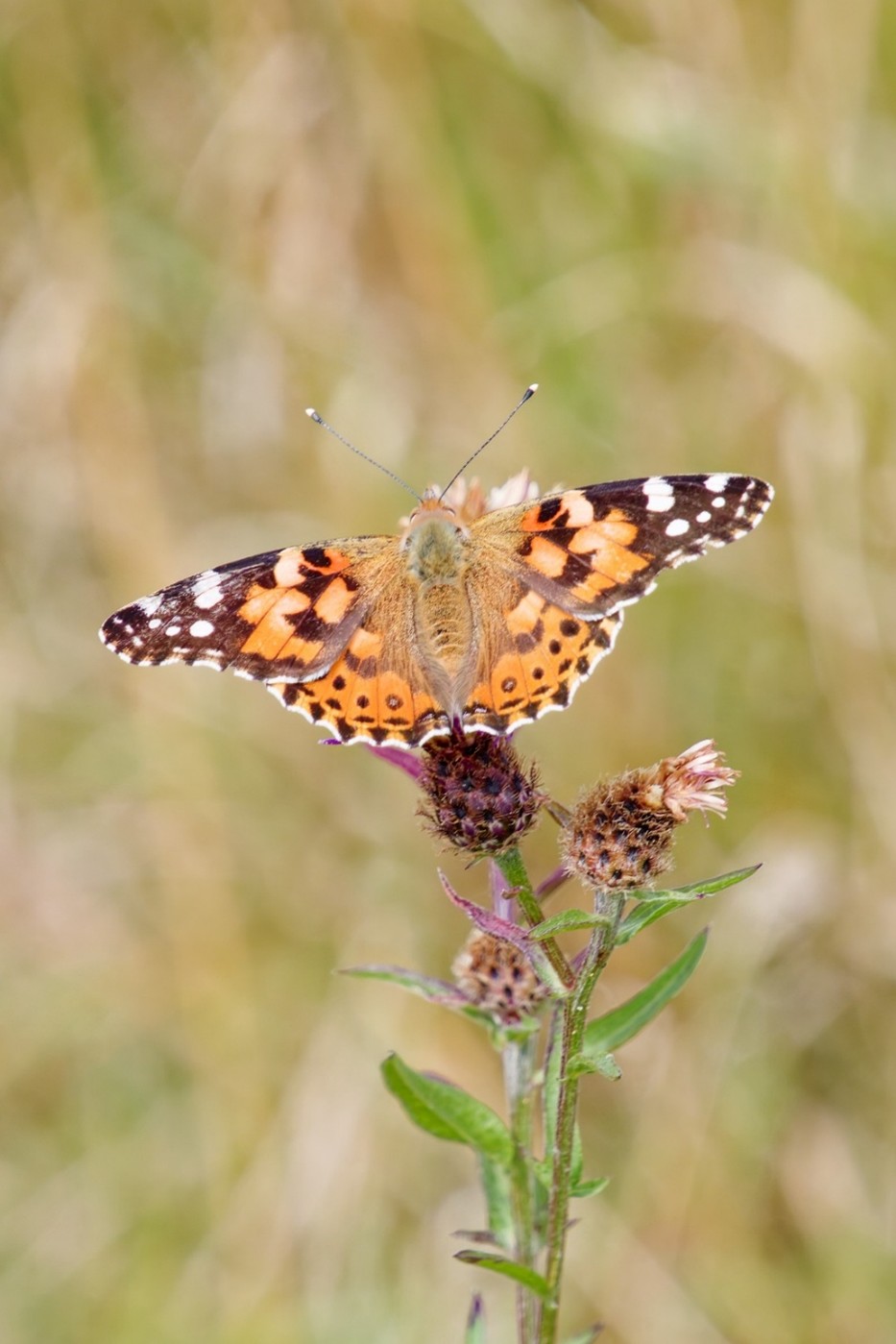
Painted Lady Vanessa cardui
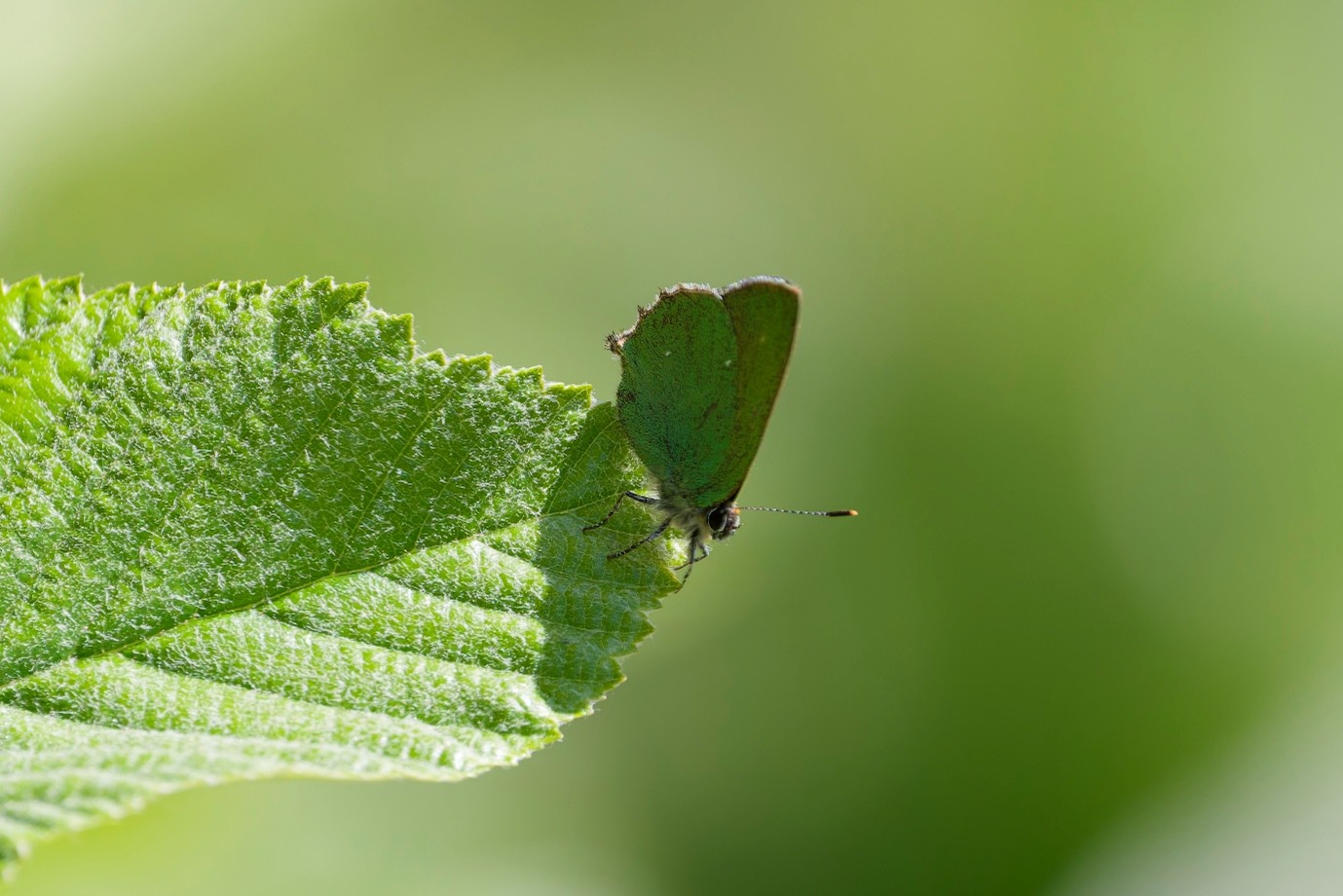
Green Hairstreak Callophrys rubi
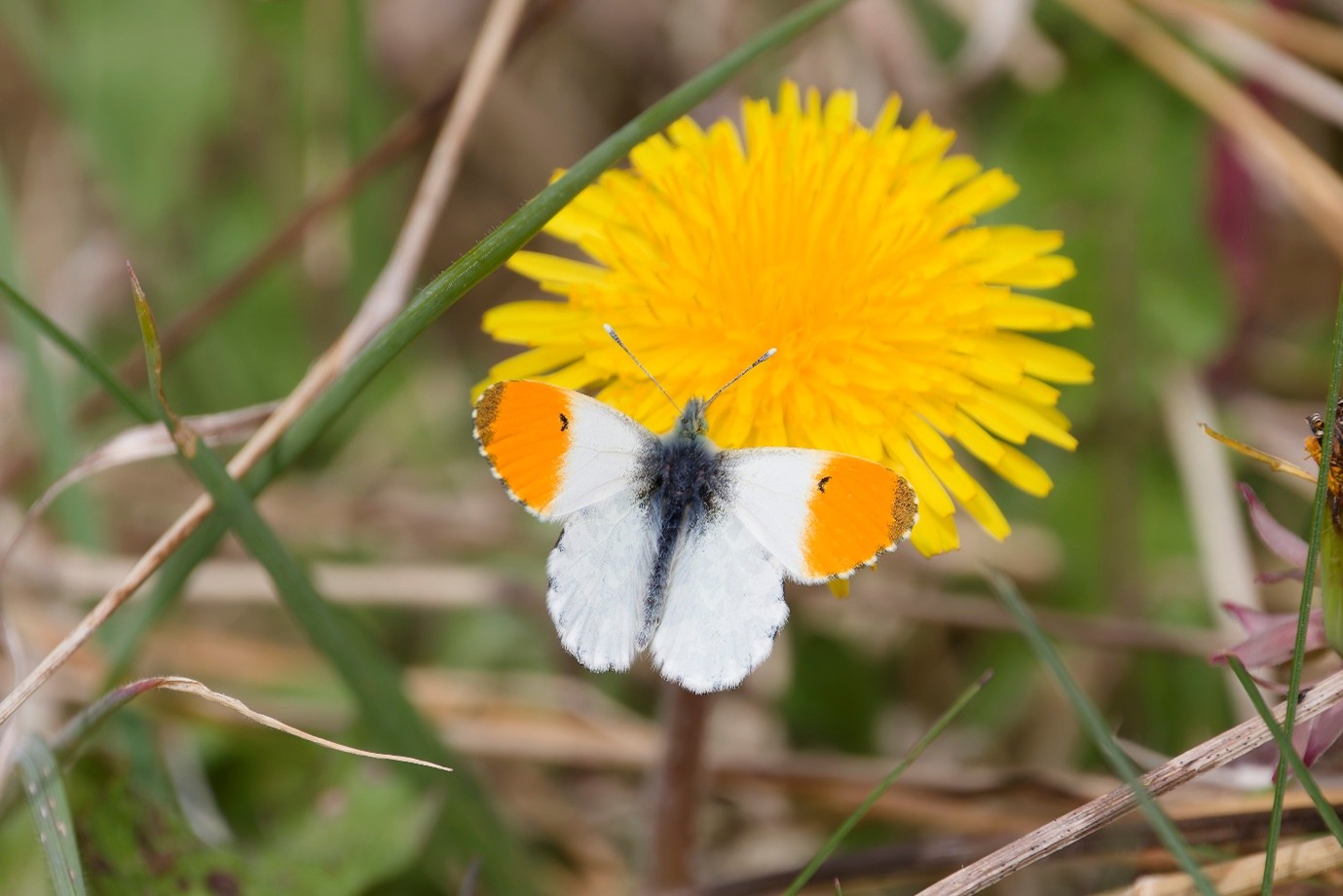
Orange-tip Anthocharis cardamines – male
SPECIES2022202320242025
Ringlet589413641515
Meadow Brown563596459281
Gatekeeper443468349527
Marbled White353464145291
Small Heath179201111192
Burnet Companion159545337
Small Tortoiseshell52864548
Large White5010936220
Latticed Heath39451523
Small White387041108
Large Skipper36301037
Common Blue35652070
Peacock29783235
Speckled Wood24525477
Comma2045922
Small Skipper191266442
Green-veined White16291029
Small Copper1316238
Holly Blue12534
Essex Skipper1147296
Red Admiral11511124
Six-Spot Burnet11181415
Narrow-B’d 5-spot Burnet106522
Green Hairstreak5605
Painted Lady51011
Shaded Broad-bar42062
Brimstone3642
Orange-tip3421645
Cinnabar3007
Mother Shipton2102
Hummingbird Hawk Moth1102
Silver Y04101
     
Total For Year2738315521942740
Species For Year33363132
Weeks Transect Missed*5114
*Due to Availability/Weather    
Species Comparison 2022 to 2025

As the end of the year approached preparations were made once again to see in the New Year, with volunteers and friends gathered at the top of Portway Hill at the stroke of midnight to watch the display of fireworks.

What does 2026 has in store for us. Will it be a repeat of 2025 with another dry summer, or will it turn out to be a wet year like 2024? We shall see.

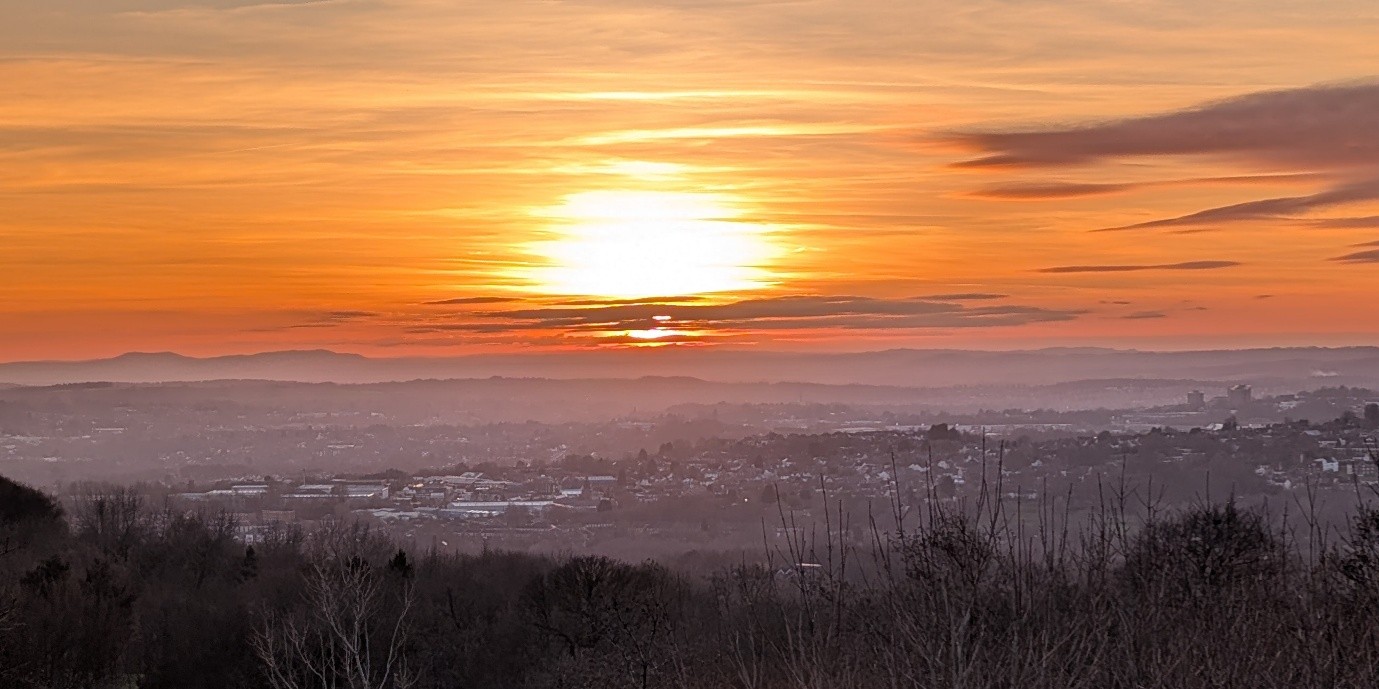
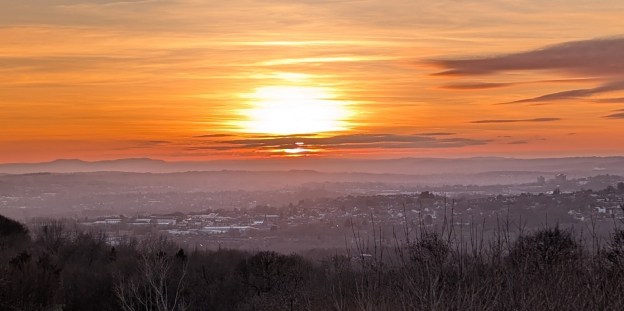
Winter views from Portway Hill and Darbys Hill

Rowley Hills – The first six months of 2024

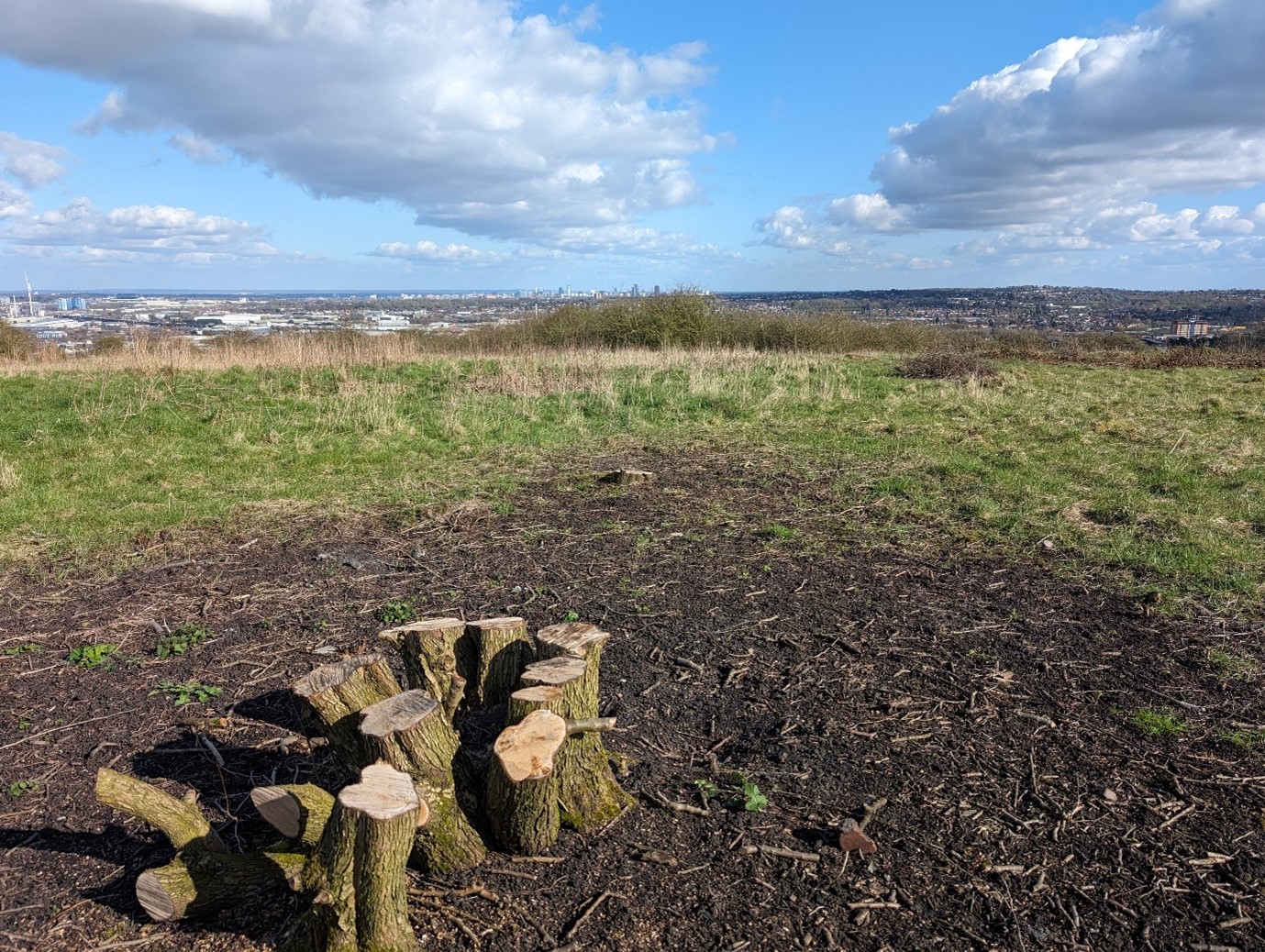
During the first three months of 2024 an extensive thicket of hawthorn near the top end of Portway Hill was cut down to ground-level to provide an uninterrupted view towards the Birmingham City centre skyline, and at the same time create more open space for colonisation by grasses and wildflowers. Since quarrying ceased here in the 1960s hawthorn and bramble have steadily increased to a point where the open grassland areas were reducing each year and without intervention the site would all turn to scrub.

Controlling the spread of hawthorn and bramble opening up the view towards Birmingham city centre

Excessive rain during spring left paths across the site waterlogged and in places virtually impassable. As the tracks dried out the Friends main task was making the public right of way and other well used paths across the site negotiable once again by clearing excessive vegetation growth which had grown over many of the paths.  

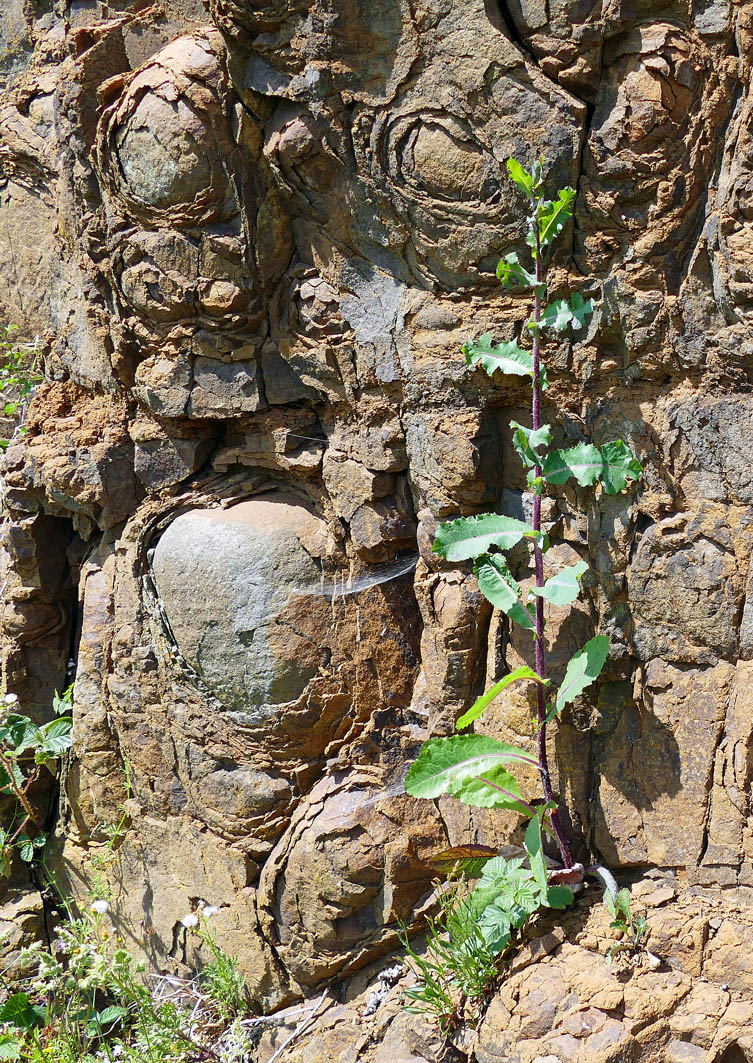
Volunteering days with the Wildlife Trust for Birmingham and the Black continued on the second Saturday and fourth Friday of each month, and on one of the Saturday meetings was held jointly with the Black Country Geological Society. On this occasion a way to a second section of rock-face was made and vegetation cut down to expose more of the Spheroidal Weathering and Columnar Jointing.

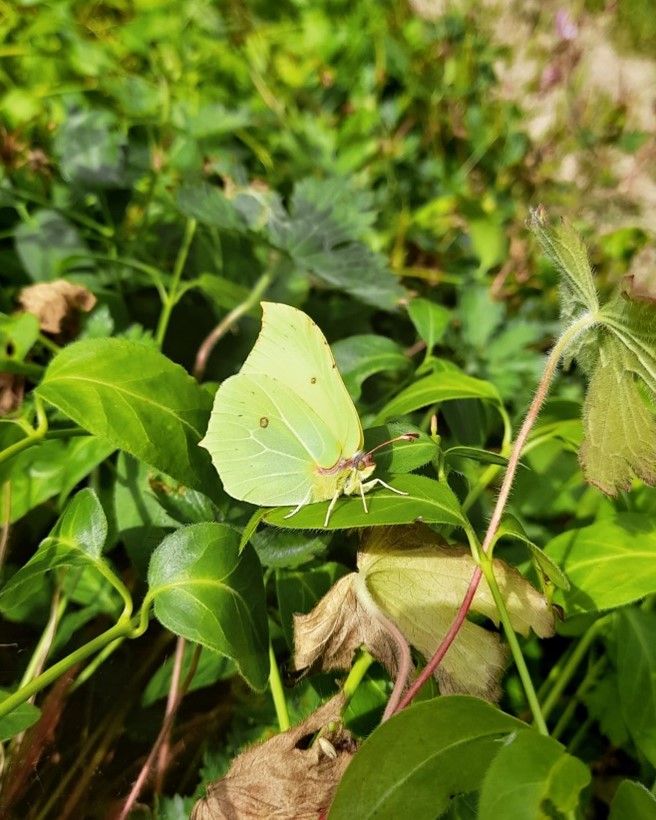
With so many wet and cold days with temperatures below the seasonal average, the impact this had had on butterfly numbers has been quite significant. However, on one of the few brighter days in April a Brimstone was seen flying across the Portway Hill site, and in early May, two Green Hairstreaks were recorded on the same day.

Brimstone – photographed by Sarah Nixon
 Green Hairstreak photographed by Dee Lau

Mowing of the grassland at Bury Hill Park is now managed sympathetically by Sandwell Council, with the sloping grassland down to the Birmingham New Road left mostly uncut through spring and summer, and only mowing the strip along the public right of way and the rectangular area near the top where football posts once stood on a regular basis. This uncut grassland has now become an extension to the Portway Hill site providing a further large expanse of open grassland. This year throughout May 1000s of Pignut s flowered profusely across the hillside turning parts of it white with their blossom. In years past day-flying Chimney Sweeper moths could often be seen on the steeper slopes where the mowers were unable to reach, and now with the grassland left mainly uncut, it is hoped that they will once again be seen, as the caterpillar’s food plant of this day-flying moths is the developing seed heads of Pignut. Badgers regularly forage in the grassland here too suggesting that Pignut tubers a few inches below the surface may be one of their food sources?  

Pignuts flowering in Bury Hill Park in May

On Dudley Golf Course and Oakham Riding School side of Rowley Hills local bird-watcher Nick Horton had a surprise on one of his walks. Has he passed the small pond at the side of the track leading onto Dudley Road, he watched a pair of Coots going in and out of the marginal vegetation, when suddenly a Water Rail appeared from the reedbed! This shy and retiring bird inhabits freshwater wetland but is rarely seen. However, it was only believed to be passing through on the way to its breeding area elsewhere.

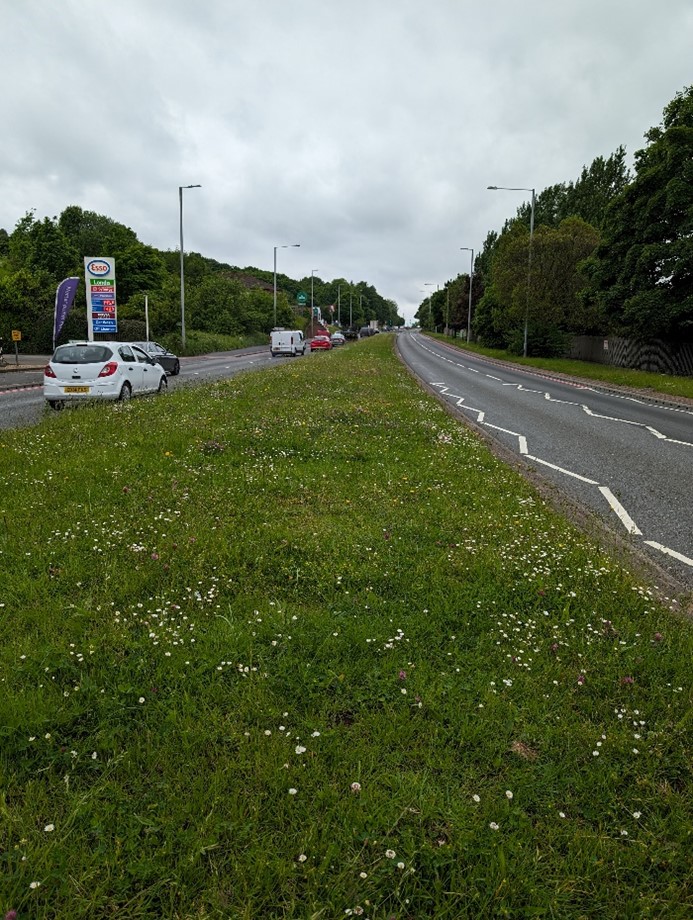
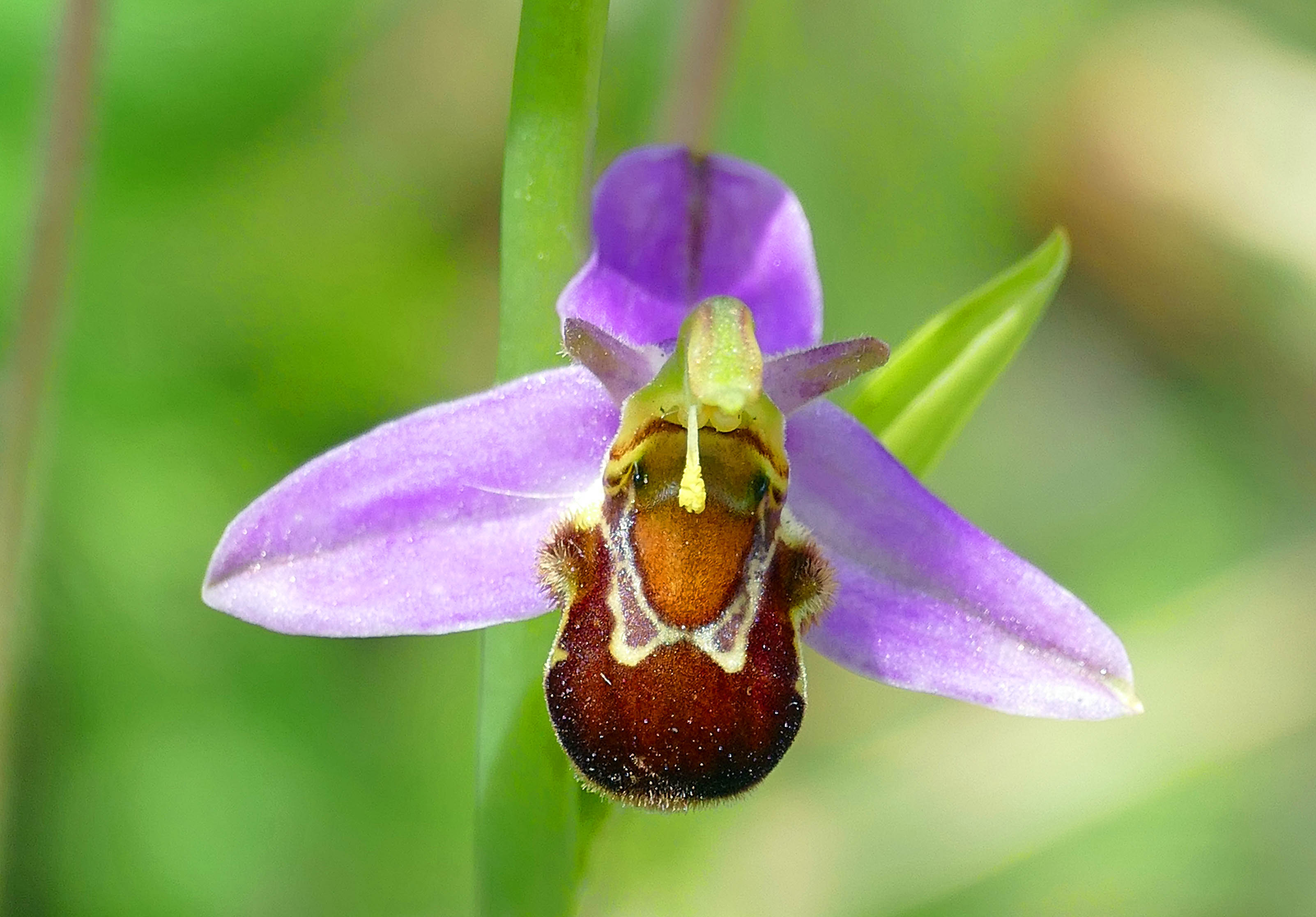
From late May and throughout June Bee Orchids can regularly be seen on Portway Hill and may be increasing, but finding one growing on the central reservation of Wolverhampton Road was unexpected. Unfortunately, less than a week after this photograph was taken the grassland strip was mown!

Bee Orchid on central reservation of Wolverhampton Road – 24 May

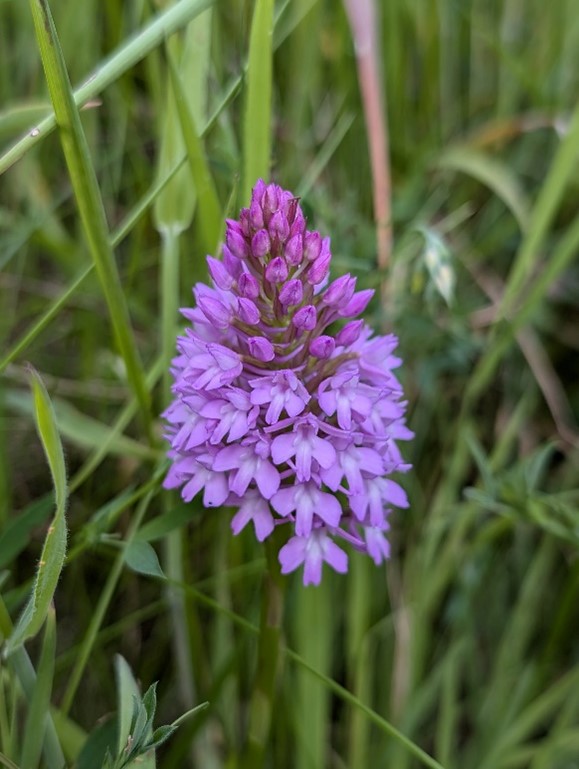
Another Orchid which appears to be on the increase is Pyramidal Orchid, here seen here seen in grassland near the top end of Portway Hill. A second location for this orchid on the hillside.

Pyramidal Orchid Anacamptis pyramidalis

Dudley Golf Club grounds were surveyed during June as part of work by the Wildlife Trust to restore and enhance wildlife habitats and connectivity across the landscape from Wrens Nest to Portway Hill. Several rarely encountered invertebrates and plants were recorded and a full species list will appear in the end of year review.

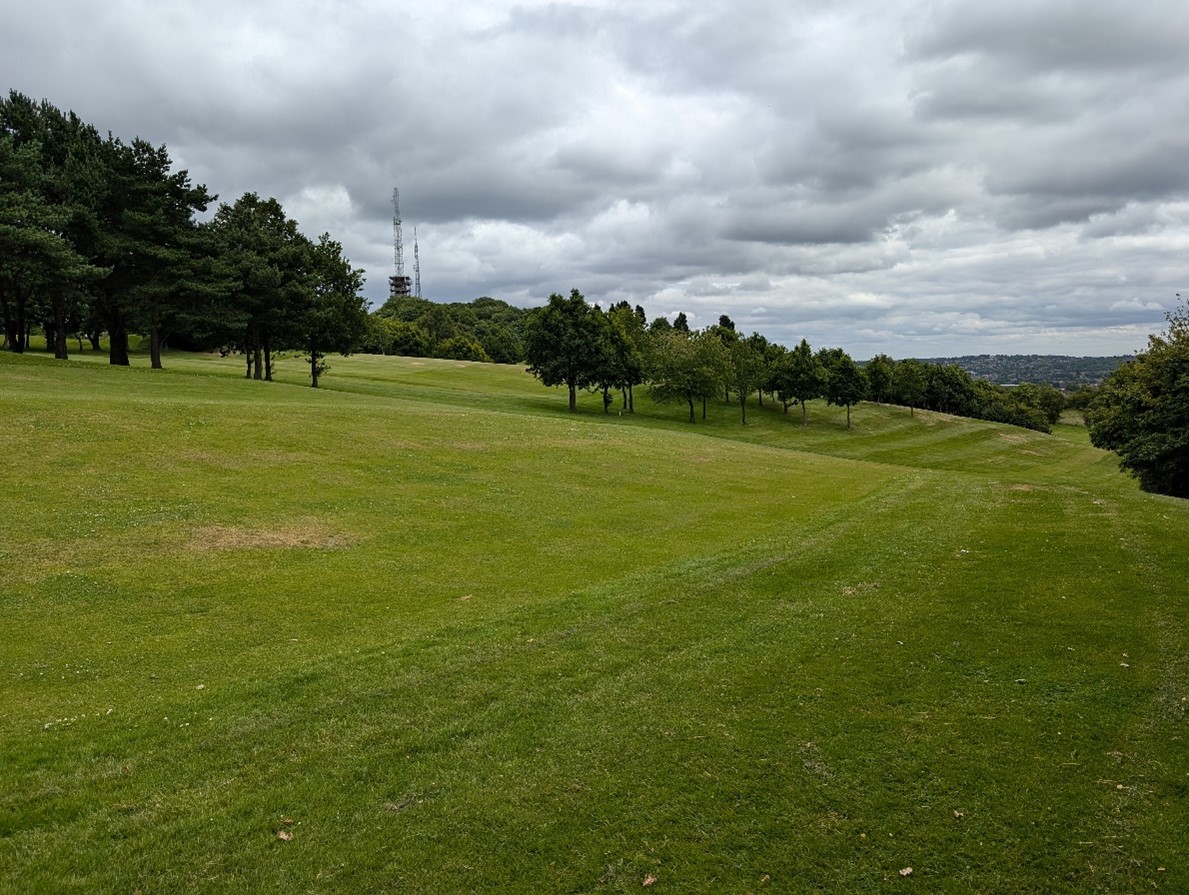
Dudley Golf Course looking west
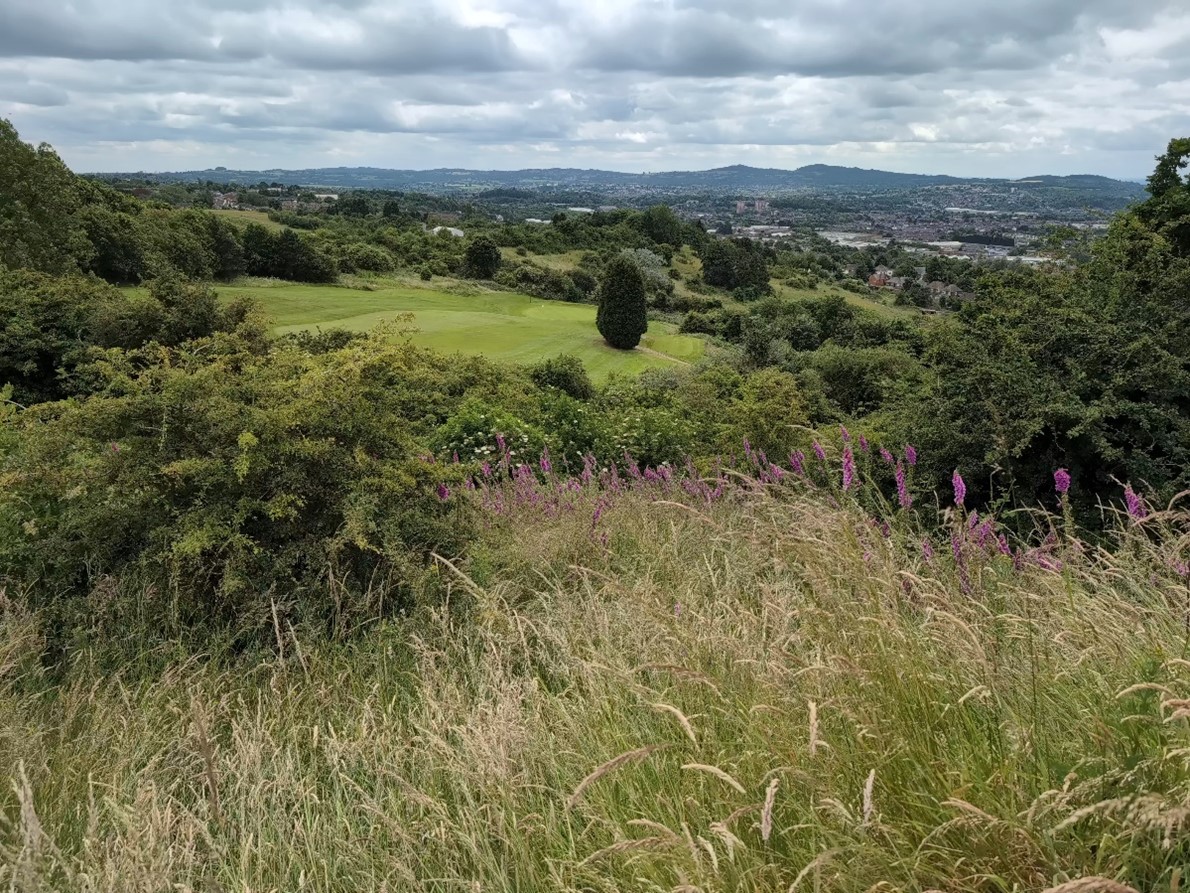
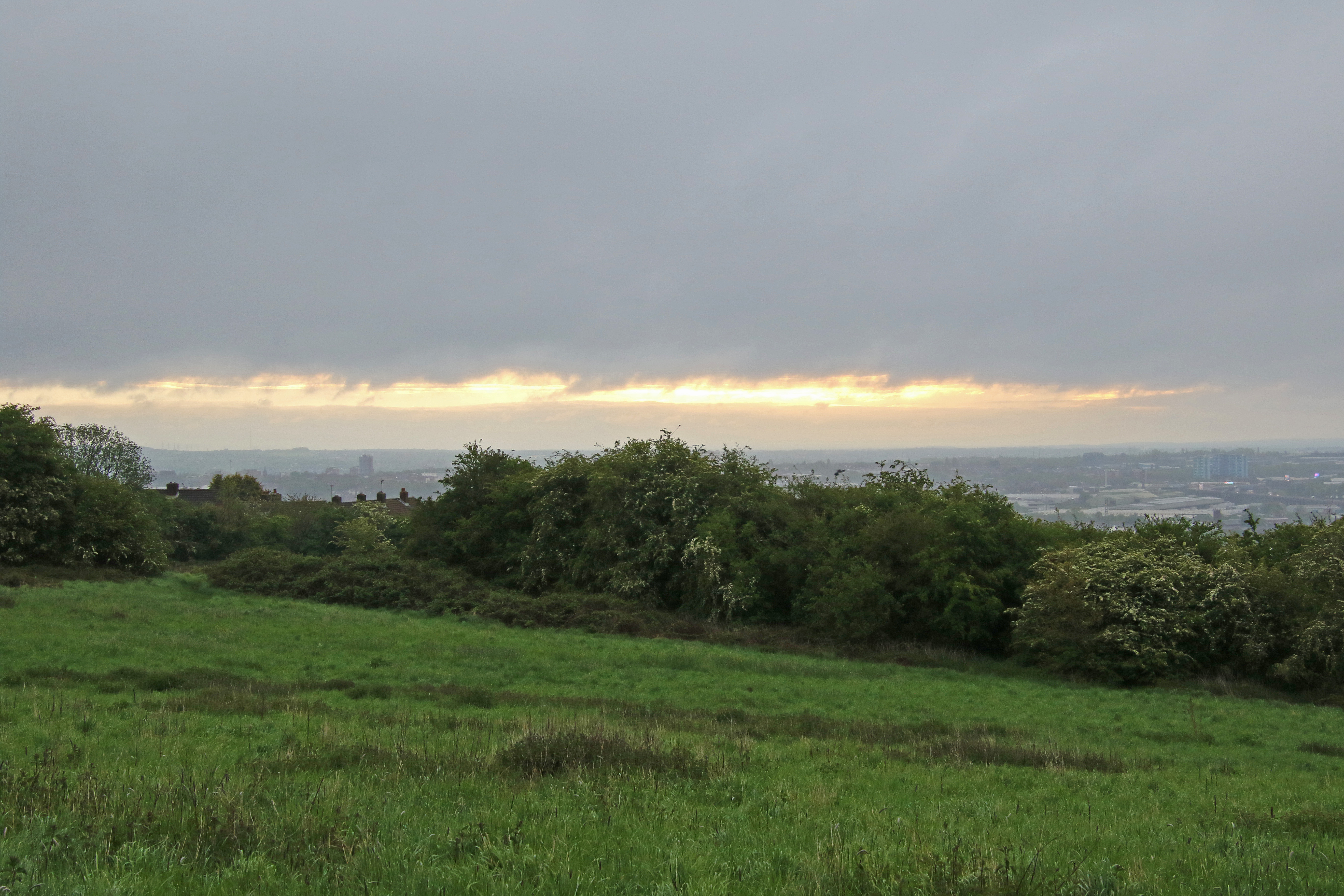
View from Dudley Golf Course
 

Join Birmingham and Black Country Wildlife Trust on Friday 23 August to discover wonderful wildlife and over 300million years of geological history on a walk across the Rowley Hills! There will be much to see and learn whilst enjoying some of the best views the Black Country has to offer! Book your free place now: bbcwildlife.org.uk/events/2024-08-23-wildlife-walk-rowley-hills

Photos from recent events

With lockdown restrictions easing, we’ve been lucky to be able to start holding events again on the hills. First up, here are a few photos from our dawn chorus walk last month when, although we had a good range of sightings, the conditions were not all that great for photography:

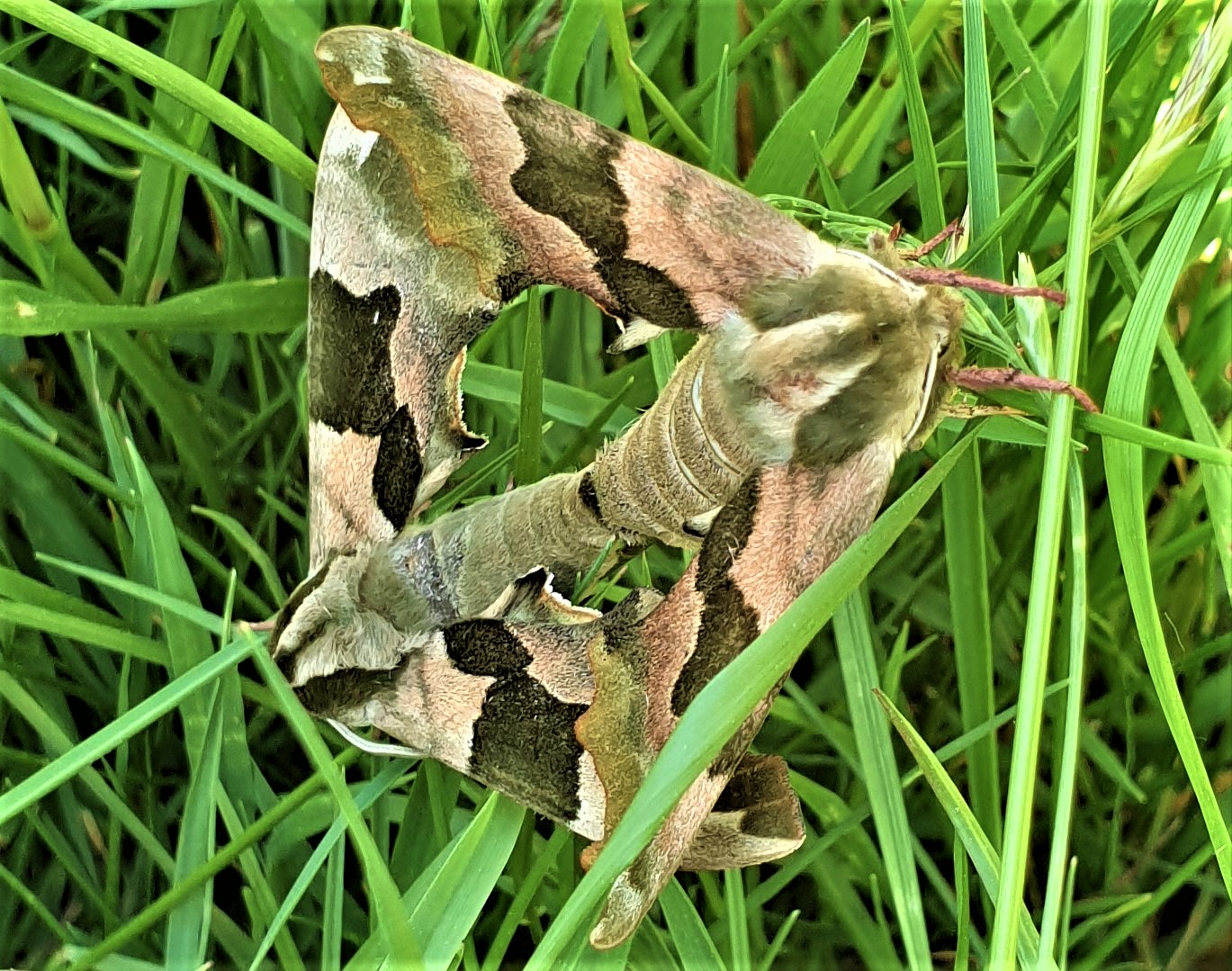
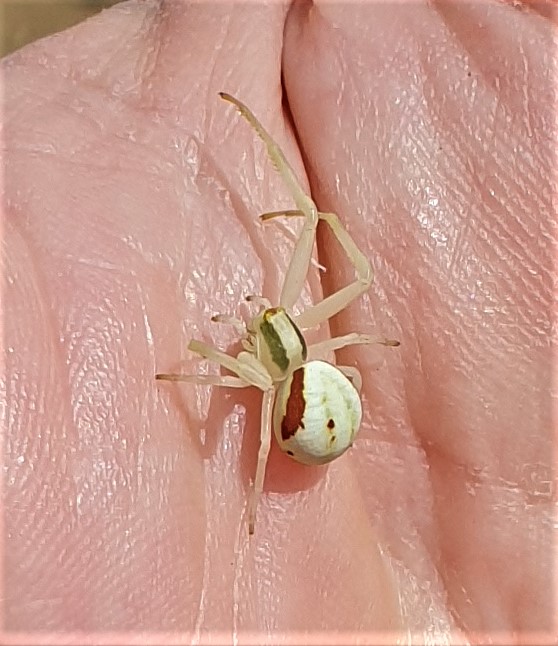
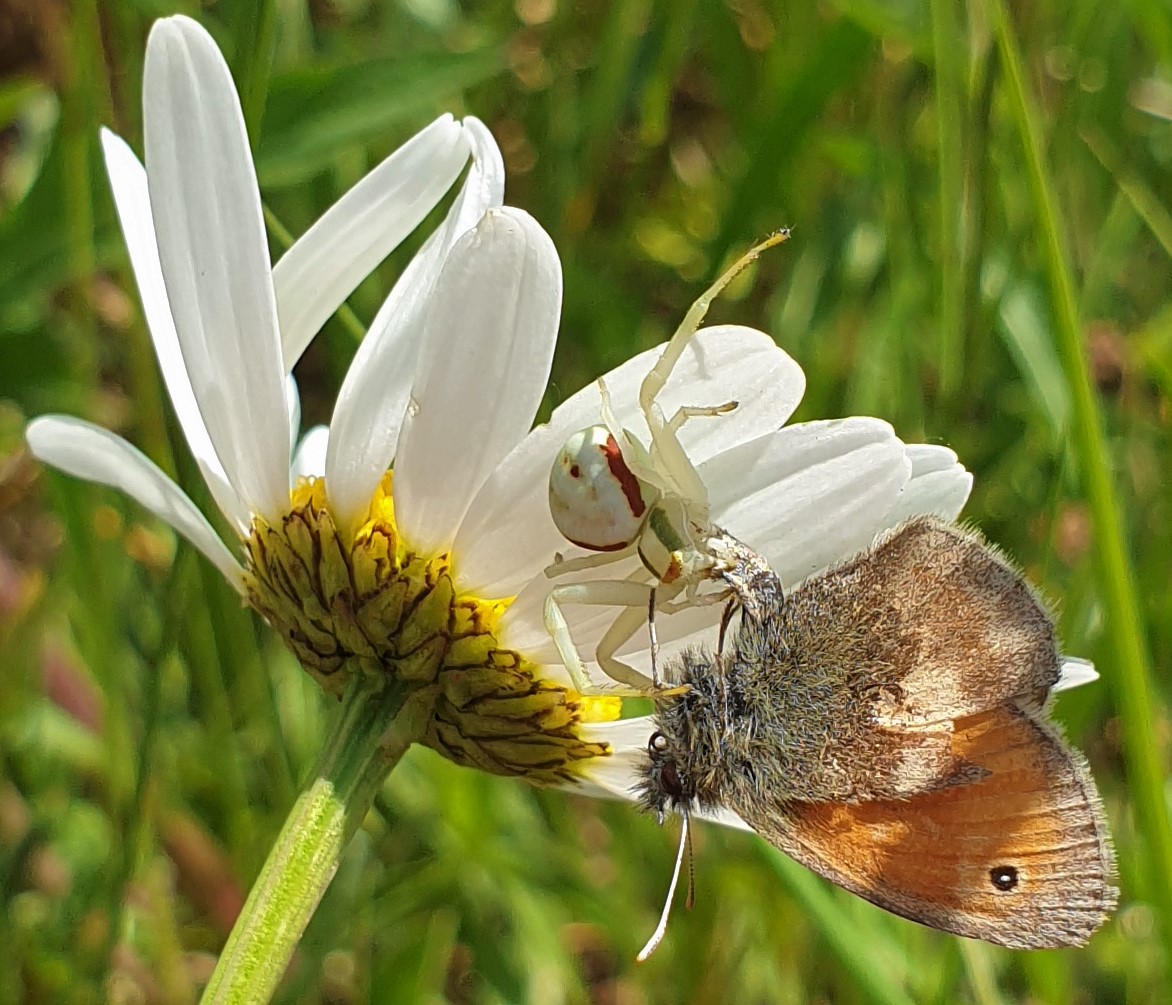
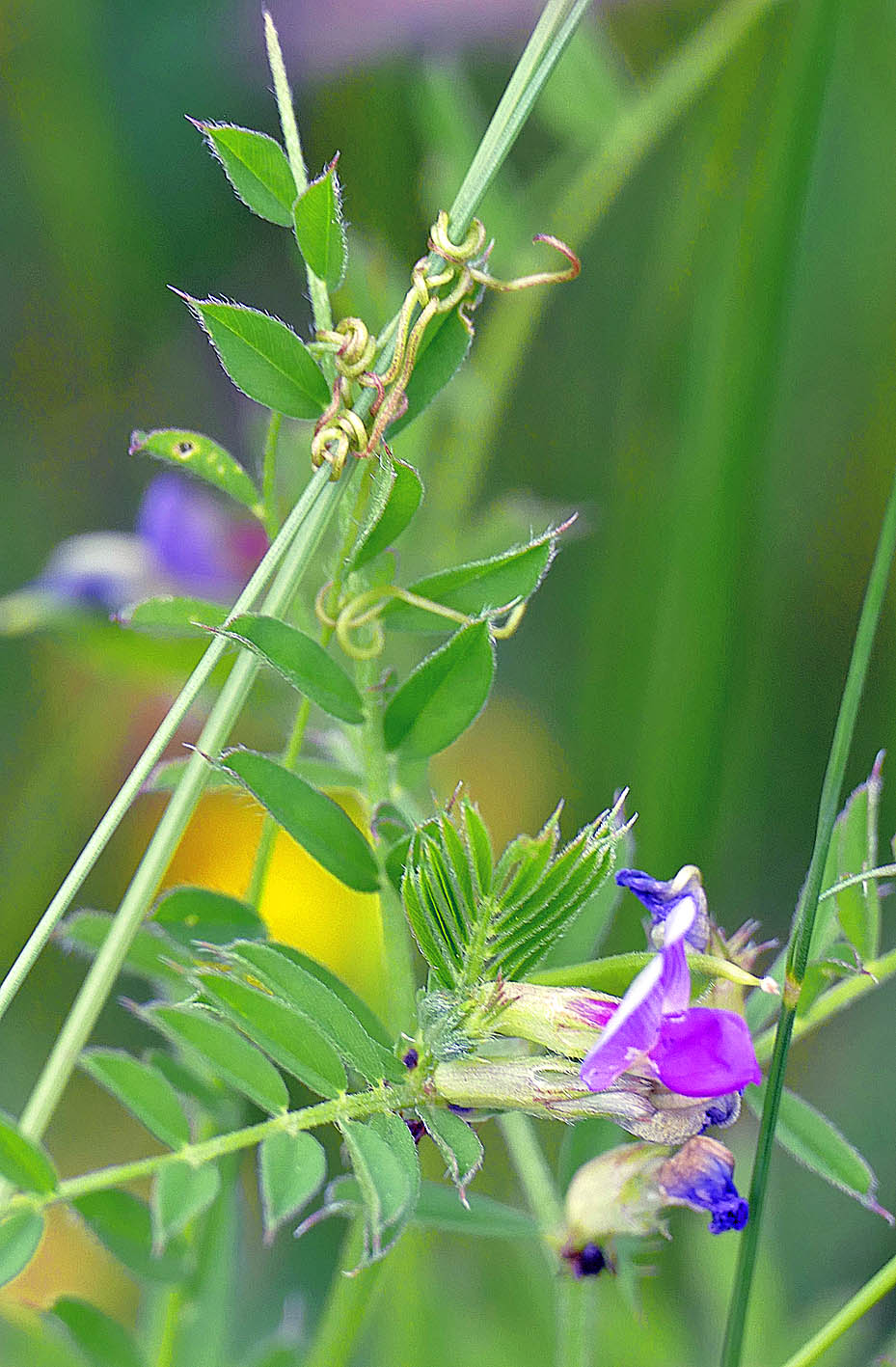
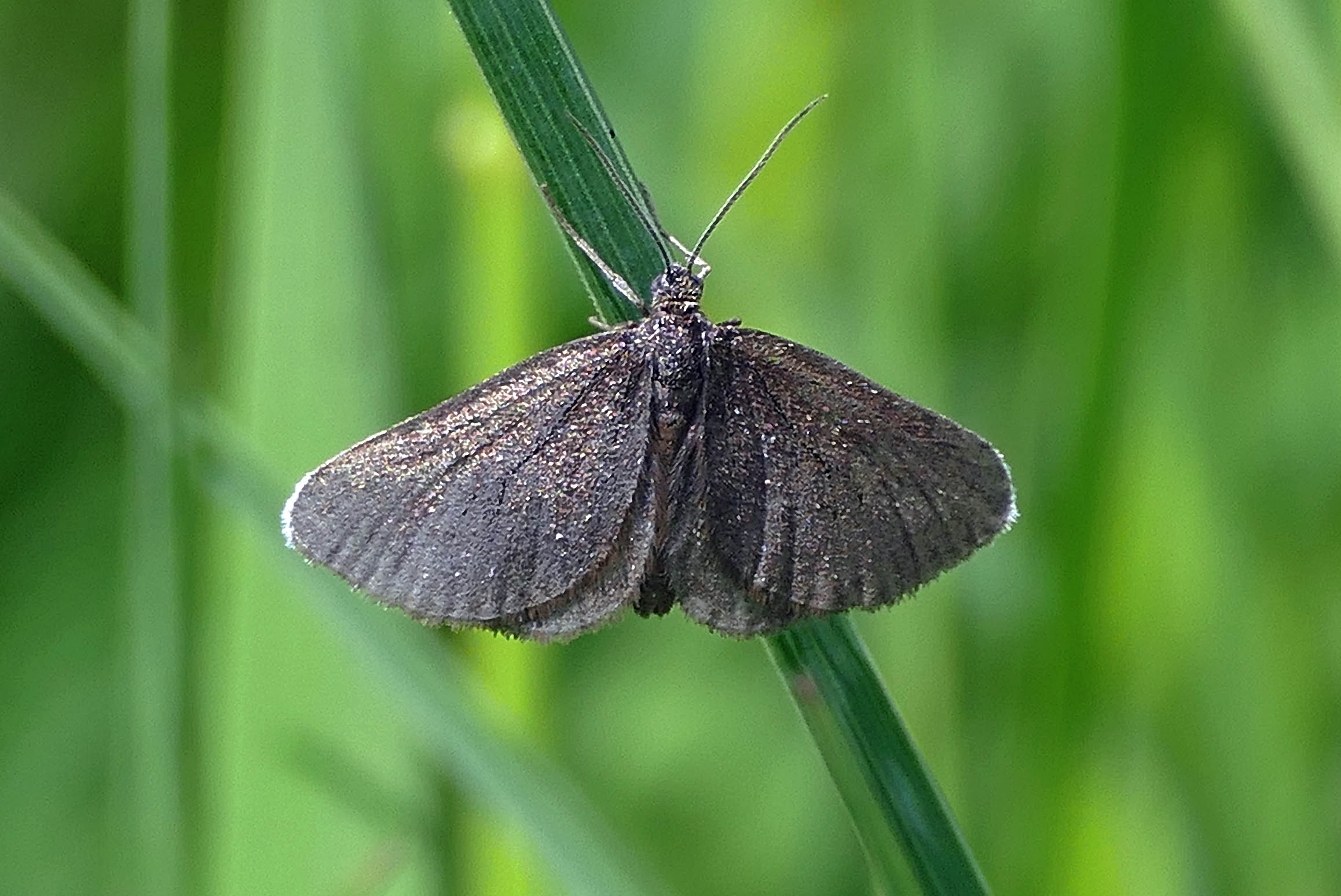
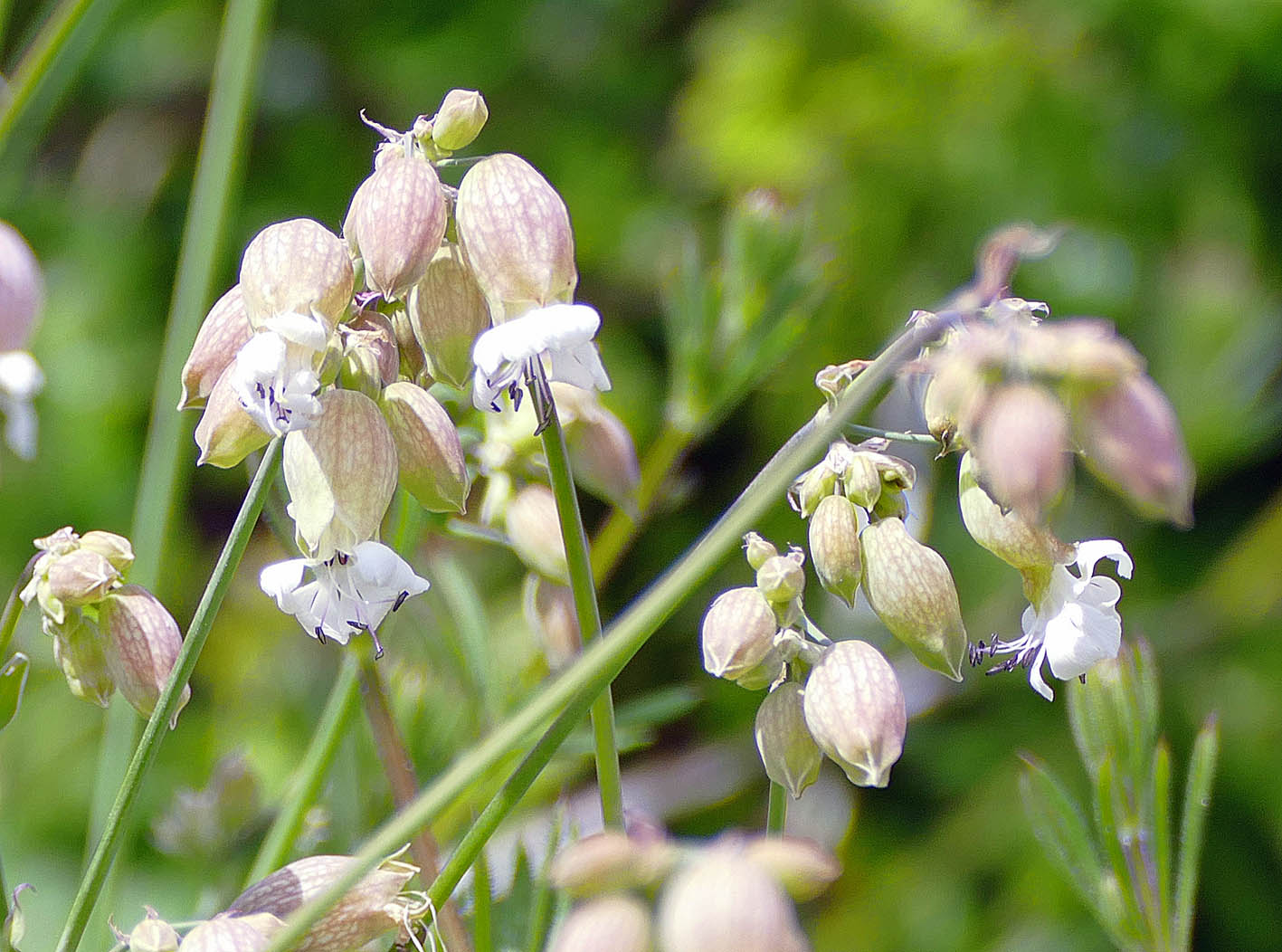
And here are many more photos from the Wildflower Society-funded identification event from this month, when conditions were a little more favourable for photography! We spotted many wildflowers and insects, with Flower Crab Spider and Lime Hawk-moth being new records for the site; the spider was only the 2nd record for Birmingham and the Black Country. This spider is spreading up from the south so be on the lookout for it in your area.

Fungal foray this Sunday!

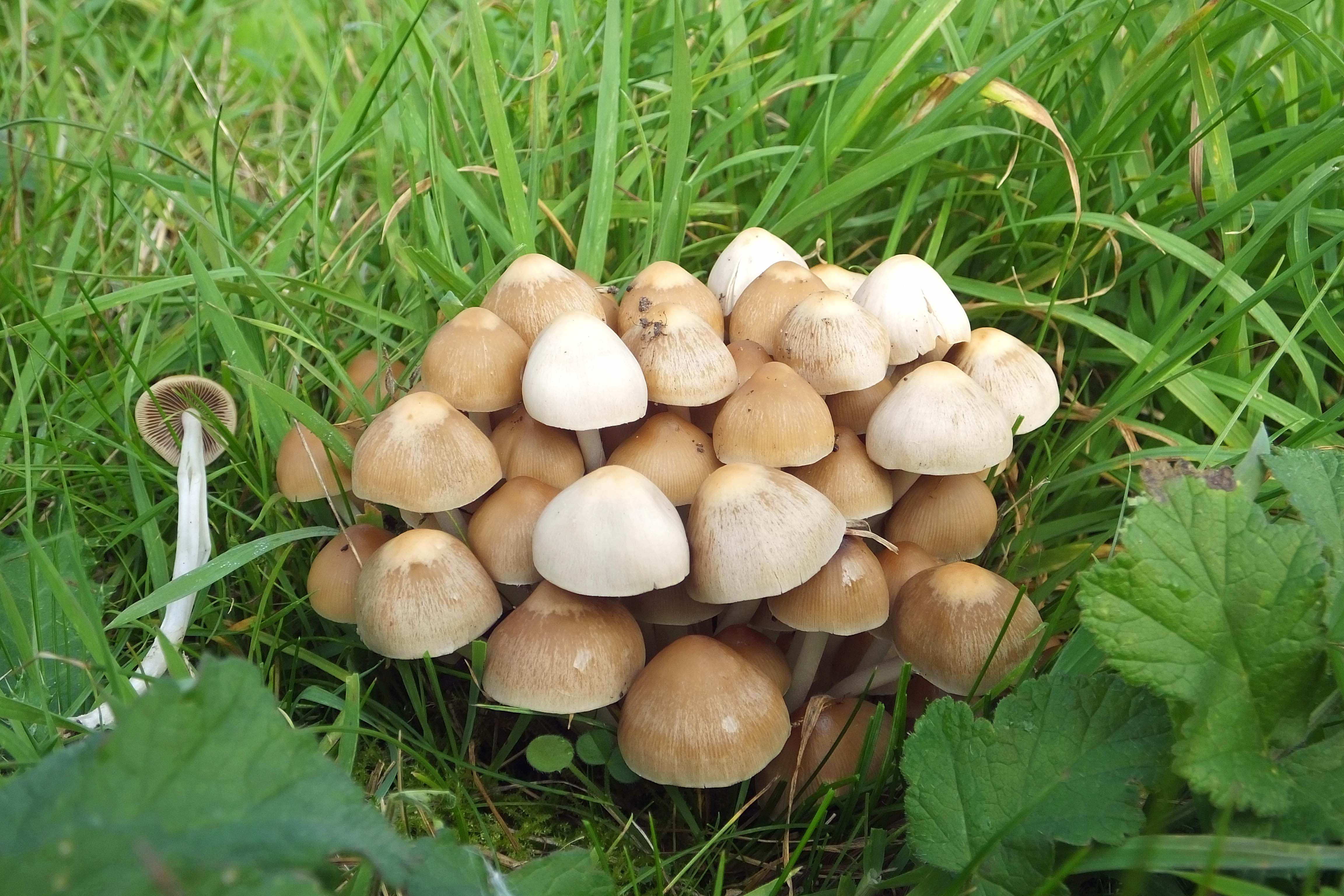
Join us for a Fungal Foray across Portway Hill this coming Sunday (27th October), 10:30am -1:30pm. The recent wet weather has brought out lots of colourful fungi in the hills and local fungi expert Lukas Large will be helping us to identify them. Meet at the entrance to Bury Hill Park on the A4123 Wolverhampton Road (grid ref. SO 97834 89474). We advise all those attending to wear sturdy footwear and outdoor clothing appropriate for the weather. Participants will need to be moderately fit as the walk involves some steep hills.

Clustered Brittlestem (Psathyrella multipedata) (image © Andrew Cook)


Portway Hill – Green Hairstreak Search, 25th May

On a dry and mostly sunny May morning, 27 wildlife enthusiasts assembled just inside the entrance to Bury Hill Park off the A4123 Wolverhampton Road in Oldbury, for our walk entitled ‘Portway Hill – Green Hairstreak Search’. The route planned initially involved the ascent of the grassy slope of Bury Hill Park, which at this time of year is dotted with numerous umbels of white Pignut flowers. Small numbers of Chimney Sweeper moths have been seen here in in the past but council grass-cutting restricts this moth to a few small areas where the tractor’s grass cutting blades are unable to reach. At the summit of Bury Hill Park the ground levels out and excellent views of the surrounding urban landscape can be seen. Once everyone had gathered together, we followed the path that descends into and through the oldest of the Portway Hill quarries dating back to the late 1700s. A Speckled Wood butterfly flew by, but despite a brief appearance by a brownish-coloured butterfly or moth that quickly disappeared into the dense vegetation, which we thought might have been a Green Hairstreak, nothing came of it.

This track eventually opens out onto the lower part of the land owned by the Wildlife Trust for Birmingham and the Black Country, known now as Rowley Hills Nature Reserve. The group by this time had split up into two, with the serious entomologists straggling behind searching the vegetation for insects which, on what was now turning into a very pleasant day, were becoming quite active. With such a knowledgeable group of people very little went unnoticed, and soon Dock Bug, Hairy Shieldbug and Bishop’s-mitre Shieldbug were found. Discovery of a plant bug with distinctive orange and black markings, black legs and black antennae by one of our group, was later confirmed by Ecorecord as new to Birmingham and the Back Country. Corizus hyoscyami, sometimes called the Cinnamon Bug or Black and Red Squash Bug was until quite recently only locally distributed in sandy habitats around the coasts of southern Britain, but for reasons unclear it is now rapidly extending its range to a variety of habitats inland.

Heading in a south-west direction the leading part of the group paused at the exposed cliff-face where spheroid shapes peel off in layers during weathering, and good examples of columnar jointing, caused by cracks which formed when the magma originally cooled and contracted, can be seen. It was here that a Green Hairstreak made an appearance, alighting on an Oxeye Daisy flower just long enough for two or three of the party to take a photograph. Soon it was gone and for those at the back, sadly they were not to see a Green Hairstreak, our main quarry, as no further sightings were made during the walk. We did however all get a good view of the Small Copper that obligingly settled on a nettle leaf in front of us. Not the freshest of specimens, with a piece missing from the top corner of one wing, but nonetheless always a pleasing little butterfly to encounter.

Onwards and upwards in the direction of the radio masts on top of Turner’s Hill, we passed the remains of the old double-hedgerow which at one time formed part of a track leading all the way up to Rowley Church, about a mile away. Eventually, having reached the expanse of grassland adjacent to Portway Hill at the highest point of the site, where Lye Cross Colliery once dominated the landscape, and of which sadly, no trace remains today, we looked out at a mosaic of rank grassland and flowery meadow. Ever since the land was levelled and graded with spoil from the old colliery days little has changed other than Hawthorn becoming more dominant. The overgrown Hawthorn hedges marking the old field boundaries shelter the grassland from the brunt of the cold and drying easterly winds, and in doing so provide a certain amount of protection for the many butterflies, day-flying moths and other invertebrates found here. A search of the grassland here revealed Common Blue and Small Heath butterflies, and Mother Shipton and Burnet Companion moths.

To complete our circular walk, we headed back downhill, this time taking the track on the southern side of the site, passing close to the back gardens of houses in Kennford and Wadham Close, and following the wide track along the ridge of the water-stressed banks overlooking Wallace Road, to finally exit the site near to the Total garage on Birmingham New Road. As we descended a Holly Blue was seen and a Brimstone flew swiftly by. Last year small Alder Buckthorns were planted here, with the hope that once they have established Brimstones might breed here.

Today’s visit had been very rewarding with nine different butterflies recorded; Brimstone, Common Blue, Green Hairstreak, Green-veined White, Holly Blue, Small Copper, Small Heath, Small Tortoiseshell, Speckled Wood, and also the larvae of Orange-tip butterfly on the two main foodplants of this butterfly, Lady’s Smock and Hedge-garlic.

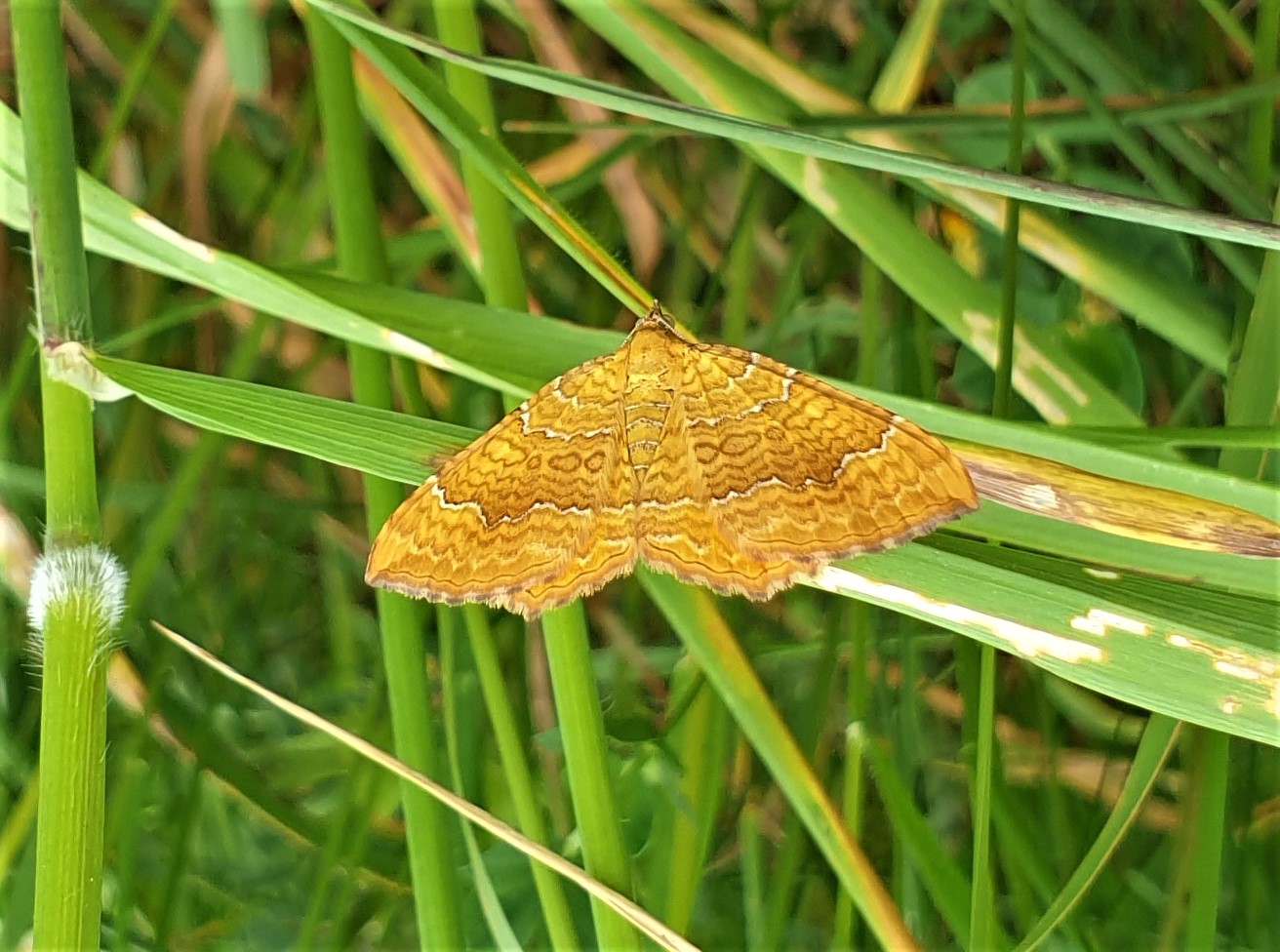
Several moths were also seen today, Angle Shades, Burnet Companion, Cinnabar, Mother Shipton, Small Magpie, and two micro-moths, Ruddy Streak, and Cranbus lathoniellis. Additionally, both larvae and their papery cocoons attached to grass stems of Narrow-bordered Five-spot Burnet and possibly Six-spot Burnet moths were seen in places.

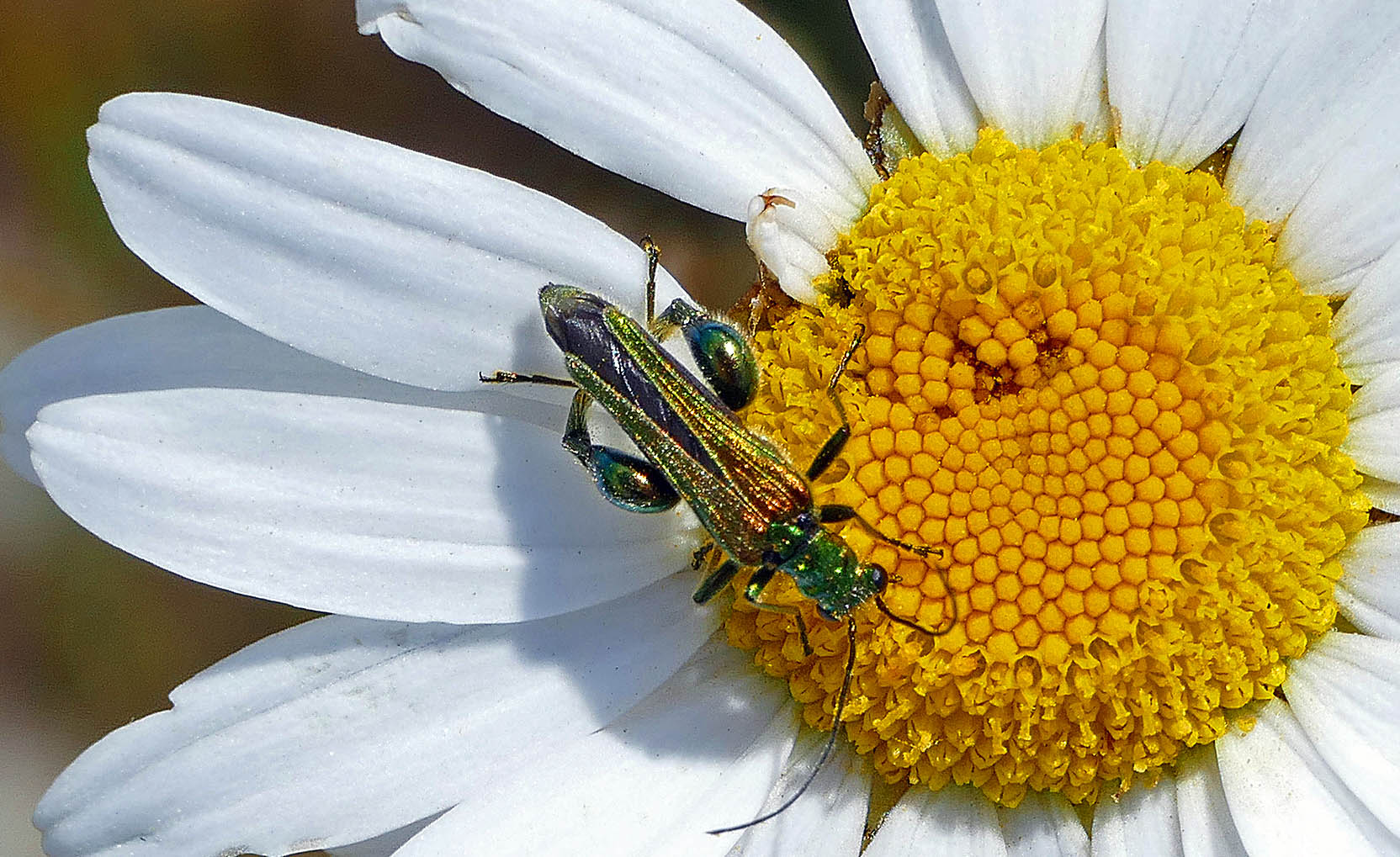
As to be expected, many other invertebrates were also seen. Harlequin Ladybird, 7-spot ladybird, 14-spot ladybird, 16-spot Ladybird, 24-spot Ladybird, Violet Ground Beetle, Umbellifer Longhorn Beetle, Thick-legged Flower Beetle, Cardinal Beetle, Common Red-legged Robberfly, Batman Hoverfly, Grey-backed Snout-hoverfly, Thick-legged Hoverfly, Barred Ant-hill Hoverfly, Empis tessellata, Tipula luna, Dock Bug, Bishop’s Mitre Shieldbug, Hairy Shieldbug, Tawny Mining-bee, Ashy Mining-bee, Red-tailed Mining-bee, Honey Bee, Tree Bumblebee, Red-tailed Bumblebee, Common Carder Bee, Early Bumblebee, Buff-tailed Bumblebee, Orange-legged Furrow-bee, Buathra laborator, Yellow Meadow Ant, Azure Damselfly and Common Blue Damselfly.

Two new additions to the floral list for Portway Hill SINC were also made today, Spotted Medick Medicago arabica and Round-leaved Crane’s-bill Geranium rotundifolium.


Early morning bird walk on the Rowley Hills

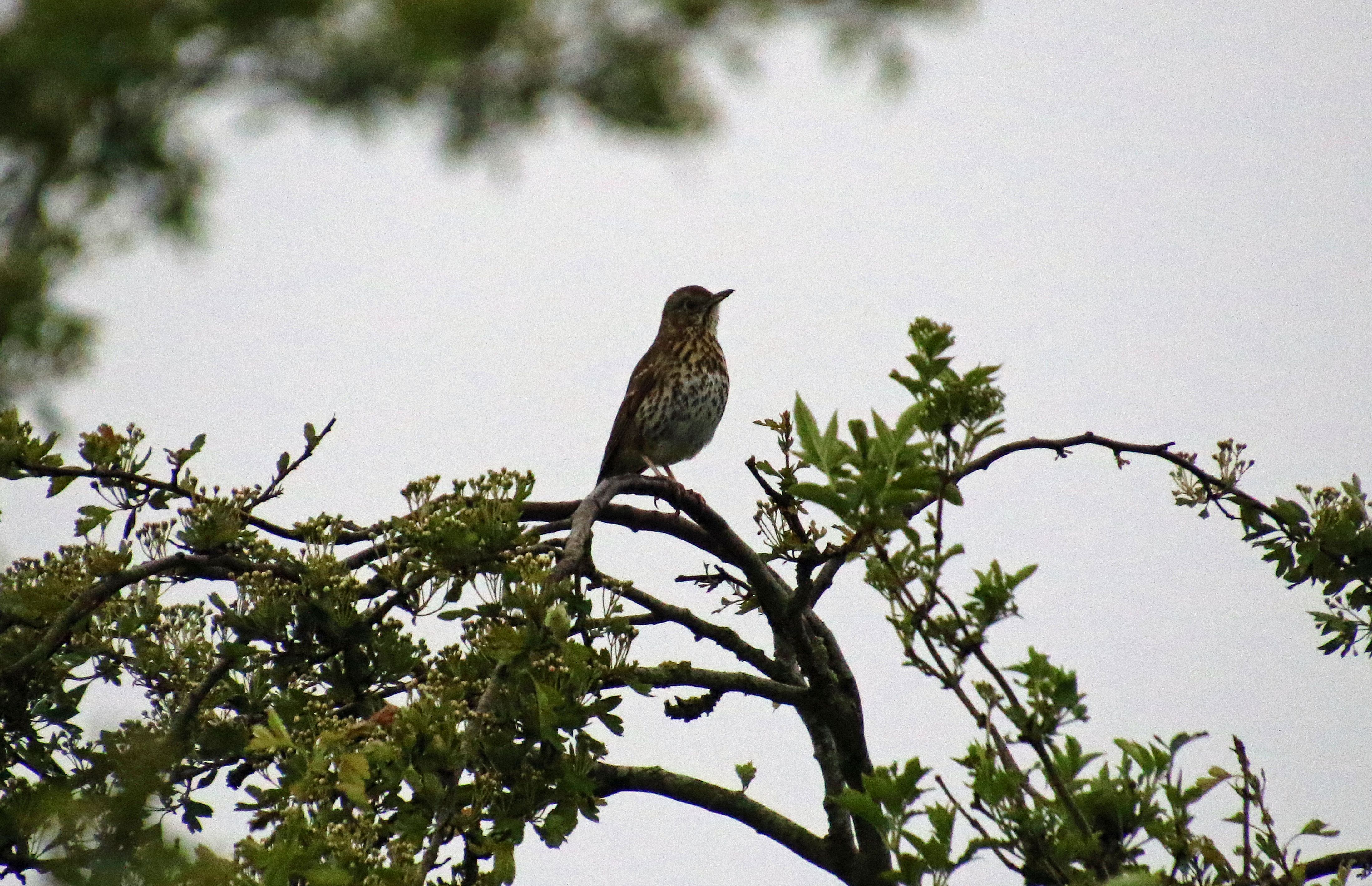
Once again, our annual early morning bird watching walk led by local expert Nick Horton did not disappoint. Following an introductory talk, in which he informed us of what birds we should particularly be looking out for at this time of the year, we headed onto the hillside, taking the track leading through the old quarries excavated back in the 1700s which opens out onto the site of Blue Rock Quarry landfill. As we walked through the canyon, bird calls were evident, and we heard or saw in this area Chiffchaff, Blackbird, Woodpigeon, Song Thrush, Carrion Crow, Magpie, Great Tit, Blue Tit and Dunnock. Once out in the open, those who had them trained their binoculars on the dense patches of bramble and it wasn’t too long before Whitethroat and Lesser Whitethroat were spotted. It’s hard to believe that these tiny birds have in the past few weeks flown all the way from Africa to breed here, and in the next three months will raise their young and then both adults and juveniles will fly off to Africa to spend the winter in sunnier climes. Those that survive this mammoth journey will be back next year and the cycle will continue. Both species are relatively frequent up here on Portway Hill and Nick informed us that this was the best site he knew where both birds could reliably be seen at this time of the year.

Moving on further up the hillside in the direction of the masts, more birds were added to our ever-increasing list – Robin, Chaffinch, Goldfinch, Bullfinch, Chaffinch, Green Woodpecker, Coal Tit, Long-tailed Tit, Wren, a Peregrine, and possibly a fleeting glimpse of a Linnet as it flew off.

As we headed up towards the golf course, crossing Portway Hill, a Sparrowhawk flew quickly by. There was too much human activity on the golf course by this time so from here we turned back, crossed Portway Hill and returned along the track, skirting back gardens in Lye Cross Road where House Sparrow and Goldfinch were added to the list.

Our walk ended shortly after this and Nick was thanked for providing us with his expertise which always makes this early morning walk so much more rewarding. As he walked back home, he reported later that a Buzzard and a Heron had flown over.

The total of different birds either seen or heard in the three hours we were out was an impressive 27, showing just how important the open spaces of the Rowley Hills are for our wild birds.

‘Looking Back’ walk

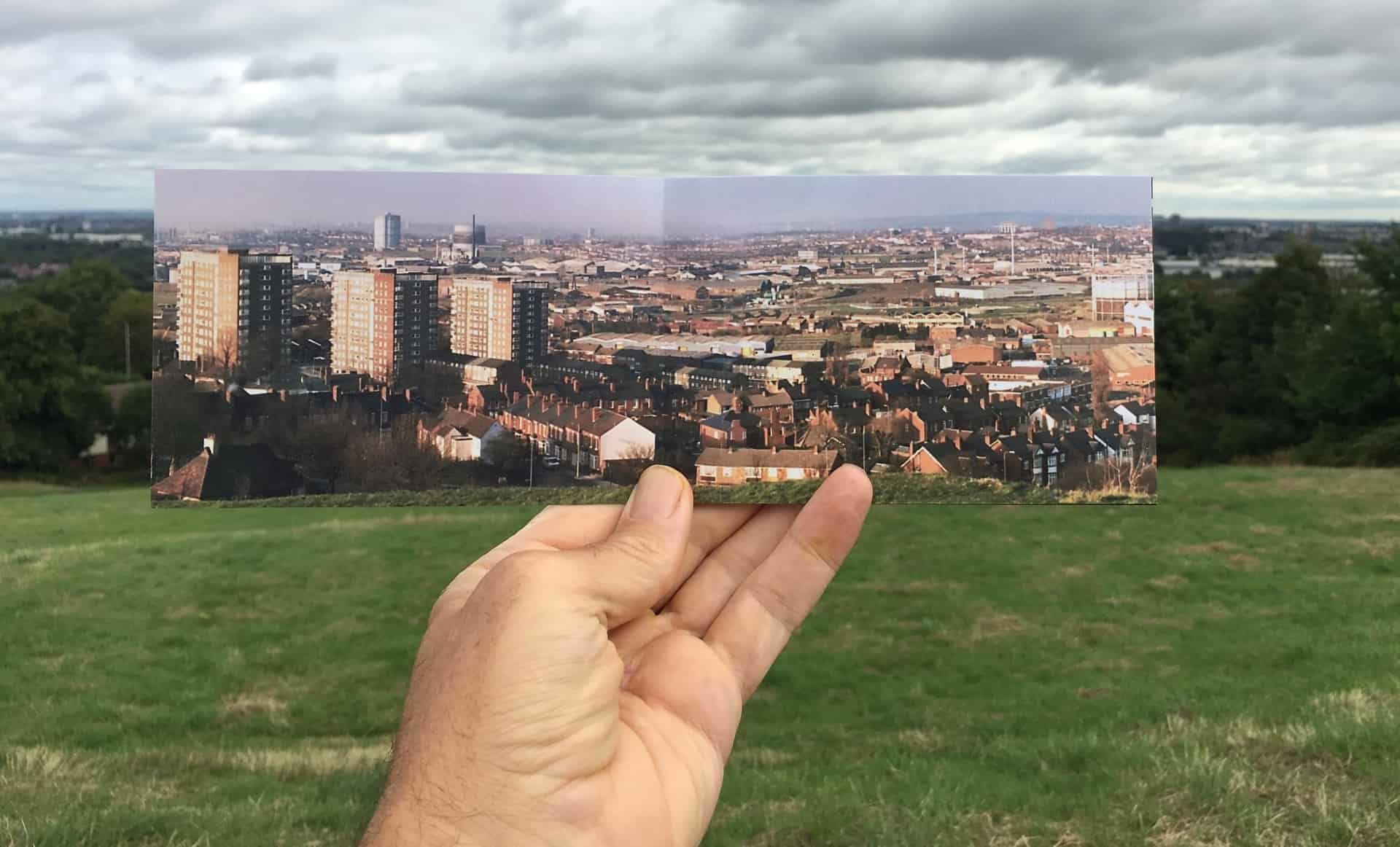
Not to be put off by the cold easterly wind, those who attended the ‘Looking Back’ walk with Jim Rippin across the Portway Hill site on Saturday 13th April had a great time. To mark the occasion Jim brought along a special edition booklet containing some of his and others’ old photographs. Two of the photographs taken from his booklet (see below) show the entrance to Bury Hill Park as it was, prior to, and just after the A4123 Wolverhampton Road was cut through in 1927. It’s interesting to note that the terrace houses of Bury Hill Road in the middle of the first photograph and to the left in the second photograph are still there today.

Don’t forget that we have our Dawn Chorus walk this Monday 6th May, starting at 7:00am. Join local bird expert Nick Horton for a walk around the Portway Hill site; in December Nick spotted a Red Kite on two separate occasions over Turners/Portway Hill and watched crows mobbing a Raven. We will also be on the lookout for Whitethroat, Lesser Whitethroat, Peregrine, Buzzard, Sparrowhawk and Kestrel, all birds regularly seen on the hillside. Wear sturdy footwear and dress appropriately for the early morning weather conditions. Meet on St Brades Close at the junction with Tower Road.

Looking Back: Walk 2. A guided walk over Rowley Hills with archive photographs

Led by Jim Rippin and Mike Poulton and in partnership with the Friends of Rowley Hills10.00am – 13.00pm, April 13 2019 

Join us for the second guided walk based on archive photos and stories from around the Rowley Hills. Jim and Mike’s carefully designed walk invites us to see the area in new and fascinating ways and reflect on the many changes that have taken place over the last 60 years. Come along and share your own views, photographs, and experiences of this iconic area.

Cost: £6 (all proceeds go to the Friends of Rowley Hills).

A special edition booklet will be available for an additional fee.
No need to book – assemble at the entrance to Bury Hill Park (adjacent to the Wolverhampton New Road and opposite Bury Hill Road) at 9.45 am.

Please wear sturdy footwear and bring appropriate clothing for changeable spring weather. We are sorry but the route is not suitable for wheelchair users. The terrain is at times undulating and possibly muddy in places.

For more information call 0121 559 4886 or visit https://livingmemory.live.
2019 dates for your diary

We’ve added the first batch of events for 2019 to our Events page – see also below:

  • Conservation volunteer day, Portway Hill, Saturday 19th January 2019, 10:00am – 3:00pm. Join the Wildlife Trust for Birmingham & the Black Country at Portway Hill for a fun day out meeting new people, helping the environment and learning new skills. Meet on St Brades Close; ensure you are dressed appropriately for the forecast weather conditions, and wear sturdy footwear. You will need to bring along a packed lunch but tea, coffee and biscuits will be provided. No need to book, just turn up!
  • Conservation volunteer day, Portway Hill, Friday 1st February 2019, 10:00am – 3:00pm. Join the Wildlife Trust for Birmingham & the Black Country at Portway Hill for a fun day out meeting new people, helping the environment and learning new skills. Meet on St Brades Close; ensure you are dressed appropriately for the forecast weather conditions, and wear sturdy footwear. You will need to bring along a packed lunch but tea, coffee and biscuits will be provided. No need to book, just turn up!
  • Conservation volunteer day, Portway Hill, Saturday 16th February 2019, 10:00am – 3:00pm. Join the Wildlife Trust for Birmingham & the Black Country at Portway Hill for a fun day out meeting new people, helping the environment and learning new skills. Meet on St Brades Close; ensure you are dressed appropriately for the forecast weather conditions, and wear sturdy footwear. You will need to bring along a packed lunch but tea, coffee and biscuits will be provided. No need to book, just turn up!
  • Conservation volunteer day, Portway Hill, Friday 1st March 2019, 10:00am – 3:00pm. Join the Wildlife Trust for Birmingham & the Black Country at Portway Hill for a fun day out meeting new people, helping the environment and learning new skills. Meet on St Brades Close; ensure you are dressed appropriately for the forecast weather conditions, and wear sturdy footwear. You will need to bring along a packed lunch but tea, coffee and biscuits will be provided. No need to book, just turn up!
  • Conservation volunteer day, Portway Hill, Saturday 16th March 2019, 10:00am – 3:00pm. Join the Wildlife Trust for Birmingham & the Black Country at Portway Hill for a fun day out meeting new people, helping the environment and learning new skills. Meet on St Brades Close; ensure you are dressed appropriately for the forecast weather conditions, and wear sturdy footwear. You will need to bring along a packed lunch but tea, coffee and biscuits will be provided. No need to book, just turn up!
  • Conservation volunteer day, Portway Hill, Friday 5th April 2019, 10:00am – 3:00pm. Join the Wildlife Trust for Birmingham & the Black Country at Portway Hill for a fun day out meeting new people, helping the environment and learning new skills. Meet on St Brades Close; ensure you are dressed appropriately for the forecast weather conditions, and wear sturdy footwear. You will need to bring along a packed lunch but tea, coffee and biscuits will be provided. No need to book, just turn up!
  • ‘Looking Back’ walk led by Jim Rippin and Mike Poulton, Saturday 13th April 2019, 10:00am – 1:00pm. Meet at the entrance to Bury Hill Park. Cost £6 payable on the day (all proceeds go to the Friends of Rowley Hills). A guided walk-and-talk over the Rowley Hills with archive photographs. Following on from our very successful ‘Looking Back’ walk in September 2018 by popular request we have decided to repeat the event again this spring. This is a specially designed guided walk-and-talk based around a series of remarkable photographs taken by Jim Rippin over the last 70 years. The walk will invite us to see the area in new and fascinating ways, helping us to reflect on the many changes that have taken place within living memory. Souvenir booklets with old photographs will also be available to purchase on the day.
  • Conservation volunteer day, Portway Hill, Saturday 20th April 2019, 10:00am – 3:00pm. Join the Wildlife Trust for Birmingham & the Black Country at Portway Hill for a fun day out meeting new people, helping the environment and learning new skills. Meet on St Brades Close; ensure you are dressed appropriately for the forecast weather conditions, and wear sturdy footwear. You will need to bring along a packed lunch but tea, coffee and biscuits will be provided. No need to book, just turn up!
  • Dawn chorus walk, Portway Hill, Monday 6th May 2019, time to be confirmed. Join local bird expert Nick Horton for a dawn chorus walk around the Portway Hill site. In December Nick spotted a Red Kite on two separate occasions over Turners/Portway Hill and watched crows mobbing a Raven. We will also be on the lookout for Whitethroat, Lesser Whitethroat, Peregrine, Buzzard, Sparrowhawk and Kestrel, all birds regularly seen on the hillside. Wear sturdy footwear and dress appropriately for the early morning weather conditions. Meet on St Brades Close at the junction with Tower Road.
  • Green Hairstreak search, meeting place to be confirmed, Saturday 25th May, 11:00am. More details to follow!

Round-up of recent news from the hills!

Tom Hartland Smith, Senior Conservation Officer at the Wildlife Trust for Birmingham & the Black Country, recently wrote us this summary of the past few months’ events on the Rowley Hills:

If you have not managed to come along to any of the events and volunteer days over the last few months you will have missed out on an exciting look into what moth species we have on the hillside, of which the Chinese Character Cilix glaucata was a first spot for me, but all the moths on the hillside were new records for the site – how exciting! The glorious early morning bird walk for International Dawn Chorus day was a great success and we were rewarded with a lovely sunrise with spectacular views and delightful birdsong throughout. We also had another successful and delightful butterfly walk where we were greeted with a kaleidoscope of butterflies on a hot summer day. On one of the volunteer days we popped out some new reptile mats which we have positioned to gauge if there is a population of reptiles on the hillside (no joy yet but still checking).

During the regular volunteer days we have worked on opening up some of the public rights of way, re-installing PRoW way markers and tidying up the site when we can. We’ve also been monitoring the meadow in which we found Common Spotted Orchid, which is a first for the hillside, and spreading Harebell and Yellow Rattle seeds as well as introducing Alder and Purging Buckthorn to try and increase these food plants for the Brimstone butterfly.

A new replacement interpretation panel has been purchased and is ready to be installed on the cairn on one of the upcoming volunteer days. Myself and Mike Poulton are going to be meeting to sort out doing some small mammal trapping; information about this will be posted on the Friends of Rowley Hills website in due course. If you are interested in getting involved in the surveying of small mammals on the hillside, please email info@bbcwildlife.org.uk.

I hope you are all well and thank you all for making such a massive impact on a cracking site. I always look forward to the volunteer days and events on Portway Hill, as the hillside and people have so much to offer.